









As modern life develops, people tend to sleep less because most of their time is dedicated to work, family, children, and recreational activities. So, how much sleep is enough, is it okay to sleep 4 hours a day? How can one get the best quality sleep? Let's find out the answers to these questions in the article below.
1. Is it okay to sleep 4 hours a day?
1.1. How many hours of sleep is enough? How many hours is too little?
According to sleep experts, sleep is a very important activity for everyone's health. When we sleep, the body has time to rest and restore its normal functioning for the next day, especially the brain.
The human sleep-wake cycle is determined by the brain's biological clock, which always balances the body's sleep and wake times. So, how much sleep is enough for the body to recover its energy?
According to the National Sleep Foundation, adults need 7-9 hours of sleep per night, children and students need 10-13 hours of sleep per night, and people over 65 should sleep about 7-8 hours.
Thus, all ages need at least about 7 hours of sleep per night to keep their minds clear. Sleeping 4, 5, or 6 hours is considered short or insufficient sleep.
1.2. Is it okay to sleep 4, 5, or 6 hours a day?
Deep and complete sleep is a basic part of a healthy, normal life. Good sleep helps balance mental state, and all bodily functions perform better. Conversely, what happens if you sleep too little?
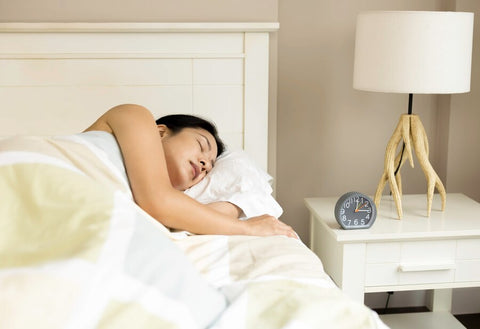
A study has shown that if you regularly sleep 4 hours a night, your brain will age by 8 years. Furthermore, sleeping less than 7 hours per night increases the risk of depression, mental disorders, anxiety disorders, and even sleep apnea leading to death. You will also face the following consequences if you sleep too little:
Lack of focus, reduced work performance: Sleep that is frequently interrupted will affect brain function, leading to slow activity and memory retention. This can reduce work performance.
Causes psychological disorders: Insomnia and restless sleep will make you constantly feel stressed, mentally tired and sluggish, and easily irritable. In severe cases, it can lead to depression and anxiety disorders.
Reduced life expectancy: People who sleep less than 7 hours/day have a 30% higher risk of death from stroke compared to those who get enough sleep. Many cases of prolonged insomnia face health problems such as high blood pressure, cardiovascular diseases, diabetes, weakened immune systems, etc.
Memory decline and intellectual disability: Poor quality sleep prevents the brain from resting properly, keeping it constantly stressed and leading to memory decline. In addition, sleep deprivation can cause brain atrophy, gradually reducing brain volume, and greatly increasing the risk of intellectual disability.

Sleep duration varies with age.
2. Tips for sleeping less without feeling tired
As society develops faster, people face more pressure and worries. Therefore, not everyone has the conditions to sleep a full 8 hours every night. Due to the habit of staying up late or for livelihood, many people only sleep about 4-6 hours a day. So, is there a way to sleep less and still stay healthy?
Certainly, there is, because if there wasn't a way to "cheat" on sleep time, perhaps half the population would be exhausted from lack of sleep. Below are 3 ways to sleep less but still stay alert that you can try.
2.1. How to sleep less without feeling tired with Siesta Sleep - Napping
Napping is a common habit for most Vietnamese people. According to research, a 20-minute nap is an effective energy recharge therapy if you slept little or had insomnia the night before.
Note that you should not nap for too long as it can make you feel tired upon waking and may cause insomnia at night. Also, avoid napping after 3 PM; only take a short nap of 15-20 minutes in a quiet, cool place.
2.2. How to get 8 hours of sleep in 4 hours using polyphasic sleep methods
If you don't have enough time and conditions to sleep 8 hours a day, try the polyphasic sleep method, which means breaking up your sleep into multiple naps throughout the day. With a total sleep time of only about 4-6 hours, you can still ensure that you sleep less without feeling tired and stay as alert as if you had slept a full 8 hours.
Here are some polyphasic sleep schedules you can apply.
- Dymaxion Sleep Schedule: Nap for 30 minutes every 6 hours, for a total sleep time of 2 hours.
- Uberman Sleep Schedule: You sleep 30 minutes every 4 hours, meaning 3 hours of sleep per day.
- 4 hours of sleep a day with the Everyman Sleep Schedule: 3 hours of sleep at night, and 3 short naps of 20 minutes each during the day.
- Is it possible to sleep 5 hours a day? Yes, you just need to apply the Triphasic Sleep Schedule: Divide your day into 3 naps in the late hours (before 5 AM), afternoon (after 2 PM), and evening (after 6 PM).You sleep 1.5 - 2 hours per nap to get enough 5 or 6 hours of sleep a day.
2.3. Method for calculating sleep time using 90-minute sleep cycles
During sleep, you go through several continuous and repeating sleep cycles. A 90-minute sleep cycle consists of 5 stages: sleep onset, light sleep, deep sleep, very deep sleep, and REM sleep. If you wake up in the middle of a cycle, it means your sleep is interrupted, and you will feel very tired. Therefore, the way to sleep less and still be alert is to calculate your sleep time so that your sleep cycles are complete.
An adult should sleep a maximum of 6 sleep cycles (corresponding to 9 hours of sleep) and a minimum of 3 sleep cycles (4.5 hours). You can apply the principle of calculating sleep cycles to sleep less without feeling tired. The formula for calculating sleep and wake-up times according to the sleep cycle is as follows:
Wake-up time = Sleep time + (1.5 hours x Number of sleep cycles) + time to fall asleep
Example: You go to bed at 2 AM and need to wake up before 8 AM, and it takes you about 15 minutes to fall asleep.
To complete 3 sleep cycles: Wake-up time = 2 + (1.5 x 3) + 15 minutes = 6:45 AM.
To complete 4 sleep cycles: Wake-up time = 2 + (1.5x4) + 15 minutes = 8:15 AM.
So, in the above situation, the best option to wake up before 8 AM is to complete 3 sleep cycles and wake up at 6:45 AM. Alternatively, you can go to bed 20 minutes earlier to wake up at 7:55 AM and complete 4 sleep cycles.
3. Do methods for sleeping less without feeling tired have consequences?
As mentioned earlier, methods for sleeping less, "how to sleep 8 hours in 4 hours," "how to sleep 5 minutes like 6 hours" are merely ways to "cheat" on sleep time and temporarily trick the body into thinking you've had enough sleep. The body can only be fully energized and completely healthy when you get at least 7-10 hours of sleep per day.
Therefore, if you consistently apply methods to sleep less while staying alert, such as calculating sleep cycles or taking short naps, it will certainly have many negative impacts on your body. Specifically, you may experience symptoms such as stroke, memory loss, high blood pressure, diabetes, depression, mental disorders, weakened immune system, infertility, etc.
Thus, methods for sleeping less without feeling tired are not recommended by health experts except in unavoidable circumstances such as the nature of work or suffering from insomnia. Try to build healthy habits and get enough sleep for your body to truly rest.
4. How to reduce fatigue when sleeping little or lacking sleep
If you've had a sleepless night and feel very tired the next day, try these tips to feel more alert:
- Light exercise to stimulate blood circulation
- When feeling sleepy during the day, take a nap for about 10-20 minutes to recharge energy
- Get adequate nutrition
- Avoid stimulants like alcohol, beer, coffee, and strong tea to prevent headaches
- Stay hydrated
On the other hand, if you can't get 8 hours of sleep, can a short, continuous, deep sleep of 4-5 hours reduce fatigue? In reality, it can. Occasionally, you can compensate for lost sleep and achieve excellent sleep quality.

Ru9 bedding brings you the best and most quality sleep.
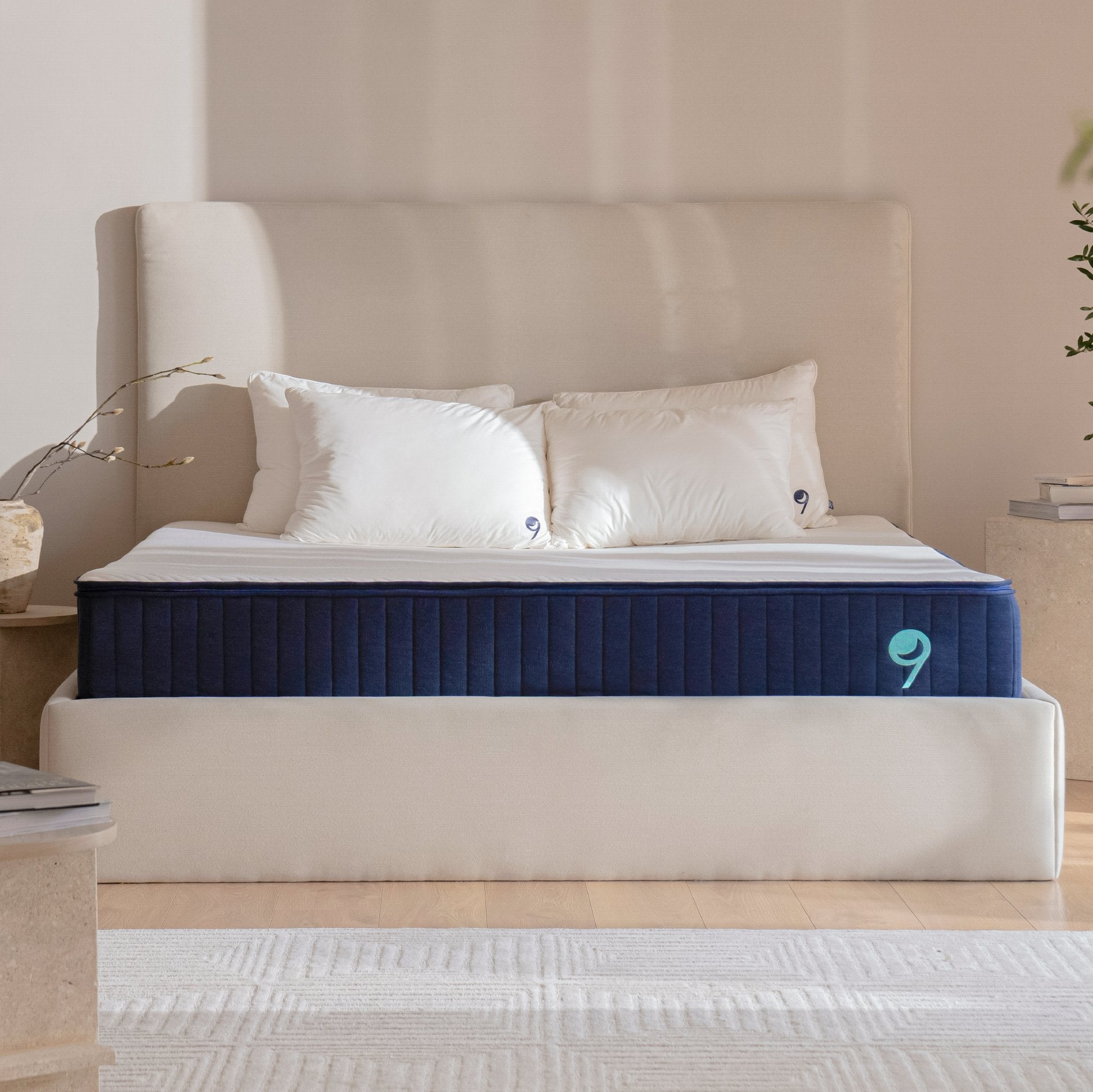
If you are looking for ways to get quality sleep, look at the bed you are sleeping on. People currently using Ru9's bedding products report that they can sleep 30 minutes more each night, which is over 180 hours per year.
Like diet and exercise, quality sleep has a profound impact on everyone's physical, emotional, and mental health. Ru9's bedding products are researched and manufactured using the most advanced and modern technology available today, providing everyone with the most comfortable moments of relaxation and rest on their beds.
Ru9 mattresses are made from artificial foam consisting of millions of interconnected air bubbles, which helps maintain elasticity with moderate firmness, preventing sinking or stuffiness when lying down. The multi-layer structure of the Ru9 mattress helps dissipate heat and distribute body weight evenly, supporting every natural curve, and caring for the spine and joints. Therefore, when lying on the mattress, you will feel incredibly soft and comfortable, easily falling asleep, and enjoying sound and deep sleep.
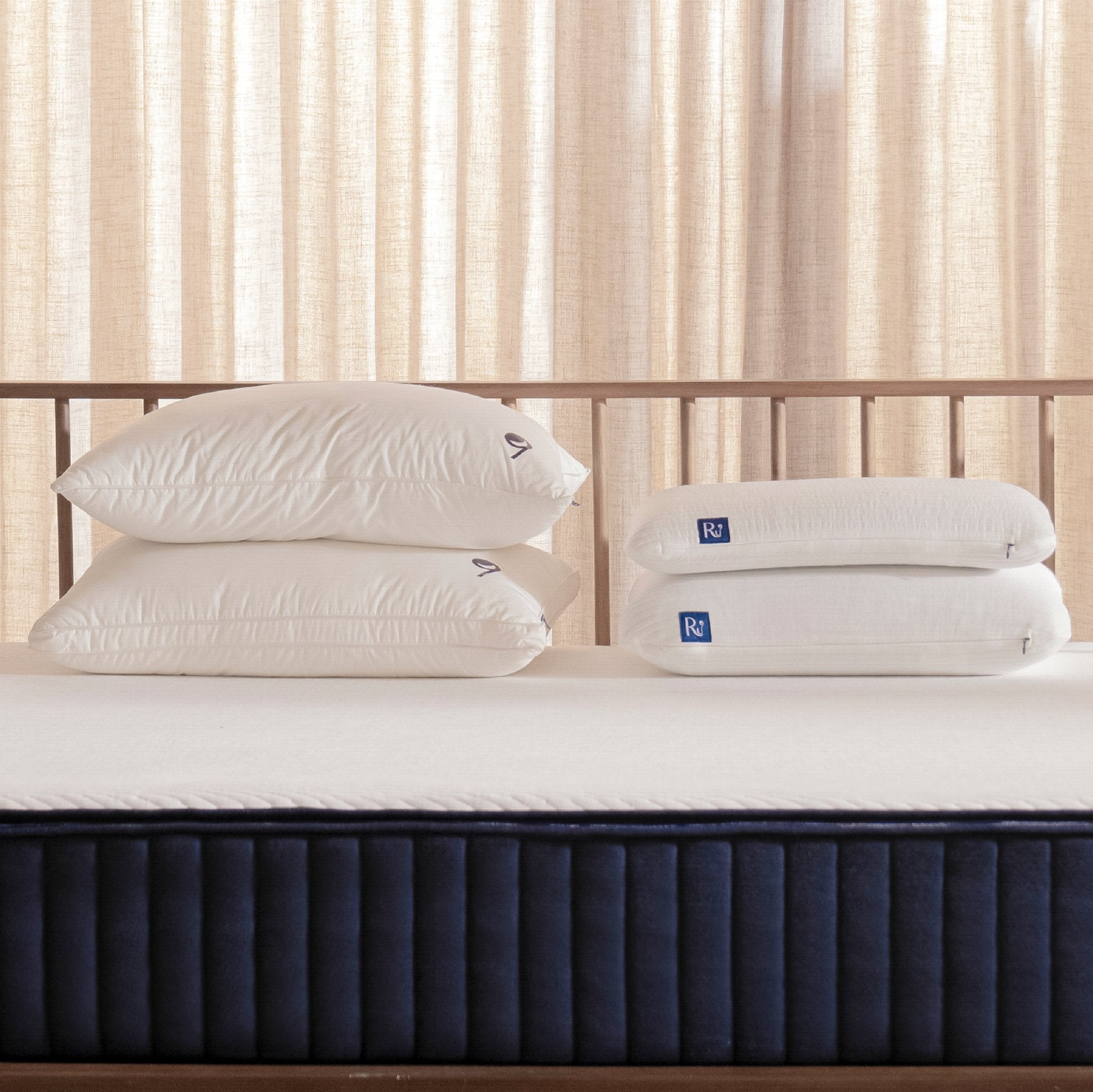
In addition, the Niu pillow is also a premium product from Ru9, providing you with good and quality sleep thanks to the soft and gentle feeling when lying on it. The pillow core is made of cotton... the pillowcase
Using Ru9 products, you will easily get good and quality sleep, no longer worrying about whether sleeping 4 hours a day is problematic. It helps maintain sleep quality, protects health, and allows you to enjoy life to the fullest.
Contact Ru9 now to improve your sleep quality!
Ho Chi Minh City Showroom
- Address: 283A Hai Ba Trung, Ward 8, District 3, Ho Chi Minh City
- Phone number: 0964777910
Hanoi Showroom
- Address: 71 Trang Thi, Hang Bong, Hoan Kiem, Hanoi
- Phone number: 0964777940
You might be interested:
- Revealing how to get 8 hours of sleep in 30 minutes
- Does using a mattress topper help you sleep better?


