Which side is best to sleep on? In general, sleeping on your left side tends to be better for people with acid reflux (GERD), while sleeping on your right side is still a perfectly good choice for many healthy people. That said, there is no single best sleeping position for everyone. To sleep well and avoid waking up with aches and pains, consider your health condition, keep your spine in a natural alignment, and choose a pillow and mattress that provide the right support.
1. Which side is best to sleep on?
Side sleeping is a common position that can help keep your airway open and relieve pressure on certain parts of the body. Whether you should sleep on your left or right side depends on your health needs and what feels comfortable for you.
What are the benefits of sleeping on your left side?
Sleeping on the left side is often recommended for certain groups, especially people with acid reflux (GERD).
Some notable benefits include:
May help reduce acid reflux: Lying on your left side may help keep stomach acid from flowing back up into the esophagus, which can ease heartburn for some people.
May support digestion: Because of the position of the stomach and the structure of the digestive tract, sleeping on the left side may help with certain digestive symptoms. However, it should not be considered a treatment for digestive disorders.
Suitable for pregnant women: Side sleeping is the recommended position in late pregnancy. The left side may feel more comfortable for some expectant mothers, but it is not the only safe side.
According to Johns Hopkins Medicine, sleeping on the right side may make heartburn worse in people with reflux. So if you often feel discomfort in your chest or throat at night, try switching to your left side.
Is sleeping on your right side bad?
No. Sleeping on your right side is still a suitable position for many healthy people. There is no evidence that everyone needs to avoid the right side because of effects on the heart or blood circulation.
This position can be a comfortable choice if you don't experience reflux symptoms when lying on your right or if you simply find it more comfortable.
A few points to keep in mind:
People with acid reflux may find their symptoms worsen when lying on the right side.
If your right shoulder or hip hurts, avoid putting prolonged pressure on the painful area.
If sleeping on your left side feels uncomfortable, there's no need to force yourself to stay that way all night.
What matters most is choosing the position that helps you sleep well, causes no pain, and suits your health condition.
Which side should pregnant women sleep on?
Pregnant women should pay attention to their sleeping position, especially from week 28 of pregnancy onward.
According to the National Health Service (NHS), the safer position to go to sleep in after 28 weeks is on either your left or right side, rather than on your back. If you wake up and find yourself lying on your back, there's no need to worry. Simply roll back onto your side.
For extra comfort, expectant mothers can place a pillow under the belly or between the knees. If you have a high-risk pregnancy or have been given specific sleeping instructions, follow the advice of your doctor.
Related reading:
Why do I wake up tired in the morning?
Why do I still feel sleepy after a full night's sleep?
2. Health benefits of side sleeping
Beyond choosing the left or right side, sleeping on your side with proper form can also make your night's sleep more comfortable.
May reduce snoring and improve airflow
When you lie on your back, the tongue and soft tissues in the throat can shift backward and narrow the airway in some people. Side sleeping can keep the airway more open, which may reduce snoring or, in some cases, improve mild sleep apnea.
However, if you frequently snore loudly, have pauses in breathing during sleep, or feel excessively sleepy during the day, you should see a doctor for evaluation. Changing your sleeping position alone is not always enough to manage sleep apnea.
See also: Effective ways to stop snoring in women
Helps maintain natural spinal alignment
Sleeping on your side the right way can help keep your head, neck, back, and hips in a reasonably natural alignment. This helps limit body twisting and reduces pressure on some muscles and joints.
On the other hand, if your pillow is too low or too high, your top leg drops forward, or your hips sink deep into the mattress, your spine can drift out of neutral alignment. You may wake up with a stiff neck, sore shoulders, or a tight back.
So to get the full benefits of side sleeping, pay attention to your body position, pillow height, and mattress surface all at once.
3. How to sleep on your side with proper posture
If you usually sleep on your side, a few adjustments can help your body get better support.
Keep your head, neck, and back aligned
Choose a pillow at the right height so your head isn't tilted too high or sagging below your shoulder. When lying on your side, your head, neck, and back should form a reasonably natural straight line.
If you often wake up with neck pain or numb arms, check your pillow height and how your shoulder sits on the mattress.
Bend your knees slightly, but don't curl up too tightly
A slight bend in the knees can help you relax, but avoid curling up too tightly for long periods. Over-curling can make it harder for your back and hips to settle into a comfortable position.
Keep your torso relatively straight and avoid twisting your shoulders and hips in opposite directions.
Place a pillow between your knees
When you sleep on your side, your top leg tends to fall forward, rotating the hips and putting pressure on the lower back. A thin pillow between your knees can help keep your hips stable.
You can also hug a body pillow to support your arms and ease tension in the shoulders.
Avoid lying on a painful area
If one shoulder or hip is sore, keeping pressure on it can make the discomfort worse. Try switching sides, or adjust your pillow and mattress to find a more comfortable position.
If the pain persists, or you experience numbness, weakness in your limbs, or other unusual symptoms, consult a healthcare professional rather than relying on posture adjustments alone.
4. How to choose a mattress for side sleepers
Besides your sleeping position, the mattress surface also affects how your body is supported throughout the night. Side sleepers tend to carry more concentrated pressure at the shoulders and hips, since these are the main points of contact with the mattress.
That's why a mattress for side sleepers needs to balance body support with pressure relief at the contact points, rather than simply being as soft or as firm as possible.
Choose medium firmness that suits your body type
A mattress that is too firm can put heavy pressure on the shoulders and hips, leaving side sleepers feeling numb or sore and forcing them to keep changing positions. On the other hand, a mattress that is too soft lets the shoulders and hips sink in too deeply, throwing the body off balance and misaligning the spine.
For this reason, many side sleepers find a medium-firm mattress comfortable: soft enough to relieve pressure, yet supportive enough to keep the body stable.
That said, there is no single firmness level that works for everyone. Body weight, build, shoulder width, pain conditions, and personal preference all shape how a mattress feels.
See also: What mattress firmness is best for your health?
Choose a mattress with good pressure distribution
A good mattress should support the body evenly while conforming to the natural curves at the shoulders, waist, and hips.
Foam mattresses contour to your body shape, helping spread pressure across contact areas. For heavier sleepers, a hybrid mattress that combines foam with a spring system can offer a balance of softness, responsiveness, and support.
Whichever material you choose, pay attention to how it actually feels when you lie down: Are your shoulders and hips being pressed too hard? Is your waist supported? Does your spine keep its natural alignment?
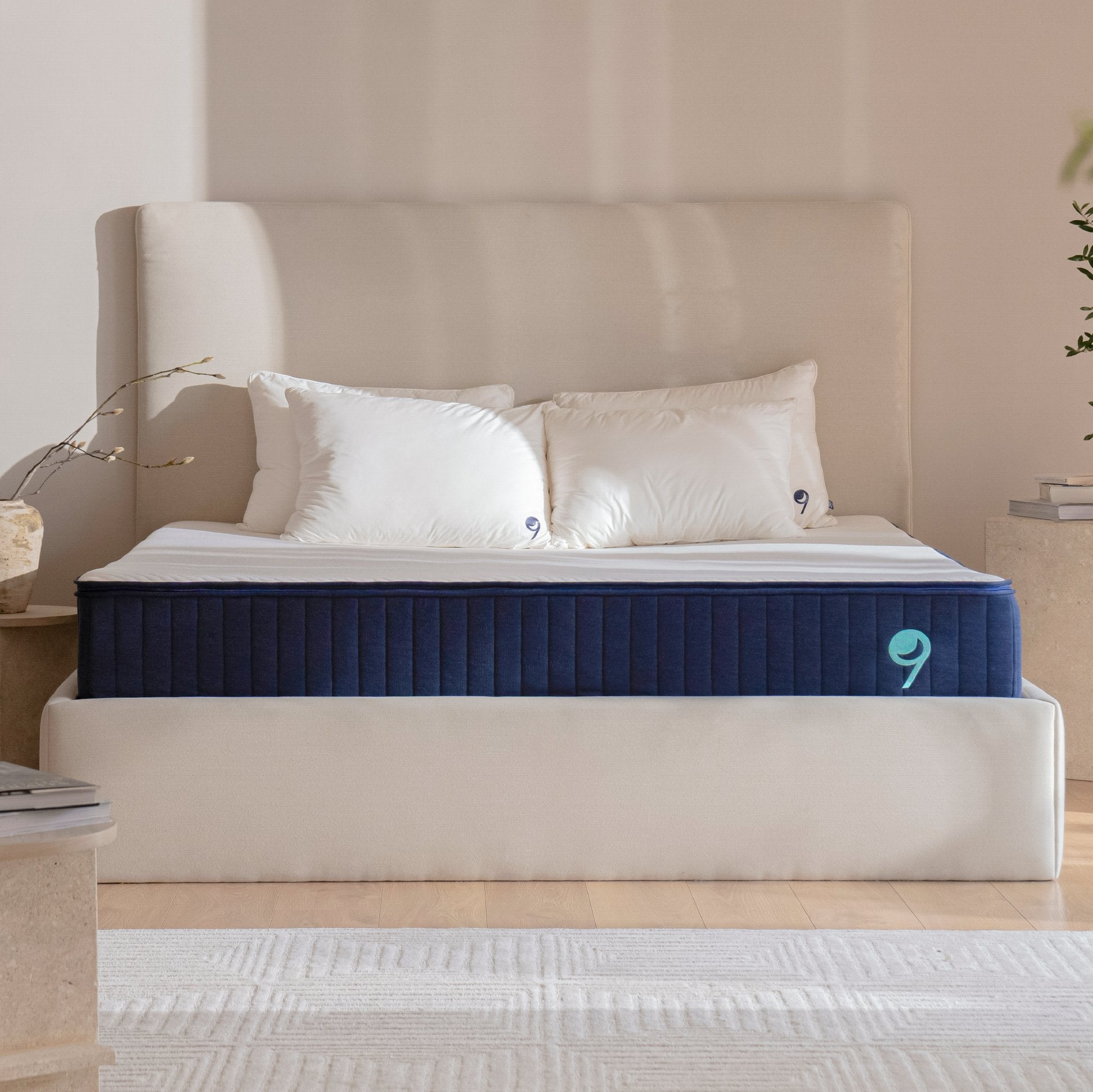
Ru9 mattresses suited to side sleepers thanks to support that follows the body's natural curves:
Pair your mattress with the right pillow
Your pillow and mattress need to work together to keep your head, neck, and spine in the right position.
If your mattress is soft and your shoulder sinks in deeper, you may need a lower pillow than you would on a firm mattress. Conversely, a firmer surface leaves a larger gap between your head and shoulder, so you'll need a pillow with a matching height.
When lying on your side, your pillow should fill the gap between your head and shoulder without pushing your head up or letting it sag down.
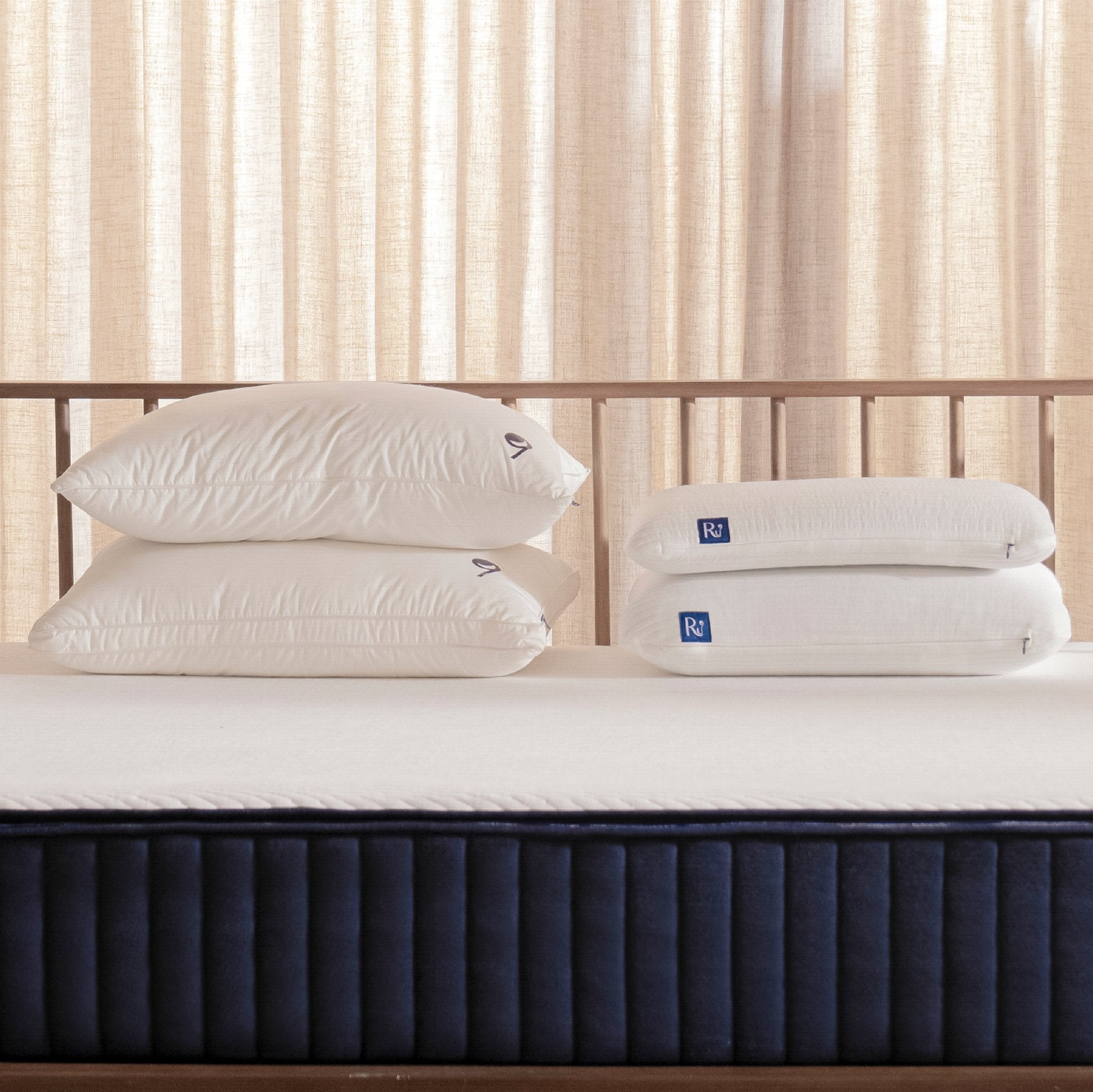
Explore: Ergonomic Pillows with specialized support for the neck and shoulders
How do you know if a mattress suits side sleepers?
Look for these signs when you test a mattress:
Your shoulders and hips feel supported, not pressed painfully.
Your waist doesn't sag excessively.
Your neck and back keep a natural alignment.
You don't frequently wake up with numb hands, sore shoulders, or hip pain.
You can turn over fairly easily without feeling stuck in the mattress.
If your current mattress is uncomfortable, consider adjusting your pillow or trying a different mattress surface before deciding to replace it. If you have a spinal condition or chronic pain, choose your mattress based on real-world comfort and, where needed, the guidance of your treating specialist.
5. Common side-sleeping mistakes to avoid
Even once you've found the right side to sleep on, some habits can still hurt your sleep quality.
Curling up too tightly: This can increase tension in the back, hips, and joints. Relax your body and bend your knees only slightly.
Using the wrong pillow: A pillow that is too high or too low can keep your neck tilted for long periods. Choose a pillow based on the distance between your head and the mattress surface when lying on your side.
Choosing a mattress based only on softness or firmness: The first impression doesn't tell you the whole story about support. A mattress needs to relieve pressure and keep the body stable at the same time.
Staying fixed on one side all night: Unless you have a specific medical instruction, you don't need to stay on the same side for the entire night. Let your body change positions naturally when it needs to.
Ignoring persistent pain: Sleeping position and mattress surface can affect comfort, but they are not the only causes of pain. Persistent pain, numbness, weakness, or difficulty breathing during sleep needs to be properly evaluated.
6. Frequently asked questions about side sleeping
Which side is best to sleep on for your stomach?
People with acid reflux (GERD) are usually advised to try sleeping on the left side, as this position may help limit reflux and ease heartburn. If symptoms occur often, talk to your doctor for appropriate treatment.
Is sleeping on your left side bad for your heart?
It can't be concluded that sleeping on the left side harms the heart in everyone. How comfortable it feels varies from person to person and depends on your health condition. If you have cardiovascular disease, or you experience chest pain or shortness of breath when lying down, consult your doctor about the right sleeping position for you.
Can side sleeping cause shoulder and hip pain?
It can, especially when the shoulders and hips are under prolonged pressure on a surface that's too firm, or when the body sinks unevenly into a mattress that's too soft. An unsuitable pillow and a twisted posture can also contribute. Adjusting your pillow, placing an extra pillow between your knees, and choosing a mattress with suitable pressure relief can help improve comfort.
Should a mattress for side sleepers be soft or firm?
Side sleepers should generally start by trying medium-firm mattresses, though the right choice also depends on your build and personal feel. A mattress should be soft enough that your shoulders and hips aren't squeezed, yet supportive enough that your body doesn't sink in deeply and lose balance.
Is side sleeping better than sleeping on your back?
No position is best for everyone. Side sleeping can help people who snore or have reflux, while back sleeping can feel comfortable for some people as long as the spine stays properly aligned. People with sleep apnea or special health conditions should seek advice on the right position for them.
Conclusion
So, which side is best to sleep on? Sleeping on the left side is generally beneficial for people with acid reflux, while the right side is still suitable for many others. What matters is choosing a position that fits your health, keeping your head, neck, and back aligned, and limiting pressure on the shoulders and hips.
Beyond sleeping position, a mattress with the right firmness, stable support, and good pressure distribution helps keep you comfortable all night. Combine the right sleeping posture with the right pillow and mattress, and you can improve your sleep quality and reduce the aches and pains you wake up with.