









1. Should newborns sleep on a firm or soft surface?
Newborns have many physiological factors related to their spine, digestive system, and motor skills, requiring parents to pay close attention when choosing a sleeping place.

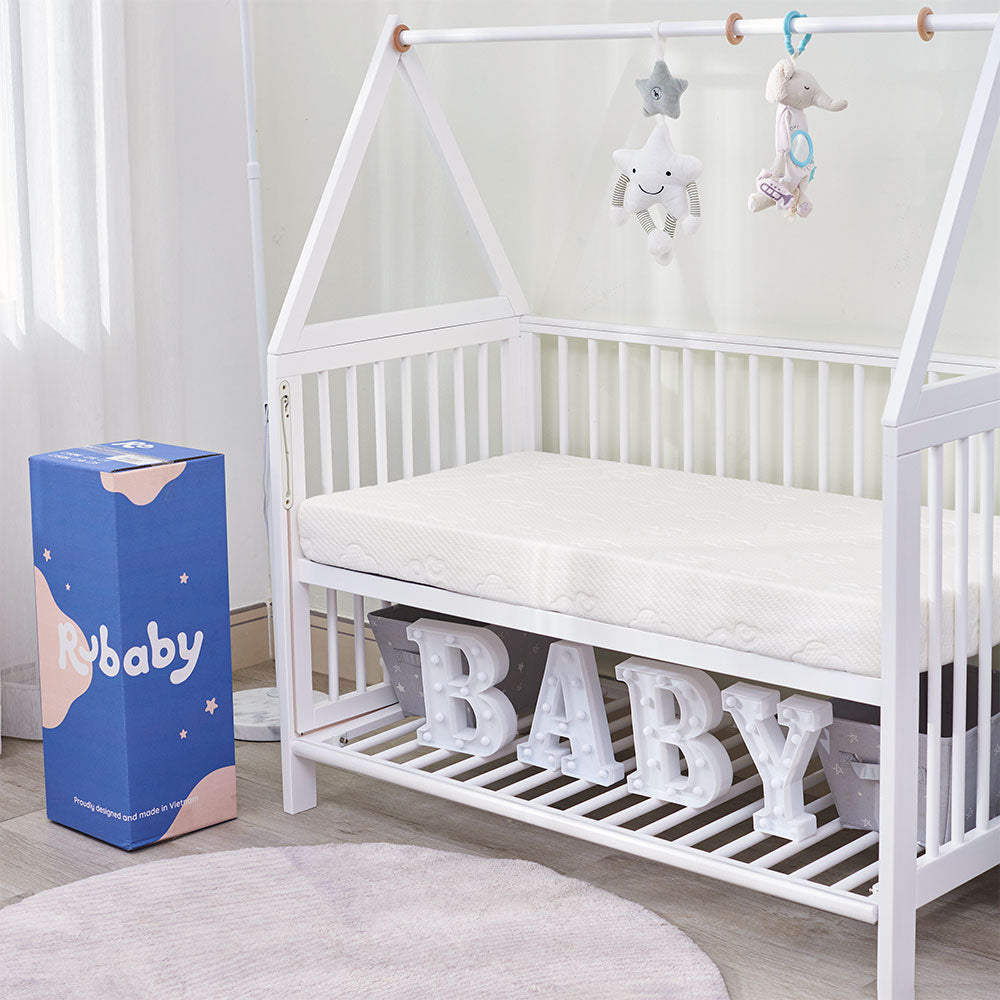
According to experts, newborns should only sleep on a firm mattress or on a sturdy, firm surface, such as a specialized crib.
This is because a newborn's skeletal system is very weak, so they need firm support for their bones to develop properly. Lying on a surface that is too soft can cause the baby's spine to curve.
A firm surface also helps the baby turn, flip, and change positions more easily while sleeping, reducing the risk of respiratory and digestive problems, and helping the baby sleep better.
Newborns sleeping on a firm surface helps limit sinking, allowing for faster and easier height development, which is not hindered as it would be when sleeping on a soft, plush surface.
Newborns sleeping on a soft, plush surface can send incorrect signals to the brain that the baby is being obstructed, leading to a reduction in growth-related hormones as a self-preservation mechanism.
These factors also contribute to parents' decisions regarding whether a newborn should sleep on a bed or a mattress.
Read more:
- Can newborns sleep on a latex mattress?
- Suggestions for 5-star hotel mattresses you should buy
- The most commonly used hotel mattresses today
- TOP 5 most popular bunk bed mattresses today
2. So, should newborns sleep on a bed or a mattress?
Given the reasons above, parents can see that newborns are not truly suited for overly soft surfaces, especially mattresses with high elasticity that easily conform to the body.
Should newborns sleep on a bed or a mattress? The most accurate answer is that newborns need a firm, sturdy, and breathable bed rather than a soft mattress.
A bed supports the body, providing balance for the baby to easily turn and move, while not hindering the child's overall development.

Furthermore, letting newborns sleep on a bed also has several advantages over sleeping on a mattress:
- Newborns sleeping on a bed are typically higher off the ground than just sleeping on a mattress, avoiding cold air, dampness, or dust from the floor that could affect the baby.
- Newborns sleeping directly on a mattress may have limited airflow around their back, causing discomfort during sleep. Therefore, when placing a newborn on a mattress, mothers should add a thin cooling mat.
- Newborns sleeping on a bed can make it easier for parents to change diapers and clean, whereas a mattress can be quite inconvenient if it gets dirty.
Read more: Is a foam mattress good for newborns?
3. Some things to note for a safe and complete sleep for your baby
In addition to choosing whether a newborn should sleep on a bed or a mattress, parents should also keep in mind some of the following to ensure their baby gets a complete night's sleep:

Newborns sleep better on a firm bed than on a soft mattress
- Avoid dressing newborns in overly tight or cumbersome clothes with many ties, as these can accidentally wrap around or constrict the baby's neck during sleep.
- Minimize gaps between the bed and walls or other furniture in the bedroom.
- Sleeping on their back is the best position for newborns. If the baby prefers to lie on their side to feed, parents should adjust their sleeping position once the baby is fast asleep.
- If a newborn is sleeping on a bed, they should be constantly supervised, as the height of the bed could accidentally endanger the child if they fall.
- Remove headboards, footboards, and side rails as these are often not safe for newborns.
- Do not use a mattress with an overly soft or sinking surface, as it is not good for a newborn's spinal development. If you are wondering whether a newborn should sleep on a bed or a mattress, a bed combined with a moderately soft topper is the best choice.
- Do not place the baby's blanket too high, as newborns can pull the blanket over their head, causing suffocation during sleep.
- Keep the area around the newborn airy and comfortable.
- Adults sleeping with the baby should be careful to avoid accidentally placing limbs on the baby while deeply asleep.
- Absolutely no smoking or smoke in the newborn's room, as this increases the risk of Sudden Infant Death Syndrome (SIDS).
These notes represent experiences that many parents overlook when caring for their baby, inadvertently causing harm. Therefore, it's not just a matter of whether a newborn should sleep on a bed or a mattress, or which is better, but every small detail needs to be adjusted to ensure the baby receives complete nurturing.
If your baby loves sleeping on a soft mattress, you can refer to 6 Ways to choose a suitable mattress for newborns to have more options and know which type of mattress is best for your newborn.

With the information above, Ru9 hopes to have helped you answer the question of whether newborns should sleep on a bed or a mattress, and what to do to ensure your baby gets the best sleep. Remember that sleep is the most precious asset for newborns in their early stages of life, directly affecting their long-term development, so always seek accurate knowledge and care for your baby carefully!
Related articles:
- How to choose the right foam mattress for babies
- What baby mattress size is best for development
- Why choose a cooling mattress for newborns?
- Updated and most accurate foam mattress price list at Ru9
- Which is the best foam mattress on the market
- Can newborns use a floor mattress topper?


