










1. Is sleeping on a mattress on the floor good?
Sleeping on a mattress on the floor means placing the mattress directly on the floor without a bed frame. This is a common trend, especially in small spaces or in countries with cold winters that require heating systems, such as Japan and Korea.
To answer the question above, let's explore the pros and cons of sleeping on a mattress on the floor.
Advantages of sleeping on a mattress on the floor
Not using a bed frame and placing the mattress directly on the floor offers several benefits:
Cost-saving

Sleeping on a mattress on the floor helps save space.
Not only does it save material costs, but not using a bed also makes the room feel more spacious. Currently, a bed frame can cost several million dong, which is a significant expense for students or families with limited finances.
In small rooms, adding a bed frame takes up a lot of space, making it feel more cramped.
>> See more:
- Latest mattress price list for all types: compressed fiber, spring, latex
- How much does a mattress topper cost? Can a mattress topper be placed directly on the floor for sleeping?
Reduces back pain
The floor is stable and flat, providing firm support for the body over a long period. Many people report that when sleeping on the floor, sciatica symptoms are significantly reduced.
Safe for families with elderly and young children
When sleeping on a high bed, the elderly and young children may risk falling to the floor if they sleep too soundly. Sleeping on a mattress on the floor lowers the height, so even if they accidentally fall, it's not dangerous.
Easy to move sleeping area
When you want to change your sleeping spot, just lift the mattress, no need to laboriously drag a heavy bed.
Disadvantages of sleeping on a mattress on the floor

Not using a bed can also have some drawbacks.
Besides the aforementioned benefits, sleeping on a mattress on the floor can lead to some issues for users:
Prone to dirt, attracts insects
When sleeping on a mattress on the floor, it's inevitable that dust will cling to the mattress surface, no matter how thoroughly you clean it, potentially causing respiratory illnesses. Additionally, insects can easily hide in and on the mattress, leading to skin conditions.
Mold and mildew, affecting health
When sleeping directly on the floor, air circulation is poor, which can easily lead to dampness. People with health problems or joint issues may catch a cold or experience aches and pains.
>> See more:
- How to choose a sleeping mattress suitable for your body and good for health
- How to choose a winter mattress that you need to know
- Mattress reviews of the best and most popular types today
- Where to buy a mattress reliably and assuredly? Top 5 super quality addresses
2. Is sleeping on a mattress without a bed frame good?
So, in summary, should you sleep on a mattress on the floor? Sleeping on a mattress on the floor or without a bed frame offers many benefits to users, such as saving on bed frame costs, easily changing sleeping spots, reducing back pain, and being especially safe for the elderly and young children. However, sleeping on a mattress on the floor can cause respiratory and dermatological issues due to difficulties in maintaining hygiene and preventing mold.
Depending on their health status, economic conditions, and personal preferences, each person will have a different answer and choice.
If the drawbacks of sleeping on a mattress without a bed frame can be neutralized or overcome, this model will offer many benefits. Conversely, if you have health issues or prefer ventilation, you might prefer sleeping on a bed.
2. Why do Japanese people not sleep in beds?
For a long time, Japanese people have not used beds but slept directly on the floor. This has become a cultural characteristic of the people of the Land of the Rising Sun, known as Tatami.
Below are some reasons why Japanese people do not sleep in beds.
Saves space
Land and housing prices in Japan are very high, plus various taxes, so not many people can afford spacious homes. In small houses, not using a bed helps save space for other purposes.
Safe for the elderly and young children
Mattresses placed directly on the floor have no significant height difference, making them very safe for children and the elderly.
Safe during earthquakes

Not sleeping in a bed helps Japanese people quickly perceive signs before an earthquake.
Japan frequently experiences earthquakes. Japanese people do not sleep in beds to easily feel the tremors and quickly find shelter, making it easier to escape.
Good for health
When sleeping on a flat surface, the body maintains its natural curve, and blood circulates evenly without pooling at one point. Many mattresses, while soft, can sag over time, causing the body to sink.

Foam mattresses provide good body support while maintaining softness.
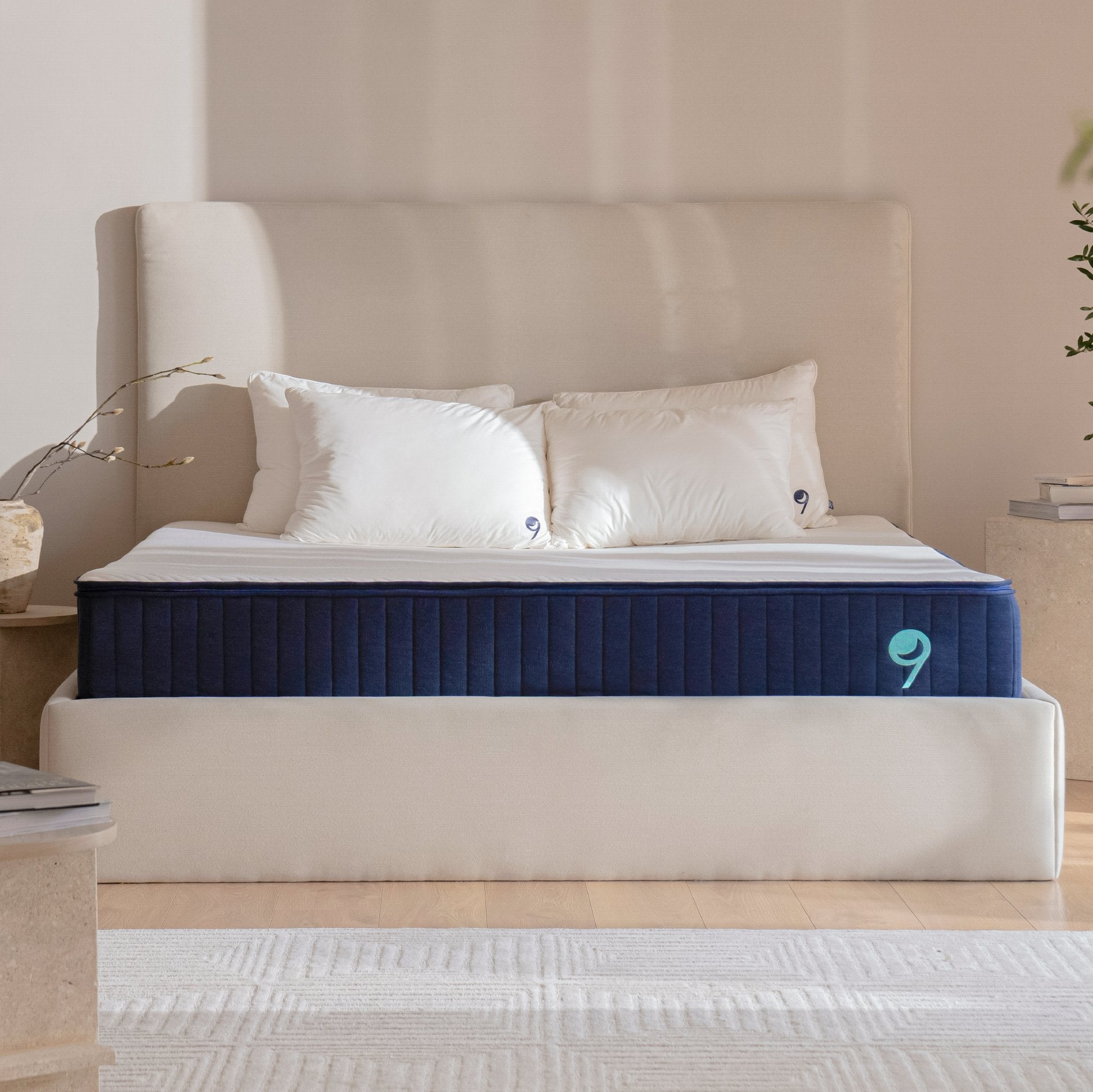
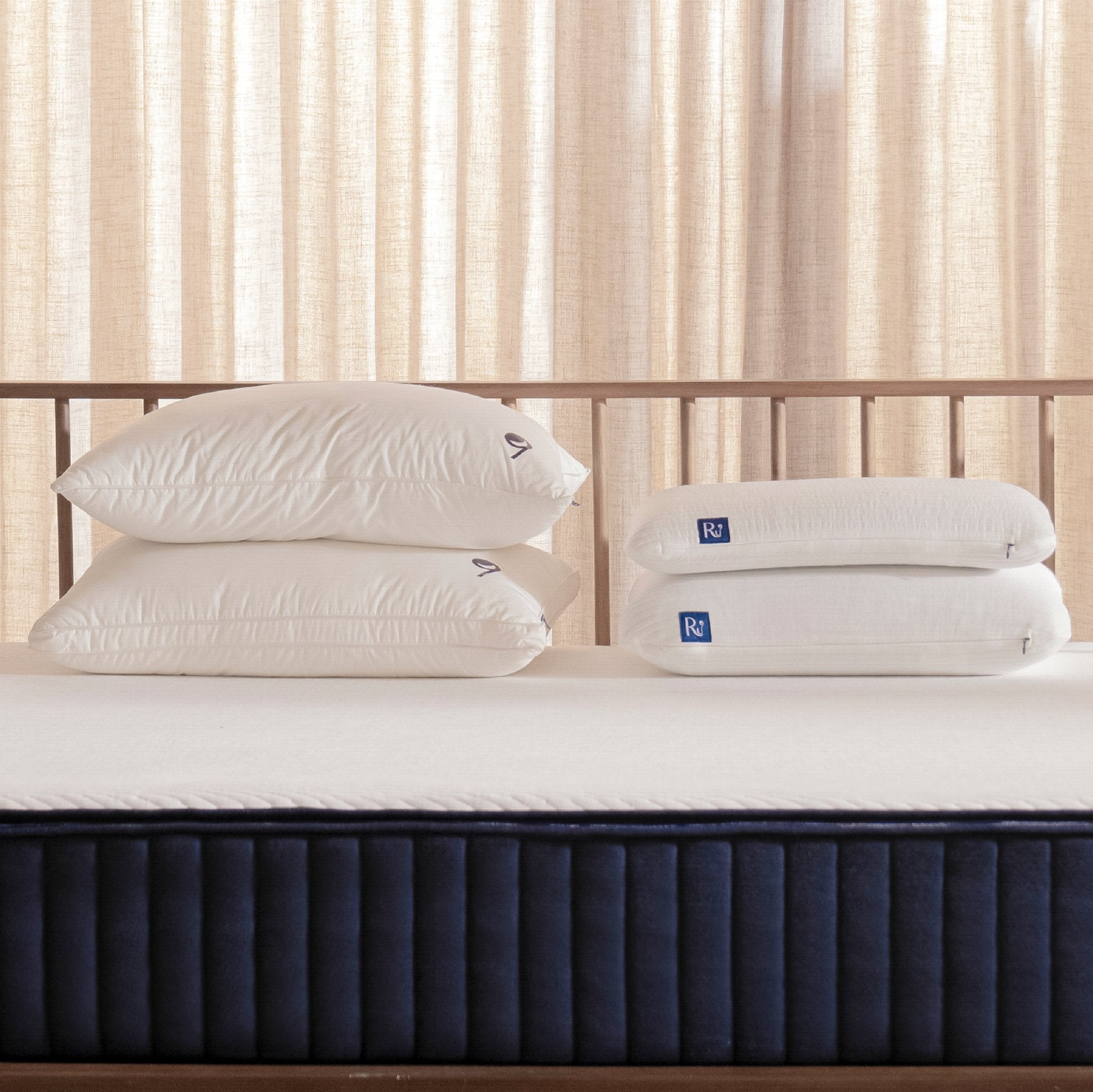
Ru9's Foam mattress is made of multiple foam layers that support the body, ensuring the sleeper maintains their natural curve. Its softness and excellent elasticity provide a comfortable sleep, and thanks to its multi-layer foam structure, the mattress does not sag after long-term use.
The mattress also features a cooling gel layer, which prevents stuffiness and provides ventilation between the mattress layers to maintain a cool sensation.
>> See more:
- 10 ways to sleep on a mattress without getting hot at night
- How to use an anti-decubitus air mattress for the elderly
- Why does sleeping on a mattress make your back itch? How to effectively remedy itchy back from sleeping on a mattress
4. Criteria for choosing a mattress
When deciding to sleep on a mattress on the floor, you should choose quality mattresses. Here are some criteria for choosing a mattress:
Comfortable, capable of supporting the body
People sleep 5-8 hours a day, so it's important to choose comfortable mattresses that can maintain the body's natural curve to avoid affecting the spine.

The foam layers are firmly bonded while ensuring breathability and coolness.
Ru9 Nest mattress with a 2-layer structure ensures body support. The top layer is Ru9 Contour Foam, which provides elasticity and softness to support the body. Beneath it is durable Ru9 PU Foam, creating stability and firmness without the common aches of other mattresses.
Good quality material, non-irritating
Safe, standard materials create a user-friendly product. One of the safety indicators for mattress quality is ECO and LGA, two international certifications. Good mattresses do not contain harmful ingredients that irritate the skin or have unpleasant odors.
Convenience
Depending on the space, each family will choose mattresses of different sizes. Ru9 mattress products are soft and provide good body support with thick foam material and 6 different sizes to suit all needs. Beautiful, luxurious colors also make your room brighter.
Mattress lifespan
A good mattress typically has an average lifespan of 5 years or more, with higher-quality lines lasting about 7 to 10 or even 15 years. Of course, premium, durable lines can have warranties up to 20 years. Therefore, choose a mattress with an average lifespan or longer to ensure its quality.
This article has provided readers with the answer to the question "Is sleeping on a mattress on the floor good? Is sleeping on a mattress without a bed frame okay?". We hope this information helps everyone make a choice that suits their needs.
Related articles:
- Which mattress brand should you buy for guaranteed quality and reliability?
- How to choose a suitable mattress for an apartment
- Guide on how to choose a suitable mattress cover
- Reasons why your mattress sags and quick fixes


