













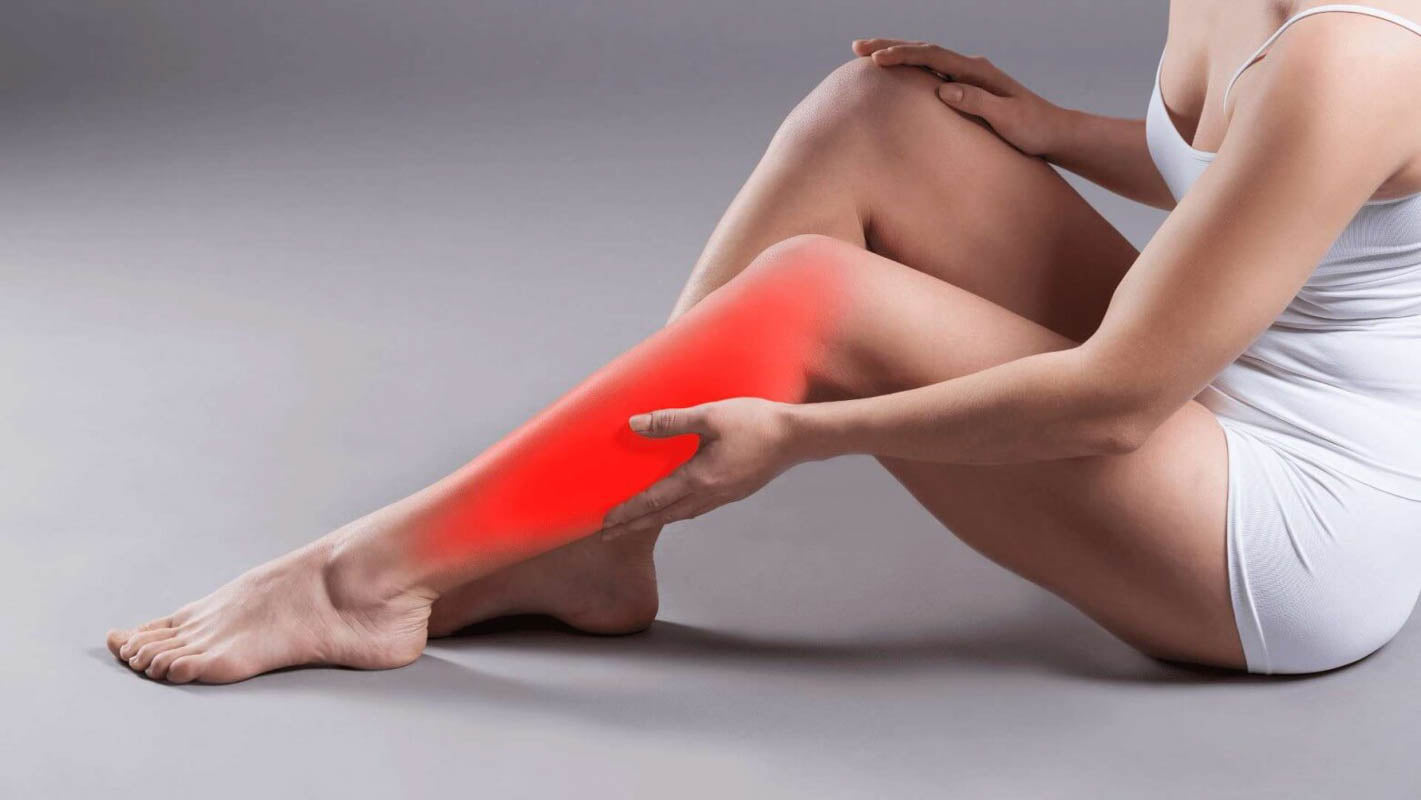
Calf cramps are a common condition many people face today. Cramps can be caused by muscle stiffness or be a warning sign of an underlying health issue. So, what should you do if you get calf cramps while sleeping? Let's explore the accurate answer with Ru9 in the article below!
1. What causes calf cramps while sleeping?
Frequent cramps while sleeping can make you feel uncomfortable, even severely painful, significantly affecting your sleep. So why do you get calf cramps while sleeping?
- Dehydration: According to Dr. Mark D. Peterson, a physical medicine and rehabilitation researcher at the University of Michigan Medical School, a typical cause of calf cramps is dehydration. This is also why cramps are common in people who exercise or engage in vigorous physical activity. When the body is dehydrated, the nerves are affected and become more sensitive. At this point, intense spasms will unexpectedly strike you, resulting in the sleeping cramps you are experiencing.
- Maintaining one posture for too long: If you stand or sit in one position for too long, the muscle bundles in your body will become tense. When you suddenly change posture, they will contract unexpectedly, causing sharp cramps.
- Pinched nerves: Herniated discs, arthritis, or lumbar spinal stenosis are typical causes of pinched nerves. This makes the muscle bundles in the calves, arms, buttocks, and thighs extremely sensitive and prone to cramps while sleeping.
- Calcium deficiency: According to medical experts, calf cramps in pregnant women while sleeping are mainly due to calcium deficiency. This symptom often occurs in the calves, starting at night during the second and third trimesters.
- Circulatory disorders: Calf cramps while sleeping can be due to circulatory disorders. When your body does not have enough blood flow to your feet, arms, and other parts, you will experience uncomfortable cramps in your calves and arms.
- Side effects of Western medicine: Some Western medicines, such as blood pressure-lowering drugs and diuretics, can dissolve salts and cause dehydration within the body. Therefore, if you are using the aforementioned medicines, you will have a high risk of experiencing calf cramps while sleeping.
- Arthritis: Arthritis can affect the surrounding tissues, causing swelling, inflammation, and nerve damage in this area. If not treated early, muscle contractions leading to cramps will constantly recur, negatively affecting the quality of daily life and activities.
- Coronary artery disease: If you do not have any injuries but still frequently experience cramps while sleeping, this could be a warning sign of coronary artery disease. According to experts, when cholesterol levels in the body increase or the vessel walls narrow, blood clots can form, impeding blood circulation and leading to cramps.

Calf cramps while sleeping can be due to dehydration or circulatory disorders.
2. Who is prone to calf cramps?
According to a medical study in the UK, over 60% of adults and about 7% of children have experienced cramps while sleeping. Among them, the most affected groups are the elderly, pregnant women, or postpartum women.
However, in reality, healthy individuals can sometimes experience calf cramps. If this phenomenon recurs frequently, you should seek early medical attention to identify the cause of calf cramps while sleeping, thereby finding timely solutions to avoid future complications.

Leg cramps during sleep are common in pregnant women.
3. What to do if you get calf cramps while sleeping?
What to do if you get calf cramps while sleeping is a common concern for many people. Depending on the severity of this symptom, you can choose the most appropriate method, including:
Home remedies: If the cramps you experience while sleeping are infrequent and mild, you can try some of the following methods:
- Stretch muscles: First, use your hand or ask someone to gently stretch the cramped calf muscle. In case of calf cramps, try to straighten your leg and keep your foot pointing upwards, with your toes pointing towards your face.
- Massage: Proper massage is also an effective and simple way to treat calf cramps at home. You just need to apply sufficient finger pressure directly and evenly to the cramped muscle area. This method not only helps relax your muscles but also helps release stagnant blood circulation, thereby improving blood flow. Additionally, this is also considered an effective way to sleep earlier.
- Heat therapy: Warm compresses are also considered a simple solution to relax constricted muscles. High temperatures help reduce pain and facilitate blood circulation in the body. Prepare a warm water bottle or apply a warm compress to the cramped area for about 15-20 minutes until the pain improves.
Using Western medicine: According to medical experts, Western medicine can quickly relieve pain caused by cramps. However, during use, Western medicine often poses many health risks. Therefore, you must strictly follow your doctor's instructions and not self-medicate or alter the dosage of Western medicine.
- Non-steroidal anti-inflammatory drugs such as aspirin or ibuprofen help relieve pain from cramps, making patients feel more comfortable.
- In some cases, doctors may prescribe additional medications to treat sleep cramps, such as gabapentin, diltiazem, verapamil, etc.
In addition to the methods mentioned above, to improve sleep quality and reduce calf cramps while sleeping, you should choose a quality mattress. A high-quality mattress with excellent body support will help your musculoskeletal system become more flexible and improve blood circulation, thereby effectively reducing pain, joint stiffness, and cramps during sleep. Some quality mattress brands you can consider include Ru9 Original mattress, Ru9 Nest mattress, etc.
See more: Instructions for 8 ways to sleep well with noise

You should apply heat or gently massage to relieve pain from cramps.
4. How to prevent cramps while sleeping?
You can prevent cramps while sleeping with the following simple methods:
- Exercise: Regularly perform gentle exercises like walking or cycling. These exercises will help keep your bones and joints flexible and effectively prevent cramps. Maintaining a sufficiently active daily schedule can also be a way to clear your mind and easily fall asleep.
- Drink plenty of water: As previously discussed, dehydration is a typical cause of calf cramps while sleeping. Therefore, make sure to drink enough water to reduce nocturnal cramps.
- Supplement with adequate nutrients: You need to ensure your body gets enough natural calcium and potassium by eating plenty of bananas, drinking orange juice, or milk. Additionally, you can consult a healthcare professional to choose suitable vitamins and minerals to supplement.
- Maintain a scientific diet: Maintaining a scientific diet not only helps improve health and boost immunity but also helps improve and effectively prevent cramps while sleeping. A healthy diet combined with active daily activities not only reduces cramps but is also a way to sleep without nightmares, as the body releases quite a lot of positive hormones during this process.

Supplementing with adequate nutrients helps prevent calf cramps.
Calf cramps during sleep are not a rare or overly serious phenomenon. However, if cramps are prolonged and occur frequently, your quality of life and daily activities will be affected. Ru9 hopes that through this article, you have found the answer to the question what to do if you get calf cramps while sleeping and found the most suitable and effective solution. We wish you good health!
Related articles: Instructions on how to effectively treat snoring with honey at home


