










Polyester fabric is an incredibly popular material in the fashion industry and household goods manufacturing. Polyester is durable, affordable, and antibacterial, making it highly favored. To learn more, let's explore the origin, production process, and applications of polyester fabric with Ru9 in the article below!
1. What is Polyester Fabric?
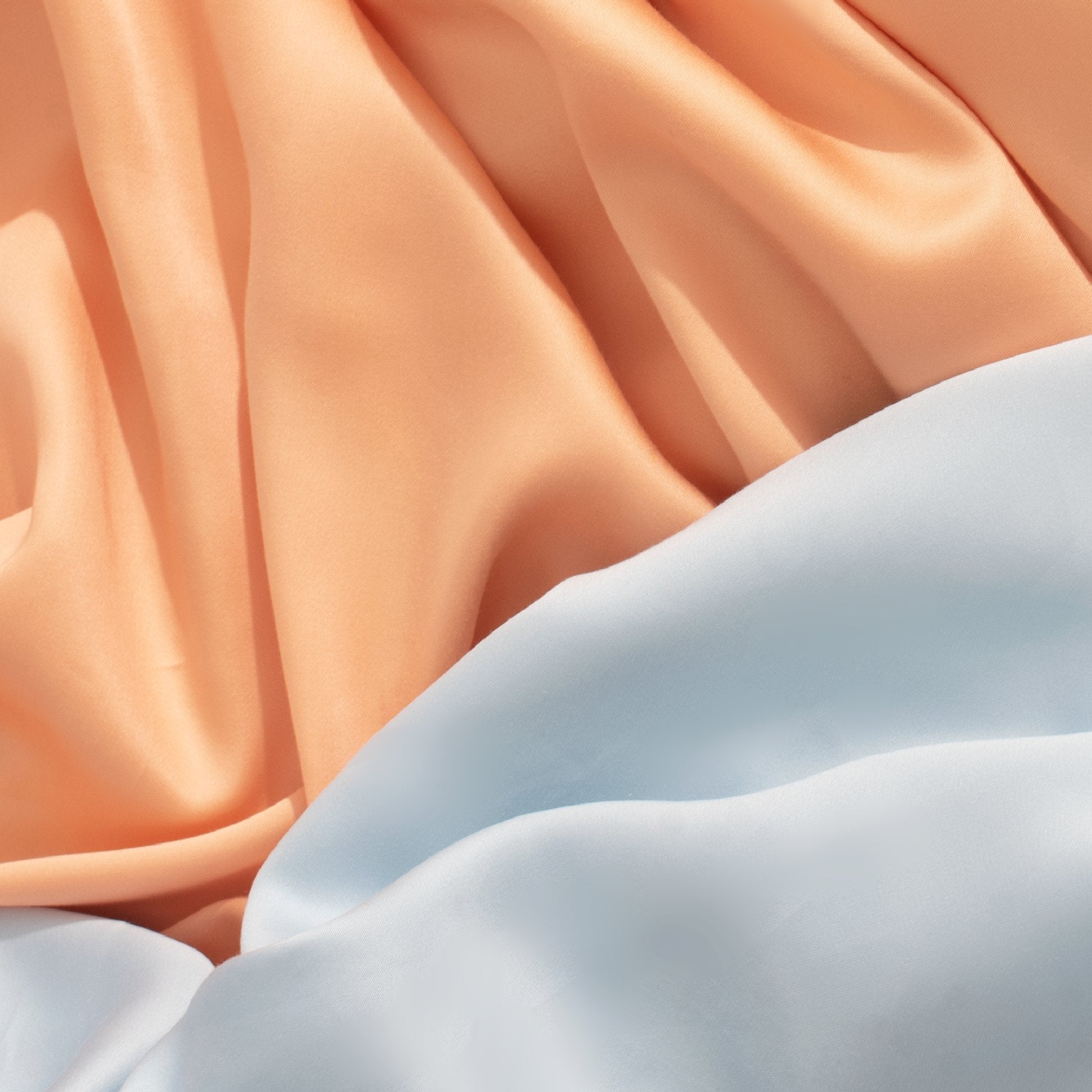
Polyester fabric is a type of synthetic fabric made from polymers derived from petroleum, coal, and natural gas.
Chemical compounds from these environments undergo a polymerization reaction to form PET (polyethylene terephthalate) or PCDT (4-cyclohexylene-dimethylene terephthalate) - types of plastic that can be spun into fabric fibers.
Thus, essentially, polyester fabric is woven from flexible, thin, soft plastic fibers. These polyester plastic fibers can also be combined with other fabrics to leverage the material's wrinkle and dust resistance.
With advantages such as durability, affordability, aesthetic appeal, and ease of cleaning, polyester fabric has become a dominant material in many fields, including sportswear, lingerie, bedding, home furnishings, fashion accessories, and more.
Premium foam mattresses from Ru9 help your family sleep better! Check them out now!

Polyester fabric fibers
To avoid confusing polyester fabric with linen and cotton, you can distinguish polyester fabric by:
- If the fabric returns to its original shape after crumpling, it is polyester fabric.
- When you pour water on the fabric and it doesn't absorb, appearing as distinct droplets, it is likely polyester fabric.
- Try burning a piece of fabric; if it burns and smells like burnt plastic, it is polyester fabric.

Distinguishing polyester fabric in daily life
See more:
- What is Jean fabric? What are the characteristics and applications of Jean fabric?
- What is Denim fabric? Is Denim fabric similar to Jeans?
- What is knit fabric? What is knit fabric used for?
- What is nylon fabric? Are nylon and polyester both plastics?
- What is acrylic fabric?
2. Advantages of polyester fabric
Durable
During the spinning process, polyester fibers intertwine into a strong structure. Therefore, polyester fabric has incredible resistance to stretching and shrinking.
While some other fabrics like cotton, chiffon, and knit often sag and stretch after a period of use, clothes made from polyester maintain their shape very well.
Additionally, polyester fabric has high abrasion resistance, capable of withstanding frequent friction and still being difficult to tear.
Wrinkle-resistant
Unlike silk and cotton, polyester fabric is highly wrinkle-resistant and almost never needs ironing. That's why polyester fabric is highly favored for office wear, uniforms, sportswear, lingerie, curtains, and more.

Polyester fabric has high durability
Water-resistant
Polyester is a hydrophobic fiber, meaning it does not absorb moisture. Therefore, when it encounters water, water droplets will not soak in but instead slide off the fabric's surface.
Thanks to its waterproof and quick-drying properties, polyester fabric is widely used in the production of sportswear, swimwear, jackets, bags, umbrellas, tents, sleeping bags, tarpaulins, etc.
For outdoor products that require absolute waterproofing, polyester fabric is treated with an additional layer of specialized waterproofing.
Good and long-lasting color dyeing ability
Polyester fabric is dyed using high-temperature techniques (disperse dyeing), resulting in beautiful, consistent, and extremely long-lasting colors, even when machine washed or exposed to direct sunlight. This advantage makes polyester an ideal material for the fashion and interior design industries.

Polyester fabric has vibrant and durable colors
Affordable
Derived from petroleum and coal, polyester fabric can be mass-produced continuously through a simple process. As a result, production costs are reduced, and the price of polyester fabric is also cheaper than other natural materials like cotton, silk, etc.

The production process of polyester fabric is quite simple
Easy to wash and iron
Polyester fabric is durable and strong, so it can be machine washed directly. This material is water-resistant, making it quick to dry and saving maximum time for washing and drying at home. Additionally, thanks to its wrinkle-resistant property, you save a lot of time ironing clothes daily.
Stain and mildew resistant
Polyester fabric has water-resistant properties and a smooth surface, making it difficult to stain and rarely susceptible to mildew.
3. What are the disadvantages of polyester fabric?
Causes a hot sensation
Polyester fabric is hydrophobic, so it does not absorb sweat and wicks moisture less effectively than natural fibers like cotton and linen.
Wearing polyester in the summer can cause a hot, sticky, stuffy feeling and be extremely uncomfortable for sensitive skin.
To partially overcome this drawback, polyester fibers are often blended with cotton, modal, or surface-treated to be more breathable.
You might be interested: Quick comparison of Tencel and linen fabrics
Environmental pollution
Polyester fabric is essentially a synthetic plastic derived from petroleum, so it cannot decompose naturally and can persist in the environment for hundreds of years.
Additionally, during washing, polyester fabric releases microplastic particles into wastewater, which then flows into rivers and oceans, severely impacting ecosystems.
Because it is durable and cheap, polyester fabric is a favorite material of the fast fashion industry and has generated a massive amount of textile waste.
To address this, scientists have developed recycled polyester (rPET). However, currently, the adoption rate of rPET compared to virgin polyester is still too low.
Static electricity phenomenon
In dry weather or when rubbing against many clothing surfaces, chairs, mattresses, etc., polyester fabric can easily accumulate static electricity, causing a static discharge. While not serious, static electricity can be annoying as it causes a slight shock, makes the fabric cling to the body, and attracts lint and dust.
To mitigate this, manufacturers often blend cotton (poly cotton), natural fibers, or anti-static carbon fibers into the fabric.
4. Applications of polyester fabric
Polyester fabric has diverse applications, from clothing, raincoats, and tents to waterproof fabrics. Polyester knit fiber is often used to produce clothing, home furnishings, bedding, and as an insulating base in mattresses.
Fashion applications
Thanks to its excellent shape retention, wrinkle resistance, coupled with its long-lasting color and easy wash-and-iron properties, polyester fabric has become one of the most popular materials in the fashion industry.
Polyester fabric is often used to sew:
- Sportswear: Gym clothes, windbreakers made from polyester sportswear fabric have oil-separation capabilities, are waterproof, lightweight, durable, and quick-drying.
- Office uniforms: Maintains shape well and is wrinkle-resistant, making it suitable for daily wear.
- Fast fashion garments: Affordable, with beautiful colors.
In fact, clothes made from polyester fabric are often blended with cotton or viscose fibers for more breathability and softness.
Production of bedding
Polyester fabric is very suitable for bedroom items such as:
- Duvet covers, pillowcases, bed sheets: Dust-resistant, easy to clean, and wrinkle-resistant.
- Duvet and pillow inserts: Good heat retention and lightweight.

Mattress covers made from polyester fabric
Furniture production
Polyester fabric is often used to produce furniture items such as:
- Curtains: Effective sun protection, durable color under direct sunlight.
- Sofa upholstery: Less dust-attracting, easy to clean and maintain.
- Rugs: Good abrasion resistance, durable.
You might be interested:What is Tencel fabric? Why are pillowcases, duvet covers, and bed sheets often made from Tencel?
Outdoor industrial applications
Polyester material is manufactured with waterproof properties, UV resistance, and the ability to withstand harsh weather conditions, making it popular in:
- Tents, umbrellas, tarpaulins
- Ropes, nets, car covers
- Reflective vests, work safety clothing
Recycling applications
Recycled polyester (rPET) is gradually becoming popular in recycling efforts as it is used to replace plastics and nylon, reducing plastic waste and protecting the environment.
5. How to care for and clean Polyester clothes
How to properly wash polyester clothes
- Turn clothes inside out before washing to protect the color and material.
- When machine washing, choose a gentle cycle and avoid excessive wringing that can stretch polyester fibers.
- Avoid washing with fabrics that easily pill, such as wool or cotton, as polyester tends to generate static electricity and attract small fibers, which can detract from its appearance.
See more: What fabric doesn't pill? What fabric can be washed with polyester fabric?
How to dry clothes to maintain color
Polyester fabric should be dried in a cool, shaded area, away from direct sunlight, to help colors last longer.
While this material has good color retention, prolonged exposure to intense sunlight can still cause the fabric to lose its sheen and become stiffer.

Items made of polyester fabric should be dried in a cool, shaded area
Proper ironing
Polyester actually doesn't need much ironing thanks to its wrinkle-resistant property. If you do need to iron, use an iron at a low temperature, around 110°C or below.
Never iron directly on the surface of polyester fabric to avoid melting or deforming the surface. Instead, place a thin cloth over it or use a steam iron.
Conclusion
In summary, polyester fabric is a versatile synthetic fiber with diverse applications, from fashion to home furnishings and recycling. Poly fabric is widely favored for its water resistance, durability, wrinkle resistance, and ease of cleaning. However, this material also has some limitations, such as causing a hot sensation, static electricity, and being unfriendly to the environment. You can also use polyester-cotton blends or recycled polyester to partially overcome these drawbacks.
Reference source: https://en.wikipedia.org/wiki/Polyester
You might be interested:
- What is Fiber? Characteristics and applications
- What is microfiber fabric? Which material, poly or microfiber, is more suitable for sportswear?
- What is silk chiffon fabric? Is it expensive?
- Summary of the differences between Tencel material and Linen


