











Mattresses have a significant impact on sleep, which can leave people feeling refreshed every morning or tired due to poor sleep. One of the reasons for this is an itchy back and skin when lying down. So, why do you experience an itchy back when lying on a mattress? How can you fix an itchy back when lying on a mattress? Let's find out in this article!
1. Causes of an itchy back when lying on a mattress and how to fix it
The back is the part that comes into contact with the mattress and is often subjected to friction. Many people experience red rashes, tingling, etc., on their back when lying on a mattress. When scratched, the itchy bumps with fluid break and spread to other normal skin areas. If you are experiencing an itchy back when lying on a mattress, it could be due to some of the following reasons:
1.1. Itching from a dirty mattress, sheets, and pillows
Cause: During use, the mattress surface accumulates various types of dirt, such as dust and liquids. If not cleaned promptly and correctly, they will penetrate through the mattress's structural layers. Over time, this leads to the formation of harmful bacteria for the skin, causing an itchy back and other parts of the body that come into contact with the mattress. Additionally, sweat, oil, and dead skin cells from the body will, over time, dirty sheets, pillowcases, and pillows, creating a breeding ground for bacteria and insects.
Solution: Wash bed sheets and pillowcases regularly with specialized cleaning agents, and dry them thoroughly to kill bacteria. Wash and flip the mattress every few months. You can clean the mattress yourself at home or take it to a professional dry cleaner.
See more:
- Can a spring mattress be cleaned at home? Guide to cleaning a spring mattress simply, without damaging the mattress
- How to clean a mattress topper quickly, effectively, and simply at home
- Guide to cleaning a memory foam mattress at home without damaging its shape
- How to clean a latex mattress to remove all types of stubborn stains
1.2. Itchy back from bed bugs, fleas, lice, scabies

Cause: Bed bugs are tiny insects that feed on human blood. They often hide in mattresses if not cleaned thoroughly. When you lie down, these bed bugs will attack, causing itching. Additionally, other harmful insects like fleas, lice, and scabies often live on mattresses, causing itching and skin irritation.
Solution: Hire professional pest control services. Clean and thoroughly air out the mattress, blankets, and sheets after pest extermination.
1.3. Itchy back due to damp bedroom, moldy mattress
Cause: A bedroom that is not well-ventilated can make your mattress damp, leading to mold that causes unpleasant odors and itching, affecting your sleep.
Solution: Keep the mattress, blankets, and sheets dry, and thoroughly dry them under gentle sunlight before using them. Use a mattress protector to prevent liquids from seeping into the mattress.
1.4. Itchy back from a low-quality mattress
Cause: Low-quality mattresses, with unclear origins and substandard components, can have negative effects on human health. Cheap materials are often very stiff and can easily scratch the back. Recycled cotton mattresses are bleached with cleaning agents that are not human-friendly. These products are rampant in the market and are bought by many consumers due to their desire for cheap prices.
Solution: Invest in mattresses made from better and safer materials such as natural latex mattresses or foam mattresses.
1.5. Itchy back due to allergy to materials or chemicals in the mattress
Cause: Some people may experience an itchy back when lying on mattresses containing specific materials such as feathers, down, or latex foam. Certain chemicals in mattresses, like formaldehyde adhesives and flame retardants, can also cause skin irritation and itching.
Solution: Choose a mattress that does not contain agents you are allergic to.
1.6. Itchy back due to weather, heat
Cause: Many people are allergic to changes in weather. On hot days, the body is constantly sticky with sweat, which can easily lead to uncomfortable inflammation. On cold days, the skin becomes dry, scaly, chapped, or peels, which also causes an itchy back.
Solution: Shower regularly, change clothes, wash bed sheets and blankets, and use air conditioning on hot days. On cold days, moisturize your skin to prevent flaking and itching.
1.7. Itchy back due to dust mites
Cause: Dust mites are tiny organisms that feed on dead skin cells. They thrive in humid environments. Dust mites cause sneezing, runny nose, and body itching.
Solution: Vacuum and wash the mattress regularly to reduce the amount of dust mites in the mattress. You can also use a dust-proof mattress cover.
1.8. Itchy back due to skin conditions
Cause: You or your family members may suffer from skin infections such as fungi, eczema, psoriasis, or scabies. These diseases can spread through sharing beds, blankets, pillows, etc., and will become more severe if irritating mattress materials are used.
Solution: See a doctor for diagnosis and treatment. Sleep separately and use separate blankets and towels if a family member has a skin condition. Wash mattresses and sheets regularly. Invest in antibacterial, hypoallergenic natural latex mattresses if possible.
1.9. Itchy back due to medication side effects
Cause: Some medications can cause side effects such as itching and skin irritation.
Solution: Consult a doctor, stop using or change the medication that causes skin itching.
1.10. Itchy back when sleeping due to psychological factors
Cause: Sometimes you don't actually feel itchy, you just "think" you do. Symptoms of anxiety, stress, or feeling uncomfortable while sleeping can make you feel restless and itchy.
Solution: Bathe thoroughly, relax before bed by reading, watching movies, listening to music, or light exercise. If psychological symptoms persist and worsen, you should see a psychologist.
You might be interested in:
- Instructions on how to use an anti-decubitus air mattress for the elderly
- Guide to choosing the right mattress cover
- What to do if your mattress sags? Reasons why your mattress sags
2. Harms of an itchy back when lying on a mattress
An itchy back when lying on a mattress can cause many harms, specifically:
Affects sleep

Itching makes it hard to fall asleep and stay asleep.
When itchy, it is very difficult to sleep soundly and one may toss and turn or even experience insomnia. Not getting enough sleep prevents people from being alert and having enough energy for activities. People are always in a sluggish, sleepy state. Over time, this will disrupt the biological clock, and daily activities, eating, and sleeping will no longer be on schedule.
Affects health
Prolonged itching can lead to skin diseases. A dirty mattress with stubborn bacteria can colonize the skin, causing more serious diseases such as ulcers, prickly heat, and rashes.
Affects aesthetics
People often scratch when they feel itchy, which can create scars and dark spots, making the skin no longer smooth. Skin full of dark spots causes aesthetic problems and can even make many people self-conscious about their appearance.
Affects respiration
A dirty mattress with a lot of dust and bacteria can invade the respiratory system, causing difficulty breathing or respiratory problems, with a risk of asthma and allergic rhinitis.
3. Simple and effective ways to prevent an itchy back when lying on a mattress

Keeping the mattress clean, buying a quality mattress, etc., are ways to avoid an itchy back while sleeping.
To prevent or quickly stop this uncomfortable itching, you can apply some of the following methods:
Regular mattress cleaning
Regular mattress cleaning helps remove stains, keeps the mattress looking new, and is good for sleep and health. A clean, fragrant mattress will help everyone feel comfortable, sleep better, and eliminate factors affecting the skin.
You can clean the mattress by following these steps:
Step 1: Wash the mattress cover.
The mattress cover is the fitted sheet that goes over the mattress. You simply remove it, hand wash it, or put it in the washing machine. For waterproof fitted sheets, be careful to wash gently, do not soak for too long or scrub vigorously to prevent the waterproof layer from peeling off.
Step 2: Clean the mattress.
Use a vacuum cleaner to remove dust, fabric fibers, and hair from the mattress surface. If the mattress is wet, use a cotton towel to absorb the moisture. You can also sprinkle baking soda or baby powder to deodorize it.
After cleaning the mattress, you can take it to a well-ventilated area with gentle sunlight to dry. Thanks to the sunlight, the mattress will have a mild scent and become cleaner and drier.
Mattress cleaning tools may be readily available at home, so you don't need to prepare too much. Therefore, remember to clean your mattress regularly!
Proper mattress care
To properly care for your mattress, increase its lifespan, and maintain its quality, you should pay attention to a few things:
- Flip the mattress regularly: We often sleep on one side of the mattress, causing one side to sag while the other remains flat. However, after 3-6 months, you should flip the mattress to use the other side so that it sags more evenly, ensuring both sides are used and cleaned.
- Use a bed sheet: To keep the mattress surface looking new, you can use fitted sheets or mattress covers. Waterproof fitted sheets can protect the mattress from dust, liquids, and even bed bugs. Fitted sheets should also be washed and changed after a period of use.
- Keep the mattress dry: You should not let the mattress get damp, as this can lead to dangerous mold that is harmful to your health.
- Vacuum and wash the mattress regularly to keep it clean, beautiful, and more durable.
- Place the mattress in a well-ventilated area: Regularly open room doors to allow air circulation and sunlight to keep the mattress dry and fresh.
You might be interested in:
- 10 ways to keep your back cool while sleeping at night
- How to choose a sleeping mattress suitable for your body and good for your health
- Is it good to sleep on a mattress on the floor? Is it okay to sleep on a mattress without a bed frame?
4. How to choose a good mattress that won't cause an itchy back
One of the effective methods to avoid an itchy back when lying on a mattress is to choose high-quality products from clear origins and with friendly materials.
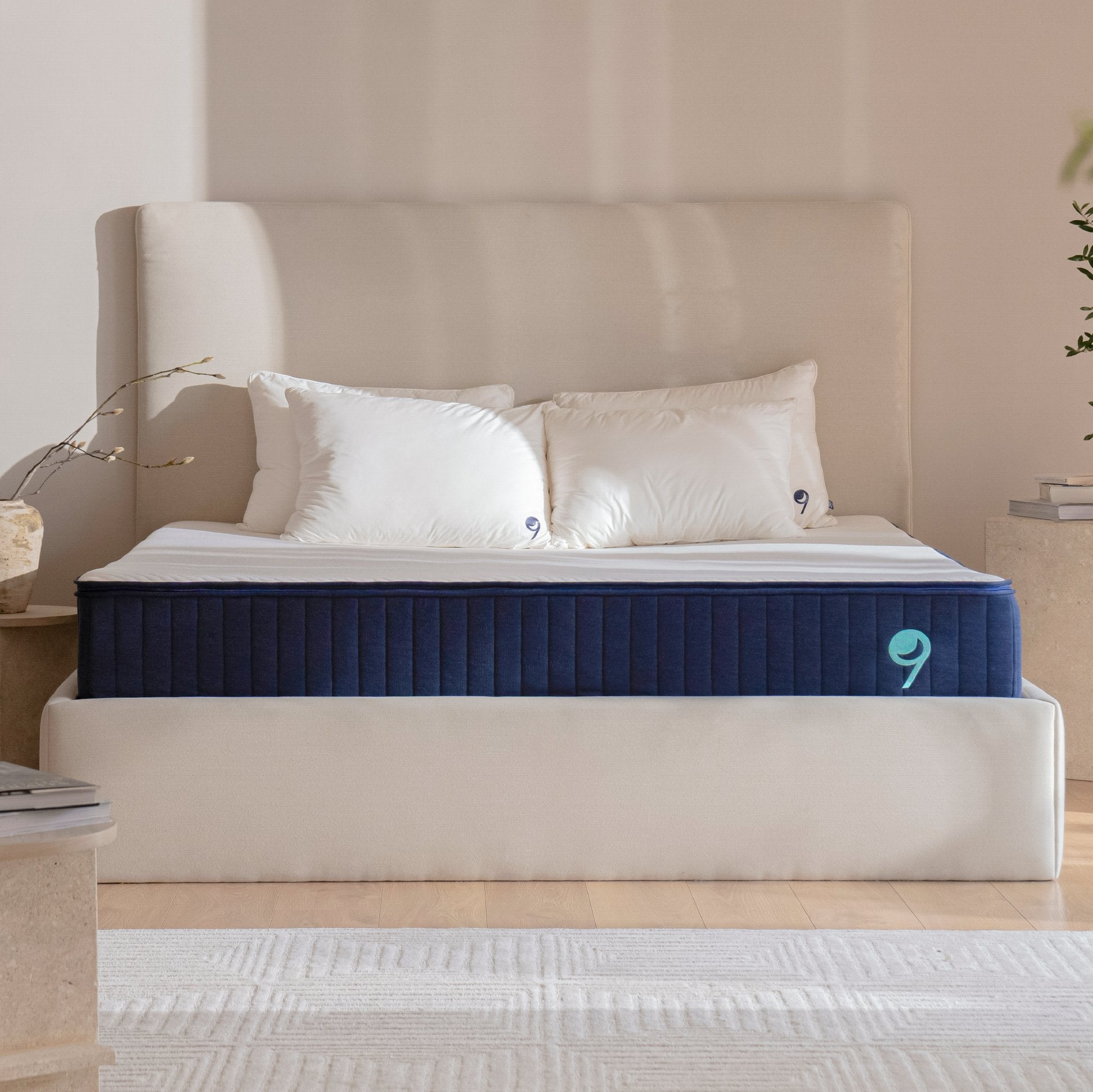
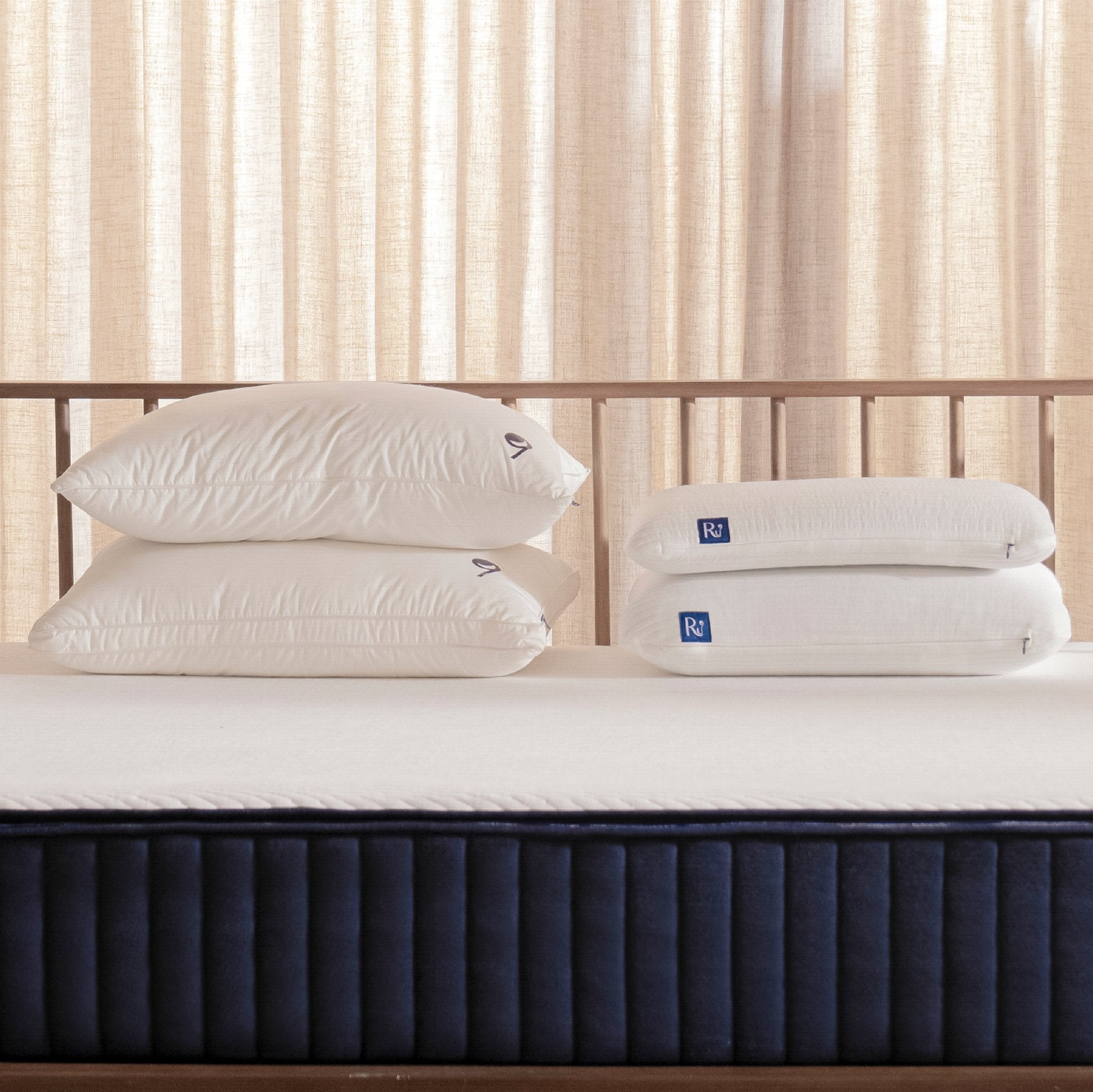
Ru9 mattresses are made from premium foam, having passed quality inspections, ensuring a good night's sleep for every family and being especially safe for health.

Premium Ru9 mattress for a good, deep sleep
Millions of foam particles are tightly linked yet breathable, creating elasticity and just the right softness while maintaining firmness. As a result, your spine will be supported along its natural curve, and you won't experience back pain upon waking. The mattress cover is made from breathable Tencel that absorbs moisture well, keeping the contact area dry and preventing sticky feelings that cause itching and restless sleep. A good night's sleep will bring positive energy.
Furthermore, the foam material has been tested for safety; it is a premium material that does not cause skin irritation, even for baby skin.
You can choose the Original mattress with a 3-layer foam structure, including an exclusive high-density Contour Foam layer that provides excellent elasticity. The second Memory Foam layer effectively relieves pressure, allowing you to lie comfortably without any pressure. Or you can choose the thinner Nest mattress with 2 layers of foam that is both soft and durable.
Above, the article has provided readers with some reasons for an itchy back when lying on a mattress and how to fix it. To ensure a good night's sleep, choose high-quality, premium Ru9 bedding sets.
Related articles:


