









Sleep is an important and indispensable part of a child's comprehensive development. Choosing the most comfortable and suitable mattress for your child is not an easy task. The following article will share essential information to help you understand what type of mattress is best for a baby.
1. The importance of a mattress for babies
Before answering the question of what type of mattress is best for a baby, let's understand the importance of good sleep and a good mattress for children. Good sleep helps children's physical and intellectual development in the most comprehensive way.
Sleep plays a very important role as it affects almost all aspects of a child's daily life, from mood and attention span to overall health.
Furthermore, during sleep, the body achieves its maximum growth rate. Pediatric experts have researched and indicated that children need to sleep between 8 and 12 hours each night, depending on their age.

Bones will continuously grow, causing joints and muscles to develop as well. During sleep, a child's body enters "recovery and repair mode," which is linked to reinforcing the development of joints and muscles.
This is essential and important for children because they always love to play, climb, and be mischievous all day. For children to be able to play freely and develop, you must ensure they get enough and restful sleep every night.
Recent studies have shown that toddlers can grow up to 1.5 cm taller each night. Owning a good mattress that provides excellent support is a crucial and mandatory factor for a growing child.
Old mattresses with unpleasant odors and weak support will hinder a child's development and compromise sleep quality. This is why a good mattress is worth far more than the money parents spend on it.
>> You might be interested in:
- Mattress firmness levels you need to know
- Top 9 quality soft mattresses that are most trusted
- Which mattress is coolest to sleep on for hot weather?
2. What type of mattress should you use for a baby?
So, what type of mattress should you use for a baby? Contrary to what parents often think, that soft mattresses should be chosen so that children don't feel uncomfortable while sleeping, the reality is that lying on a soft mattress for a long time will affect the physiological curvature of the baby's body. This is because children's bones are still developing.

Using an appropriate mattress helps children sleep better.
Using a soft mattress will cause a child's back to sag, creating a curved shape (hunchback), or worse, causing spinal deformities. If this happens, the child may have a hunched posture as an adult. Not only that, but improper support will also compress the nerve system, ligaments, and spinal joints. Over time, this will negatively affect musculoskeletal development, even causing bone and muscle deformities.
Pediatric experts agree that parents should choose mattresses with stable flatness and medium firmness—neither too hard nor too soft—with slight elasticity to keep the baby's spine in its natural physiological position, thereby promoting healthy and safe bone development. Some suitable mattress types for babies that parents can consider include:
2.1. Compressed fiber mattress

A compressed fiber mattress is a perfect choice for children
The core of a compressed fiber mattress is made of polyester fibers tightly compressed together into a complete block. The mattress has high firmness, a stable flat surface, and does not sag or dip deeply when lying on it. Compressed fiber mattresses are also chosen by many people due to their low price, compact size, and light weight.
The mattress also features convenient 2-fold or 3-fold designs that optimize your bedroom space. The product is also easy to clean and air out, saving busy parents a lot of time.
The mattress has a lifespan of about 3-5 years. This is the most suitable product for infants.
2.2. Spring mattress
The core of a spring mattress consists of a spring system made of stainless steel, covered by layers of lining fabric and utility layers. Spring mattresses have two main types: pocket spring mattresses and innerspring mattresses.
The mattress has high elasticity, good body support, and a longer lifespan than compressed fiber mattresses, ranging from 7-10 years. However, the mattress can be quite noisy when the sleeper moves or turns over during sleep. This can startle a child, interrupting their sleep. Although innerspring mattresses are cheaper, when buying a spring mattress, it is best to choose a pocket spring mattress over an innerspring one.

Additionally, thanks to its high elasticity, spring mattresses are very popular with children. This is because children love the feeling of bouncing on the mattress. These movements also partially support the child's height development.
2.3. Natural latex mattress
If you're asking what kind of mattress to use for a baby, you can't overlook natural latex mattresses.

Latex mattresses have moderate firmness, are not too soft or bouncy, and still provide natural support for the spine. Latex mattresses, especially natural latex mattresses, are always recommended by experts for the elderly, children, or anyone with bone and joint problems.
Furthermore, natural latex mattresses are made from 100% natural rubber sap, containing no harmful chemicals, making them very safe for a baby's skin and health.
2.4. Foam Mattress

The most outstanding advantage of foam mattresses is their exceptionally good support and elasticity. Foam mattresses help optimize a child's body weight support, keeping the spine in its natural position. Therefore, a foam mattress is a perfect choice for babies.
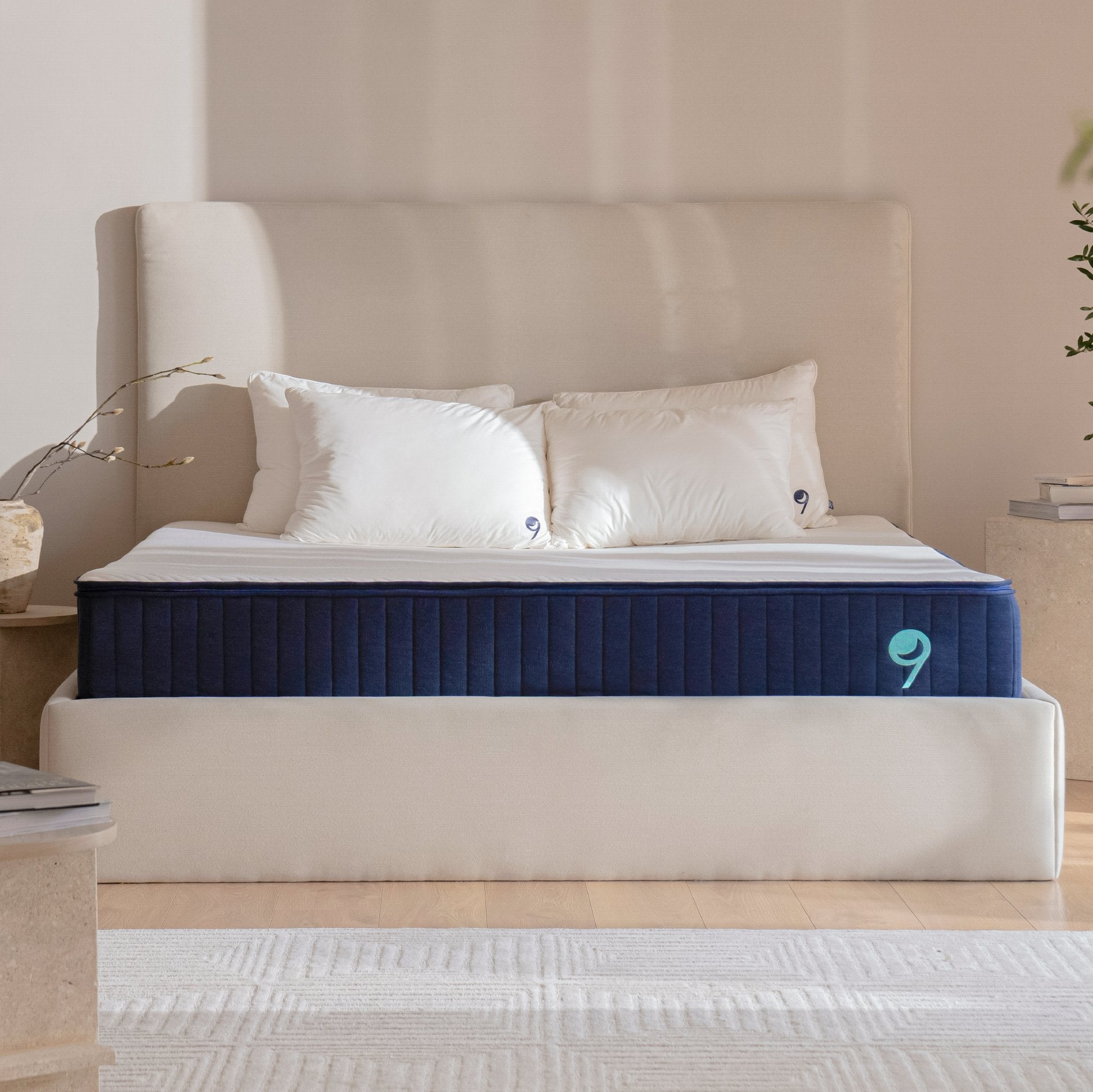
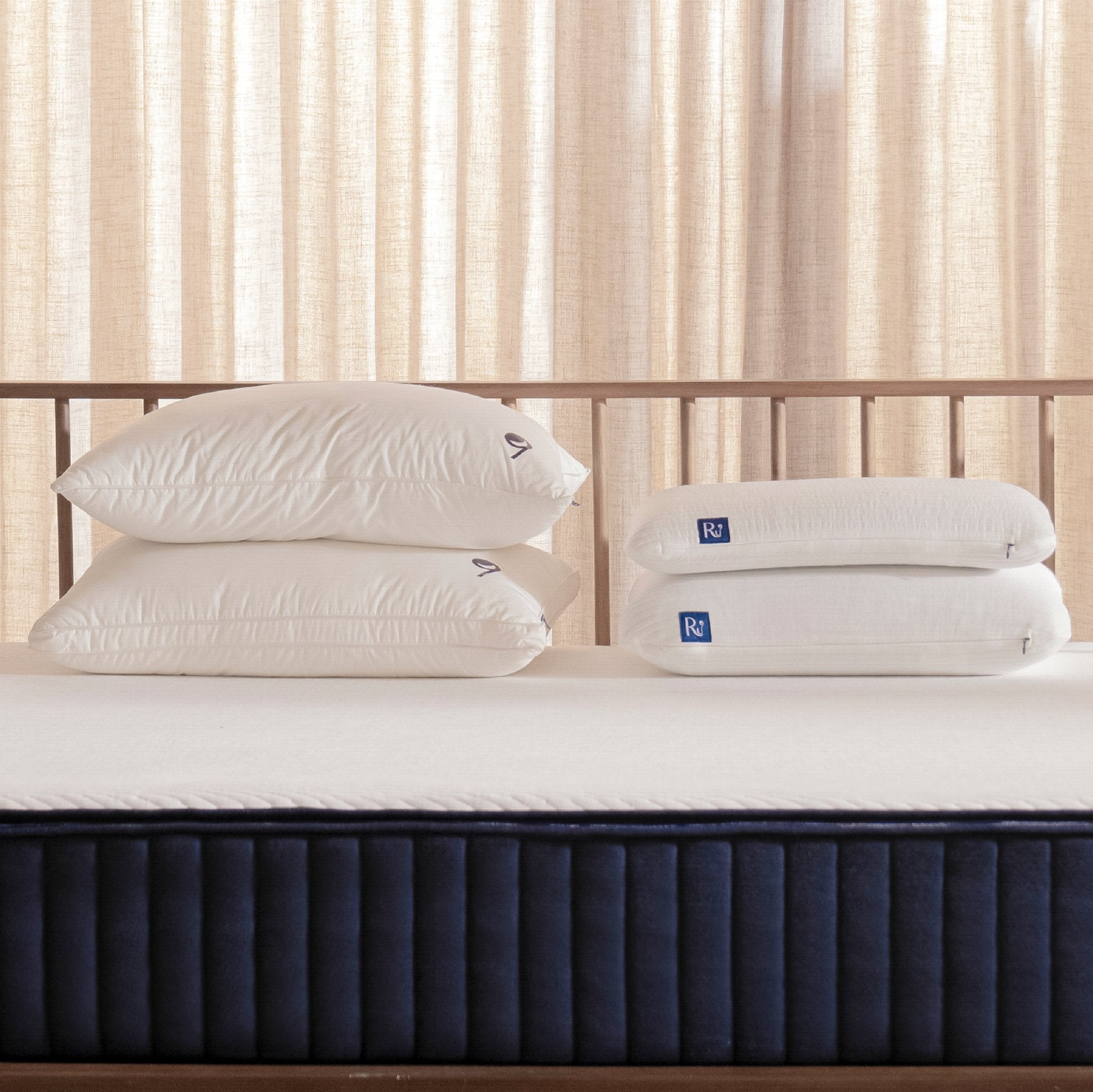
Parents should choose foam mattresses with moderate firmness, which will make the child feel comfortable without sinking too deeply. Some reputable and good foam mattress brands for children that parents can consider are: Ru9, Amando, Aeroflow, etc.
3. Tips for buying a mattress for a baby
3.1. Mattress size for children
The appropriate mattress size for children is extremely important, and parents should pay close attention to it. After you know what type of mattress to use for a baby, let's look at suitable mattress sizes for your child.
Some families may have difficulty finding a suitable mattress for their child because their home bed is not a standard size. Don't worry too much; currently, many mattress brands allow customers to choose and order a custom-sized mattress.
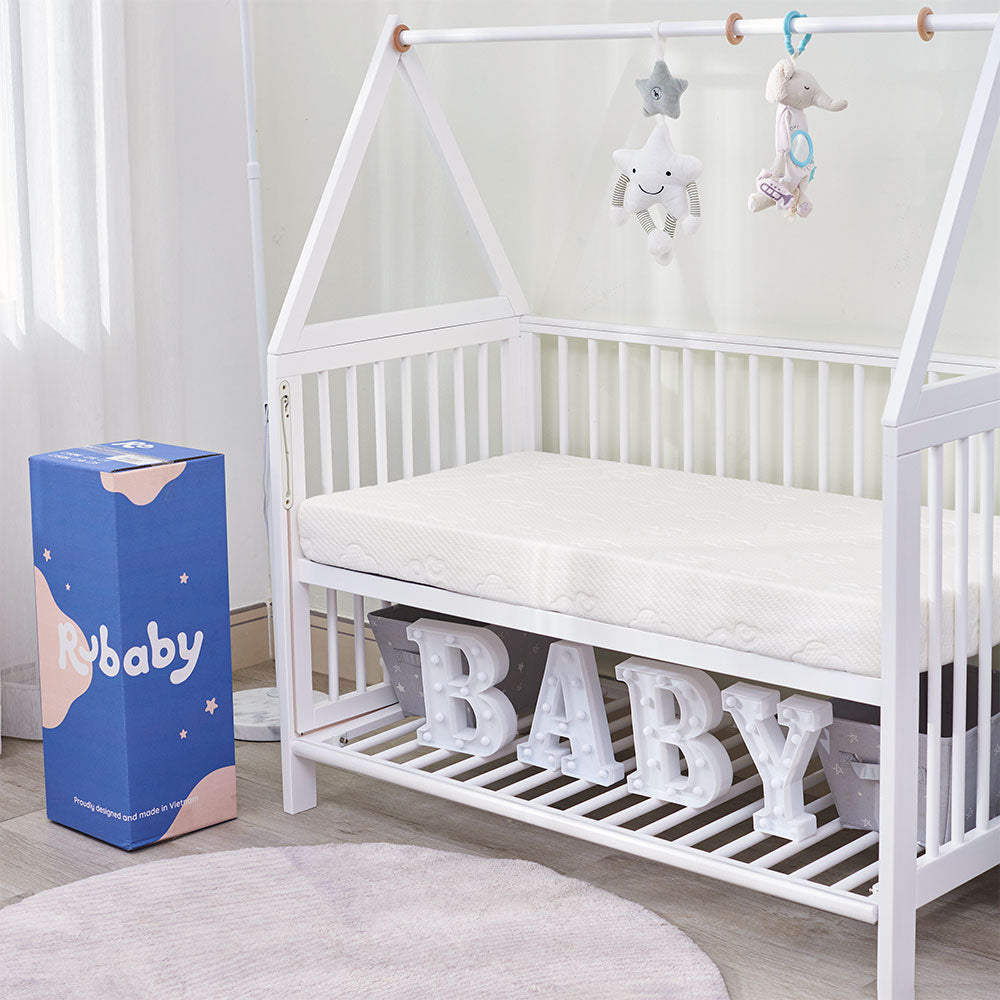
Don't try to force a mattress that is too large or too small for your child's bed, as this can make the child feel uncomfortable and uneasy when going to sleep. Some standard bed/crib sizes for children that you can consider are:
- 60cm x 1m2
- 70cm x 1m4
- 90cm x 1m9
- 90cm x 2m
- 68.5cm x 1m32
- 96.5cm x 1m905
- 1m x 1m9
3.2. Choose the correct firmness
For a baby, a bed is not just a place to sleep; it's also a place for them to happily bounce and play. Therefore, choosing a mattress with appropriate firmness is essential. A firm mattress will definitely support the baby's development during sleep, but if it's too firm, it won't be good. The best approach is to bring the child with you to the store so they can try out and choose the most suitable mattress for themselves.

3.3. Non-allergenic
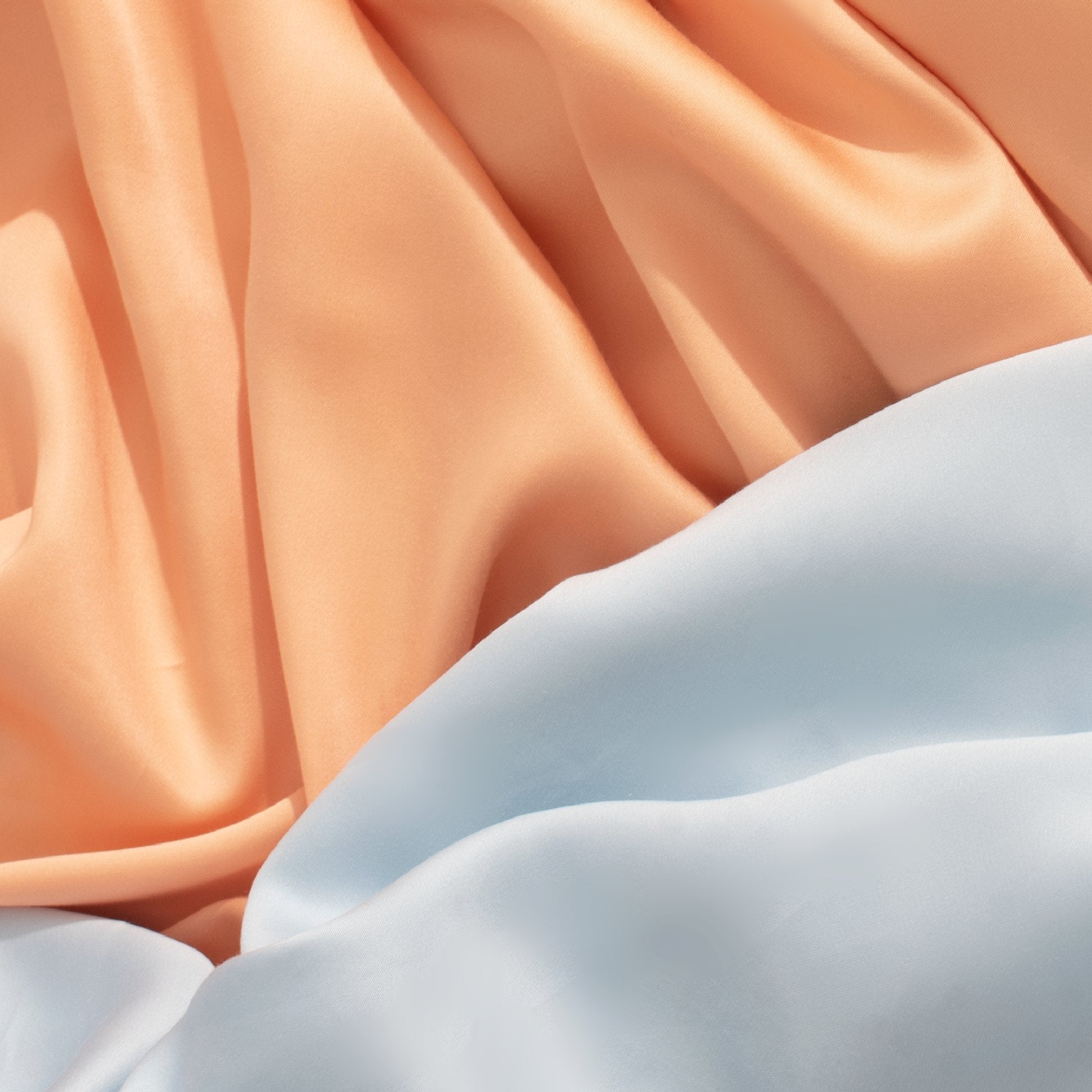
Children have very sensitive skin, so parents need to be extremely careful when choosing a mattress. Only choose mattresses with covers made from natural fabrics such as cotton, raw silk, or Tencel. Avoid using polyester or cotton poly fabrics, as they can feel hot and do not absorb sweat well.
3.4. Mattress protector
Parents should also consider buying a waterproof mattress protector. This is because children often wet the bed, and if not cleaned thoroughly, it can lead to odors and create conditions for harmful mold to appear. Using a mattress protector on top will help extend the lifespan of the mattress and make cleaning easier.
>> You might be interested in:
- Detailed review and advice on mattresses for people with back pain
- Which mattress is good for the spine? How to choose an anti-back pain mattress
- Review of mattresses for people with herniated discs
4. Where to buy a mattress for a good night's sleep for your baby
With the mission of protecting the sleep of Vietnamese consumers, Ru9 has been continuously developing and increasingly asserting its position in the bedding industry market.
All Ru9 mattress products are manufactured using the most modern and advanced technology and techniques. They use healthy and environmentally friendly materials. The product prices are also very reasonable. Ru9 is proud to be one of the best quality mattress retailers in Vietnam.
If you are wondering where to buy a good mattress for your baby, come to Ru9 for dedicated care and consultation.
With the helpful information shared above, you have certainly found the answer to the question "What kind of mattress should I use for my baby?" I hope you will choose the most suitable and best mattress for your baby.


