












During pregnancy, the weight of the fetus puts pressure on the spine and pelvic area, causing expectant mothers to constantly feel numb and achy throughout their bodies. Stretching, standing on tiptoes, and reaching are sometimes habits of pregnant women to find comfort and relieve numbness and aches. However, folk beliefs suggest that these actions are forbidden. So why shouldn't pregnant women reach, or should pregnant women stretch? Ladies, please read the article below to learn more about this!
1. Why shouldn't pregnant women reach?
Why shouldn't pregnant women reach? Our ancestors often strictly forbade pregnant women from reaching, standing on tiptoes, or stretching their arms high because it could cause the baby to have the umbilical cord wrapped around its neck, also known as nuchal cord.
However, there is no scientific evidence to prove that the above folk belief is accurate. Obstetricians and gynecologists state that there are various causes for a nuchal cord, but primarily it is due to the mother's biological structure and the baby's activity in the womb. If the baby is healthy and active, constantly turning and moving in the mother's womb, the possibility of a nuchal cord is very high. Additionally, if the umbilical cord is unusually long or has a weak structure, the baby is also more prone to having the cord wrapped around its neck. The symptom of a nuchal cord can occur at any time during pregnancy, not just when the pregnant mother stretches.
So, should pregnant women stretch, can they reach high or extend their bodies? Although not a cause of "nuchal cord," doctors do not encourage pregnant mothers to perform these actions while standing. The reason is that when pregnant women stand on tiptoes, stretch, or reach high, there is a high risk of dangerous situations for both mother and baby. During pregnancy, the body becomes heavier and the belly grows larger, so standing and stretching puts all the weight on the toes, easily leading to loss of balance and falls. Furthermore, if the mother reaches for objects overhead, there is also a risk of heavy objects falling on her.
In summary, it is best for pregnant women to limit actions like standing and stretching, reaching high, or standing on tiptoes to ensure the safety and health of both mother and baby.
On the other hand, some pregnant women have a habit of stretching at night or when waking up. In this case, stretching does not pose a danger to the mother and baby; in fact, it can help the body relax comfortably and improve blood circulation to the limbs. This is considered quite beneficial for the health of pregnant women and the development of the fetus.

Moreover, pregnant women are encouraged to do so to help strengthen their abdominal muscles. The stronger a woman's abdominal muscles are during pregnancy, the more they help reduce back pain as the belly grows larger each day.
However, in some cases, pregnant women stretching in their sleep can cause contractions leading to stomach pain. In fact, many people may experience cramps when stretching and extending their muscles. This happens due to excessive muscle tension when the pregnant mother changes position.
2. Some notes for pregnant women who stretch in their sleep
Stretching in sleep during pregnancy is a normal need for women to relieve aches and numbness. However, to avoid cramps or contractions causing stomach pain or affecting the fetus, pregnant mothers should pay attention to the following:

Pregnant mothers need to pay attention to stretching correctly and avoid sudden changes in posture.
- Stretch slowly to allow the body to gradually adapt, avoiding sudden changes in posture, which can cause muscle spasms and lead to more painful cramps.
- Choose to lie on your left side as it is good for blood circulation and provides better nutrition to the baby.
- Use a body pillow from Ru9 when sleeping: There are many body pillows on the market that pregnant mothers can use to rest their legs or support their backs while lying down. This will lead to better sleep for pregnant mothers and prevent back pain or numbness throughout the body.
- Exercise regularly every day with gentle movements suitable for your physical condition.
- Go to bed and wake up at regular times, allocate time for proper rest and relaxation, and avoid stress.
- Build a scientific and balanced diet suitable for the needs of pregnant women and beneficial for the development of the fetus.
3. Some forbidden postures and actions for pregnant women
Health experts believe that standing on tiptoes, stretching, and reaching high can pose a risk of falling for pregnant women. Additionally, pregnant women should also avoid or limit other postures and actions such as:
- Squatting: Squatting puts pressure on the uterus and the baby. Pregnant mothers should ideally sit on a chair with a backrest.
- Lying on your back: As the pregnant belly grows, lying on your back puts significant pressure on the spine and the inferior vena cava. This causes aches, back pain, and reduces blood flow to the fetus.
- Climbing: Pregnant mothers should absolutely not climb trees, ladders, or chairs, as a slip and fall could endanger both mother and child.
- Bending over: Bending at the waist compresses the spine and abdomen, worsening the back pain and aches experienced by pregnant mothers.
- Carrying heavy objects or performing strenuous actions: The aforementioned actions can easily make pregnant mothers tired, cause back pain, and increase the risk of premature birth.
- Standing or sitting for too long: This can compress blood vessels, leading to poor circulation, easily causing varicose veins or swollen feet.
4. Best solutions for a good night's sleep during pregnancy
To alleviate body aches and numbness during pregnancy and improve sleep quality, in addition to regular exercise, women should choose a soft and relaxing mattress.
A mattress with appropriate firmness will be the best solution for the health and sleep of pregnant mothers. Currently, there are many different mattress products on the market, but Ru9 mattresses are highly regarded and well-received by the market for their safety, effectiveness, and excellent quality.

Ru9 mattress: a comprehensive solution for the health and sleep quality of pregnant mothers.
The memory foam mattresses from the Ru9 brand, such as Nest mattress, Topper roll-up mattress, and Original mattress, are considered the safest and most effective solutions for pregnant mothers' health. This is because Ru9 mattresses are researched and made from artificial foam material that provides gentle support, alleviating back pain, neck pain, and shoulder pain.
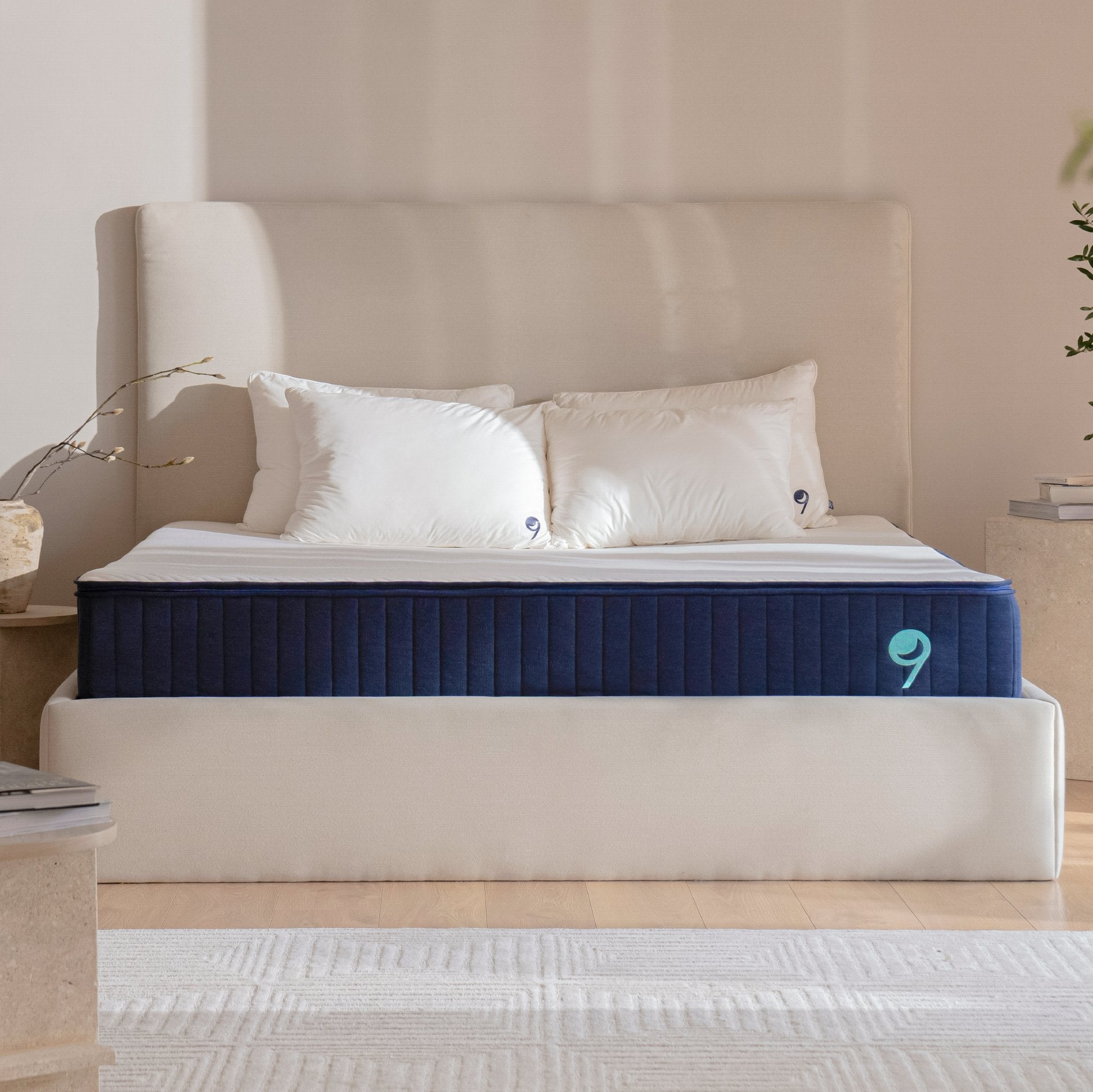
Especially, the Original mattress with its multi-layer structure and just the right firmness will bring pregnant mothers an extremely comfortable and relaxing feeling. Lying on a Ru9 mattress, pregnant mothers will not feel numb or sink in like with some common foam or compressed cotton mattresses.
The open cell structure of millions of Memory Foam bubbles in the Ru9 Original mattress effectively dissipates pressure. This ensures that the pregnant mother's body does not experience any reactive force when lying down, supporting the body and spine along their natural curves, providing a comfortable and soft sleep throughout the night.
Therefore, to improve discomfort, aches, and numbness during pregnancy, women should choose a high-quality and health-safe mattress from the Ru9 brand.
Contact information for free consultation or to purchase a mattress for pregnant women:
Ru9 HCMC
- Address: 283A Hai Bà Trưng, Ward 8, District 3, Ho Chi Minh City
- Phone number: 0964777910
Ru9 Hanoi
- Address: 71 Tràng Thi, Hàng Bông, Hoàn Kiếm, Hanoi
- Phone number: 0964777940
Hopefully, the information shared above will help women find answers to whether stretching in sleep during pregnancy is okay. It also aims to provide the best solutions for sleep quality and health during pregnancy, helping them get through the pregnancy safely and healthily.
Related articles:
- Is it okay for pregnant mothers to stay up late in the first trimester?
- Sleeping positions to reduce back pain for pregnant mothers
- Ways to treat insomnia for pregnant women in the last trimester
- How to fold a towel to make a pillow for newborns
- Should you buy a mattress topper? Pros, cons, and uses


