









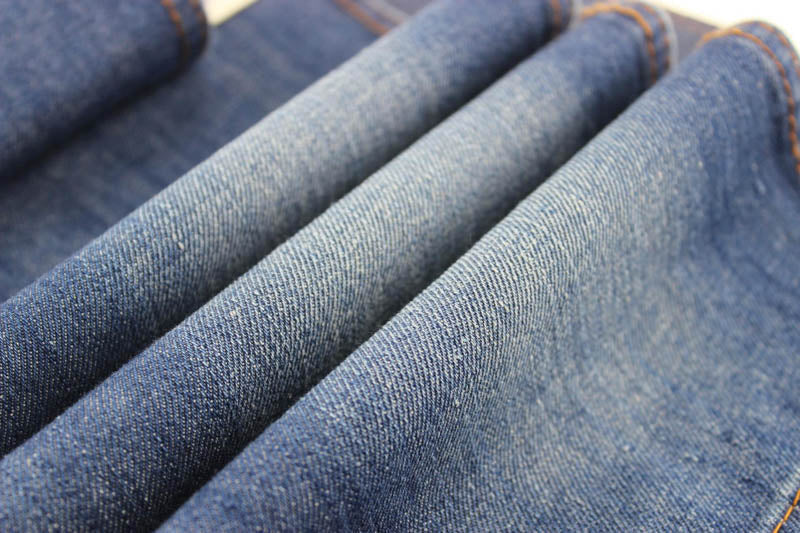
Denim is a durable and beautiful fabric that offers a unique and modern style, especially popular in fashion. However, many people are still unclear about the characteristics and advantages of denim fabric. In this article, ru9 will help you understand more about what denim fabric is, from how to distinguish it to why it has become a favorite choice for young people. Let's explore!

1. What is denim fabric?
Denim is a type of fabric woven in a twill pattern using two types of yarn: white horizontal threads and indigo vertical threads, made of 100% cotton, making it very durable and quite stiff.
Because it is woven from two yarn colors, denim usually has two sides with different colors: one indigo blue and one light-colored. High-quality denim today is blended with polyester and lycra fibers to prevent shrinking and wrinkling more effectively. Currently, this is one of the most produced materials in the world.

What is denim fabric?
2. History of denim fabric development
Denim fabric originated from "serge de Nîmes," a fabric first woven in Nîmes, France. By the late 18th century, it was introduced to America and dyed with indigo to create blue jeans, cotton pants, and many other products.

The origin of denim fabric
Initially, denim clothing was mainly for workwear. Over time, it gradually became popular and appeared frequently in Hollywood movies. When World War II began, jeans production slowed down. However, after the war, many companies innovated and introduced more creative denim designs.
3. Popular types of denim fabric today
3.1. Dry denim
Dry Denim fabric is dyed a deep dark blue, not washed after dyeing but has been pre-treated to soften the fabric and reduce shrinkage. This type of denim fabric is prone to fading and losing its shape when washed.
3.2. Raw denim
Raw Denim is the original fabric, not subjected to any treatment after dyeing, therefore it is often very thick, stiff, and rough when newly purchased. Raw denim will gradually soften and fade, creating unique patterns with frequent washing.
3.3. Selvage denim
Selvedge Denim, also known as loom-woven denim, is a fabric woven on a shuttle loom, with an un-dyed white stripe along the edge, making it very strong and resistant to fraying. The term "selvedge" means "self-edge," referring to the technique of self-binding the fabric edge during weaving. As a result, Selvedge Denim is considered one of the most durable and aesthetically pleasing denim materials.

Current classifications of what denim fabric is?
4. What is the denim fabric production process?
-
Step 1: Cotton is harvested, ginned, and baled. Then, the cotton is divided into small bags and sent to the production process. The raw cotton pieces are processed into small sections ready for weaving.
-
Step 2: Cotton is fed into a spinning machine to create soft cotton fibers.
-
Step 3: A portion of the cotton fibers is dyed indigo using traditional methods, creating indigo yarn, while the rest remains white, creating white yarn.
-
Step 4: The indigo and white yarns are then woven together to form denim fabric, with the indigo yarn as the warp and the white yarn as the weft. The warp threads are woven more tightly, creating the characteristic blue color of denim.
-
Step 5: After weaving, the denim fabric undergoes finishing treatment, including removing excess threads and lint before being rolled up and prepared for shipping.
Note: During tailoring, denim fabric is stacked in multiple layers, cut according to the design, and sewn together as required. Finally, denim garments are often rewashed with industrial detergents to soften the fabric and improve its suppleness.
5. Analysis of the advantages and disadvantages of denim fabric
Overall, Jeans fabric can be considered an improved version of Denim, designed to meet the fashion needs of consumers. Therefore, they have the following advantages and disadvantages:
What are the advantages of denim fabric?
High durability: The special structure and tight weaving technique help the cotton fibers in Denim and Jeans bond thickly and firmly, providing high durability compared to other fabrics. Moreover, thanks to this connection, both types of fabric maintain a more stable shape than many other fabrics currently available.
Aesthetics: Denim and Jeans are popular choices for many people due to their distinctive "rugged" look. One of the reasons they are favored is their excellent wrinkle resistance, which helps minimize creases and folds in clothes. These characteristics have helped these two fabrics maintain a strong position in the fashion industry, despite the emergence of many new fabric types.
Easy to care for: The denim fabric production process includes polyester and lycra, which increases elasticity and reduces wrinkling. Therefore, denim fabric does not need to be ironed as frequently as other fabrics, making maintenance easier.

Denim fabric has many outstanding advantages
What are the disadvantages of denim fabric?
Poor stretchability: Denim and Jeans are not the optimal choice for those who need flexibility in movement, as both fabrics have very low elasticity. Although softness has been improved, the "stiff" nature of the fabric still makes it difficult for wearers to participate in sports or activities that require highly stretchable clothing.
Difficult to wash and clean: Denim and Jeans should not be washed too frequently or at high temperatures, as this can cause fading and reduce the fabric's durability. Additionally, because the fabric is quite thick, drying them takes more time than thinner, lighter fabrics.
6. Are Denim and Jeans the same thing?
Denim and Jeans are two common terms that most people know and use interchangeably. In reality, Denim and Jeans are not the same type.
- Denim refers to a type of fabric.
- Jeans refers to denim pants.
In other words, pants made from Denim are called Jeans, but Denim is also used to make other types of clothing and accessories.
Read more: What is Jeans fabric? Distinguishing Jeans fabric and Denim fabric from their essence

Distinguishing jeans and denim clothing
7. What are the applications of denim fabric?

Common applications of denim fabric
Currently, Denim fabric is widely used, especially in the fashion industry. Additionally, it is applied in the production of accessories and in the automotive industry.
-
In the garment industry: Denim fabric is widely used to produce jeans, jackets, shirts, shorts, overalls, athletic shoes, jumpsuits, skirts, etc. Besides apparel, Denim is also used to make belts, handbags, and many other accessories.
-
In interior design: Denim fabric is used to make lamp shades, sofa covers, bean bag chairs, etc., bringing diversity and richness to home decor.
-
In other fields: Denim is used in the production of bedding and even in the art field.
8. Guide to proper cleaning and care of denim fabric
8.1. Do not wash denim items too frequently when new
To keep Denim fabric durable and beautiful, you should limit washing it too frequently after purchase, as this can cause the fabric to fade quickly, lose its original appearance, and affect the durability of the fibers. Instead, wash it only when truly necessary and use a gentle washing method to better protect the material.
8.2. Use liquid detergent instead of strong powdered detergent
Because Denim fabric has a rather clingy surface, you should use liquid detergent instead of powdered detergent to protect the durability and color of the fabric. If powdered detergent does not dissolve completely, it can cling to the fabric, causing fading or affecting the quality of the fibers. Therefore, liquid detergent will be the best choice to avoid these problems.

Liquid detergent is recommended for denim items
8.3. Wash denim separately, do not mix with other types of clothes
Washing denim clothing with other types of clothes can easily cause the dye to run and stain light-colored garments such as white or pink fabrics. Not just with Denim, but most newly purchased clothes need to be washed separately, as their colors often fade easily in the first few washes. To avoid "dyeing blue" light-colored items, you should wash Denim fabric separately.
We hope this article has helped you understand denim fabric, from how to distinguish it to its advantages and care tips, so you can choose and care for your denim products in the best way possible.
Read more:
- What are the advantages of cotton material? What type of clothing is cotton suitable for?
-
What is Polyester fabric? Advantages and disadvantages of Polyester material
- What is acrylic fabric? Characteristics and applications
- What is Spandex fabric? Why is Spandex fiber often blended with other materials?


