










Why shouldn't pregnant women stretch, reach, or stand on tiptoes?
During pregnancy, the weight of the fetus puts pressure on the spine and pelvic area, causing expectant mothers to constantly feel numb and achy throughout their bodies. Stretching, standing on tiptoes, and reaching are sometimes habits of pregnant women to find comfort and relieve numbness and aches. However, folk beliefs suggest that these actions are forbidden. So why shouldn't pregnant women reach, or should pregnant women stretch? Ladies, please read the article below to learn more about this!
1. Why shouldn't pregnant women reach?
Why shouldn't pregnant women reach? Our ancestors often strictly forbade pregnant women from reaching, standing on tiptoes, or stretching their arms high because it could cause the baby to have the umbilical cord wrapped around its neck, also known as nuchal cord.
However, there is no scientific evidence to prove that the above folk belief is accurate. Obstetricians and gynecologists state that there are various causes for a nuchal cord, but primarily it is due to the mother's biological structure and the baby's activity in the womb. If the baby is healthy and active, constantly turning and moving in the mother's womb, the possibility of a nuchal cord is very high. Additionally, if the umbilical cord is unusually long or has a weak structure, the baby is also more prone to having the cord wrapped around its neck. The symptom of a nuchal cord can occur at any time during pregnancy, not just when the pregnant mother stretches.
So, should pregnant women stretch, can they reach high or extend their bodies? Although not a cause of "nuchal cord," doctors do not encourage pregnant mothers to perform these actions while standing. The reason is that when pregnant women stand on tiptoes, stretch, or reach high, there is a high risk of dangerous situations for both mother and baby. During pregnancy, the body becomes heavier and the belly grows larger, so standing and stretching puts all the weight on the toes, easily leading to loss of balance and falls. Furthermore, if the mother reaches for objects overhead, there is also a risk of heavy objects falling on her.
In summary, it is best for pregnant women to limit actions like standing and stretching, reaching high, or standing on tiptoes to ensure the safety and health of both mother and baby.
On the other hand, some pregnant women have a habit of stretching at night or when waking up. In this case, stretching does not pose a danger to the mother and baby; in fact, it can help the body relax comfortably and improve blood circulation to the limbs. This is considered quite beneficial for the health of pregnant women and the development of the fetus.
Stretching during sleep is a common habit for many pregnant women to change positions and relieve aches and pains.
Moreover, pregnant women are encouraged to do so to help strengthen their abdominal muscles. The stronger a woman's abdominal muscles are during pregnancy, the more they help reduce back pain as the belly grows larger each day.
However, in some cases, pregnant women stretching in their sleep can cause contractions leading to stomach pain. In fact, many people may experience cramps when stretching and extending their muscles. This happens due to excessive muscle tension when the pregnant mother changes position.
2. Some notes for pregnant women who stretch in their sleep
Stretching in sleep during pregnancy is a normal need for women to relieve aches and numbness. However, to avoid cramps or contractions causing stomach pain or affecting the fetus, pregnant mothers should pay attention to the following:
Pregnant mothers need to pay attention to stretching correctly and avoid sudden changes in posture.
Stretch slowly to allow the body to gradually adapt, avoiding sudden changes in posture, which can cause muscle spasms and lead to more painful cramps.
Choose to lie on your left side as it is good for blood circulation and provides better nutrition to the baby.
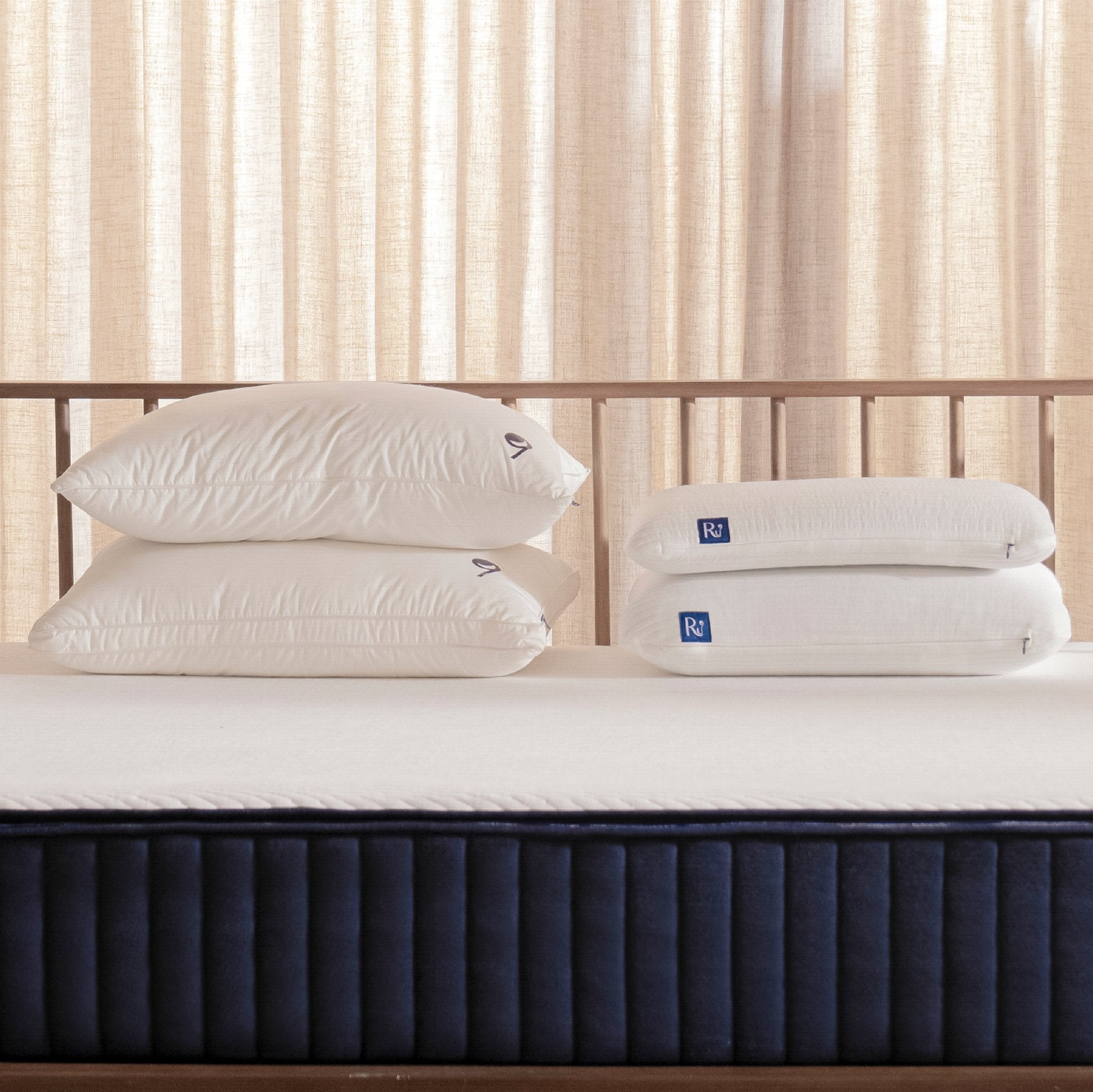
Use a body pillow from Ru9 when sleeping: There are many body pillows on the market that pregnant mothers can use to rest their legs or support their backs while lying down. This will lead to better sleep for pregnant mothers and prevent back pain or numbness throughout the body.
Exercise regularly every day with gentle movements suitable for your physical condition.
Go to bed and wake up at regular times, allocate time for proper rest and relaxation, and avoid stress.
Build a scientific and balanced diet suitable for the needs of pregnant women and beneficial for the development of the fetus.
3. Some forbidden postures and actions for pregnant women
Health experts believe that standing on tiptoes, stretching, and reaching high can pose a risk of falling for pregnant women. Additionally, pregnant women should also avoid or limit other postures and actions such as:
Squatting: Squatting puts pressure on the uterus and the baby. Pregnant mothers should ideally sit on a chair with a backrest.
Lying on your back: As the pregnant belly grows, lying on your back puts significant pressure on the spine and the inferior vena cava. This causes aches, back pain, and reduces blood flow to the fetus.
Climbing: Pregnant mothers should absolutely not climb trees, ladders, or chairs, as a slip and fall could endanger both mother and child.
Bending over: Bending at the waist compresses the spine and abdomen, worsening the back pain and aches experienced by pregnant mothers.
Carrying heavy objects or performing strenuous actions: The aforementioned actions can easily make pregnant mothers tired, cause back pain, and increase the risk of premature birth.
Standing or sitting for too long: This can compress blood vessels, leading to poor circulation, easily causing varicose veins or swollen feet.
4. Best solutions for a good night's sleep during pregnancy
To alleviate body aches and numbness during pregnancy and improve sleep quality, in addition to regular exercise, women should choose a soft and relaxing mattress.
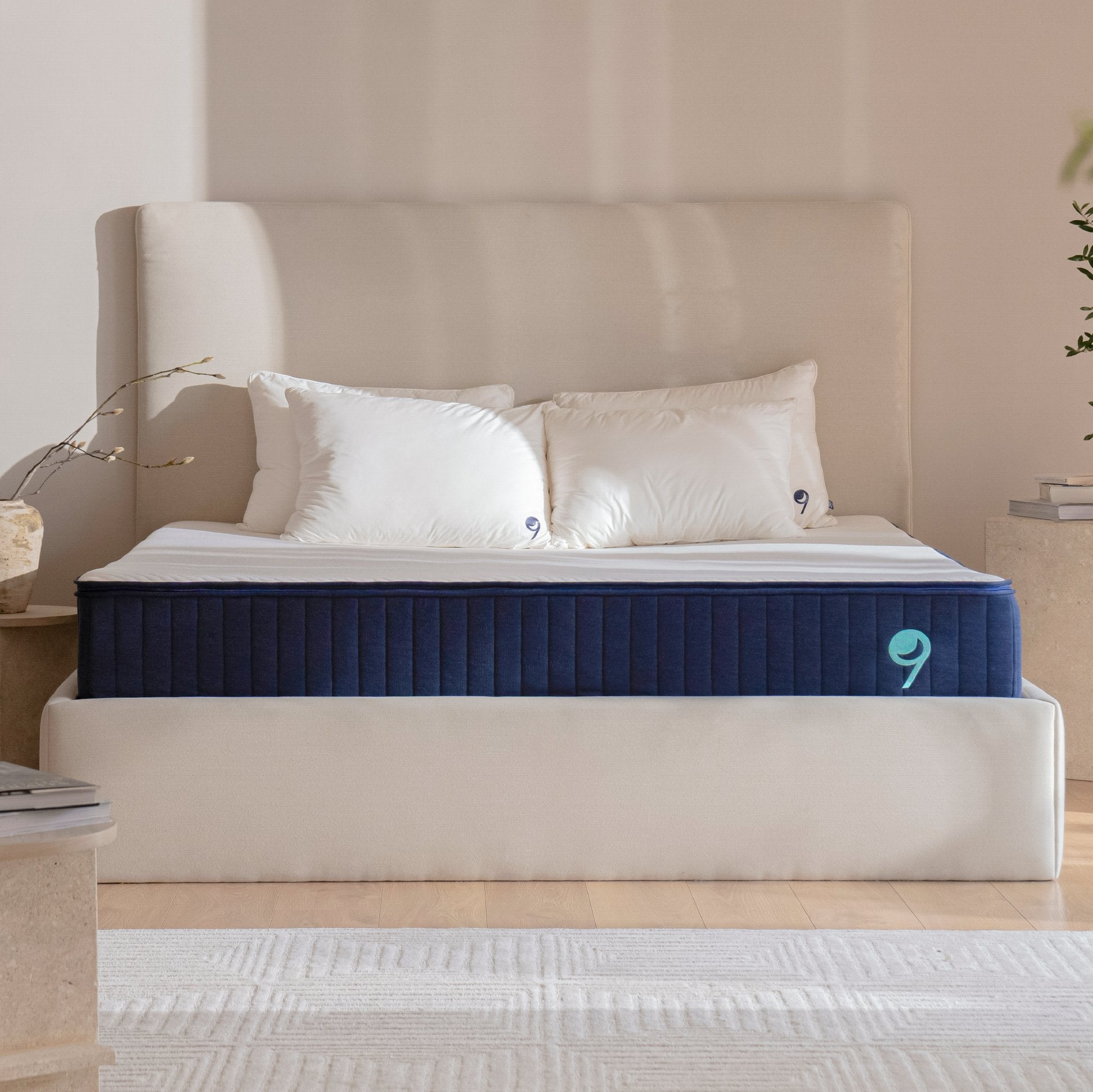
A mattress with appropriate firmness will be the best solution for the health and sleep of pregnant mothers. Currently, there are many different mattress products on the market, but Ru9 mattresses are highly regarded and well-received by the market for their safety, effectiveness, and excellent quality.
Ru9 mattress: a comprehensive solution for the health and sleep quality of pregnant mothers.
The memory foam mattresses from the Ru9 brand, such as Nest mattress, Topper roll-up mattress, and Original mattress, are considered the safest and most effective solutions for pregnant mothers' health. This is because Ru9 mattresses are researched and made from artificial foam material that provides gentle support, alleviating back pain, neck pain, and shoulder pain.
Especially, the Original mattress with its multi-layer structure and just the right firmness will bring pregnant mothers an extremely comfortable and relaxing feeling. Lying on a Ru9 mattress, pregnant mothers will not feel numb or sink in like with some common foam or compressed cotton mattresses.
The open cell structure of millions of Memory Foam bubbles in the Ru9 Original mattress effectively dissipates pressure. This ensures that the pregnant mother's body does not experience any reactive force when lying down, supporting the body and spine along their natural curves, providing a comfortable and soft sleep throughout the night.
Therefore, to improve discomfort, aches, and numbness during pregnancy, women should choose a high-quality and health-safe mattress from the Ru9 brand.
Contact information for free consultation or to purchase a mattress for pregnant women:
Ru9 HCMC
Address: 283A Hai Bà Trưng, Ward 8, District 3, Ho Chi Minh City
Phone number: 0964777910
Ru9 Hanoi
Address: 71 Tràng Thi, Hàng Bông, Hoàn Kiếm, Hanoi
Phone number: 0964777940
Hopefully, the information shared above will help women find answers to whether stretching in sleep during pregnancy is okay. It also aims to provide the best solutions for sleep quality and health during pregnancy, helping them get through the pregnancy safely and healthily.
Related articles:
Is it okay for pregnant mothers to stay up late in the first trimester?
Sleeping positions to reduce back pain for pregnant mothers
Ways to treat insomnia for pregnant women in the last trimester
How to fold a towel to make a pillow for newborns
Should you buy a mattress topper? Pros, cons, and uses
22/07/2025

Is it okay for pregnant women to stay up late during the first trimester?
Sleeping too little, lack of sleep, or insomnia during pregnancy is associated with many factors such as changes in hormone levels, stress, uncomfortable bedding, etc. If this condition prolongs, it will significantly affect the health of the pregnant mother and the baby. So, is it okay for pregnant mothers to stay up late in the first trimester? How can pregnant mothers improve their sleep quality? The information shared in the article below will be the best answer for pregnant mothers regarding this issue.
18/07/2025

Top 5 Mattress Types for Pregnant Women and Considerations When Choosing a Mattress
Mattresses for pregnant women play an important role in helping pregnant women get a good night's sleep and protecting the health of the fetus. Throughout pregnancy, a pregnant woman's body changes dramatically, especially the spinal system which is under a lot of pressure. Therefore, choosing the right mattress not only provides comfort but also ensures safety for both mother and baby. This article will answer the question of whether pregnant women should use mattresses and the best types of mattresses for pregnant women.
1. Benefits of Ru9 mattresses for pregnant women
During pregnancy, a woman's body changes, especially her bones and joints, making pregnant women feel tired and have difficulty sleeping. To reduce the heaviness and provide comfort, a mattress that supports the body is essential.
Ru9's mattresses for pregnant women are soft and comfortable, making them an ideal choice to help pregnant women get a good night's sleep and relax throughout their pregnancy.
The benefits of Ru9 mattresses for pregnant women include softness, body support, and reduced pressure on bones and joints, such as:
The mattress helps support the body, allowing the skeletal system to rest and relax, thereby helping pregnant women reduce burden and feel more comfortable when resting.
Reduces joint and bone problems such as back pain, hip pain, and aches and pains commonly experienced by pregnant women.
Ru9 mattress lines with effective temperature regulation capabilities help pregnant women's bodies stay stable, reducing feelings of heat and discomfort, and providing comfort and coolness when used.
Ru9 mattresses stand out for their high-quality materials and advanced production technology, ensuring leading quality standards. The product not only provides softness and safety for the user's health but also has superior antibacterial properties, preventing skin irritation and minimizing the growth of harmful bacteria. Thanks to this, pregnant women can enjoy a clean, safe resting environment.
With the outstanding benefits that Ru9 mattresses offer, the answer to whether pregnant women should use a mattress is completely clear. Choosing the right mattress not only helps protect the mother's health and body but also supports the comprehensive and stable development of the fetus.
You can refer to some mattress models for pregnant women at Ru9:
Orginal Pro Foam Mattress
Original Foam Mattress
Nest Foam Mattress
Hybrid Ru9 Spring Mattress
2. Criteria for choosing the best mattress for pregnant women
Here are the criteria for you to choose the best mattress for pregnant women:
2.1. Support
To get deep sleep and avoid aches and pains, keeping your spine aligned is crucial. During pregnancy, a woman's mattress needs change with her sleeping position, especially as her belly grows. Women often shift from sleeping on their back or stomach to sleeping on their side. However, sleeping on your stomach is not an appropriate position during pregnancy due to pressure on the abdomen and fetus. Therefore, choosing a mattress that provides good support for side sleeping is essential to reduce pressure and help pregnant women feel more comfortable.
When sleeping on her side, a pregnant woman needs to pay attention to reducing pressure on the side of her body, as this area bears a lot of weight, which can easily cause discomfort and restlessness. A mattress that conforms to the body will help reduce tension, but it is not an ideal choice for pregnant women, as it will be difficult to move on an overly "conforming" mattress when needing to get up to use the restroom.
2.2. Breathability
Due to hormonal changes, pregnant women often become sensitive to temperature. Although Memory Foam effectively reduces pressure, its breathability is not high, which can easily cause you to wake up soaked in sweat. Therefore, pregnant women need to choose a mattress with good heat dissipation throughout the night. Mattresses for pregnant women such as spring, latex, and compressed cotton mattresses are considered ideal solutions to keep the body comfortable and cool.
2.3. Firmness
The firmness of a mattress for pregnant women is determined by the blend ratio of materials, aiming to ensure spinal support and pressure relief, providing optimal comfort. If the mattress is too soft, you will sink in easily, making it difficult to turn over, especially for pregnant women who frequently change positions. On the other hand, a mattress that is too firm creates too much pressure on the body and is not an ideal choice for pregnant women.
The ideal firmness for a mattress for pregnant women is usually recommended to be firm to medium-firm, as they provide a suitable balance for most body types. However, choosing the right mattress also depends a lot on the individual's body size and sleeping position. It should be noted that the firmness level of a mattress is only a reference. Recommendations from consultants or manufacturers may not perfectly match your personal experience.
2.4. Height and durability
Many pregnant women have difficulty getting up due to their body weight shifting forward. If the mattress is too low, you will have to exert more effort to lift yourself up. Conversely, a mattress that is too thick can make you feel like you are sliding off the floor when trying to get up.
The thickness of a mattress is not always related to its durability. A 25cm thick mattress for pregnant women can last longer than a 40cm thick mattress. Therefore, you should pay attention to the internal materials to ensure the mattress is durable, not only throughout pregnancy but also for a longer period.
2.5. Motion isolation
When you need to get up at night to go to the bathroom or feed the baby, this can disturb your partner. However, Memory Foam, pocketed coils, latex, and compressed cotton all have effective vibration reduction capabilities, helping to minimize disturbance to the person sleeping next to you.
2.6. Noise
Some materials can make noise when you turn over, which is especially important to consider for pregnant women, as they are often sensitive to noise. Bare coil springs rubbing against each other are often the main cause of this problem.
2.7. Edge support
Firm mattress edges increase the usable sleeping surface, allowing pregnant women to lie near the edge without compromising support or causing sagging. This is an important factor, especially for mothers who sleep with their babies, helping to ensure comfort and safety when moving during sleep.
2.8. Cost
Pregnancy and childbirth come with many additional expenses. Although a mattress for pregnant women is an important investment, you don't need to spend too much. There are many affordable mattress options for pregnant women that ensure quality while saving costs.
3. What type of mattress is good for pregnant mothers?
Each type of mattress for pregnant women has its own characteristics, with both advantages and disadvantages. When shopping, you need to consider many factors, from spinal support to overall comfort. In fact, pregnant women often experience problems such as back pain, feeling hot, difficulty sleeping, and sometimes having to get up to use the restroom many times. A suitable mattress for pregnant women will help alleviate these discomforts, or at least not make the situation worse.
Additionally, the temperature control feature of the mattress helps pregnant mothers avoid feeling hot throughout the night. Motion isolation helps minimize sleep interruptions, especially when sleeping with others. Furthermore, edge support on the mattress is an important factor for those who often lie or sit near the edge of the bed.
Here are the top 5 types of mattresses for pregnant women worth buying today: Memory Foam mattresses, natural latex mattresses, pocketed coil mattresses, multi-layer mattresses, compressed cotton mattresses,....
Let's check out Ru9's detailed review of the pros, cons, and updated prices of each type of mattress!
3.1. Memory Foam mattress for pregnant mothers
Memory Foam mattresses are a modern and increasingly popular mattress line. Ru9 considers them one of the best types of mattresses for pregnant women due to their ability to conform to the spine's curves, relieve pressure on the body, and provide extreme comfort without making noise when sleeping.
Advantages:
Soft, conforms to the body's curves, helping to relieve pregnancy-related back pain
Reduces motion transfer, ideal for pregnant women who wake up at night
Supports shoulders, hips, and helps with side sleeping
Disadvantages:
The mattress retains heat, which can make pregnant women feel hot
The mattress smell may cause discomfort for sensitive pregnant women
Price: From 2 - over 20 million VND.
3.2. Good latex mattress for pregnant women
There are two main types of latex mattresses on the market: natural latex mattresses and synthetic latex mattresses. Among them, natural latex mattresses are benign, absolutely antibacterial, and have extremely high elasticity, providing the best and safest sleep for pregnant mothers.
Advantages:
Reduces pressure, keeps the spine straight, follows the body's curves
Supports throughout the 3 months of pregnancy, helping pregnant women turn over easily
More breathable and cooler
Disadvantages:
Difficult to get in and out of bed due to lack of edge support
May have a rubber smell when new
Heavy, difficult to move
Price:
Natural latex mattresses: 3 - 40 million VND
Synthetic latex mattresses: 1 - 15 million VND
3.3. Spring mattress for pregnant mothers
There are two popular types of spring mattresses on the market: pocket spring mattresses and Bonnell spring mattresses. Objectively speaking, although pocket spring mattresses are more expensive, they are much better for pregnant women than Bonnell spring mattresses. Pocket spring mattresses have a spring system that completely isolates sound and movement during sleep, making them extremely suitable for pregnant mothers who often toss and turn or wake up to use the restroom in the middle of the night.
Advantages:
Edge support makes it easy to get in and out of bed
Cool, reduces stuffiness
Regulates temperature, prevents heat retention
Pocket spring mattress perfectly isolates noise and vibration
Disadvantages:
Noise and shaking of Bonnell spring mattresses can disrupt sleep
Thin comfort layer, not soft enough
Prone to sagging and deformation over time
Price: From 3 million VND
3.4. Multi-layer mattress good for pregnant mothers
Multi-layer mattresses are a type of mattress that combines many materials, typically a spring system accompanied by foam or natural latex. As a result, the mattress possesses the advantages of many mattress types, while also compensating for their disadvantages. A good multi-layer mattress for pregnant women that you can consider is the Hybrid Ru9 mattress.
Advantages:
Soft, reduces pressure for pregnant women
Edge support increases surface area, making it easy to get in and out
Breathable, cool
Disadvantages:
Quite heavy
High price
May have an odor
Price: From 3 million VND
3.5. Compressed cotton mattress
Compressed cotton mattresses are actually not very suitable for pregnant mothers because they have a firm structure and can easily put pressure on the body. However, it is an economical option for young couples who need to save money for the future. In addition, some compressed cotton mattress models from major brands also have pretty good quality.
Advantages:
Maximum support, creating a firm feeling
Quiet, does not disturb sleep
Lightweight, easy to move
Disadvantages:
Prone to sagging, low lifespan
Creates pressure, especially in the last months of pregnancy
Price: From 1 - 9 million VND.
See more: Should pregnant women use a mattress topper?
4. Where to buy mattresses for pregnant women to ensure quality and price?
When looking for a mattress for pregnant women, choosing a reputable place to buy is very important to ensure reasonable quality and price. If you are wondering where to buy, Ru9 is the top choice. With high-performance Foam material and advanced production technology, Ru9 mattresses meet high quality standards, providing excellent comfort for pregnant women.
Ru9 also stands out with preferential policies such as nationwide free shipping, long-term warranty, and 0% interest installment plan, making it easy for you to own a quality mattress without worrying about finances. This is the perfect solution to help you find a quality Foam mattress that supports good and comfortable sleep for pregnant women.
Contact information:
Ho Chi Minh City Showroom
Address: 283A Hai Ba Trung, Ward 8, District 3, Ho Chi Minh City
Phone number: 0964777910
Hanoi Showroom
Address: 71 Trang Thi, Hang Bong, Hoan Kiem, Hanoi
Phone number: 0964777940
We hope the above information will help you choose the ideal mattress, providing deep sleep and improving the quality of life for pregnant women. If you have any further questions, do not hesitate to contact us for support and advice.
11/07/2025

Is Foam Mattress Good For Newborns?
Foam mattress is one of the mattresses that many people choose to use in the family. However, is a foam mattress good for babies? The following article will give you the detailed answer.
09/07/2025

Is a bed or a mattress better for a newborn to sleep on?
Newborns are often very sensitive to external factors, so adults need to be careful when caring for them. This is especially true for sleep, as most of a child's early life is spent sleeping or lying in bed. Related to this issue, many parents wonder whether it is best for newborns to sleep in a bed or on a mattress, and whether newborns should sleep on a mattress. If you have the same question, let's refer to the answers below with Ru9.
01/07/2025

Why does a 3-month-old shake their head in their sleep and how to address it
Any unusual signs in infants can easily make parents anxious. Some families observe their babies shaking their heads while sleeping and wonder if this phenomenon is normal. In this article, Ru9 will explain why 3-month-old babies shake their heads during sleep and suggest what parents should do when their child shakes their head while sleeping.
1. Why do 3-month-old babies shake their heads during sleep?
Babies shaking their heads during sleep is when they continuously turn their head and neck from left to right and vice versa (usually while lying on their back). Some babies place their hands on their forehead when shaking, causing their entire arm and upper body to move along.
By 3 months of age, babies have reached important developmental milestones related to reflexes and motor skills, including head shaking during sleep. However, many parents still worry whether this is normal behavior for a child or related to a health issue. To answer that question, let's first find out why 3-month-old babies shake their heads during sleep with Ru9!
According to experts, the reasons why 3-month-old babies shake their heads during sleep are: The child is self-regulating their body to explore, the child is tired, teething, has otitis media, calcium deficiency, or some neurological problems.
The child is self-regulating their body
Infants shaking their heads during sleep can be a way for them to self-regulate their body. The 3-month-old stage is when their joints and muscles are developing, and they want to explore their body by imitating adult actions.
Tiredness
Babies shaking their heads during sleep at 3 months of age is a way for them to self-soothe when they feel tired. The rhythmic head-shaking motion stimulates the vestibular system, altering the child's state of arousal and helping them fall asleep more easily when tired.
Otitis media
Why do 2-month-old infants often shake their heads during sleep? Sometimes, otitis media causes itching and discomfort, leading the baby to continuously shake their head during sleep to feel more comfortable.
However, parents should observe whether head shaking is accompanied by fever, cold, flu, or other infections, to seek timely medical attention for their child.
Teething
Head shaking during sleep in 3-month-old babies while teething is quite common. Teething often causes fever and gum discomfort, and continuous head shaking helps the child feel more at ease.
Infants shake their heads during sleep due to calcium deficiency
If a child frequently shakes their head during sleep, accompanied by fussiness, night sweats, and hair loss, they may be calcium deficient. In this case, parents should pay attention to adjusting their child's diet.
Baby continuously shakes head during sleep due to neurological problems
If the frequency of head shaking during sleep is high, accompanied by dizziness, fussiness, and vomiting, it could be basic signs of brain and nervous system damage.
For an accurate diagnosis and to ensure the baby's safety, parents should take their child to a specialist for timely treatment.
2. Is it harmful if a child frequently shakes their head during sleep?
When parents notice their baby frequently shaking their head during sleep, they often worry if the child is uncomfortable or suffering from any illness.
To conclude whether it's harmful for an infant to continuously shake their head during sleep, one must consider the cause and accompanying symptoms of this phenomenon.
If a child shakes their head during sleep but remains healthy, doesn't cry excessively, doesn't refuse food, and develops normally, parents can rest assured. The reason the baby continuously shakes their head during sleep might be to explore themselves or to imitate and seek attention from adults.
However, if the baby frequently shakes their head during sleep and it's accompanied by abnormal signs such as fussiness, vomiting, dizziness, or fever, it could indicate an illness. Parents should take their child for a medical examination immediately for timely treatment.
If the child frequently shakes their head even when not sleeping, parents should not be complacent. First, parents can guide the child not to do so, and if the child continues this behavior, consider taking them for a check-up.
See more:
Is it dangerous if a newborn sweats a lot on their back while sleeping?
Is it dangerous if a child has a 39-degree fever but still sleeps well?
Should babies wear socks while sleeping in the summer?
3. What should parents do if an infant continuously shakes their head during sleep?
After worrying about why 3-month-old babies shake their heads during sleep, parents can follow these tips to help their child sleep better and reduce frequent head shaking:
Stop paying attention to the child: Instead of being overly concerned or protective, parents should stop paying attention and accept their child's reactions. Furthermore, if the child shakes their head to get attention from parents, your response will make them shake their head more.
Monitor the frequency and intensity of the child's head shaking: This helps parents identify the cause and take appropriate action. If the child's continuous head shaking does not subside, parents should quickly contact a doctor for support.
Parents should avoid shaking their heads in front of the child so that the child does not imitate them.
Change sleeping position: Parents can try changing the sleeping position to see if the child reduces the frequency of head shaking during sleep.
Encourage light exercise and play more with the child: Some movements and activities such as clapping, exercising, and massaging joints and muscles help babies relieve stress, relax their minds, and release excess energy, helping them sleep better.
Massage: Gently massage the baby with massage oils to help them feel more comfortable and also to soothe their reflexes.
Take the child for a check-up: If the child's head shaking during sleep occurs continuously, parents should take the child to the hospital for an accurate diagnosis and timely treatment.
4. Measures to help babies sleep better
When sleeping soundly and deeply, head shaking during sleep in children will also be regulated. Below are some ways you can apply to help your child sleep better and reduce continuous head shaking during sleep.
Relax before bed: Before going to bed, parents can tell stories, listen to music, give massages, or give warm baths to help the child relax and fall asleep more easily.
Adjust nutrition and diet: Parents should not overfeed their child or feed them too late in the evening to prevent reflux and bloating.
Adjust sleeping position: Regularly help the child change sleeping positions to prevent neck pain or headaches.
Prepare toys, "comfort pillows" for the child: Infants will feel safer and fall asleep more easily if they are near a familiar toy or bolster pillow.
Adjust the sleeping environment: Noise, dazzling light, unsanitary bedrooms, etc., can all be factors that reduce the quality of a child's sleep. Therefore, parents should adjust the sleeping environment, ensuring quietness, cleanliness, ventilation, and soft lighting for the child to have the most comfortable sleep, minimizing head shaking.
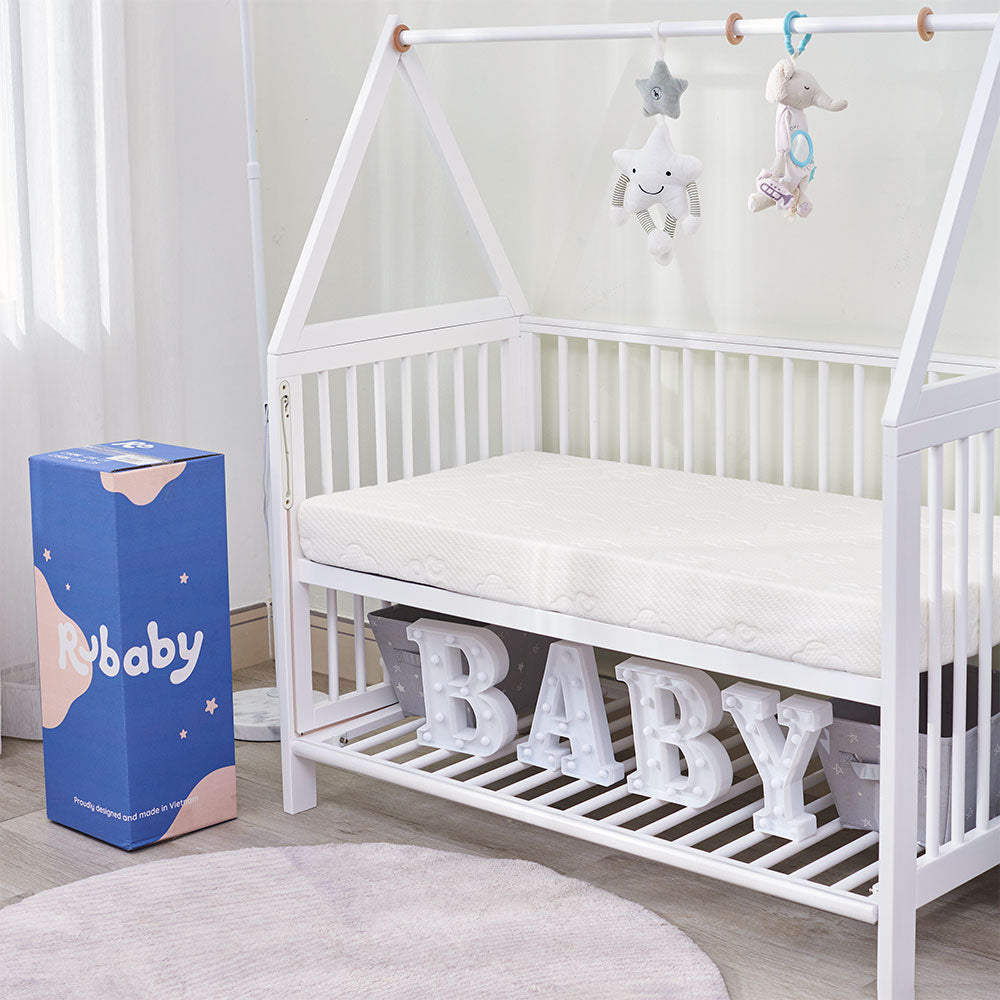
Prepare suitable blankets, pillows, and mattresses: Parents should choose safe, high-quality pillows and mattresses to help their child fall asleep more easily and deeply, preventing continuous head shaking. Parents can refer to the premium bedding brand Ru9 - a pioneering brand in using Foam material in manufacturing. Among Ru9's products for babies, the most prominent are the Niu pillow and Nest mattress, which are made from safe foam material and designed to support the body, helping babies sleep better and more deeply.
We invite customers to explore more about memory Foam mattresses and Ru9 mattress toppers
Conclusion
This answers the question of why 3-month-old babies shake their heads during sleep. Most infants do this to self-soothe, lull themselves to sleep, or imitate adults to explore their bodies. Parents do not need to worry too much; spend time playing with your child, engage in gentle activities, and provide comprehensive sleep care. However, if the baby shakes their head during sleep and exhibits abnormal symptoms, take them for a check-up promptly.
Related articles:
Should children wear hats while sleeping in winter?
8 ways to keep children warm while sleeping in winter
Should 10-year-olds sleep with their parents?
What to do if a child has a fever while sleeping?
Is it dangerous if a child has a 39-degree fever but still sleeps well?
Simple and effective ways to treat a child's cough while sleeping
13/06/2025


