










Any unusual signs in infants can easily make parents anxious. Some families observe their babies shaking their heads while sleeping and wonder if this phenomenon is normal. In this article, Ru9 will explain why 3-month-old babies shake their heads during sleep and suggest what parents should do when their child shakes their head while sleeping.
1. Why do 3-month-old babies shake their heads during sleep?

Babies shaking their heads during sleep is when they continuously turn their head and neck from left to right and vice versa (usually while lying on their back). Some babies place their hands on their forehead when shaking, causing their entire arm and upper body to move along.
By 3 months of age, babies have reached important developmental milestones related to reflexes and motor skills, including head shaking during sleep. However, many parents still worry whether this is normal behavior for a child or related to a health issue. To answer that question, let's first find out why 3-month-old babies shake their heads during sleep with Ru9!
According to experts, the reasons why 3-month-old babies shake their heads during sleep are: The child is self-regulating their body to explore, the child is tired, teething, has otitis media, calcium deficiency, or some neurological problems.
The child is self-regulating their body
Infants shaking their heads during sleep can be a way for them to self-regulate their body. The 3-month-old stage is when their joints and muscles are developing, and they want to explore their body by imitating adult actions.
Tiredness
Babies shaking their heads during sleep at 3 months of age is a way for them to self-soothe when they feel tired. The rhythmic head-shaking motion stimulates the vestibular system, altering the child's state of arousal and helping them fall asleep more easily when tired.
Otitis media
Why do 2-month-old infants often shake their heads during sleep? Sometimes, otitis media causes itching and discomfort, leading the baby to continuously shake their head during sleep to feel more comfortable.
However, parents should observe whether head shaking is accompanied by fever, cold, flu, or other infections, to seek timely medical attention for their child.
Teething
Head shaking during sleep in 3-month-old babies while teething is quite common. Teething often causes fever and gum discomfort, and continuous head shaking helps the child feel more at ease.
Infants shake their heads during sleep due to calcium deficiency
If a child frequently shakes their head during sleep, accompanied by fussiness, night sweats, and hair loss, they may be calcium deficient. In this case, parents should pay attention to adjusting their child's diet.
Baby continuously shakes head during sleep due to neurological problems
If the frequency of head shaking during sleep is high, accompanied by dizziness, fussiness, and vomiting, it could be basic signs of brain and nervous system damage.
For an accurate diagnosis and to ensure the baby's safety, parents should take their child to a specialist for timely treatment.
2. Is it harmful if a child frequently shakes their head during sleep?
When parents notice their baby frequently shaking their head during sleep, they often worry if the child is uncomfortable or suffering from any illness.
To conclude whether it's harmful for an infant to continuously shake their head during sleep, one must consider the cause and accompanying symptoms of this phenomenon.
If a child shakes their head during sleep but remains healthy, doesn't cry excessively, doesn't refuse food, and develops normally, parents can rest assured. The reason the baby continuously shakes their head during sleep might be to explore themselves or to imitate and seek attention from adults.
However, if the baby frequently shakes their head during sleep and it's accompanied by abnormal signs such as fussiness, vomiting, dizziness, or fever, it could indicate an illness. Parents should take their child for a medical examination immediately for timely treatment.
If the child frequently shakes their head even when not sleeping, parents should not be complacent. First, parents can guide the child not to do so, and if the child continues this behavior, consider taking them for a check-up.
See more:
- Is it dangerous if a newborn sweats a lot on their back while sleeping?
- Is it dangerous if a child has a 39-degree fever but still sleeps well?
- Should babies wear socks while sleeping in the summer?
3. What should parents do if an infant continuously shakes their head during sleep?

After worrying about why 3-month-old babies shake their heads during sleep, parents can follow these tips to help their child sleep better and reduce frequent head shaking:
- Stop paying attention to the child: Instead of being overly concerned or protective, parents should stop paying attention and accept their child's reactions. Furthermore, if the child shakes their head to get attention from parents, your response will make them shake their head more.
-
Monitor the frequency and intensity of the child's head shaking: This helps parents identify the cause and take appropriate action. If the child's continuous head shaking does not subside, parents should quickly contact a doctor for support.
- Parents should avoid shaking their heads in front of the child so that the child does not imitate them.
- Change sleeping position: Parents can try changing the sleeping position to see if the child reduces the frequency of head shaking during sleep.
- Encourage light exercise and play more with the child: Some movements and activities such as clapping, exercising, and massaging joints and muscles help babies relieve stress, relax their minds, and release excess energy, helping them sleep better.
- Massage: Gently massage the baby with massage oils to help them feel more comfortable and also to soothe their reflexes.
-
Take the child for a check-up: If the child's head shaking during sleep occurs continuously, parents should take the child to the hospital for an accurate diagnosis and timely treatment.

4. Measures to help babies sleep better
When sleeping soundly and deeply, head shaking during sleep in children will also be regulated. Below are some ways you can apply to help your child sleep better and reduce continuous head shaking during sleep.
- Relax before bed: Before going to bed, parents can tell stories, listen to music, give massages, or give warm baths to help the child relax and fall asleep more easily.
- Adjust nutrition and diet: Parents should not overfeed their child or feed them too late in the evening to prevent reflux and bloating.
- Adjust sleeping position: Regularly help the child change sleeping positions to prevent neck pain or headaches.
- Prepare toys, "comfort pillows" for the child: Infants will feel safer and fall asleep more easily if they are near a familiar toy or bolster pillow.
- Adjust the sleeping environment: Noise, dazzling light, unsanitary bedrooms, etc., can all be factors that reduce the quality of a child's sleep. Therefore, parents should adjust the sleeping environment, ensuring quietness, cleanliness, ventilation, and soft lighting for the child to have the most comfortable sleep, minimizing head shaking.
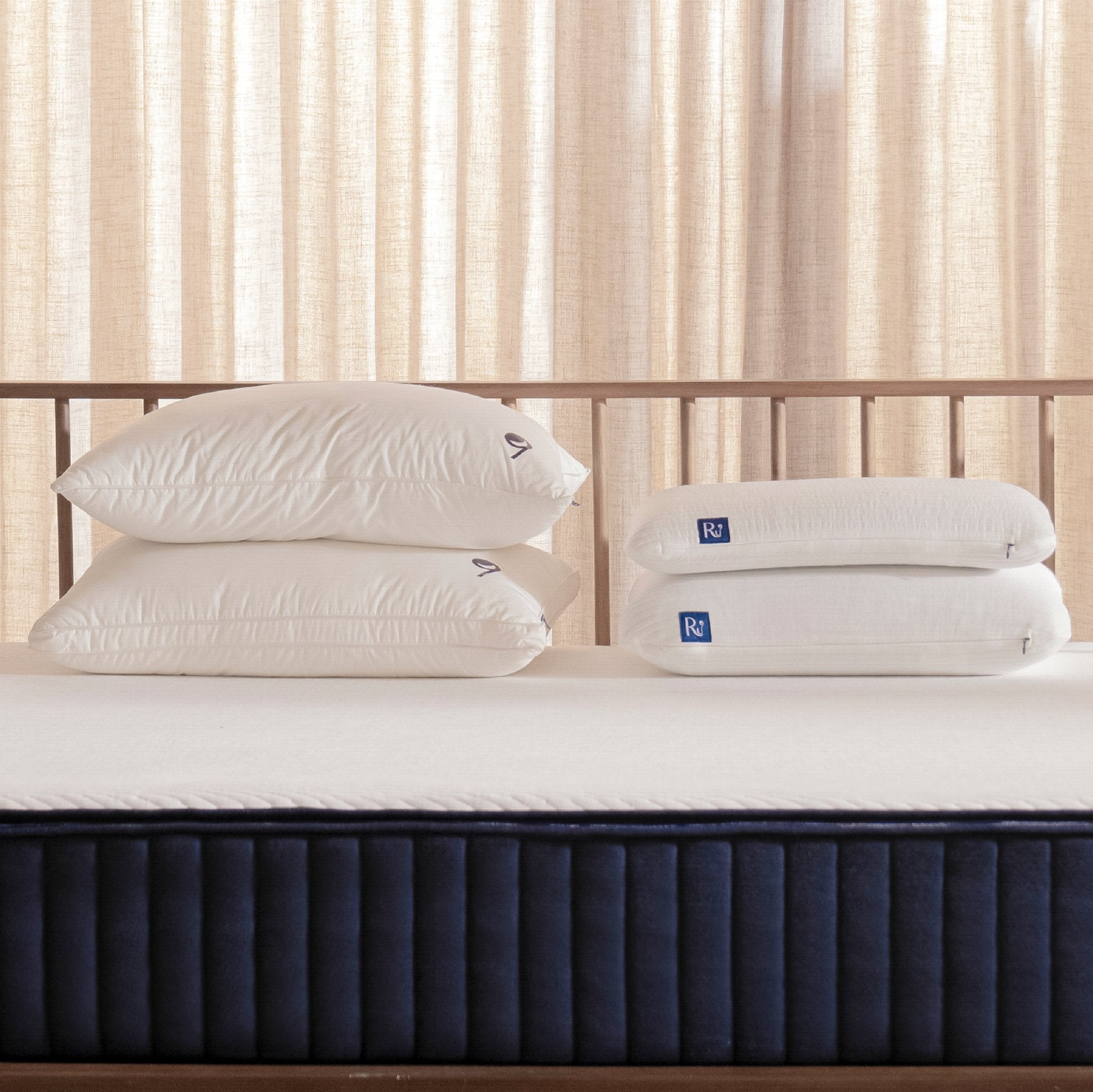
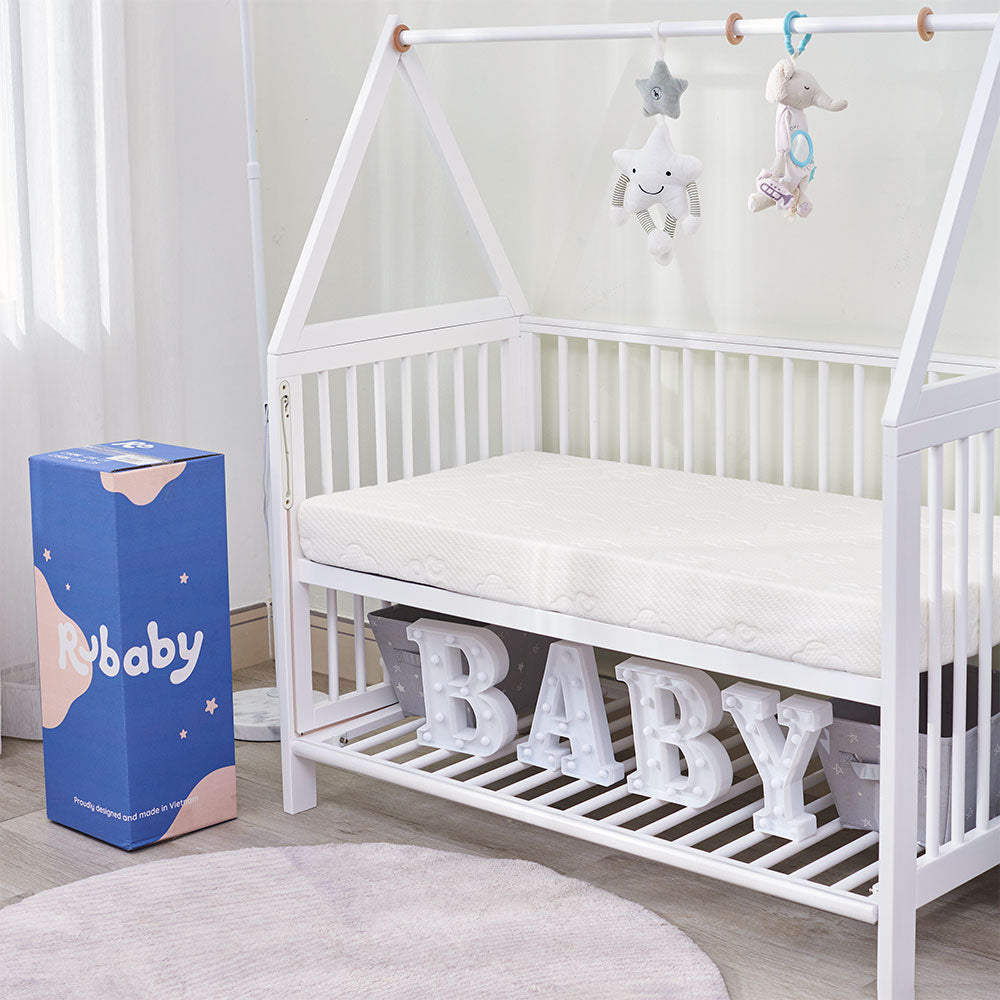
- Prepare suitable blankets, pillows, and mattresses: Parents should choose safe, high-quality pillows and mattresses to help their child fall asleep more easily and deeply, preventing continuous head shaking. Parents can refer to the premium bedding brand Ru9 - a pioneering brand in using Foam material in manufacturing. Among Ru9's products for babies, the most prominent are the Niu pillow and Nest mattress, which are made from safe foam material and designed to support the body, helping babies sleep better and more deeply.
We invite customers to explore more about memory Foam mattresses and Ru9 mattress toppers
Conclusion
This answers the question of why 3-month-old babies shake their heads during sleep. Most infants do this to self-soothe, lull themselves to sleep, or imitate adults to explore their bodies. Parents do not need to worry too much; spend time playing with your child, engage in gentle activities, and provide comprehensive sleep care. However, if the baby shakes their head during sleep and exhibits abnormal symptoms, take them for a check-up promptly.
Related articles:
- Should children wear hats while sleeping in winter?
- 8 ways to keep children warm while sleeping in winter
- Should 10-year-olds sleep with their parents?
- What to do if a child has a fever while sleeping?
- Is it dangerous if a child has a 39-degree fever but still sleeps well?
- Simple and effective ways to treat a child's cough while sleeping


