












Mouth breathing during sleep is a common phenomenon in many people, including adults, children, and the elderly. Mouth breathing during sleep causes many respiratory health problems. So, what is the best way to sleep without an open mouth? Follow the content below to find the best answer!
1. What causes mouth breathing during sleep?
Sleeping with an open mouth is a habit for many, but few realize that it not only affects sleep but also signals underlying health issues.
Mouth breathing during sleep causes many adverse health problems.
The best sleeping posture involves a closed mouth and nasal breathing, which is essential for good sleep. However, prolonged mouth breathing during sleep can lead to dryness and soreness in the mouth, lips, teeth, tongue, and throat upon waking. It also increases the risk of upper respiratory infections, as bacteria from the air can enter through the mouth and cause pharyngitis. So, what are the causes of mouth breathing during sleep? There are three main reasons:
Respiratory problems, airway obstruction: Changing weather can lead to colds, nasal congestion, tonsillitis, sinusitis, seasonal allergies, asthma, etc.
Incorrect tongue placement: Incorrect tongue placement or tongue-related habits can lead to mouth breathing during sleep. Proper tongue placement is when the teeth and lips are closed, and the tongue rests on the upper palate. People with tongue ties are also more prone to developing mouth breathing habits.
Relaxed jaw muscles around the mouth: Incorrect sleeping postures, such as sleeping sitting up or dozing off, can cause jaw muscles to relax and be pulled down by gravity, leading to mouth breathing during sleep. This habit is common among those who often sleep with their heads down on airplanes, in cars, etc. Sleeping on your back also increases the risk of mouth breathing by 5-10 times.
2. Harms of mouth breathing during sleep
Mouth breathing during sleep is a condition associated with sleep-disordered breathing, which can affect both adults and children. If not addressed promptly, it can severely impact upper respiratory health, oral health, and physical well-being, leading to fatigue and early daytime sleepiness.

Mouth breathing during sleep causes bad breath.
Additionally, mouth breathing during sleep can cause other harms such as:
Causes dry throat, sore throat, upper respiratory infections
Medical experts state that nasal breathing helps filter dust from the air before it reaches the lungs. However, when breathing through the mouth during sleep, air goes directly into the lungs through the oral cavity. Oxygen in the air is not dissolved through the mucous layer in the nasal cavity but goes straight into the lungs, causing dry throat, sore throat, and many other health problems.
Bad breath, halitosis
Mouth breathing during sleep reduces the natural saliva in the oral cavity, which helps prevent bacterial growth. With less saliva, bacteria multiply more, releasing more acids that cause bad odor and other oral health problems.
Causes sleep apnea
Sleep experts say that mouth breathing during sleep can cause sleep apnea syndrome and cardiovascular problems. Losing carbon dioxide too quickly can make the brain's nerves sensitive and inhibit the respiratory center.
Snoring
Mouth breathing in an unsuitable position causes the mouth to open wider and the palatal muscles to relax. When inhaling, this makes the mouth and palate vibrate, leading to snoring.
3. Effective ways to sleep without an open mouth
If you are experiencing many problems related to mouth breathing during sleep, apply the following methods to treat mouth breathing during sleep:
Breathing solutions
Whenever you notice signs of mouth breathing, you should close your mouth and try to focus on breathing through your nose for as long as possible.
Pay attention to your sleeping posture
If you don't know how to stop mouth breathing during sleep, changing your sleeping posture is a simple but effective way to treat mouth breathing during sleep.

Changing sleeping posture is one way to avoid mouth breathing during sleep.
Those who habitually breathe through their mouth should avoid sleeping on their back, as this position can cause the muscles in the soft palate, tongue, and throat to fully relax when in deep sleep, thereby blocking the airway and causing tissues to vibrate.
Therefore, to improve mouth breathing during sleep, you should sleep on your side, as your airway will be in the most favorable position, and you won't need to find a way to breathe through your mouth.
Choose the right sleeping pillow
The best way to sleep without mouth breathing is to choose a pillow with a moderate height. A suitable pillow height will help you keep your mouth closed during sleep, making nasal breathing easier and more comfortable.
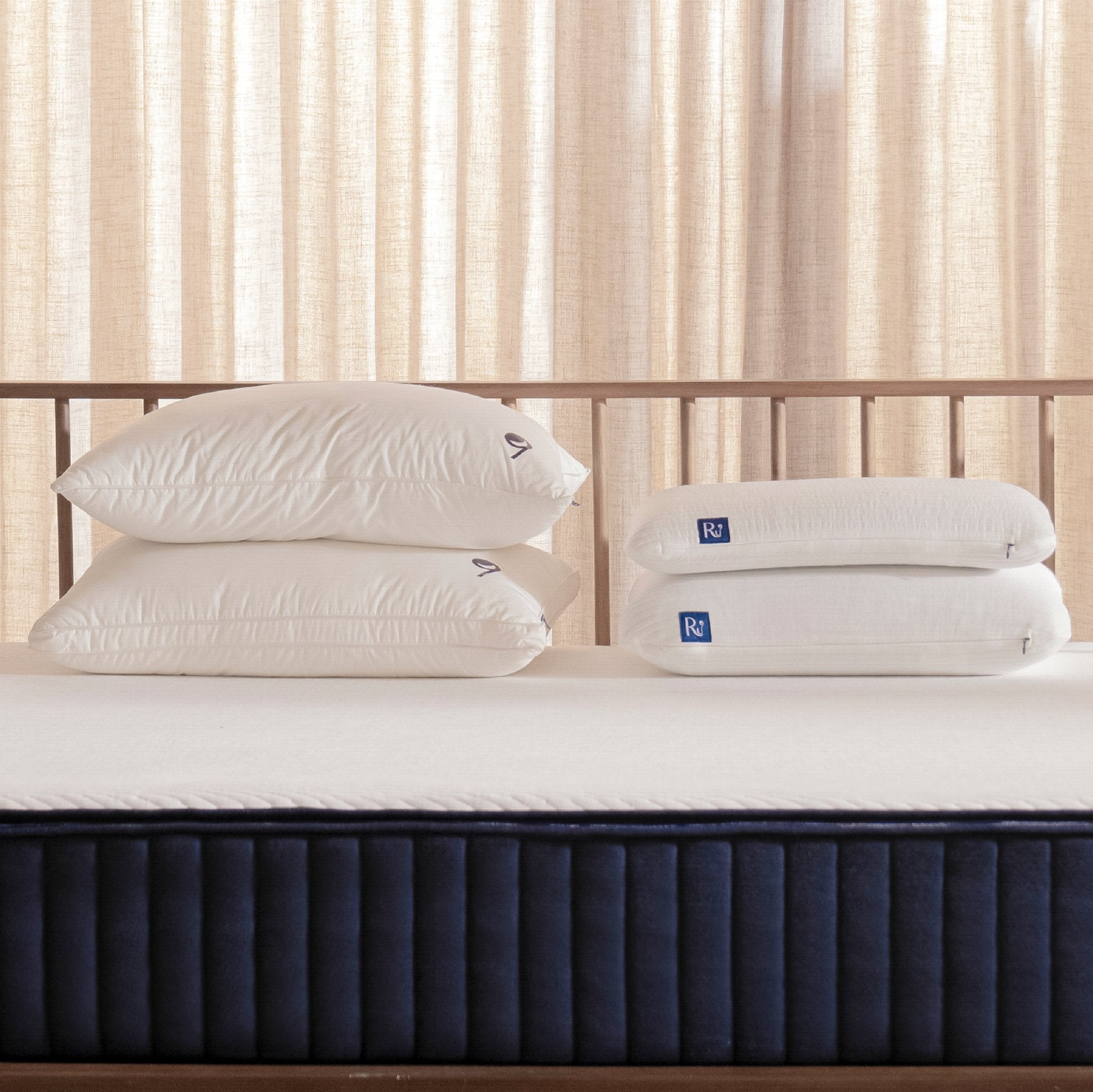
Ru9's Niu pillow is currently one of the most highly-rated sleeping pillows. It is designed with an ideal thickness of 12 cm, suitable for the Asian physique, preventing neck and shoulder stiffness upon waking.
Notably, the pillow core is made from durable Graphene Memory Foam, which offers optimal heat dissipation, providing a cool and comfortable lying sensation.

Using a Ru9 sleeping pillow is the best solution for sleep and health.
The Niu pillow cover is made from Tencel Knitted Fabric, which is highly absorbent and very breathable. The product features a discreet hidden zipper for easy removal and washing, helping to keep the pillow clean and fresh, ensuring you a perfect night's sleep.
Nutrition regimen
Drink enough water daily to prevent dry mouth. Eat plenty of fruits and vegetables to supplement essential vitamins, fiber, and minerals for the body.
Bedroom hygiene
Dust mites and pet dander in the air can clog your nasal passages during sleep, forcing you to breathe through your mouth. Therefore, to avoid mouth breathing during sleep, you should keep your house clean and your bedroom hygienic. Regularly wash bedding and pillowcases with hot water to eliminate bacteria that can affect your health and sleep.
Hopefully, the information shared above will help everyone learn how to avoid mouth breathing during sleep and find safe and effective ways to treat it. This will help maintain good, deep sleep and protect your health in the best possible way.
Related articles:


