









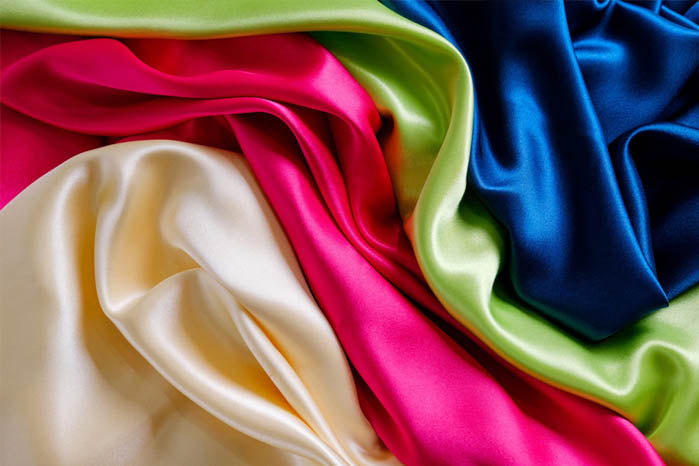
What is satin fabric, with its luxurious, shiny, and smooth beauty, always at the center of the fashion and decoration world? This article will take you into the world of this special fabric, exploring its outstanding characteristics, how to recognize it, and its applications in daily life.
1. What is satin fabric?
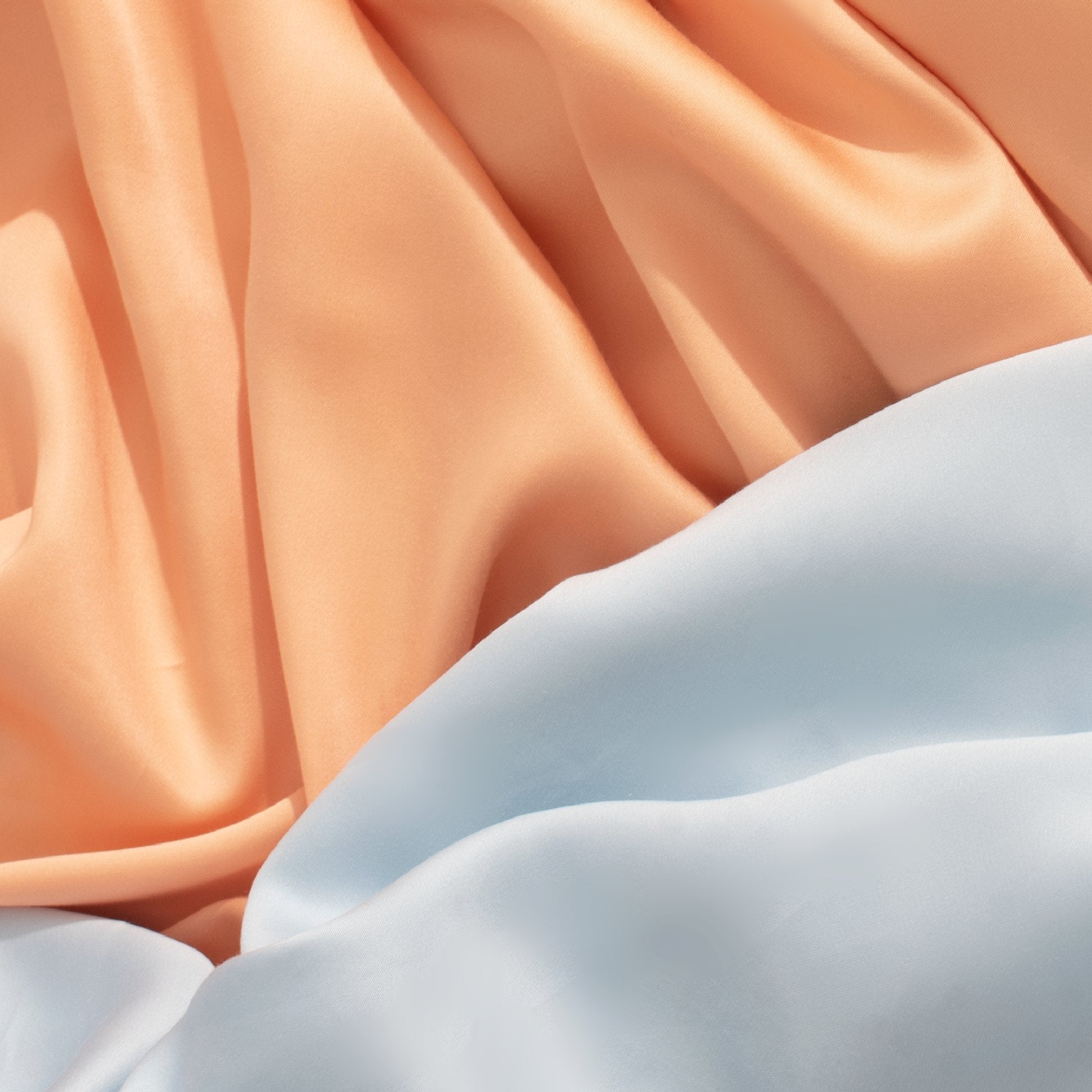
Satin fabric is a type of fabric with a soft, shiny front and a rather dull back. Satin fabric is woven using the satin weave technique, combining three types of fibers: silk, polyester, and viscose, thereby creating a tight, shiny, and dust-resistant surface for the fabric.

Satin fabric has a unique shiny and smooth surface
Many historical studies indicate that satin appeared during the Renaissance, changing its name from "satun" to "saeta" to express its glossy appearance. Chinese mechanics contributed to its development by inventing the technique of producing satin silk.
Although artisans tried to keep it a secret for over 2000 years, the technique eventually spread to Southeast Asia. By the Middle Ages, European countries produced satin fabric, but only the upper class and royalty could use it due to its high cost and scarcity.
2. Popular types of satin fabric today
2.1. Silk satin fabric
Silk satin fabric is a popular choice for its aesthetic appeal, softness, and shine. The main material is silk fiber, with added additives. This fabric is characterized by its softness, dust resistance, and lack of static electricity in winter. Silk satin fabric is often used for making clothes, satin ball gowns, and decorative curtains.

2.2. Cotton satin fabric
Cotton satin fabric is a type of fabric that combines traditional cotton weaving technology and satin, creating a widely applied material loved by many. Its main components include synthetic cotton fiber, viscose fiber, and silk fiber, with a low cotton ratio to maintain its satin properties.
The surface of cotton satin fabric is smooth, bright, shiny, and wrinkle-resistant, holding its shape well. This type of fabric is often used to produce sleepwear, bikinis, underwear, summer clothing, and is also popular in the production of high-end bedding.

See more: Tips for distinguishing cotton sateen and tencel simply and effectively
2.3. Chiffon satin fabric
Chiffon satin fabric combines various materials to improve product functionality and aesthetics. Its main components include satin, nylon fiber, polyester, etc. This type of fabric is thin, light, breathable, wrinkle-free, non-creasing, and has a thinness that allows for translucency.
Chiffon satin fabric is often used in the production of women's clothing such as underwear, ao dai, and dresses, offering a luxurious yet comfortable and pleasant feel.

2.4. Antique satin fabric
In addition to the three popular types of satin fabric mentioned, satin material also includes antique satin. Its composition includes satin fiber, staple fiber, chemicals, and additives. Antique satin is usually heavier, has a dull sheen, an uneven staple fiber surface, and an irregular weave structure. This type of fabric is often used for decoration rather than clothing, such as curtains and chair covers.

Antique satin fabric is often used for decoration
2.5. Baronet satin fabric
This type of fabric shines with high gloss, softness, and a variety of bright colors, serving aesthetic beauty. Its main components include rayon fiber and cotton fiber.
Baronet satin fabric has a weft structure combined with warp threads on the surface, with a shiny front and an almost coarse, dull back. This type of fabric is often used in decoration and for curtains.

2.6. Charmeuse satin fabric
Satin fabrics generally have a shiny front and a dull back, but charmeuse satin has a significant difference. Its special feature is two completely different layers (shiny and soft front, plain and smooth back), and it is stiffer than other types of satin.
Its main components include hard twisted yarn and Crepe yarn. Charmeuse satin fabric is widely used in the production of tarpaulins, floor mats, jackets, and some other garments.

2.7. Crepe-back satin fabric
Crepe-back satin is favored for its high gloss and durability. Its main components include crepe yarn, synthetic fibers, and chemicals. It has a high and bright sheen, with both sides of the fabric being versatile.
This type of fabric is popular in the garment industry, often used for skirts, dresses, reversible jackets, or satin pants.

2.8. Lucent satin fabric
Lucent satin fabric has all the characteristics of regular satin: shiny, soft, and aesthetic. Its main components are woven fabric combined with coloring agents and shimmering glitter. The fabric surface is shiny, soft, smooth, and both sides are shimmering, creating a beautiful luster.
Lucent satin fabric is often used for making wedding dresses and producing accessories such as headbands, hair bows, handkerchiefs, elegant neck scarves, and other feminine fashion items.

2.9. Duchess satin fabric
This fabric type is less mentioned when it comes to high-end satin, but stands out for its softness and excellent shape retention. Its main component is stiff fiber. This fabric is stiffer than other satins but still retains the softness of satin fabric.
With its heavy weight and the lowest gloss among satin types, the fabric is often used for wedding gowns, skirts, or other home decoration products.

2.10. Messaline satin fabric
With its aesthetic appeal and comfortable feel, messaline satin uses unique fabric fibers. Its main components include rayon, silk, and other components. With its ultra-light weight, the lightest among satin types, along with its characteristic softness, it provides comfort to the wearer and high light reflection to create an attractive highlight.
Messaline satin fabric is often used in fashion and apparel, such as party dresses, evening gowns, creating a charming and graceful look for the wearer.

2.11. Slipper satin fabric
With its main component being synthetic fibers, slipper satin fabric stands out for its light weight. It has a slightly glossy front and a cotton back.
This is one of the satin types with the lowest gloss, suitable for those who want to use satin but don't want it to be too shiny. Slipper satin fabric is often used for making loungewear, everyday clothes, handicrafts, and decorations.

3. Advantages and disadvantages of satin fabric material
3.1. Advantages of satin fabric
Satin fabric's outstanding features are its smooth gloss, creating a luxurious appearance, diverse colors, and easy design of patterns. This fabric is widely used in fashion and high-end bedding. Satin fabric also keeps you warm in winter and cool in summer.
3.2. Disadvantages of satin fabric
Due to its inability to hold creases and tendency to wrinkle, satin fabric faces challenges in garment design. Some types of satin tear easily with use. Due to its chemical properties, care must be taken regarding the risk of fire. Furthermore, another disadvantage of satin fabric is its high price compared to other fabrics on the market.
4. Outstanding applications of satin fabric
4.1. Apparel
Satin fabric is diverse with many types, suitable for trendy fashion designs. Combining satin fibers with viscose, nylon, and polyester makes the price more affordable. Satin fabric is popular in wedding dresses and evening gowns.
In the 1900s, satin was famous in women's lingerie, loved for its softness. Satin is also used to produce accessories such as scarves, hair ties, hat coverings, and neck scarves, enhancing the delicate beauty of women.

4.2. Bedding
Currently, satin is often used to produce bedding due to its durability and dust resistance. The luxurious beauty of satin creates a prominent highlight for the bedroom space.
4.3. Interior design
Interior decorative products such as sofa covers, lamp covers, curtains, and tablecloths also use satin to enhance aesthetic appeal.
5. Guide to effective satin fabric care
5.1 Please read the instructions carefully before use
Each type of fabric on the market comes with its own instructions and care notes. Satin fabric is no exception. Manufacturers often provide instructions on washing and ironing products to protect their durability. Typically, satin fabric should be hand-washed and air-dried in mild sunlight.
When ironing, caution is needed as satin fabric is easily scorched due to its thin structure. Turn the fabric inside out and use a pressing cloth to protect the material. Adjust the iron to the lowest temperature to avoid scorching.

5.2 Increase product durability
To prepare satin products before the first wash, soak them in diluted saltwater for about 2 hours to remove dust and preserve color. Always wash satin products separately and dry them outdoors in mild sunlight to maintain their color.
6. Some frequently asked questions about satin fabric
- Are clothes made from satin fabric less wrinkled when worn?
Satin fabric products, with their composition of silk, polyester, and viscose fibers, are typically wrinkle-resistant, offering a unique smoothness and luster, distinctly different from regular cotton.
- What are the care and washing instructions for satin products?
For satin fabric, avoid machine washing and tumble drying. Hand wash gently to avoid damaging the fabric surface. If machine washing is unavoidable, use a delicate cycle or hand wash to protect clothing and other products. When drying, air dry outdoors in mild sunlight and a cool, airy place.
- What is the difference between silk and satin?
Silk's main component is natural silk fiber, while "satin" refers to a weaving technique for products made from various types of fibers. Satin uses not only silk fibers but also other types of fibers, differing from silk.
In general, satin fabric is a diverse, unique, and stylish material with a long history. From traditional satins to modern variations, this material has become an important part of modern life, creating diverse style and aesthetic choices for everyone.


