









Sleeping positions occur subconsciously and are like human body language. Your sleeping position also reflects a part of your personality and health. So, what do sleeping positions reveal? Let's find out in the article below!
1. What do sleeping positions reveal?
Sleeping on your back, side, or stomach are the most common sleeping positions. There are also other positions such as the fetal, soldier, or curled-up positions. Each position reveals different aspects of your personality and health.
Sleeping on your side with arms and legs straight
What do sleeping positions reveal? Sleeping on your side with arms and legs stretched straight along your body like a log reveals the following:
- Personality: You are an easygoing person, confident in communication, a bit gullible, and tend to have a one-sided view of things.
- Health: This sleeping position is good for the spine, especially for pregnant women. Moreover, lying on your side with arms and legs stretched straight like a log helps prevent back pain, reduce sleep apnea, and lessen snoring. However, the downside of this position is that it can cause hip pain, wrinkles, and skin aging.
- Expert advice: Use a thick pillow under your neck and place a soft pillow between your thighs.

Sleeping on your side with arms and legs stretched straight prevents back pain and reduces snoring.
Starfish position
The characteristic of the starfish position is lying on your back, legs stretched straight, and arms raised high above your head. This sleeping position reflects the following:
- Personality: Loyal, kind, and a good listener.
- Health: The starfish is considered the best sleeping position for the neck and spine as it reduces pressure on these two parts. With the head raised higher than the stomach, it helps prevent gastroesophageal reflux. This sleeping position also helps prevent skin wrinkles. However, the disadvantages are snoring and shoulder pain.
- Expert advice: Use a pillow of moderate thickness when sleeping.
Soldier position
What do sleeping positions reveal? The soldier position is sleeping on your back, with both arms straight at your sides or placed on your chest.
- Personality: You are a rather serious, cold, perfectionist person who lives by principles.
- Health: Helps the back and spine stay in the best condition, maintains chest shape, and limits facial wrinkles. However, the soldier position obstructs breathing, leading to snoring.
- Expert advice: Place a large pillow under your knees for more comfortable sleep.
Curled-up position
This sleeping position is characterized by lying on your side, curled up, with knees pulled up to the chest and chin tucked in.
- Personality: Appears tough and strong on the outside but is sensitive on the inside.
- Health: Considered a good sleeping position for pregnant women. The curled-up position also helps reduce snoring and acid reflux. However, this position can put pressure on the shoulders, neck, and back, strain joints, cause shortness of breath, and form wrinkles on the face.
- Expert advice: You should lie on your right side and use a moderately thick pillow for your head.

The curled-up sleeping position helps reduce snoring and acid reflux.
Stomach sleeping position
What does stomach sleeping reveal? Lying on your stomach, head turned to one side, and arms hugging a pillow indicates:
- Personality: Confident, independent, strong, interesting, extroverted, desires freedom but is easily agitated and prone to anxiety. People with this sleeping position often react strongly to criticism from others.
- Health: Reduces snoring but affects the digestive system, causes aches or numbness in joints due to the pressure of lying on the stomach.
- Expert advice: You should change your position after a while of sleeping.
2. Which sleeping position is best for health?
According to experts, lying on your back or on your right side with a pillow 10-15cm high is the best sleeping position to reduce pressure on the spine, keeping the back and neck in a neutral position, preventing aches and pains after a long sleep. In addition, you need to pay attention to some other factors to improve sleep quality and health, such as:
- Avoid staying in one position for a long time.
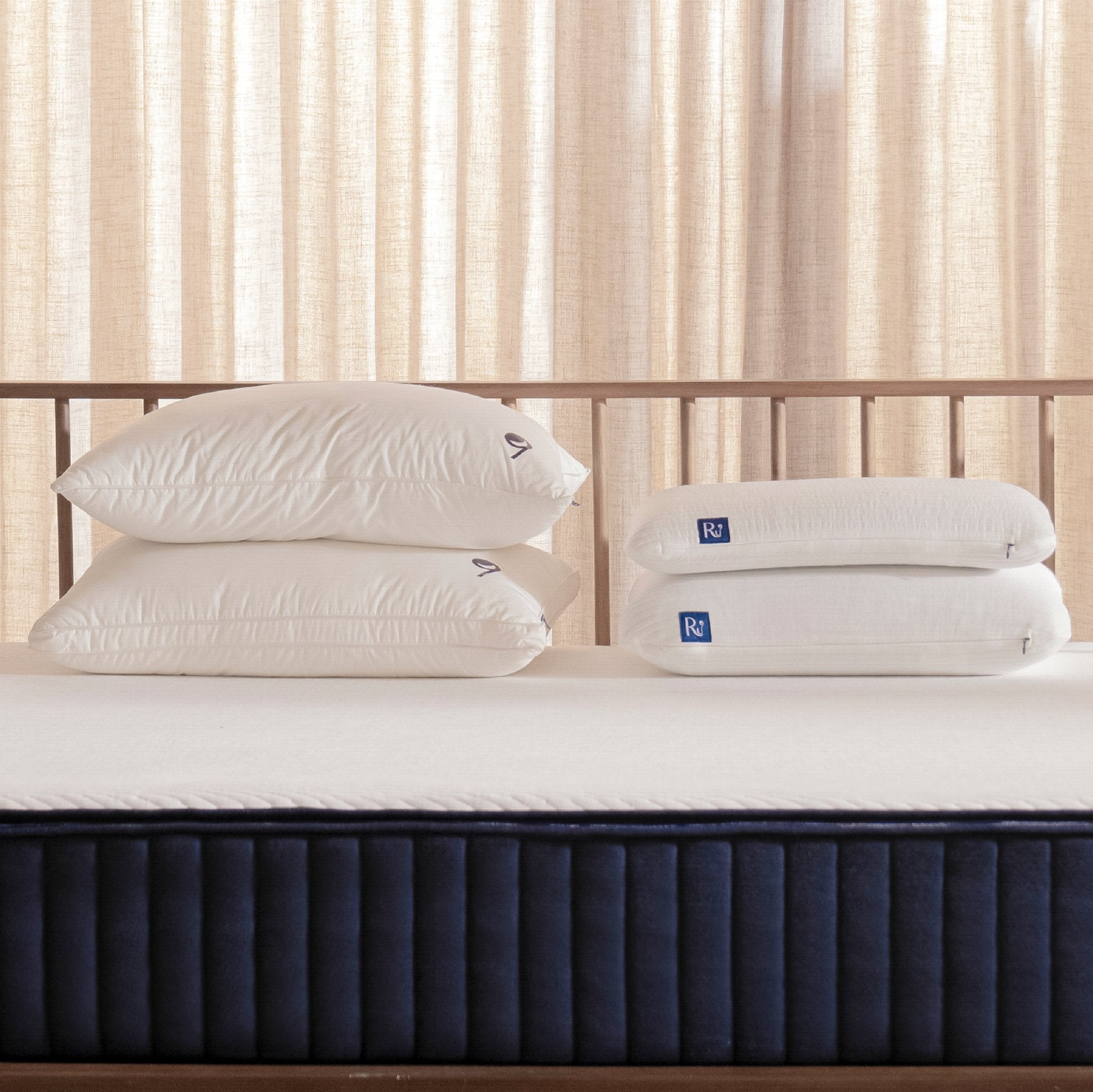
- Choose a pillow of moderate thickness, about 10-15cm, made of memory foam to provide optimal support for the head and neck.
- Choose a mattress with good elasticity, breathability, and safe materials such as memory foam, natural latex, etc.

Sleeping on your back with a pillow 10-15cm thick is considered best for bones, joints, neck, and spine.
3. Ru9 - The perfect solution for all sleeping positions
Prominently in the market today is the Ru9 brand - the pioneering brand in Vietnam to introduce foam material into the production of high-end bedding. Ru9 is a trusted destination for many with diverse designs, sizes, materials, and types, including Original, Topper, Nest, and Hybrid mattresses.
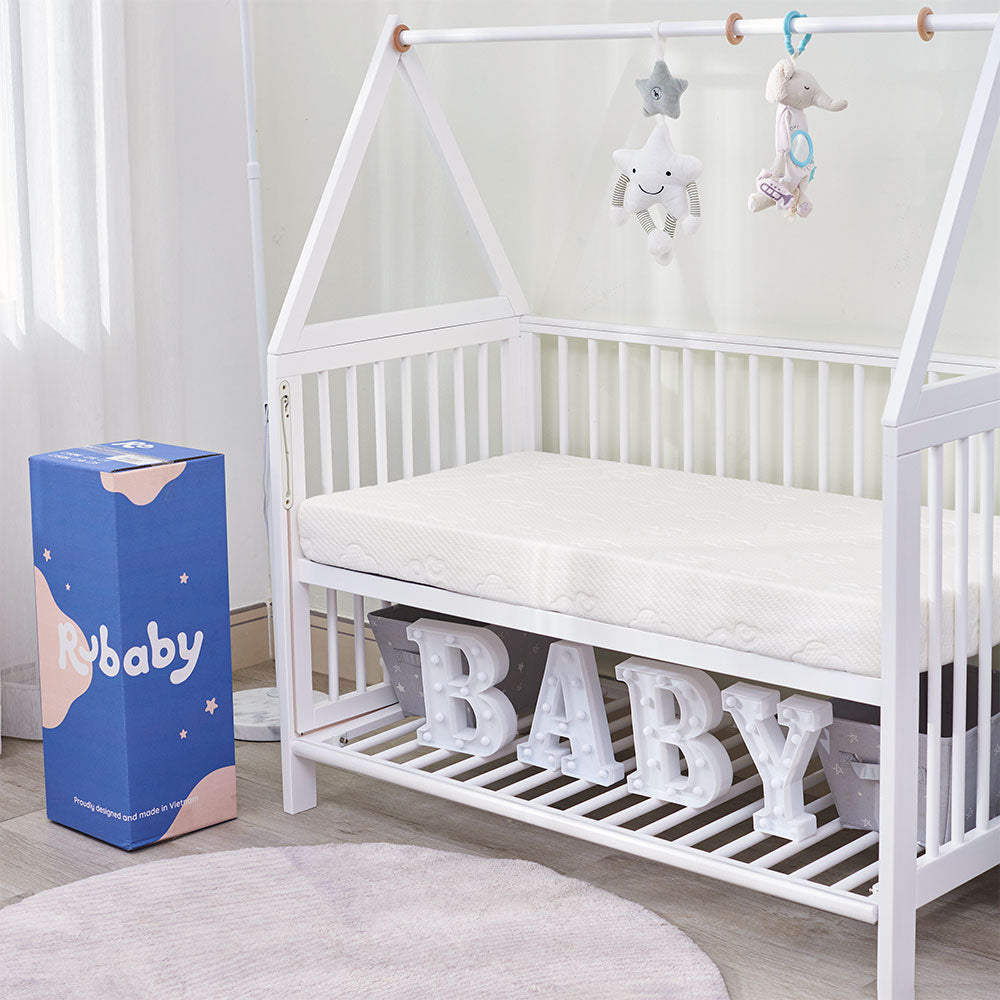
In particular, Ru9 products use health-friendly materials, safe for both infants and young children. The comfortable beds with cool sheets made from 100% natural latex provide excellent support for the spine and softness in all sleeping positions. Contact us for more detailed advice.

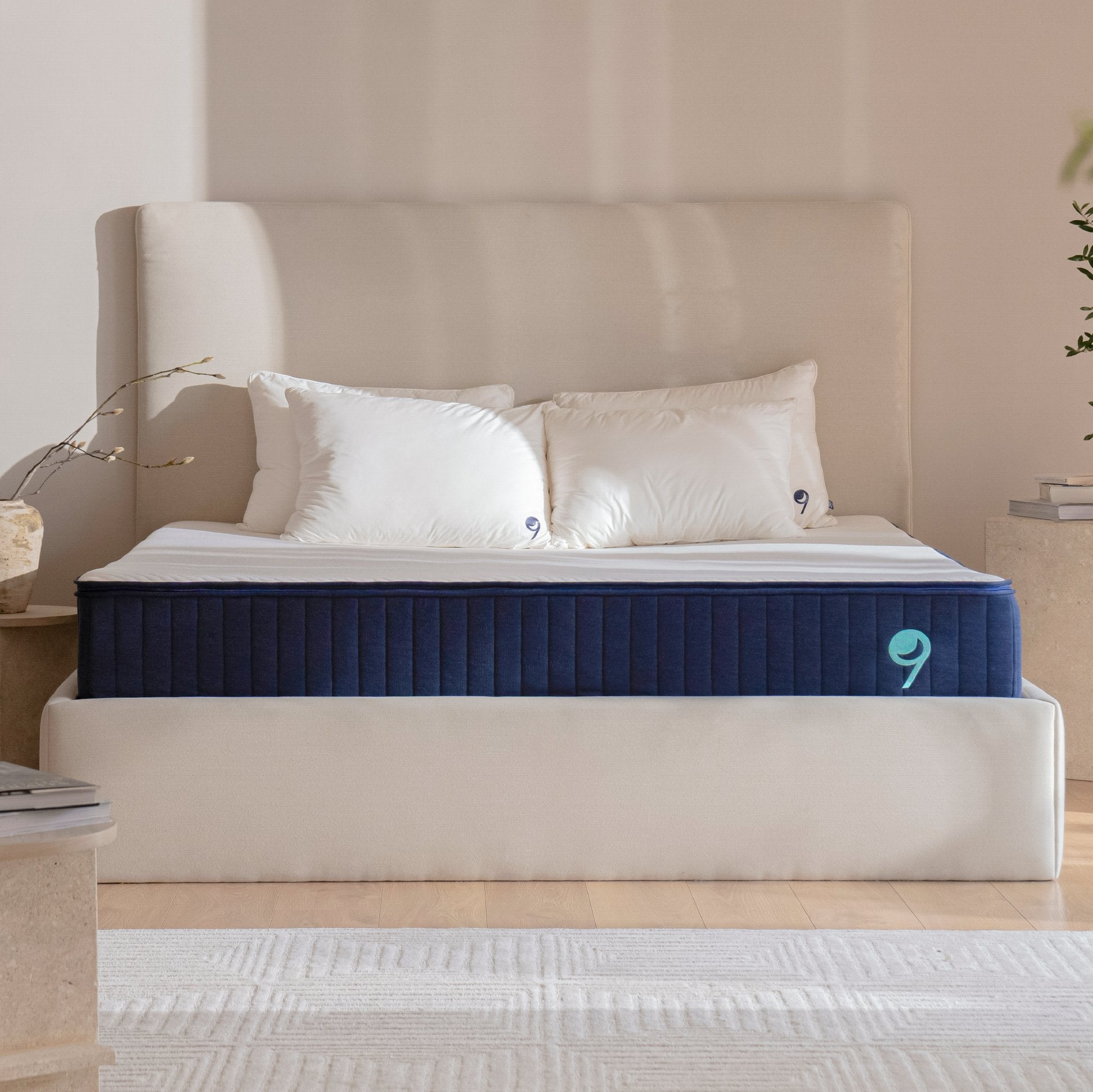
Ru9 mattress is always one of the top choices for a good night's sleep
Above is the answer to the question what your sleeping position reveals about your personality and health, as well as a tip for the best sleeping position for health. For a healthy sleep, you should develop the habit of lying on your back with a pillow 10-15cm high. In addition, choose a quality mattress product for yourself.
Related articles:


