









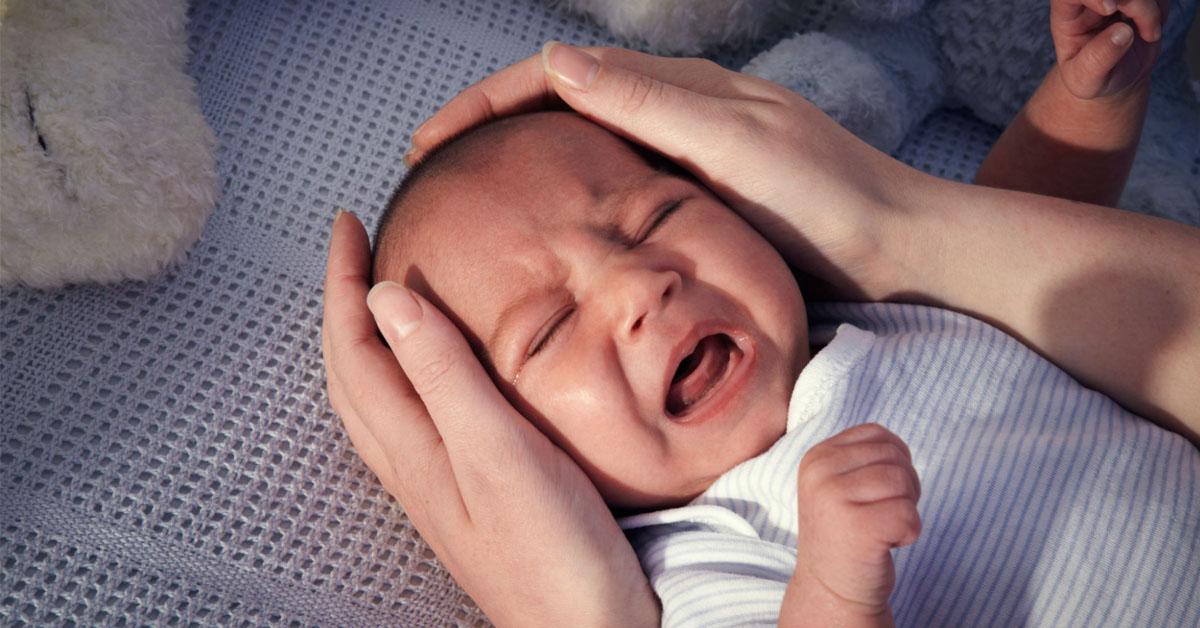
Parents always need to pay attention to their child's health conditions to handle them promptly, especially with newborns. An immature immune system is why children are prone to complications. Is it dangerous if a baby sweats on their back while sleeping? What are the causes of back sweating during sleep in infants and young children? Let Ru9 help you find the answers and solutions in this article.
1. Is sweating on the back while sleeping a disease?
Mothers with young children often worry when their babies sweat on their backs and heads while sleeping. So, is it a symptom of a disease? According to science, sweating on the back during sleep in children is a sign of night sweats. What are night sweats in children, and what are their classifications?
Night sweats are a heat dissipation reaction to cool the body when exposed to a higher temperature environment. Night sweats on the head and back are common in infants. Children will sweat a lot on their back, hair, neck, etc., causing them to sleep poorly, cry, and have a weakened immune system. There are two common types of night sweats:
Physiological night sweats: Young children's metabolism is stronger than adults, so they often sweat on their backs while sleeping to regulate their body temperature. Therefore, this type of night sweat is just a natural physiological phenomenon in young children and does not affect their health.
Pathological night sweats: This type of night sweat often appears in children with rickets, poor appetite, large skull bones, etc. The symptom is that even when the weather is not hot, the child sweats a lot, especially when breastfeeding or sleeping.

Night sweats are very common in infants and young children.
2. Why do children sweat a lot on their head and back while sleeping?
Not all of a baby's sleep is peaceful. Many children sweat on their backs while sleeping, making them uncomfortable, causing disturbed sleep, and potentially leading to more severe illnesses. Parents need to find the cause to handle it promptly. Below are some common causes of back sweating during sleep in children.
2.1. Internal causes in the child's body
Children sweating a lot on their head and back while sleeping can be due to:
- Children who are malnourished and do not receive essential nutrients (vitamin D, zinc, calcium, etc.): Vitamin D is an important nutrient for bone development; a deficiency can easily lead to night sweats in children. Premature babies, those with rickets, or children with digestive problems are also prone to vitamin D deficiency.
- The nervous system is in the process of developing and maturing: The nervous system is responsible for controlling body temperature after receiving signals from the environment. Since a child's nervous system is not yet stable, it cannot regulate body temperature well, which can lead to increased sweating.
-
Cardiovascular disease: A weak cardiovascular system requires more energy to pump blood throughout the body, thus also causing children to sweat on their backs while sleeping and wake up more often.
-
Children with sleep apnea: Premature babies are prone to sleep apnea. Symptoms last for about 20 seconds, the skin turns pale, the child has difficulty breathing, and sweats a lot on their head and back.
-
Children with hyperhidrosis: If the weather is cool but the child still sweats a lot on their back and head while sleeping, it could be hyperhidrosis. Parents should pay attention to frequent hygiene for their child; this symptom usually gradually decreases and resolves itself as the child grows older.
- In addition, some other internal causes of back sweating during sleep in children include: Overweight or obese children; Children using medications with side effects; Children with autonomic nervous system disorders; sympathetic nervous system; The normal body temperature of infants is often high; Hormonal changes; Excessive physical activity; Children who are anxious or stressed, etc.
2.2. Sweating on a baby's back while sleeping can be due to medical conditions
Sweating on the back during sleep in children can be a sign of some diseases.
- Common cold: In addition to excessive back sweating, children may also experience other symptoms such as nasal congestion, coughing, and sore throat.
- Infection: A baby sweating on their back while sleeping can be a sign of an infection.
- High blood pressure: High blood pressure in children can also lead to this sweating phenomenon.
- Congestive heart failure: Congestive heart failure often leads to poor appetite, fatigue, frequent coughing, and slow weight gain.
- Hyperthyroidism: Children with hyperthyroidism not only lose weight, are anxious, and have a rapid heart rate, but also often sweat a lot on their head and back, especially at night.
- Diabetes: If the child's sweat smells like acetone (nail polish remover); they urinate a lot, lose weight, etc., then the child may have diabetes.
2.3. Environmental factors causing children to sweat on their backs while sleeping

External environment affects the quality of infant sleep.
External environmental factors also significantly affect a child's sleep.
- Room too hot: A bedroom with too high a temperature and poor ventilation makes children feel hot and sweat.
- Poorly breathable blankets and mattresses: In addition, uncomfortable blankets and mattresses can also be a reason why children sweat on their head and back while sleeping.
- Hot and humid climate: Overly hot and humid environmental temperatures are also one of the reasons why infants sweat on their backs while sleeping.
If you are looking for cool and hypoallergenic blankets and mattresses for children, consider Ru9 products!
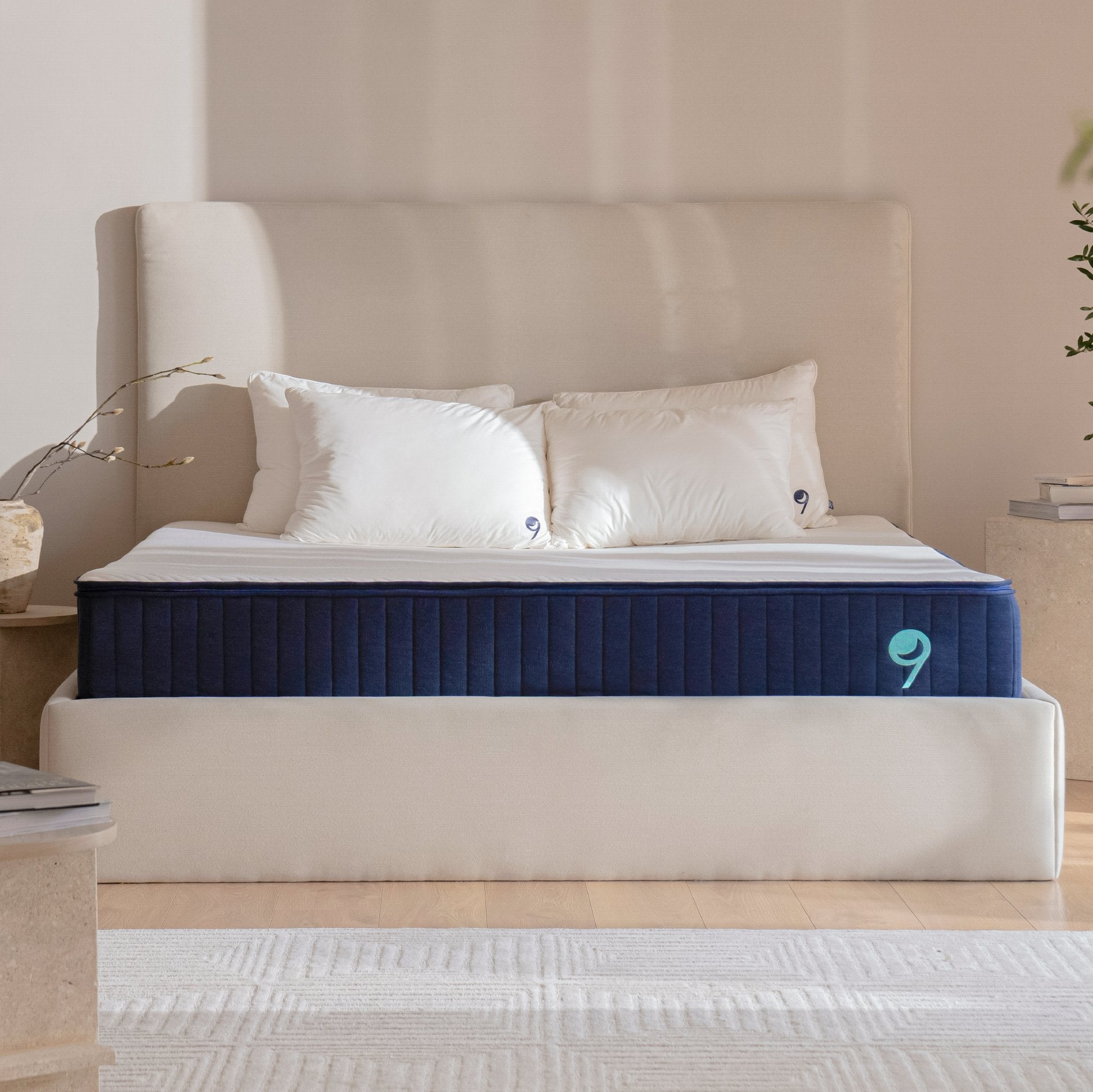
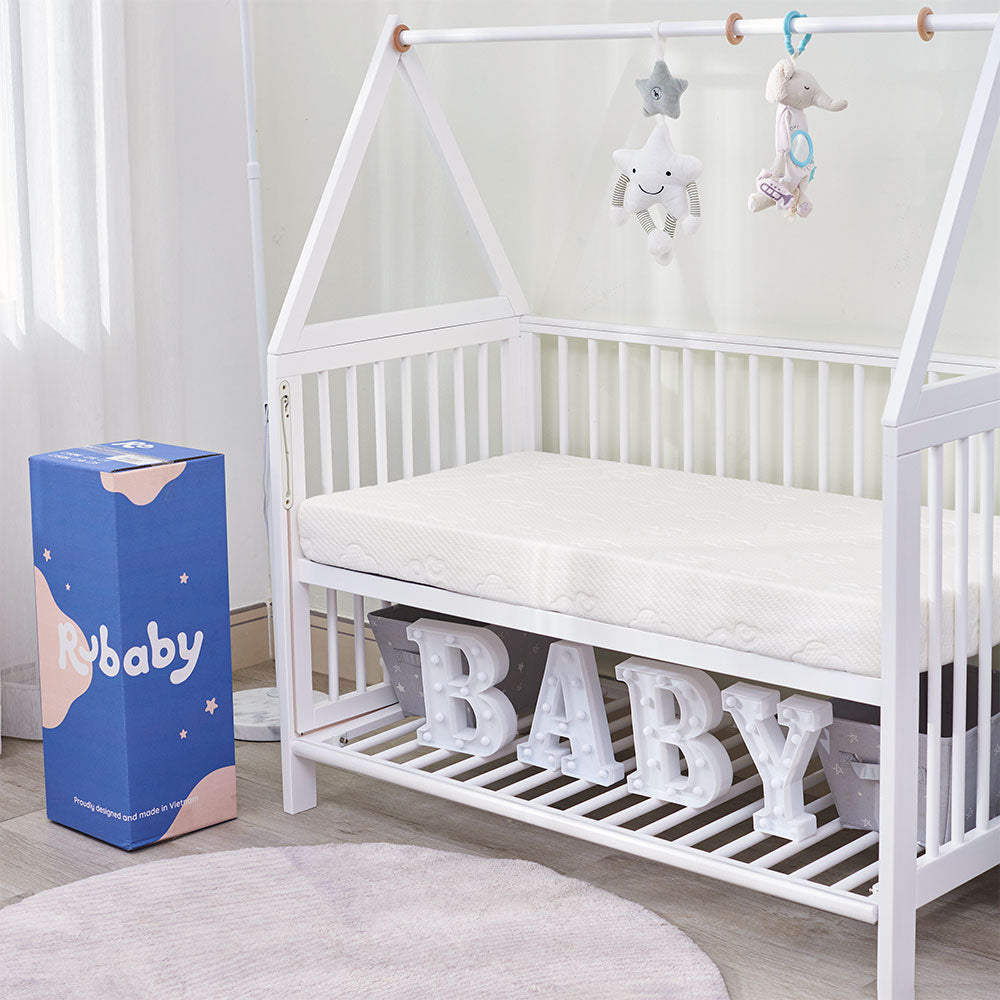
Ru9's Original Mattress is designed with three sturdy foam layers and a highly absorbent Tencel cover, creating breathability between the three foam layers to prevent children from feeling stuffy when in contact with the mattress. In addition, the second 
Ru9 blankets and mattresses are made from natural materials safe for young children.
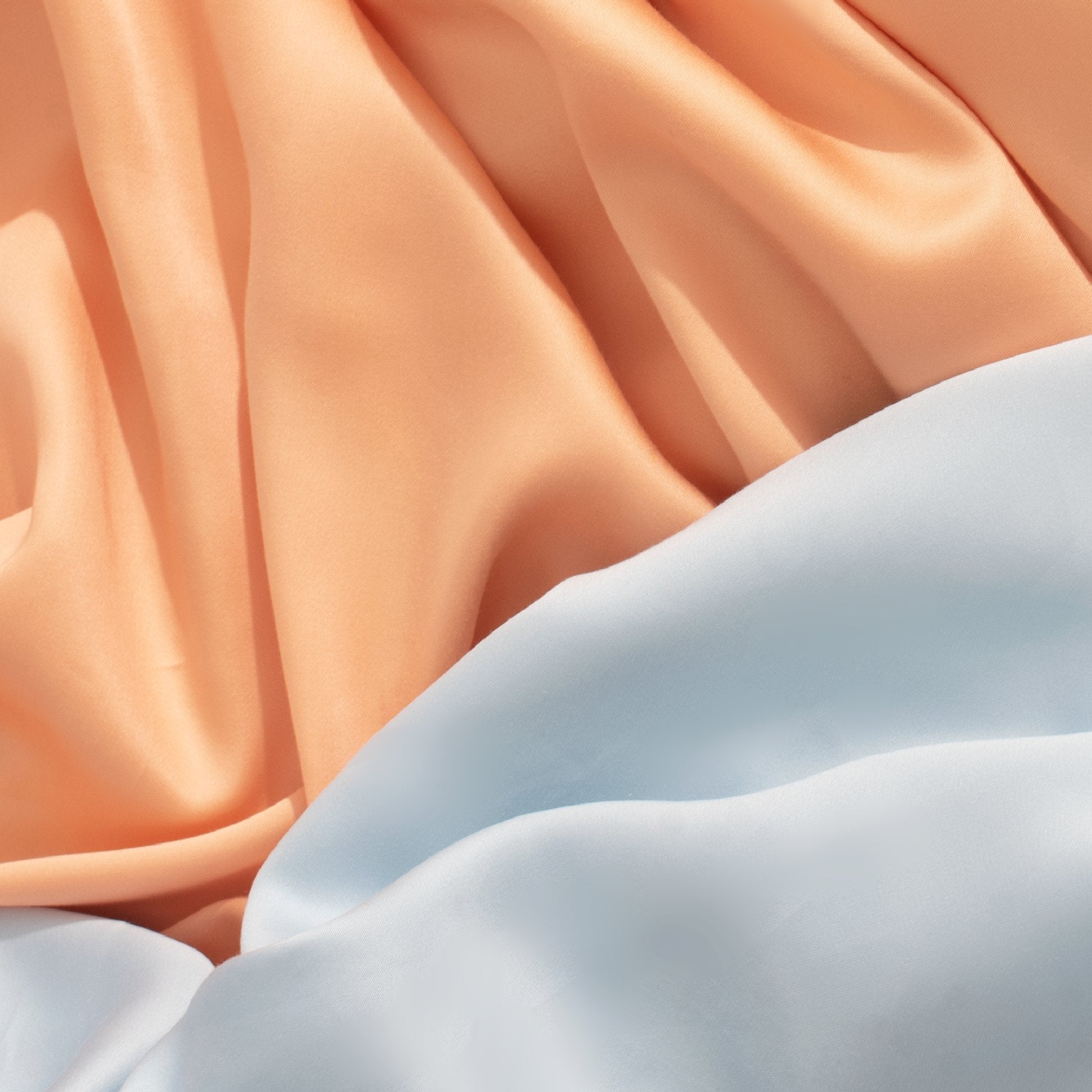
The Eucalyptus Blanket from Ru9 has an outer shell made of 100% eucalyptus fiber, keeping the body warm yet breathable. Natural materials are safe for a child's delicate skin and do not cause irritation. With modern technology, the eucalyptus blanket can regulate temperature, reducing the stuffy feeling when covered. The eucalyptus cotton filling provides softness and fluffiness yet is quite light.
You may be interested in: Should you buy a Ru9 memory foam mattress? Is this type of mattress suitable for children?
3. Is it dangerous for infants to sweat on their backs while sleeping?
Based on these causes, we can see that infants sweating on their backs while sleeping is not always a dangerous sign. For causes related to the environment or some physiological reasons within the child's body, parents do not need to worry too much.
A baby sweating on their back while sleeping becomes dangerous when accompanied by some symptoms such as:
- Snoring.
- Mouth breathing.
- Wheezing, rapid breathing.
- Deep abdominal retraction with each breath.
- Ear pain, stiff neck, the baby becomes picky eater.
- Rapid weight loss, severe vomiting, and diarrhea.
See more: Is it dangerous for a baby to have a 39-degree fever but still sleep well?
4. How to handle an infant sweating on their back while sleeping

Parents may need to monitor their child's sleep condition to quickly find solutions.
To overcome sweating that affects a child's sleep quality, parents can take the following steps:
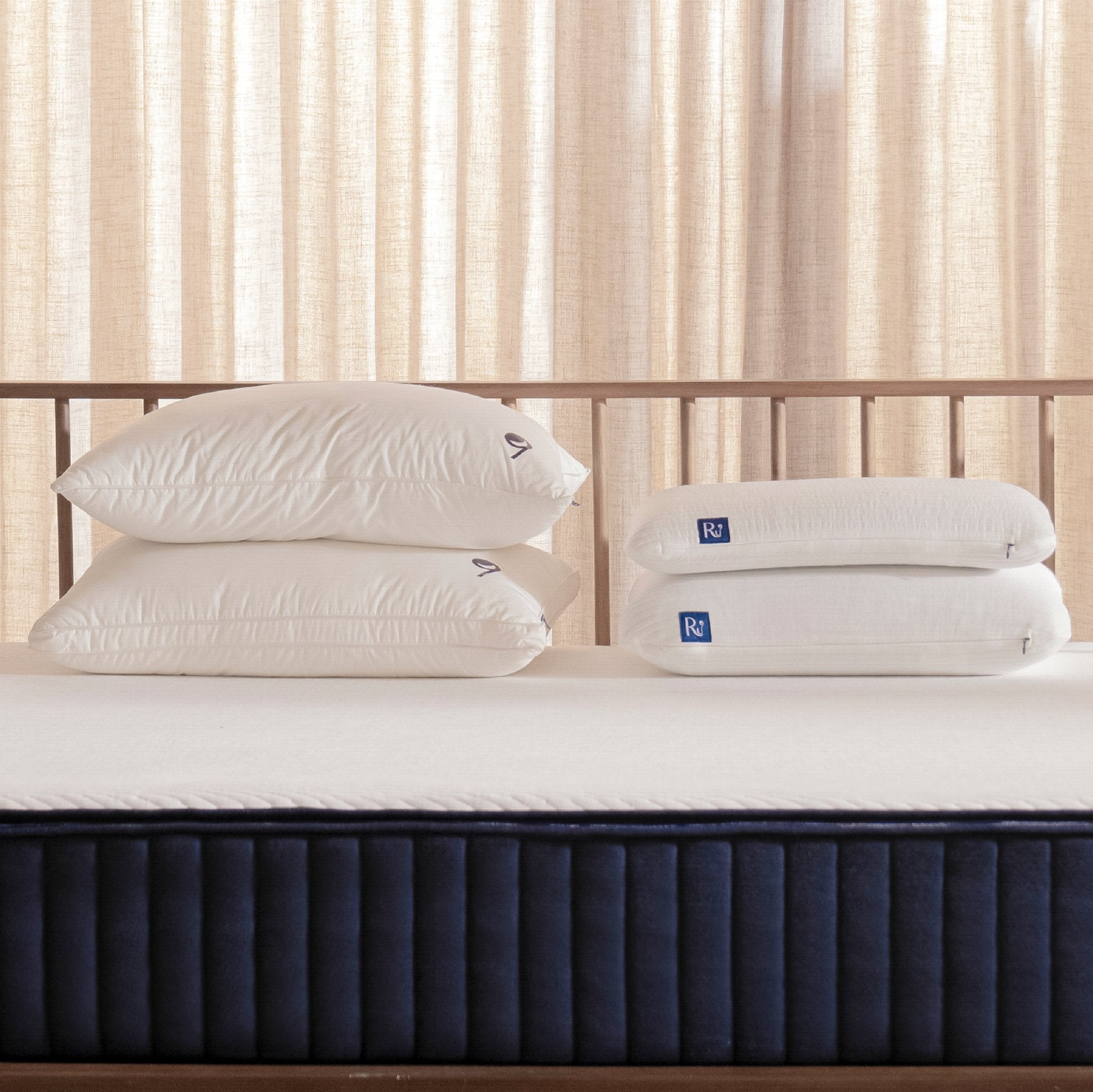
- Use cool, soft, and supportive blankets, mattresses, and pillows. Ru9 products are made from friendly, safe materials that cherish sleep, allowing children to maintain a natural sleeping posture without feeling stuffy or sticky after many hours of sleep. The layered structure is tightly linked but still breathable, effectively neutralizing phản lực for a gentle sleep.
- Simplify clothing layers, keep the baby cool; remember to choose comfortable, highly absorbent clothing, blankets, and diapers.
- Adjust room temperature, ensuring it's cool enough for the child.
- Supplement the child with enough vitamin D, let the child sunbathe in the morning for 10-30 minutes.
- Limit excessive physical activity before bedtime.
- Keep the child's body clean daily and provide adequate water.
- Do not let the child be afraid when sleeping, and do not eat too much before bedtime.
- Provide the child with a balanced diet including many cool, sweet fruits and vegetables rich in nutrients. Limit hot and greasy foods.
- If the child sweats a lot on their head and back, use a soft towel to wipe away the sweat to help prevent the child from catching a cold.
If the child shows any dangerous signs mentioned above, parents should take the baby to see a doctor.
Above, Ru9 has provided readers with the causes of infants sweating on their backs while sleeping. Sleep is very important for children, especially in the first 3 months of life, when a child's sleep accounts for most of the day. Parents should monitor their child to promptly address any issues affecting their health.
Related articles:
- Is a foam mattress good for infants?
- Which cool summer mattress is suitable for young children and infants?
- If a baby sweats on their back while sleeping, should they sleep on a thin floor mattress?
- Why does a 3-month-old baby shake their head while sleeping and how to handle it correctly?
- How to treat a baby's cough while sleeping safely and effectively at home
- What to do if a child has a fever while sleeping? How to reduce fever quickly and safely for your baby.
- Should you cover yourself with a blanket when you have a fever?
- Can infants sleep on a topper mattress? Does it affect the child's spine?


