









Fiber is a term we frequently encounter in daily life. So, what is fiber? What types of fiber are there? What is fiber, what are its characteristics and uses? How is it applied in the textile industry? Let's explore these questions with Ru9 in the article below!
1. What is fiber?
Fiber, what does it mean in English?
Fiber /'faibə/ (Noun): A thin, slender, long part of any material.
That is the linguistic meaning of Fiber. In daily life, Fiber is also known as dietary fiber or simply fiber. Fiber (dietary fiber) is an indispensable part of human nutrition, supporting easier digestion. Dietary fiber is often divided into soluble and insoluble fiber, or fermentable and non-fermentable fiber.
In addition, fiber is also applied in other areas of life. In this article, Ru9 will write about fiber in textiles, also known as fiber yarn.
Fiber yarn is a type of yarn containing one or more different types of fiber depending on the intended use. The origin of fiber yarn can be from plants and animals (wool, cotton, bamboo fiber) or synthetic fibers such as Polyester, Acrylic, etc.
Fiber yarn is a raw material used to create textile fibers, with length measured in millimeters and width in micrometers (µm).

Fiber is a raw material used to create textile fibers in the textile industry.
See more:
- What is Microfiber? Classification and application of this material
- What is Polyester fabric? Characteristics and applications of the material
- What is nylon fabric? Is nylon fabric comfortable to wear and what type of clothing is it suitable for?
2. What are the characteristics of fiber?
Fibers are divided into staple fibers and filament fibers. Among them:
Staple fibers
- Structure: originate from nature, spun from small single fibers, with short fiber lengths stacked and continuously linked by various technologies. Different spinning methods. From there, different characteristics, quality, and prices of yarn are created.
- Characteristics: Hairy, absorbent like cotton, wool (cotton, wool), short (<= 45mm), long (45-60 mm)
Filament fibers
- Structure: For example, silk (silk) or synthetic fibers like polyester, Nylon... the raw material must be melted or dissolved and then spun into long threads.
- Characteristics: Fabrics made from synthetic fibers do not provide the same comfort but can be modified to create more superior features.
3. Classification of fiber
Most fibers (textile fibers) have a high molecular linkage structure. Based on their distinct structural characteristics and properties, textile fibers are divided into two types: natural fibers and chemical fibers. Among them:
Natural fibers
Natural fibers are formed from natural organic substances, under natural conditions. Including:
1. Plant fibers: primarily composed of cellulose, such as cotton, linen, jute, hemp, cellulose
2. Natural (animal) fibers (protein): Primarily composed of protein, including
- Silk fiber, fibroin accounts for 75%, sericin 25%.
- Wool fiber, with keratin as the main component, accounting for about 90%
3. Mineral fibers: Formed from natural inorganic substances, such as asbestos
 Natural silk fibers, extracted from silkworm cocoons, are always considered high-quality goods.
Man-made fibers
Chemical fibers are formed under artificial conditions and are created from substances or materials found in nature. Chemical fibers are divided into two main types:
1. Artificial fibers: These are fibers created from natural organic substances. This group includes protein-based fibers (casein, zein, etc.), cellulose hydrate-based fibers including viscose, copper ammonia rayon, etc., and acetyl cellulose-based fibers including acetate, triacetate.
2. Synthetic fibers: These are fibers created from synthetic substances, and are also the most commonly used type of fiber today. The most common are fibers made from synthetic organic substances such as Polyester, polyacrylonitrile, and polyamide.
4. Should I use products made from synthetic fibers?
Previously, synthetic fibers were mainly produced from cellulose extracted from various types of wood (pine, fir, Bodhi, bamboo, etc.) widely available worldwide. Synthetic fibers are divided into 2 types:
- Viscose fiber with a high cellulose content of 98% (in durable fiber form), this type of fiber is soft and smooth and is often mixed with silk to weave items such as silk, satin, brocade thread, etc.
- Crude Viscose (in common fiber form) used to weave linen, phip, etc.
The length and fineness of synthetic fibers depend on the processing methods. They are usually divided into 3 types: fine fiber, medium fiber, and coarse fiber.
Products made from synthetic fibers have a strength almost equal to that of natural cotton fibers, and better elasticity than natural cotton. In particular, synthetic fibers have a porous structure, so they easily absorb moisture and wick away sweat better.
Thus, it can be seen that the application of advanced modern technologies in using synthetic fibers to create products that meet the increasingly high demands of people's lives is gradually becoming very popular.
5. Review of Ru9's fiber products
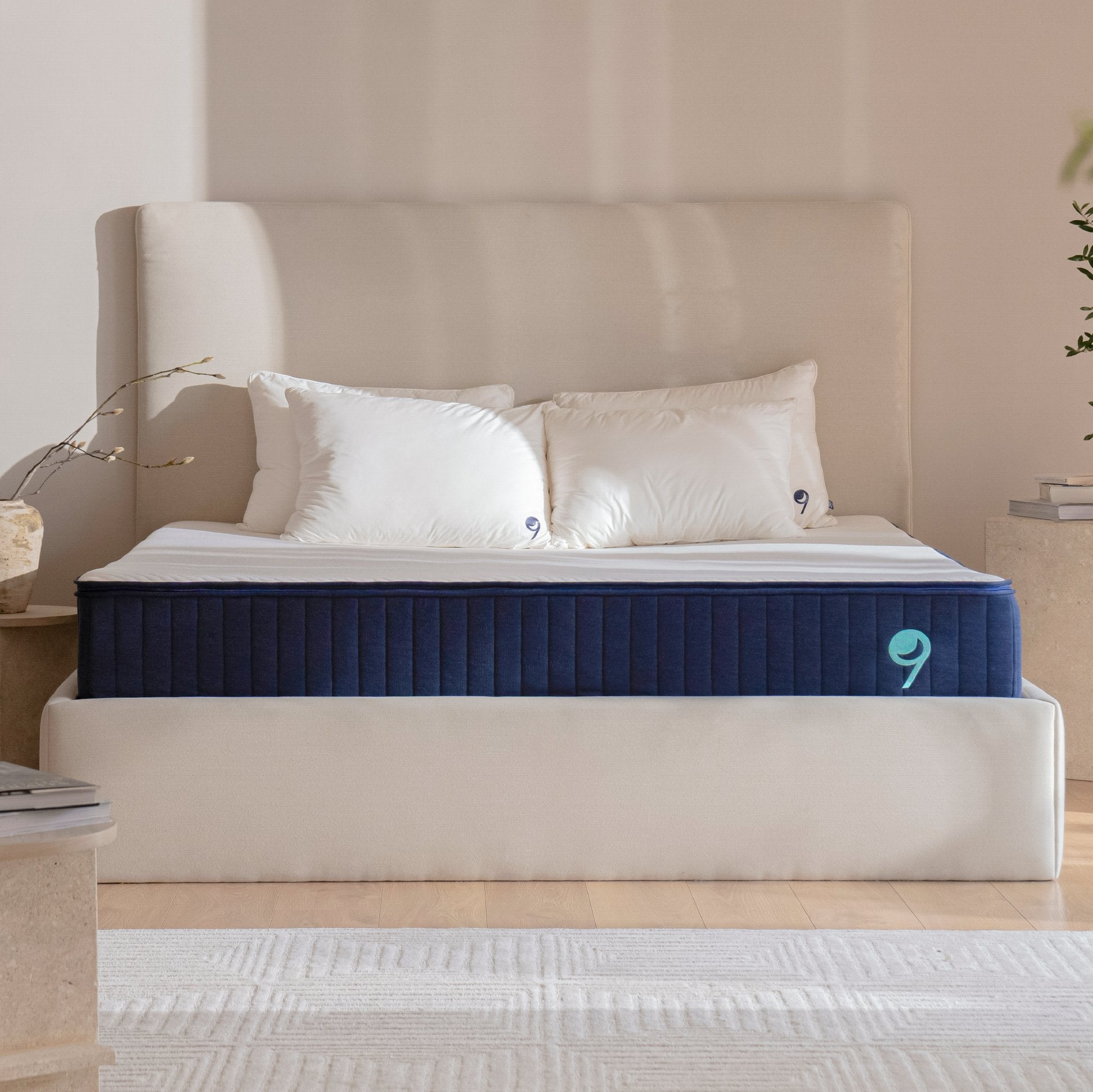
Ru9's products, including blankets, sheets, pillows, and mattresses, are all researched and produced from synthetic materials based on the most advanced and modern technology. Inheriting the advantages and overcoming the disadvantages of traditional technology, we bring premium and high-quality products, meeting all customer needs. Specifically:
5.1. Ru9 IceFiber Pillowcase
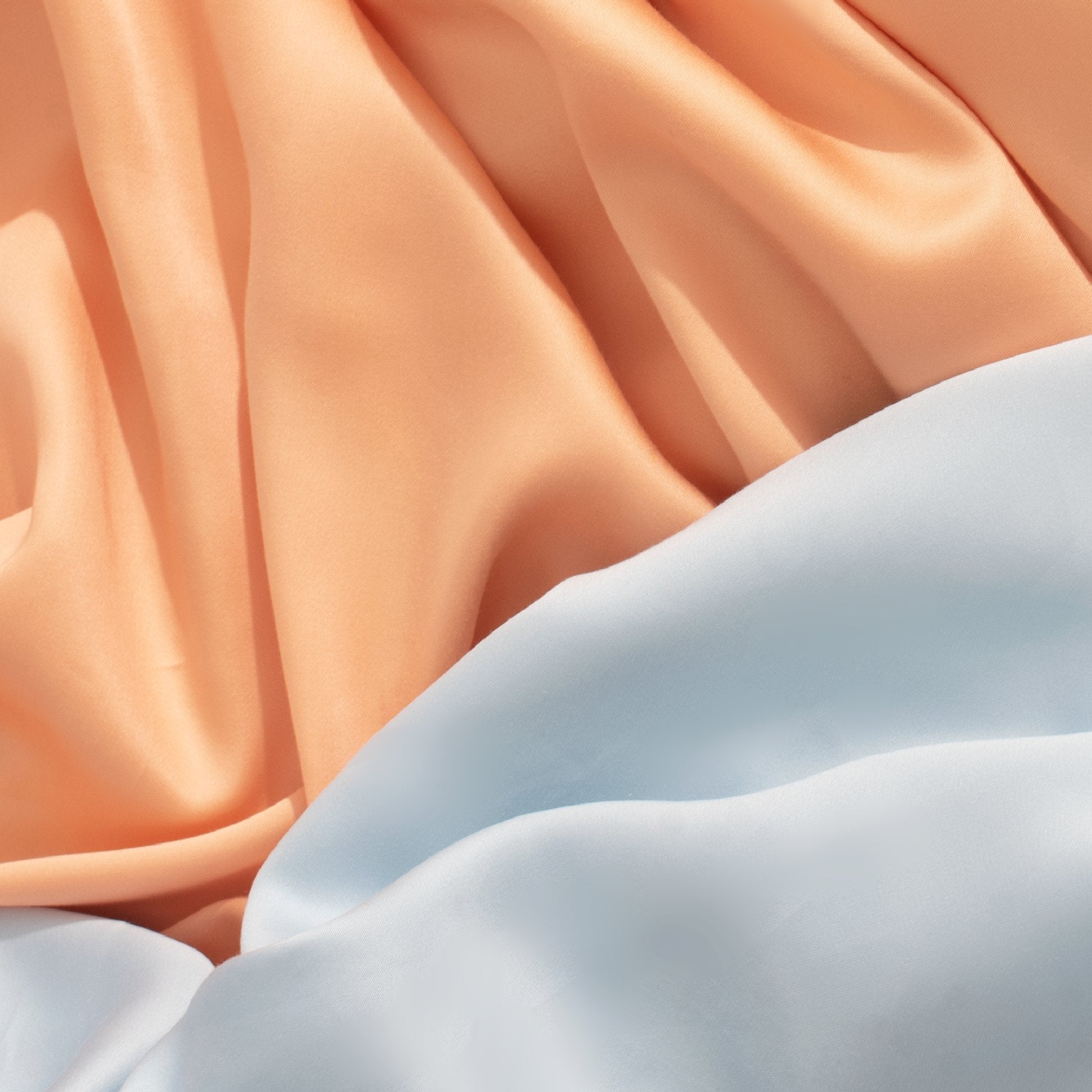
The Ru9 IceFiber Pillowcase is a product manufactured with Ice fiber cold technology, which effectively cools the head. Its excellent sweat absorption provides a cool and comfortable feeling, leading to a better and more restful sleep.
IceFiber™ cold fiber technology optimizes cooling for the neck and head, addressing temperature issues during sleep, especially for those who often sweat profusely while sleeping.
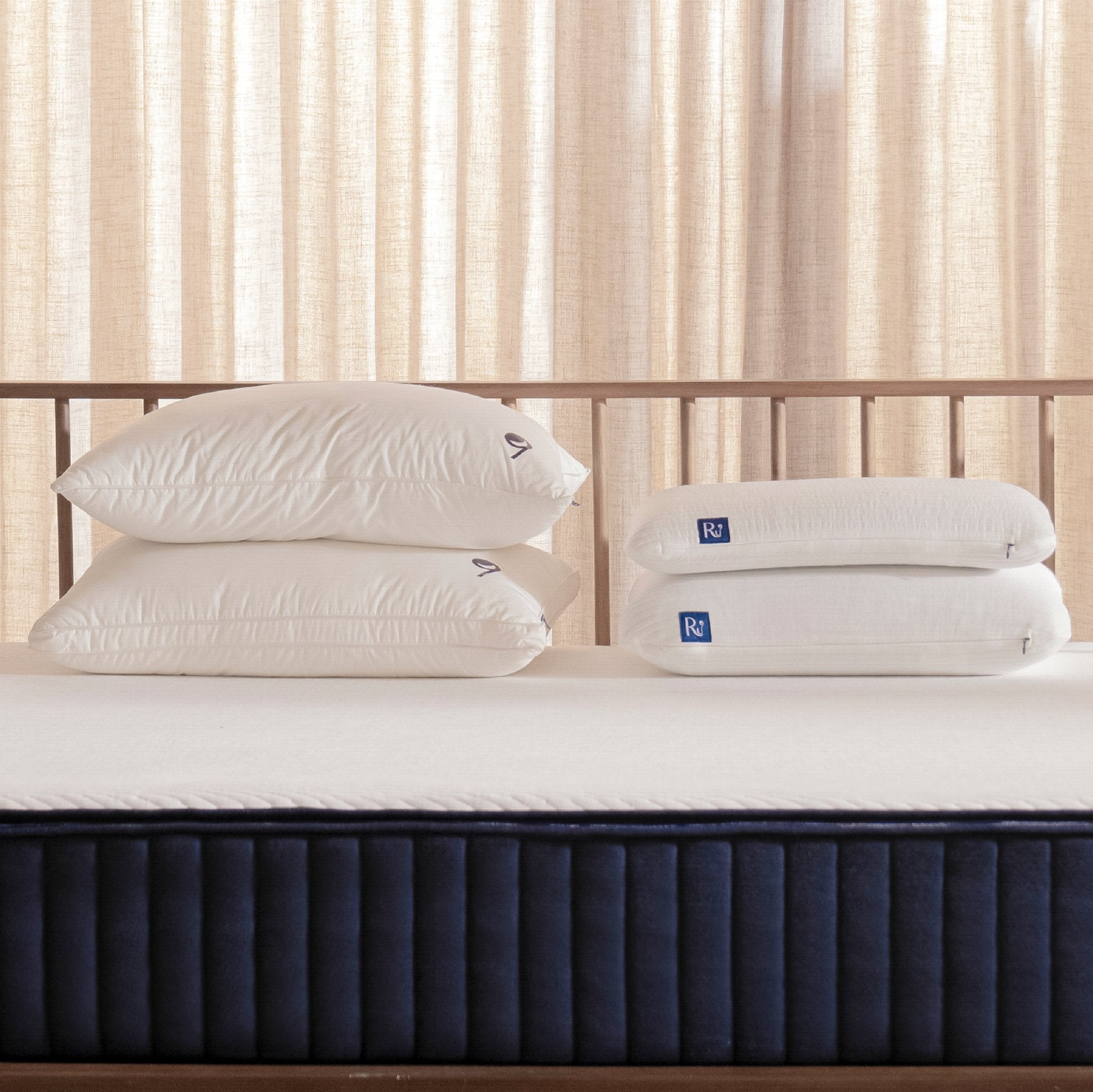
The Ru9 IceFiber Pillowcase is designed as a pouch, making it very convenient to insert or remove for cleaning. The pillowcase material is soft, smooth, breathable, and safe for health.
5.2. IceFiber Bolster Pillowcase
If the Ru9 IceFiber pillowcase helps cool your head and neck for a good and comfortable sleep, then Ru9's IceFiber bolster pillowcase provides you with the coolest and most comfortable hug.
The IceFiber cold fabric material has excellent heat absorption and cooling capabilities, giving you a soft and cool feeling when hugging the pillow to fall asleep.
The pillowcase is designed with a delicate zipper, making it easy to insert the pillow into the cover or remove it for washing when dirty.
Ru9's pillowcases and IceGuard cooling mats are made from premium, health-safe IceFiber material.
5.3. Ru9 IceGuard Cooling Mat
Ru9's IceGuard cooling mat uses the most advanced cold fabric technology, born from practical research into the sleep of Vietnamese people living in hot and humid tropical climates.
Available for the first time in Vietnam, the IceGuard Ru9 cooling mat helps cool your sleep through a cooling mechanism that absorbs cool air onto the surface to regulate the temperature under your back when lying down.
Composed of cold fabric fibers - IceFiber, Ru9's IceGuard cooling mat can maintain a comfortable and cool temperature throughout the night when the bedroom has a cool air source such as open windows (with good ventilation), a fan, or air conditioning.
Its temperature regulation and high absorbency are considered superior advantages of Ru9 products compared to other blankets on the market. Whether it's summer or winter, day or night, you will always feel comfortable with a cool, airy, and incredibly pleasant sensation.
The application of synthetic fibers in the sleep and health care industry of the future is one of Ru9's greatest successes today.
Thus, with the information shared above, we hope everyone can understand what fiber is and its important applications in producing products that serve human needs. From there, everyone will easily make the best choice for themselves when in need of health-safe products.
Source: https://en.wikipedia.org/wiki/Fiber
You might be interested in:
- What is the quality of Ru9's memory foam mattresses? Which product is the best buy?
- Update the price of genuine Ru9 Foam Topper mattresses


