










How to Improve Sleep: A Guide to Sleeping Better and Deeper Every Night
The most effective way to improve sleep is to combine three things at once: optimizing your bedroom environment (cool, dark, quiet), keeping a consistent sleep-wake schedule, and using relaxation techniques before bed. Limiting caffeine, alcohol, and screen time in the evening also helps your body fall into deeper sleep. If insomnia persists for more than 4 weeks despite doing this correctly, you should see a doctor.
To find out how to sleep better, you first need to identify what's affecting your sleep. From there, you can apply the right solutions to improve your sleep quality every night.
Sleeping Enough Hours but Still Tired - Why?
Many people sleep a full 7–8 hours a night yet still wake up feeling exhausted and sluggish. The cause lies in sleep quality, not just duration. A sleep cycle moves through stages from light sleep (NREM) to deep sleep, then REM (dream sleep) — repeating several times each night. Deep sleep is when the body physically repairs itself, consolidates memory, and releases the most growth hormone.
If your sleep environment is unstable, your mind is stressed, or your daily routine is irregular, your body spends less time in deep sleep even if total sleep time is sufficient. That's why improving deep sleep isn't simply about "sleeping more" — it requires addressing the specific factors that affect the quality of each sleep stage.
Related: Why You Still Feel Sleepy After a Full Night's Sleep
Optimizing Your Sleep Environment and Habits
This is the foundational group of solutions, directly affecting how quickly you fall asleep and how well you stay in deep sleep. According to the National Sleep Foundation, building the right sleep environment and daily habits is the most important foundation for improving sleep quality:
Keep the room cool, around 18–20°C (64–68°F). Body temperature needs to drop slightly for the brain to register that it's time to sleep.
Keep the bedroom dark and quiet. Darkness stimulates melatonin production — the hormone that regulates sleep. Use blackout curtains or an eye mask if needed.
Keep the bedroom clean and tidy, avoiding musty odors that cause discomfort.
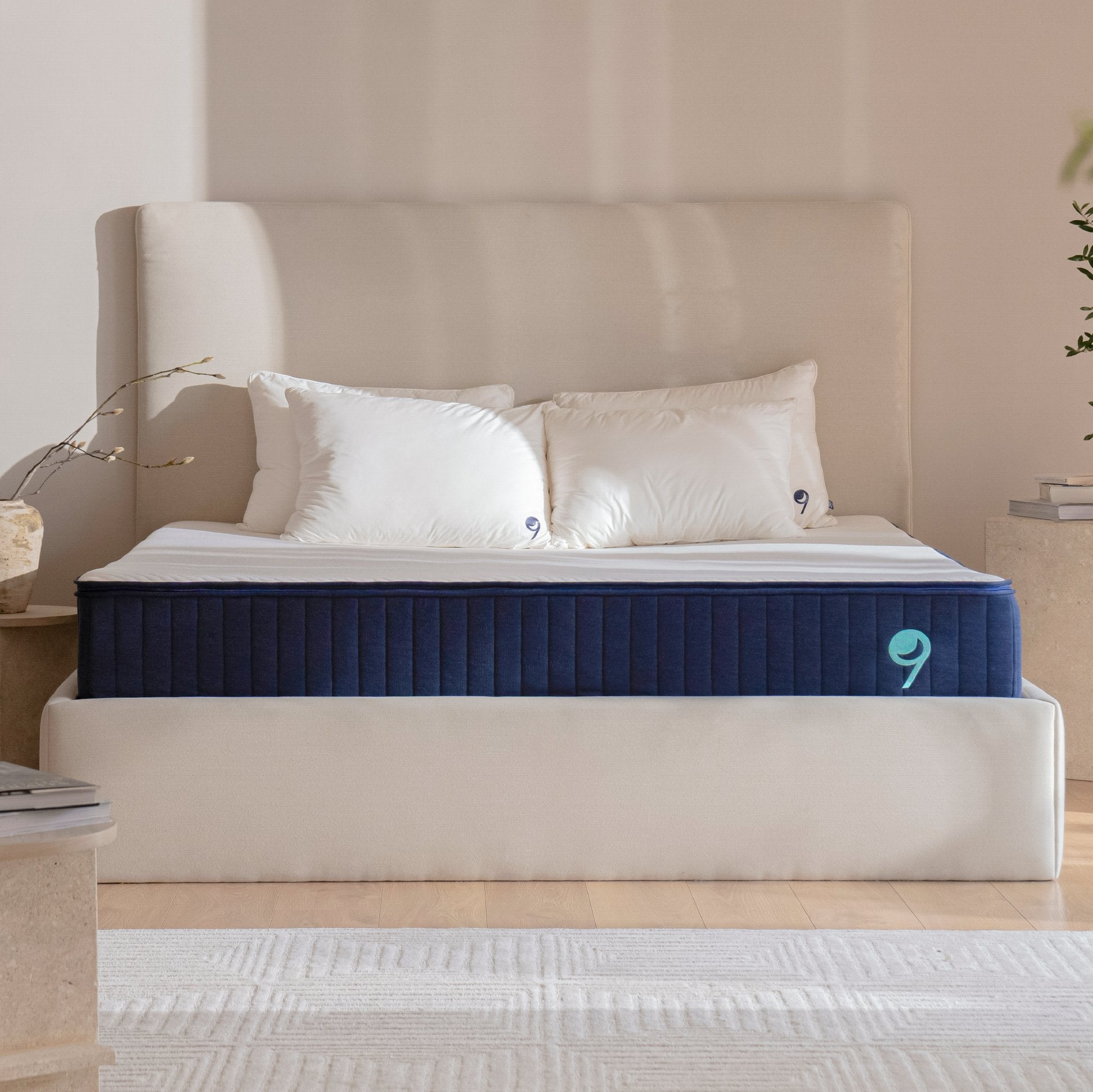
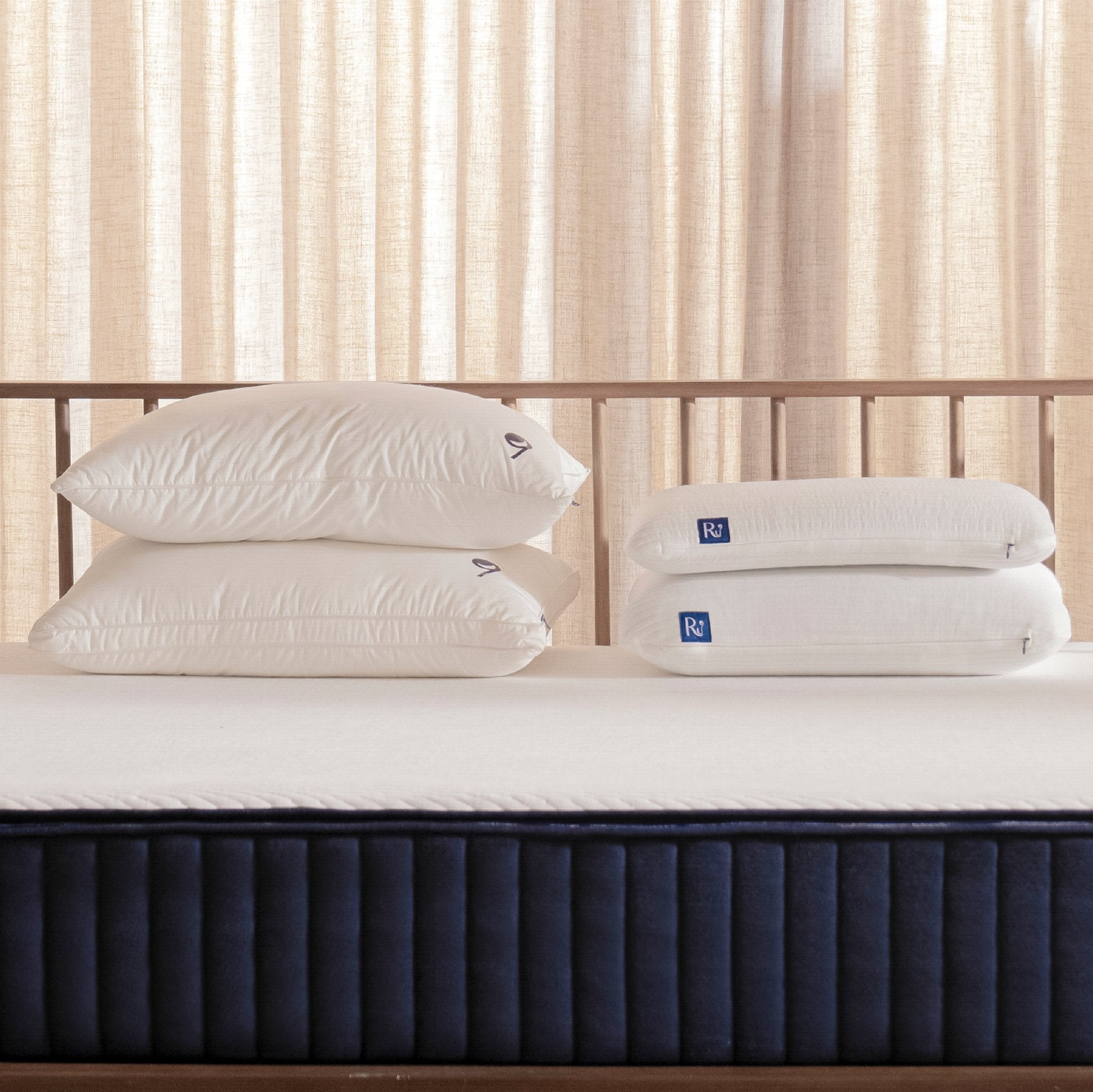
Choose a mattress and pillow suited to your sleep position and body weight. How to choose a good mattress: prioritize moderate firmness with even pressure distribution so your spine stays in its natural curve — a mattress that's too firm or too soft can cause tossing and turning or waking during the night. Also choose a breathable material to avoid overheating, and a pillow at the right height to keep your neck naturally aligned.
Limit screen time at least 1–2 hours before bed. Blue light from phones and computers suppresses melatonin production, making it harder to fall asleep.
Keep a consistent sleep-wake schedule, even on weekends, to stabilize your body clock.
Avoid long naps (over 30 minutes) or napping late in the afternoon, as this can reduce nighttime sleepiness.
Relaxation Techniques for Falling Asleep Easily
When the mind is still tense, the body struggles to fall asleep even in an ideal environment. Some recommended relaxation techniques:
The 4-7-8 breathing method: inhale through the nose for 4 counts, hold for 7 counts, exhale through the mouth for 8 counts. This slows the heart rate and reduces nervous tension.
Take a warm bath or shower 1–2 hours before bed. As the body cools afterward, it signals to the brain that it's time to sleep.
Use calming essential oils like lavender or peppermint, or listen to soft, slow-tempo music (around 60–80 BPM).
Read a physical book or journal before bed to clear lingering thoughts from the day.
Avoid clock-watching when unable to sleep, and don't force yourself to fall asleep — the anxiety of not sleeping triggers more cortisol, making it even harder.
Exercise and Daytime Light Exposure
Physical activity and natural daylight have a major impact on nighttime sleep quality. Regular exercise boosts metabolism, lowers the stress hormone cortisol, and increases deep sleep duration. However, exercise in the morning or afternoon and avoid high-intensity workouts close to bedtime, since an elevated heart rate and body temperature make it harder to relax.
Also, make an effort to get natural sunlight during the day, especially in the morning. Natural light helps reset your circadian rhythm, keeping you more alert during the day and helping you feel sleepy at the right time in the evening.
What to Eat and Avoid for Better Sleep
Diet also plays a significant role in sleep. Foods worth having in the evening include warm milk, almonds, walnuts, fatty fish (salmon, mackerel), chamomile tea, and cherries — all containing nutrients that support natural melatonin or serotonin production.
On the other hand, avoid caffeine (coffee, strong tea, energy drinks) for at least 6 hours before bed, limit alcohol — which may induce drowsiness quickly but reduces deep sleep quality — and avoid heavy, spicy, or sugary meals close to bedtime, as these can cause bloating and indigestion.
If sleep difficulties persist, some people may consider supplements like melatonin, magnesium, or L-theanine — but should consult a doctor first to ensure the right dosage and timing.
Sleep Improvement Tips by Group
The causes of poor sleep vary from person to person, so solutions should be tailored to each group's specific needs:
Office workers under constant work stress: The biggest challenge is not being able to "switch off" work thoughts at bedtime. Try writing tomorrow's to-do list before leaving your desk, and keep your workspace strictly separate from your bedroom so your brain doesn't associate the bed with stress.
Night-shift workers or those with a disrupted body clock: A reversed natural rhythm makes it hard for the body to distinguish day from night. Use full blackout curtains when sleeping during the day, wear blue-light-blocking glasses before a shift, and try to keep a fixed sleep schedule even during daytime hours.
Pregnant women and those in perimenopause or menopause: Hormonal changes during these stages often cause insomnia, night sweats, or physical discomfort. Prioritize side-sleeping (especially during pregnancy), limit afternoon caffeine, and talk to a doctor if hot flashes significantly affect sleep.
Older adults: Sleep naturally becomes lighter and more prone to nighttime waking with age. Staying gently active during the day (walking, tai chi) and limiting naps to under 30 minutes can help improve nighttime sleep quality.
People who feel anxious or overthink before bed: This is often a vicious cycle — the more you worry about not sleeping, the harder it becomes. If you're still awake after 20 minutes, get out of bed, do something calming (read, listen to music), and return only when you actually feel sleepy, rather than forcing yourself to lie still.
Related: How Many Hours of Sleep Do You Need Per Day
When Should You See a Doctor?
If you've tried the above but still struggle to sleep for more than 4 weeks, or experience this at least 3 nights a week for around 3 months, it may signal a sleep disorder that needs medical attention. In particular, if you have loud snoring, sleep apnea, or wake up repeatedly at night along with persistent daytime fatigue, see a specialist for proper diagnosis and treatment.
Frequently Asked Questions
How can I naturally improve deep sleep without medication? Keep the bedroom cool and dark, exercise regularly during the day, limit caffeine and screens in the evening, and use relaxation techniques such as 4-7-8 breathing or a warm bath before bed.
How long before these sleep-improvement methods show results? For most people, consistently maintaining these habits for 1–2 weeks leads to noticeable improvement in falling asleep faster and waking less at night. If there's no improvement after that, consider seeing a doctor.
In short, quality sleep comes from the right combination of a suitable sleep environment, disciplined daily habits, and a relaxed mindset before bed. Start with small changes and stay consistent — and if insomnia persists despite your efforts, don't hesitate to see a specialist for proper support.
20/09/2026

When Should You Replace Your Mattress? Signs and Lifespan by Mattress Type
According to the Sleep Foundation (USA), you should replace your mattress every 6 to 8 years under normal use. That said, actual lifespan depends heavily on the material: innerspring mattresses typically last 6–8 years, while natural latex or high-quality foam mattresses can last up to 10 years with proper care. Beyond the general timeframe, you should replace your mattress as soon as you notice signs such as sagging, visible damage, unusual noises, allergy flare-ups, or waking up with recurring muscle and joint pain — these are clear signals that the mattress is no longer supporting your sleep and spine properly, regardless of its age.
So how do you know exactly when to replace your mattress? This article walks you through the full set of warning signs, the expected lifespan of common mattress types, and practical tips to help your mattress last longer.
1. Average Mattress Lifespan by Type
Every mattress type is built with different materials and construction, so the ideal replacement timeline varies accordingly. Here's a reference table for the average lifespan of the most common mattress types on the market:
Mattress Type
Average Lifespan
Notes
Compressed cotton/fiber mattress
3–5 years
Sags fastest, lowest cost
Innerspring mattress
6–8 years
Coils lose bounce over time and may creak
Natural latex mattress
7–10 years
Highly durable, resists deformation
Foam mattress (memory foam)
7–10 years
Lifespan depends heavily on foam quality and density
Waterbed mattress
12–15 years
Most durable, though less common in everyday households
Keep in mind these are reference figures only. A mattress's actual lifespan also depends on the quality of the original materials, how often it's used, the sleeper's body weight, and day-to-day care. A budget mattress can start deteriorating after just 2–3 years, while a well-maintained premium mattress can remain comfortable for well over a decade.
2. 8 Signs You Need a New Mattress
Even if your mattress hasn't reached its "expiration" age, if any of the following signs show up, it's worth considering a replacement sooner rather than later.
2.1. Waking up with back pain or a stiff neck and shoulders
This is the most common and easiest sign to notice. As a mattress deteriorates, its ability to support the spine drops significantly, putting extra strain on pressure points like the shoulders, hips, and lower back throughout the night. The result: you wake up sore even after a full night's sleep.
2.2. Sagging, sinking, or loss of bounce
After prolonged pressure in the same spot — usually your usual sleeping position — a mattress develops noticeable indentations. If you can feel the outline of your body pressed into the surface when you lie down, the internal cushioning layer has lost its ability to spring back to its original shape.
See more: Does foam mattress sag
2.3. Creaking noises or exposed coils
This sign is specific to innerspring mattresses. As the coil system ages, it can start creaking every time you shift position, and in worse cases, coils may even poke through the fabric cover and press uncomfortably against your body.
2.4. Stains, mold, or persistent odors
Sweat, dead skin cells, and trapped moisture create ideal conditions for mold and bacteria to grow inside a mattress over time. If you notice a musty smell even after thorough cleaning, or see dark stains on the surface, it's a sign the mattress needs replacing for health reasons.
2.5. Sudden allergies, sneezing, or sinus flare-ups
An old mattress is a prime breeding ground for dust mites, bacteria, and other allergens. If you're suddenly experiencing itchy skin, frequent sneezing, or worsening asthma or sinus symptoms with no clear cause, your mattress could well be the culprit.
2.6. Difficulty falling asleep, shallow sleep, or frequent waking in the middle of the night
When a mattress is too firm or too soft for your body's needs, you might constantly toss and turn to find a comfortable position, causing your sleep to be interrupted multiple times throughout the night. Therefore, understanding whether to choose a firm or soft mattress will help you select the appropriate firmness, supporting your body to relax better and maintain deep sleep quality.
2.7. Feeling hot or sweating on your back while sleeping
Over time, the internal layers of a mattress — particularly foam — compress and lose their ability to allow air to circulate. If the cooling gel layer has also worn off after repeated washing, you'll likely feel stuffy and uncomfortable while sleeping, especially in hot, humid weather.
2.8. Your body has changed and the mattress no longer fits your needs
Not every mattress replacement is due to wear and tear. If you've gained significant weight, are pregnant, or are dealing with spinal issues such as a herniated disc or sciatica, your body's support needs have shifted since you first bought the mattress. In these cases, a new mattress with the right firmness and support will do far more for your health than trying to "tough it out" on the old one.
3. How to Test Your Mattress at Home
Before deciding to replace your mattress, you can run a few simple checks yourself:
Press test: Firmly press your palm into the surface at the spot you usually sleep on. If it doesn't bounce back to its original shape or sinks unusually deep, that's a sign the foam or coils underneath have deteriorated.
Visual inspection without bedding: Look at the mattress under good lighting to spot indentations, stains, or worn, torn fabric.
Lie down and feel: Lie in your usual sleeping position for a few minutes. If the support feels uneven, with hard spots or unusually deep sinking, the mattress is no longer supporting your whole body evenly.
Compare with another mattress: If you consistently sleep noticeably better at a hotel or a relative's house, that's a fairly clear sign your mattress at home needs replacing.
4. How Often Should You Replace Your Mattress?
Generally, experts recommend replacing a mattress every 6–10 years, depending on the type and how it's been used. That said, this figure is only a guideline. What matters more is paying attention to signals from your own body: if your mattress hasn't reached the recommended age but already shows signs of wear covered above, it's still worth replacing sooner to protect your spine and sleep quality.
On the other hand, a premium mattress that's properly cared for can maintain its comfort and support well past the 10-year mark.
5. Tips to Extend Your Mattress's Lifespan
To delay the need for replacement and save on costs, try these care habits:
Use a mattress protector: Helps keep sweat, dirt, and bacteria from soaking into the internal layers.
Do not jump or step heavily on the mattress: Sudden impact can damage the coil structure or break down the foam's internal bonds.
Do not eat or drink in bed: Food crumbs attract insects and create a breeding ground for mold.
Vacuum and clean regularly, every 3–6 months: Removes accumulated dust and dust mites from the surface.
Rotate or flip the mattress periodically (if the design allows): Helps distribute pressure more evenly and prevents localized sagging.
Make sure the bed frame or base provides solid support: A mattress placed on an unsuitable surface will sag and deform faster than normal.
See more: How to clean a mattress at home
6. Frequently Asked Questions
How often should you replace your mattress? On average, every 6–10 years depending on the type, but sooner if the mattress shows clear signs of wear such as sagging, mold, or causing back pain.
If a new mattress still causes back pain, does that mean it's low quality? Not necessarily. A new mattress isn't automatically the right fit for every body. Side sleepers, back sleepers, and stomach sleepers each need different levels of firmness. If the mattress type doesn't match your sleep position and body type, back pain can still occur even on a brand-new mattress.
Should you replace a mattress before it reaches the recommended age? Yes. The number of years is only a guideline. If your body is already signaling trouble — poor sleep, recurring aches — or the mattress shows physical damage, there's no need to wait until it's "old enough" to replace it.
Does regular cleaning help delay the need for a new mattress? Regular cleaning removes dirt, odors, and mold, which can extend a mattress's lifespan to some degree. However, cleaning can't restore lost bounce or support. Think of it as supplementary care, not a substitute for buying a new mattress when it's genuinely needed.
Conclusion
Knowing exactly when to replace your mattress doesn't just mean better sleep every night — it also protects your spine health in the long run. Rather than relying solely on the number of years, pay attention to the real signals from your body and the physical condition of your mattress to make the call at the right time. Replacing it a little early is always better than putting up with a mattress that's long past its prime.
08/09/2026

Bedtime stories for children to sleep well: 10 easy-to-sleep stories
In addition to preparing a standard small bed with full blankets, sheets, pillows to help your baby sleep well, reading short stories that tell bedtime stories for babies is very important to help them develop comprehensively. both in terms of EQ and IQ.
01/01/2026

What is the ideal thread count for bedding?
Thread count - weave density is a factor that greatly affects the fabric, especially sheets, duvet covers, pillowcases. So what is the optimal thread count level? Is the higher the weave density the better?
03/08/2025

Is Sleeping 7 Hours a Day Enough?
Is sleeping 7 hours a day enough? What is the best way to sleep? Let's find out the answers in this article!
29/07/2025

Is waking up at 4 AM good?
Waking up early every day is a very good habit that benefits your body and your life. However, for many people, especially young people who are in their "eating and sleeping age", having to wake up early from a sound sleep is like torture. For those who can't sleep, the habit of waking up early is like a precise biological clock, accurate to the second, to the minute. But due to lack of sleep and inability to sleep, even waking up early doesn't feel comfortable, and can even be very tiring. So, how can you wake up at 4 AM with a comfortable mindset? Everyone, please follow the information shared in the content below!
13/07/2025


