












The most effective way to improve sleep is to combine three things at once: optimizing your bedroom environment (cool, dark, quiet), keeping a consistent sleep-wake schedule, and using relaxation techniques before bed. Limiting caffeine, alcohol, and screen time in the evening also helps your body fall into deeper sleep. If insomnia persists for more than 4 weeks despite doing this correctly, you should see a doctor.
To find out how to sleep better, you first need to identify what's affecting your sleep. From there, you can apply the right solutions to improve your sleep quality every night.

Sleeping Enough Hours but Still Tired - Why?
Many people sleep a full 7–8 hours a night yet still wake up feeling exhausted and sluggish. The cause lies in sleep quality, not just duration. A sleep cycle moves through stages from light sleep (NREM) to deep sleep, then REM (dream sleep) — repeating several times each night. Deep sleep is when the body physically repairs itself, consolidates memory, and releases the most growth hormone.

If your sleep environment is unstable, your mind is stressed, or your daily routine is irregular, your body spends less time in deep sleep even if total sleep time is sufficient. That's why improving deep sleep isn't simply about "sleeping more" — it requires addressing the specific factors that affect the quality of each sleep stage.
Related: Why You Still Feel Sleepy After a Full Night's Sleep
Optimizing Your Sleep Environment and Habits
This is the foundational group of solutions, directly affecting how quickly you fall asleep and how well you stay in deep sleep. According to the National Sleep Foundation, building the right sleep environment and daily habits is the most important foundation for improving sleep quality:
- Keep the room cool, around 18–20°C (64–68°F). Body temperature needs to drop slightly for the brain to register that it's time to sleep.
- Keep the bedroom dark and quiet. Darkness stimulates melatonin production — the hormone that regulates sleep. Use blackout curtains or an eye mask if needed.
- Keep the bedroom clean and tidy, avoiding musty odors that cause discomfort.
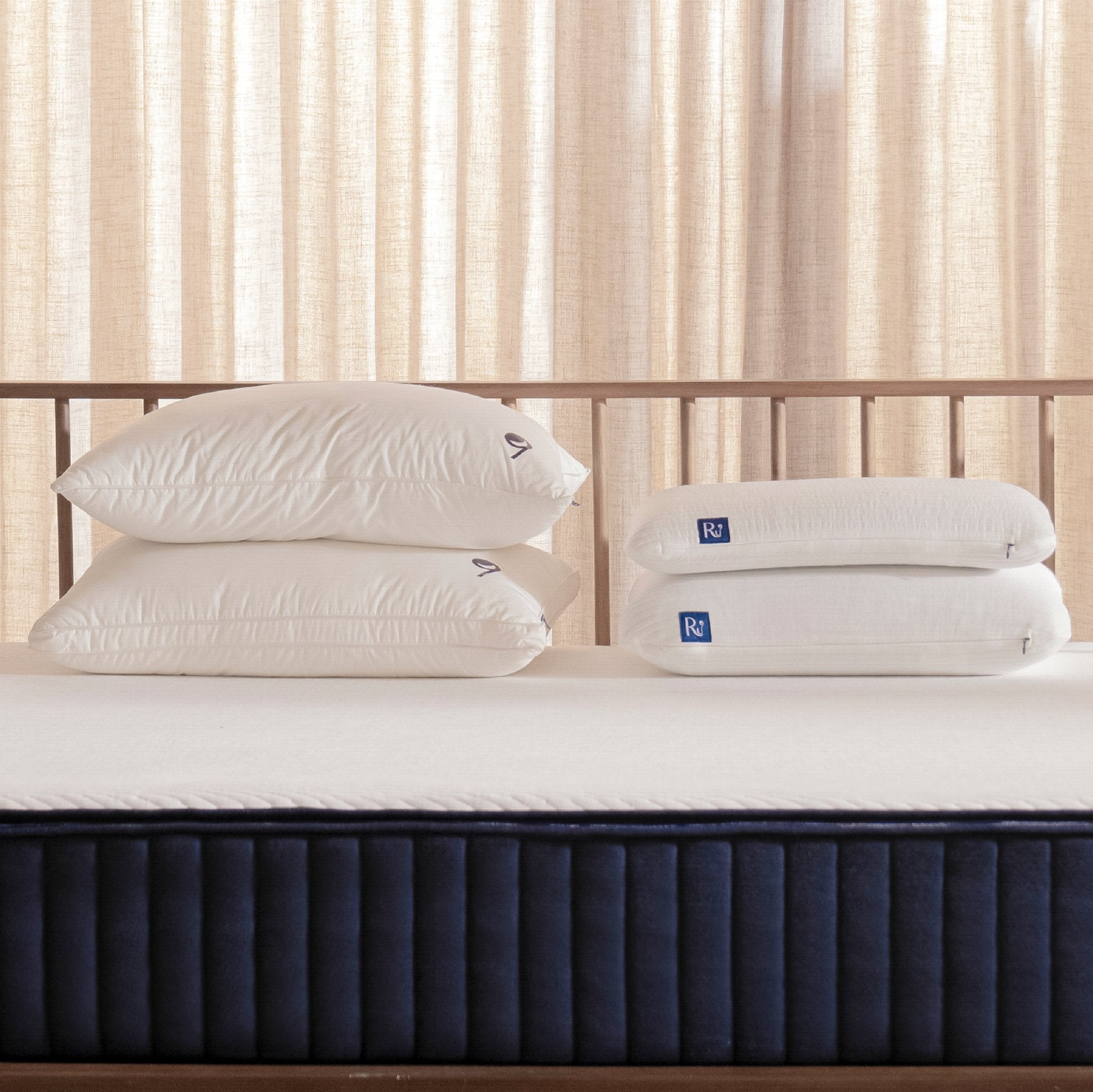
- Choose a mattress and pillow suited to your sleep position and body weight. How to choose a good mattress: prioritize moderate firmness with even pressure distribution so your spine stays in its natural curve — a mattress that's too firm or too soft can cause tossing and turning or waking during the night. Also choose a breathable material to avoid overheating, and a pillow at the right height to keep your neck naturally aligned.
- Limit screen time at least 1–2 hours before bed. Blue light from phones and computers suppresses melatonin production, making it harder to fall asleep.
- Keep a consistent sleep-wake schedule, even on weekends, to stabilize your body clock.
- Avoid long naps (over 30 minutes) or napping late in the afternoon, as this can reduce nighttime sleepiness.

Relaxation Techniques for Falling Asleep Easily
When the mind is still tense, the body struggles to fall asleep even in an ideal environment. Some recommended relaxation techniques:
- The 4-7-8 breathing method: inhale through the nose for 4 counts, hold for 7 counts, exhale through the mouth for 8 counts. This slows the heart rate and reduces nervous tension.
- Take a warm bath or shower 1–2 hours before bed. As the body cools afterward, it signals to the brain that it's time to sleep.
- Use calming essential oils like lavender or peppermint, or listen to soft, slow-tempo music (around 60–80 BPM).
- Read a physical book or journal before bed to clear lingering thoughts from the day.
- Avoid clock-watching when unable to sleep, and don't force yourself to fall asleep — the anxiety of not sleeping triggers more cortisol, making it even harder.
Exercise and Daytime Light Exposure
Physical activity and natural daylight have a major impact on nighttime sleep quality. Regular exercise boosts metabolism, lowers the stress hormone cortisol, and increases deep sleep duration. However, exercise in the morning or afternoon and avoid high-intensity workouts close to bedtime, since an elevated heart rate and body temperature make it harder to relax.
What to Eat and Avoid for Better Sleep
Diet also plays a significant role in sleep. Foods worth having in the evening include warm milk, almonds, walnuts, fatty fish (salmon, mackerel), chamomile tea, and cherries — all containing nutrients that support natural melatonin or serotonin production.
On the other hand, avoid caffeine (coffee, strong tea, energy drinks) for at least 6 hours before bed, limit alcohol — which may induce drowsiness quickly but reduces deep sleep quality — and avoid heavy, spicy, or sugary meals close to bedtime, as these can cause bloating and indigestion.

If sleep difficulties persist, some people may consider supplements like melatonin, magnesium, or L-theanine — but should consult a doctor first to ensure the right dosage and timing.
Sleep Improvement Tips by Group
The causes of poor sleep vary from person to person, so solutions should be tailored to each group's specific needs:
Office workers under constant work stress: The biggest challenge is not being able to "switch off" work thoughts at bedtime. Try writing tomorrow's to-do list before leaving your desk, and keep your workspace strictly separate from your bedroom so your brain doesn't associate the bed with stress.
Night-shift workers or those with a disrupted body clock: A reversed natural rhythm makes it hard for the body to distinguish day from night. Use full blackout curtains when sleeping during the day, wear blue-light-blocking glasses before a shift, and try to keep a fixed sleep schedule even during daytime hours.
Pregnant women and those in perimenopause or menopause: Hormonal changes during these stages often cause insomnia, night sweats, or physical discomfort. Prioritize side-sleeping (especially during pregnancy), limit afternoon caffeine, and talk to a doctor if hot flashes significantly affect sleep.
Older adults: Sleep naturally becomes lighter and more prone to nighttime waking with age. Staying gently active during the day (walking, tai chi) and limiting naps to under 30 minutes can help improve nighttime sleep quality.
People who feel anxious or overthink before bed: This is often a vicious cycle — the more you worry about not sleeping, the harder it becomes. If you're still awake after 20 minutes, get out of bed, do something calming (read, listen to music), and return only when you actually feel sleepy, rather than forcing yourself to lie still.
Related: How Many Hours of Sleep Do You Need Per Day

When Should You See a Doctor?
If you've tried the above but still struggle to sleep for more than 4 weeks, or experience this at least 3 nights a week for around 3 months, it may signal a sleep disorder that needs medical attention. In particular, if you have loud snoring, sleep apnea, or wake up repeatedly at night along with persistent daytime fatigue, see a specialist for proper diagnosis and treatment.
Frequently Asked Questions
How can I naturally improve deep sleep without medication? Keep the bedroom cool and dark, exercise regularly during the day, limit caffeine and screens in the evening, and use relaxation techniques such as 4-7-8 breathing or a warm bath before bed.
How long before these sleep-improvement methods show results? For most people, consistently maintaining these habits for 1–2 weeks leads to noticeable improvement in falling asleep faster and waking less at night. If there's no improvement after that, consider seeing a doctor.
In short, quality sleep comes from the right combination of a suitable sleep environment, disciplined daily habits, and a relaxed mindset before bed. Start with small changes and stay consistent — and if insomnia persists despite your efforts, don't hesitate to see a specialist for proper support.


