









Both foam mattresses and synthetic latex mattresses are popular choices for consumers seeking a good night's sleep. Because of their softness and excellent body support, many people confuse the two types. Let Ru9 help you compare foam mattresses and synthetic latex mattresses to find their differences. This will help customers choose the product that best suits their needs.
1. Characteristics of Foam Mattresses
Foam mattresses are mattresses with a core made from various types of foam. Regarding the material that makes up this type of mattress, foam is produced from polyurethane fibers combined with some other materials.
See details at: What is a foam mattress? Which users are foam mattresses suitable for?
Currently, there are many different types of foam mattresses on the market: memory foam, PE foam, PVC foam, PU foam,...
Memory foam material is enthusiastically received in the European and American markets. It is highly valued for its ability to prevent aches, shoulder pain, back pain, etc.

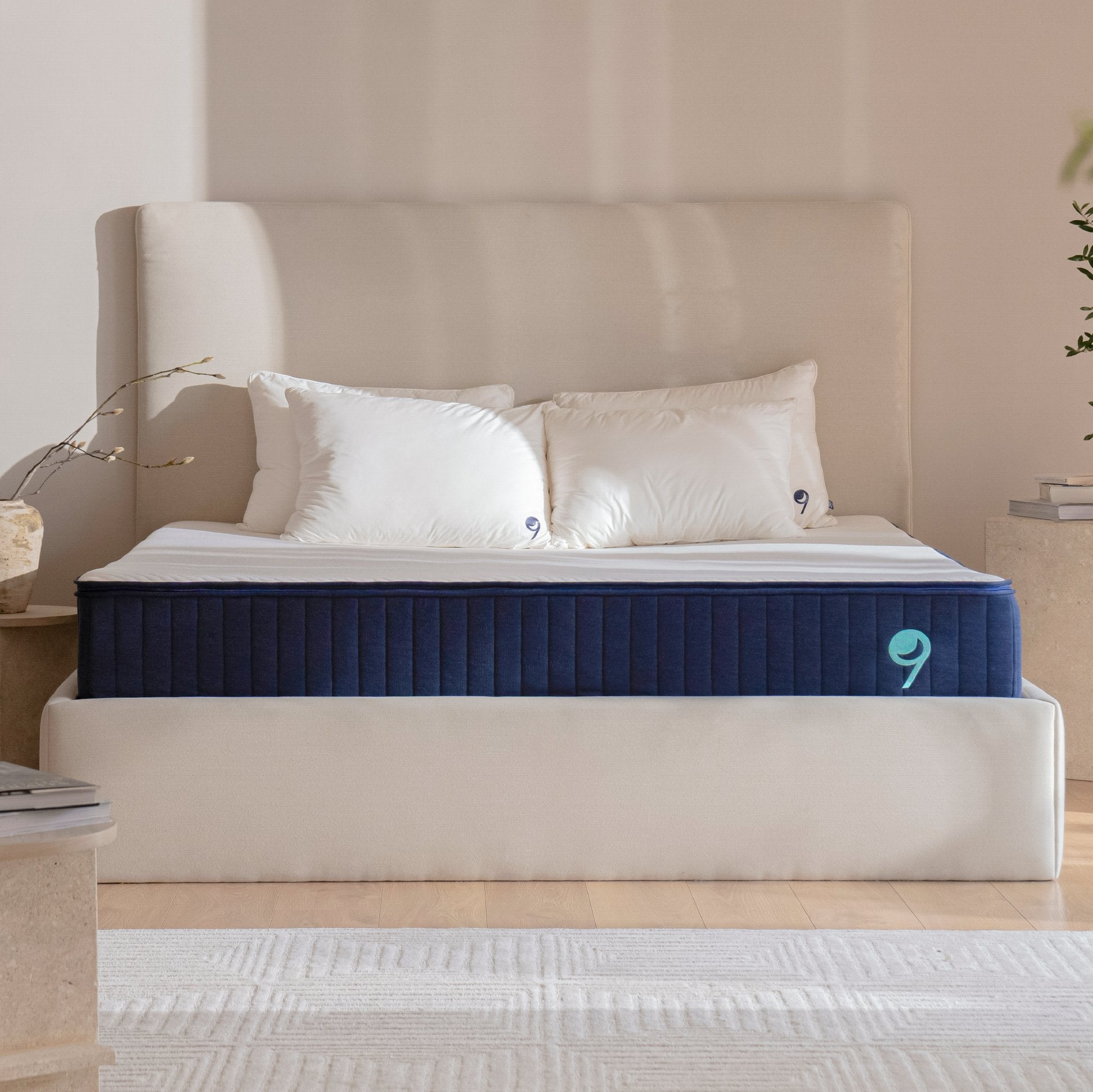
Memory Foam Mattress Ru9 is honored to be the pioneer brand in Vietnam in using foam material and has been widely accepted by customers. The Original Mattress is composed of 3 layers of foam, with the second layer being memory foam that effectively disperses pressure, creating comfort when lying down without any counter-pressure. In addition, gel memory foam technology also helps dissipate heat, cool down, and prevent stuffiness when lying down.
Advantages of foam mattresses
- Safe for users, non-irritating to the skin, no unpleasant odor
- Good support, moderate softness and elasticity, the body can maintain its natural curvature, without adverse effects on the spine.
- Excellent motion isolation, even if you turn over, it will not cause shaking or noises that affect others
- Enhanced breathability and moisture circulation.
- Lightweight, simple to clean, saving time and effort.
- Good durability, decent lifespan, not much change during use
Disadvantages of foam mattresses
- Poor quality mattress brands that do not apply heat regulation technologies will cause a stuffy feeling, and poor foam layer bonding makes the mattress easily deformed.
- High-end foam mattresses offer a great experience but come at a high price.

Read more:
- Learn more: What is a Foam Mattress?
- Foam mattresses and compressed cotton mattresses: Comparing pros and cons
- Review is Ru9 Foam mattress good?
- What is a Foam Latex mattress? Pros and cons of Foam Latex mattresses
- Which brand of Foam mattress is best to buy? Top 3 brands today
- Should I buy a mattress topper to use with a Foam mattress?
2. Characteristics of Synthetic Latex Mattresses

Synthetic latex mattresses are made from synthetic rubber
Synthetic latex mattress is a type of artificial rubber mattress, produced from a plastic-derived compound called Polyurethane foam and using additional additives to shape the material and increase elasticity. Synthetic latex mattresses are not natural latex mattresses; they are a type of synthetic rubber that does not contain O.D.P, CFC, or HCFC.
Advantages of synthetic latex mattresses
- Soft and comfortable thanks to high-density PU Foam material
- Good ventilation thanks to air holes, preventing stuffiness and heat around the head when lying down.
- Safe for skin with a monolithic structure, limiting dust and bacteria on the surface for a long time.
- Moderate body support
- High durability, does not sink much when lying down
- Relatively light, easy to move
Disadvantages of synthetic latex mattresses
- Not as environmentally friendly as natural latex mattresses
- People weighing over 65kg will sink significantly when lying down, affecting the curvature of the spine.
- Unqualified products may have an unpleasant chemical odor.
Read more:
- Where to buy cheap, genuine 1.2m x 2m synthetic latex mattresses?
- Where to buy cheap, genuine 1.4m x 2m synthetic latex mattresses ?
- Where to buy cheap, genuine 1.6m x 2m synthetic latex mattresses ?
- Where to buy cheap, genuine 1.8m x 2m synthetic latex mattresses ?
- Where to buy cheap, genuine 2m x 2.2m synthetic latex mattresses ?
- Update the best price list for 10cm thick synthetic latex mattresses
- Update the best price list for 15cm thick synthetic latex mattresses
- Update the best price list for 20cm thick synthetic latex mattresses
3. Comparing Foam Mattresses and Synthetic Latex Mattresses
Below are some criteria for readers to compare foam mattresses and synthetic latex mattresses:
Body support while sleeping
Both foam mattresses and synthetic latex mattresses are highly rated for their ability to support the body and protect the natural curvature of the spine. As a result, after a long night's sleep, people do not feel aches and pains, and over time, a safe sleeping posture is formed.
The level of support of synthetic latex and foam mattresses can be felt by pressing a hand down on the mattress and slowly observing the speed at which it returns to its original shape. Foam mattresses are rated to conform closely to the body when lying down, optimizing their supportive function. Many types of synthetic latex mattresses have poor elasticity, do not fully conform to the body, and uneven weight distribution leads to aches and pains upon waking.
Motion isolation capabilities of mattresses
When sleeping, we often turn over and shift positions, which can be quite inconvenient and affect the person next to us if the mattress shakes. Both synthetic latex mattresses and foam mattresses have the ability to absorb motion, isolate the transmission, and not affect the person next to them.
Safety
Many people believe that foam mattresses, with their artificial materials, will affect the mattress's eco-friendliness. However, today's high-end mattress brands all use absolutely safe PU Foam material, integrated with antibacterial and cooling technology, helping to reduce mold.

Ru9 foam mattresses are sturdy, providing a comfortable sleep for the whole family
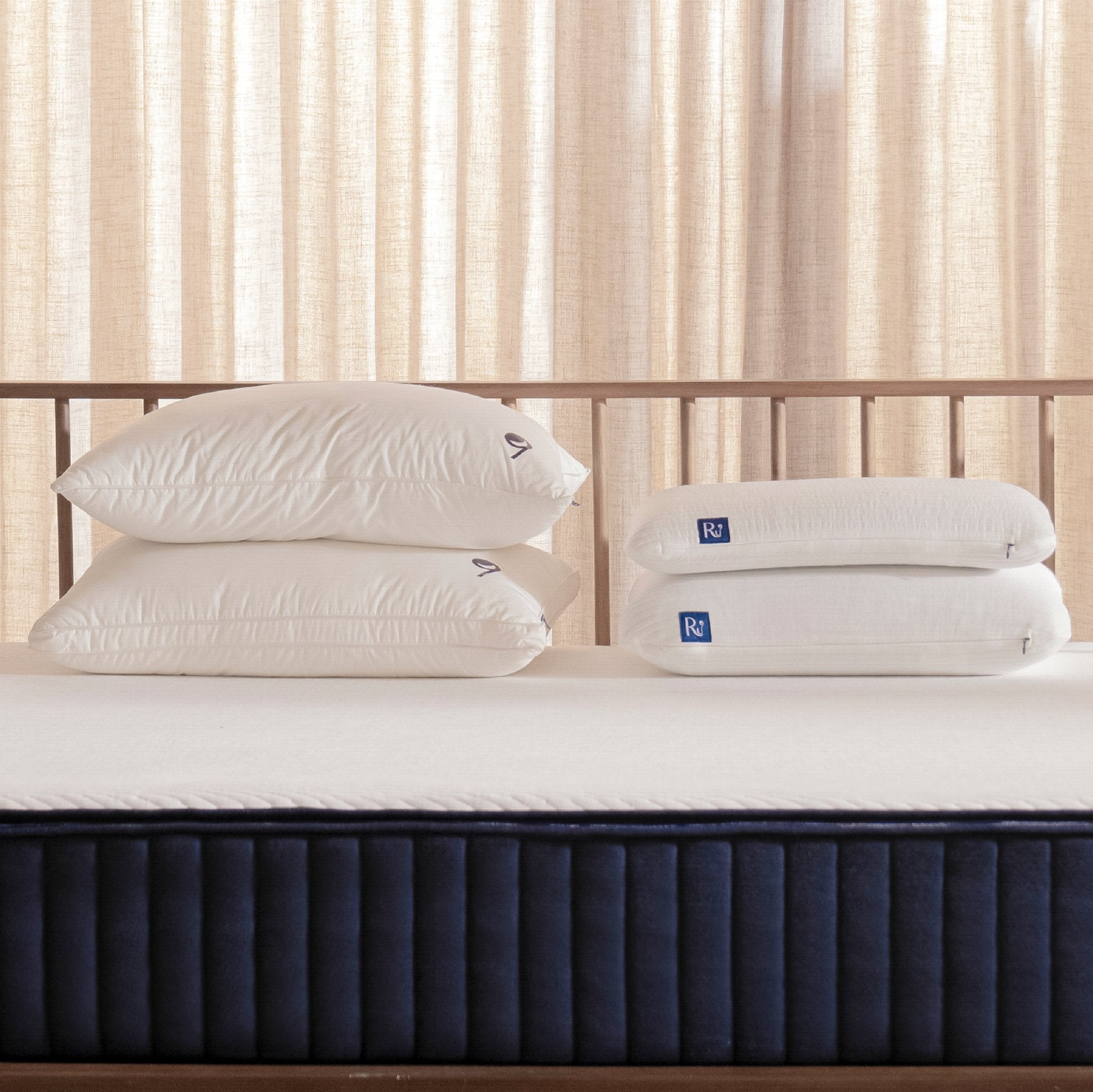
Nest Mattress by Ru9, with its soft Ru9 Contour Foam layer that cradles the body above and a durable PU Foam layer below, will help you stay stable and comfortable while sleeping. The mattress has moderate elasticity, preventing your body from sinking too much. The foam layers are tightly linked yet remain breathable for a good night's sleep for the family.
Heat dissipation capability
The surface of synthetic latex mattresses has ventilation holes that help regulate temperature, allowing maximum air circulation. In addition, rubber foaming technology supports cooling, helping to reduce the feeling of stuffiness when in contact.
Foam mattresses, on the other hand, have heat retention properties, and their temperature regulation ability is rated lower than latex mattresses. However, manufacturers today have overcome this drawback by adding ventilation holes and a cooling gel layer on the mattress surface.
Mattress lifespan

Synthetic latex mattresses have a long lifespan, lasting over a decade
Latex mattresses have the highest durability among all mattress types, lasting over 10 years. After long-term use, the mattress still retains its original shape, without sagging or sinking. While the durability of foam mattresses is not as high, they also have a decent lifespan. Typically, foam mattresses can be used for 7-10 years. Many brands use sturdy PU Foam to protect the mattress's elasticity, preventing it from deforming.
Product price
The price of synthetic latex mattresses is relatively high, causing many people to hesitate when deciding to buy. Foam mattresses, with their suitable price and outstanding features (good durability, motion isolation, natural body support, etc.), are the choice of many customers.
Skin irritation
Both synthetic latex mattresses and foam mattresses receive positive feedback from users regarding skin safety. The carefully selected raw materials and production process ensure that they do not cause allergic reactions.
Convenience of movement
Both foam mattresses and synthetic latex mattresses are quite light, making them easy to move to another location for storage or cleaning.
Weight-bearing capacity
High-end foam mattresses with tightly linked foam layers have better weight-bearing capacity, while synthetic latex mattresses are prone to sinking and losing their original shape for people weighing over 65kg.
Above, Ru9 has helped readers compare foam mattresses and synthetic latex mattresses so that everyone no longer confuses these two types of mattresses. Based on the criteria presented, users will easily make decisions that suit their needs and conditions. In general, whether it's a synthetic latex mattress or a foam mattress, when buying, people need to choose reputable brands to get the best quality products for their sleep.
Ru9 brand is committed to always providing customers with high-quality products!
Related articles:
- Are synthetic latex mattresses good? Are they harmful to health?
- Which synthetic latex mattress brand is best to buy?
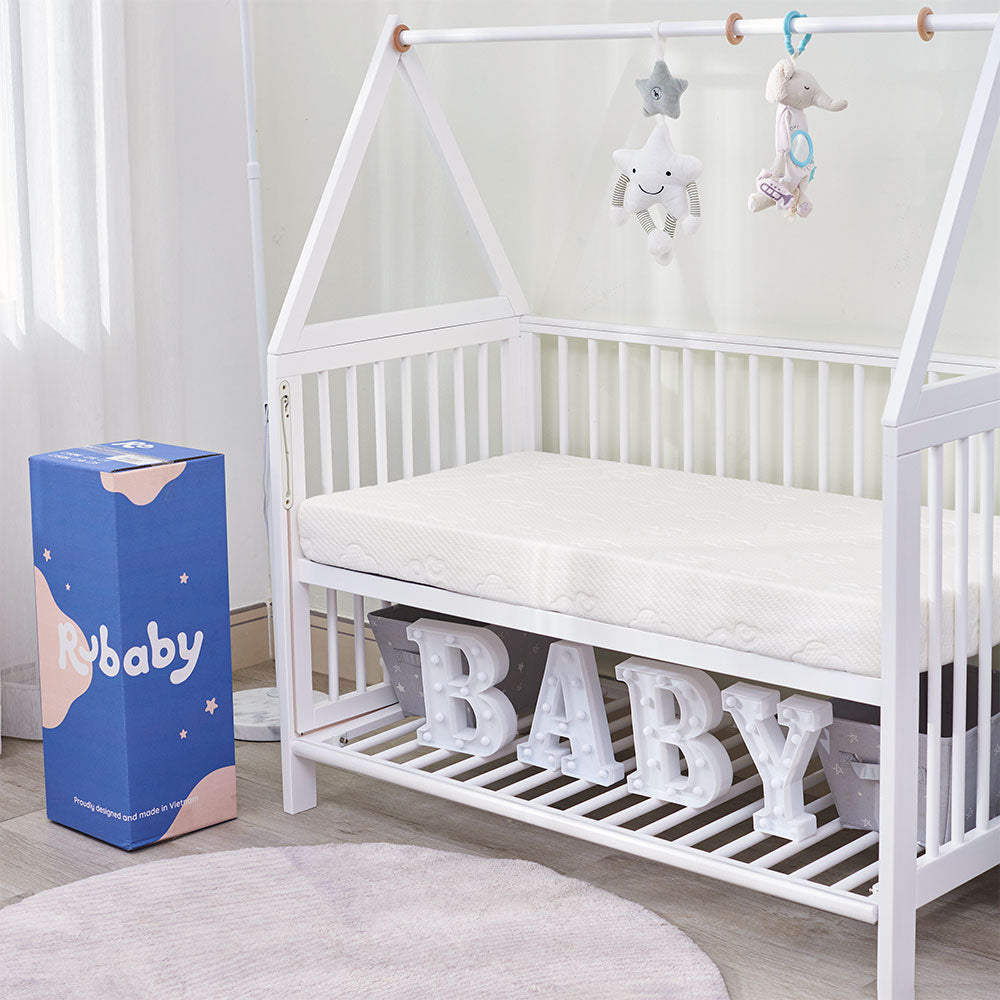
- Are foam mattresses good for infants?
- What is Memory Foam? Learn about the memory foam mattress production process
- Review Foam mattresses and natural latex mattresses
- Comparing spring mattresses and Foam mattresses


