









Fever is a condition that many people experience, especially when the weather changes suddenly. Proper care for the patient also significantly impacts the speed and effectiveness of recovery. When feverish, patients may feel both hot and cold, so whether or not to cover up with a blanket when having a fever is often a debated issue. Let Ru9 answer that question in the article below!
1. What is a fever?
Fever is a completely natural reaction of the body to fight off harmful external agents. When feverish, the body temperature will rise, with oral temperature around 37.5 degrees Celsius and rectal temperature around 38 degrees Celsius.
Some common causes of fever include: bacterial infection, viral infection, teething fever, vaccination fever, allergies, flu symptoms, etc. Symptoms of a patient with fever include clear signs such as chills, shivering, red and hot skin, cold hands and feet, intense thirst, or even convulsions and delirium when the fever is too high.

2. Should you cover up with a blanket when you have a fever?
Should adults with fever cover up with a blanket?
When feverish, patients often feel very cold while their body temperature is high – meaning the inside of their body is very hot.
According to medical explanation, when the human body has a fever, which means the temperature rises, the hypothalamus in the brain activates the cooling system by increasing sweat secretion, as well as blood flow under the skin, helping heat escape to break the fever. This unintentionally causes patients to feel cold and shiver even though their skin is very hot. Therefore, most people with fever choose to wear warm clothes or cover themselves tightly with blankets to reduce the feeling of cold.
So, should you cover up with a blanket when you have a fever? Absolutely do not cover up with a blanket when you have a fever as it will hinder the process of heat escaping from the body. The longer heat is trapped in the body, the hotter the person will get, leading to prolonged fever, affecting the central nervous system and causing many other dangerous complications. In addition, people with fever should not wear thick clothes or let their body get too cold; they should open windows for ventilation. After the heat escapes, the body temperature will gradually decrease.

Should babies with fever cover up with a blanket?
You should not cover a child with a blanket or put on diapers when they have a fever, as this hinders the body's heat dissipation mechanism, causing the child's body temperature to continuously rise and the fever to worsen. When a child develops a fever, you need to remove blankets, dress the child in loose, comfortable clothes, and wipe their body with warm water, especially around the neck and groin.
Once the temperature has decreased and stabilized, you can also use a blanket to avoid cold drafts. Choose blankets that are breathable and dissipate heat quickly, rather than excessively thick and warm blankets.

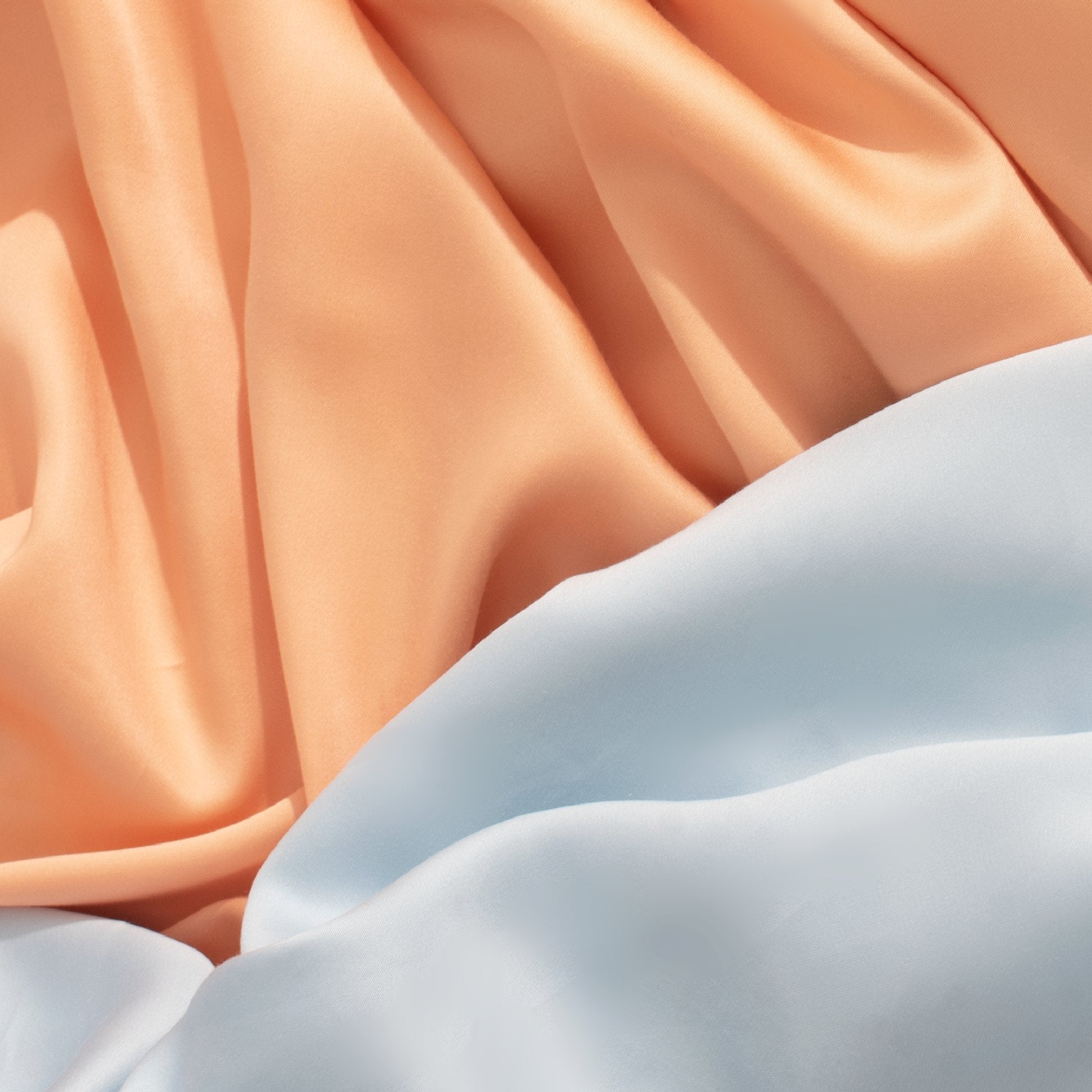
For example, the premium temperature-regulating eucalyptus blanket from the Ru9 brand, made with 100% natural eucalyptus fiber. Thanks to modern technology, the blanket retains warmth well but always provides a cool feeling, especially in summer or hot weather. This type of blanket is also quite suitable for feverish patients who need to dissipate heat.
See more: Should babies wear socks when sleeping in summer?
3. Easy ways to reduce fever at home that everyone should know
After the explanation of whether to cover up with a blanket when having a fever above, you should now know some principles for caring for feverish patients.
After the patient takes fever-reducing medication, do not use thick blankets or completely close doors, as the patient needs to dissipate heat and requires air circulation. At this time, clothes should be appropriate, maintaining a stable body temperature, and the fever will gradually subside.

On the other hand, don't forget to regularly wipe the body or apply warm compresses to the skin, armpits, or groin to reduce body temperature more quickly. Additionally, people with fever should eat easily digestible foods, drink plenty of water or specialized rehydration fluids. For children with fever, parents should not cover them with blankets, monitor their temperature closely, and can breastfeed them more often to compensate for lost fluids.
You may be interested in: Causes and ways to treat coughs in children during sleep
Through the information provided above, Ru9 hopes to have helped you answer the question of whether to cover up with a blanket when having a fever, as well as helping you understand more about what needs to be done to care for patients in this situation. Whether it's an adult or a child with a fever, you should regularly check their temperature and find ways to quickly reduce the fever using basic methods, or promptly take them to medical facilities for more effective fever reduction measures, to avoid later complications.
Related articles:


