









Tencel is an environmentally friendly fabric that is safe for health and popular in high-end products, especially bedding. In this article, let Ru9 explore in detail what tencel fabric is? What are the advantages and disadvantages of Tencel fabric!
1. What is Tencel?
1.1. What is Tencel fabric?

Tencel fabric, also known as Lyocell, is a safe and environmentally friendly bio-fabric made from eucalyptus fibers. Tencel fabric is soft, durable, and has excellent absorbency.
You might be interested in: What is eucalyptus fiber? Its advantages and applications
1.2. History of Tencel fabric development
Tencel fabric was researched and developed in the early 1980s by Courtaulds Fibers in Coventry, England. By 1990, Tencel material was widely used in factories in Mobile, Alabama, and Grimsby.
In 2004, the Lenzing AG Group acquired and made Tencel a prominent product. By 2013, Lenzing AG's Tencel brand had achieved global recognition.
1.3. What are the classifications of Tencel material?
Currently, there are popular types of Tencel silk on the market such as Tencel 60s, Tencel 80s, and Tencel 100s. The "s" in the name indicates the thread count per inch of fabric; the higher the number, the greater the thread count. A higher thread count means the Tencel fabric will be smoother, shinier, and more beautiful. Specifically:
- 60s Tencel silk fabric has a thread count of 60s/m3, with 300 warp and 300 weft threads interwoven per square inch.
- 80s Tencel silk is a type of Tencel silk with a thread count of up to 80s/m3 of fabric, meaning each square inch has 400 warp and 400 weft threads interwoven.
- According to the rule mentioned above, 100s Tencel silk fabric is of higher quality than the two types mentioned above, with each square inch woven by 500 warp and 500 weft threads.
- In addition to the three popular types mentioned above, the Tencel fabric market also produces and distributes 40s, 120s, and 140s Tencel silk.

Typically, 60s Tencel silk is already considered a high-end material, while Tencel silk from 80s upwards is considered "premium." Products made from Tencel, such as blankets, sheets, pillows, mattresses, etc., feel soft, smooth, and cool to the touch, while exuding luxury and comfort, helping to improve sleep quality and provide wonderful relaxation.
See more:
- What is silk fabric? What are the types of silk fabric and their applications?
- How to differentiate and compare Tencel and cotton sateen. Which one is worth buying?
2. What is the production process for Tencel fiber?

The production process of Tencel fabric begins with harvesting wood pulp from trees such as eucalyptus and acacia. Then, the wood pulp is cleaned and ground into powder. Next, the wood powder is spun into fibers using Nano technology. The steps in the Tencel fabric production process include:
-
Step 1: Wood pulp is mixed with solvent to form a liquid mixture.
-
Step 2: The liquid wood pulp mixture is pressed through small holes to form staple fibers, which are then exposed to dry air to drain.
-
Step 3: The staple fibers are moved to a specialized area and soaked in a special solution to remove amine oxides from the fabric fibers.
-
Step 4: The staple fibers are cleaned and dried again.
3. What are the properties of Tencel fabric?
Although Tencel fabric is relatively expensive, this material possesses many outstanding properties, providing comfort to users. Therefore, Tencel is favored by designers and famous fashion brands and is often used in high-end clothing products.

3.1. Physical properties of Tencel material
Good moisture absorption: Tencel fabric keeps the surface dry and less prone to dust than other fabrics due to its effective absorbency, which helps users always feel cool and comfortable.
Superior durability: This fabric material is less prone to shrinking or deforming after washing with soap and always retains its shape like new. The fabric surface is smooth, soft like silk, providing a relaxing and pleasant feel to the touch.
3.2. Chemical properties of Tencel fabric
Excellent antibacterial properties: made from natural materials and using Nano technology in the production process, Tencel material has anti-fibril, anti-fungal, and antibacterial properties, helping to protect the skin better.
High biodegradability: thanks to the use of amino acid solvents in the production process, Tencel fabric can be reused many times without generating additional waste in the fashion industry.
Tencel fabric is not only safe for health but is also considered an environmentally friendly choice, causing no harm to the soil environment like other artificial fabrics.
Learn more: Summary of the differences between Tencel material and linen
4. Analysis of the characteristics of Tencel material
4.1. What are the advantages of Tencel fabric?
Breathable, good sweat absorption: Tencel fabric is often used for high-end bedding due to its excellent moisture absorption capabilities, which can absorb moisture from the air and sweat, providing comfort to the user. The fabric feels cool to the touch, helping you have a cool sleep all night long. This is very suitable for Vietnam's hot and humid tropical climate.
Safe for sensitive skin: Tencel is an ideal choice for people with sensitive skin because it is made from natural materials, ensuring absolute safety for the skin, even for those prone to allergies. In addition, Tencel fabric fibers also have antibacterial properties, helping to prevent the growth of bacteria and irritants on the skin.
Sustainable and environmentally friendly material: Tencel fiber is created using modern Nano weaving technology, which is environmentally friendly. The main raw material is natural Eucalyptus wood, which is finely ground many times into powder, then spun into fibers for use in the textile and dyeing industry. In addition, most other auxiliary raw materials are safe to use and environmentally friendly, such as amino acid solvents and cellulose powder. They help enhance complete decomposition in the soil, do not cause pollution, ensuring safety for the environment and user health.

4.2. What are the disadvantages of Tencel fabric?
Strict production process: Tencel material is considered one of the high-end materials today. This type of fabric often features delicate, gentle decorative patterns, with very intricate subtle embroidery.
High price: This type of fabric is mainly produced abroad and imported, rather than domestically produced. This leads to the price of this fabric often being higher when it reaches consumers.
5. Tencel - an environmentally friendly fabric material

Tencel fabric has been certified by the Natural Resources Defense Council, with its main raw material being cellulose from eucalyptus, acacia, and other cultivated forest trees, processed in a closed-loop system. Additionally, the production process of Tencel fabric uses very little water, and waste generated during production is either naturally biodegradable or biologically treated on-site.
Tencel fiber fabric is recognized as much more durable than other materials, not only having reusable capabilities but also being encouraged in the sustainable fashion industry, contributing to an environmentally friendly future. Thus, Tencel becomes a top choice for high-end products such as bedding and fashion apparel.
6. What are the applications of Tencel fiber material?
6.1. Applications of Tencel fabric in fashion

Tencel fabric stands out in the fashion industry due to its softness, breathability, and light feel against the skin, making it an excellent choice for sleepwear or summer attire such as women's t-shirts, dresses, or high-end women's shirts. Furthermore, Tencel clothing not only brings elegance but also demonstrates a commitment to the environment, making it increasingly popular among consumers.
6.2. Tencel fabric used for blankets, sheets, pillows, mattresses

Tencel material is currently widely used in the production of bedding due to its excellent health benefits, hygienic properties, and soft, comfortable feel. When choosing Tencel bedding, you will experience the superior advantages of this material, helping to perfectly care for your sleep.
7. Instructions for cleaning and preserving Tencel fabric
When washing Tencel fabric, dry it in a shaded and well-ventilated area for the most natural drying.
-
Avoid drying the fabric in rainy weather as it will cause the fibers to absorb water and become brittle. If the weather is too hot, Tencel fabric may shrink.
-
In case of prolonged damp or rainy weather, you can use a fan to air dry the fabric. Absolutely do not use a dryer, as high temperatures will damage the fabric.
-
To maintain the durability and freshness of Tencel bedding and clothing, store them in a dry, cool, and well-ventilated place, away from dampness, mold, and dusty areas.
8. Some products made from Tencel fabric at Ru9
8.1. Nest Mattress
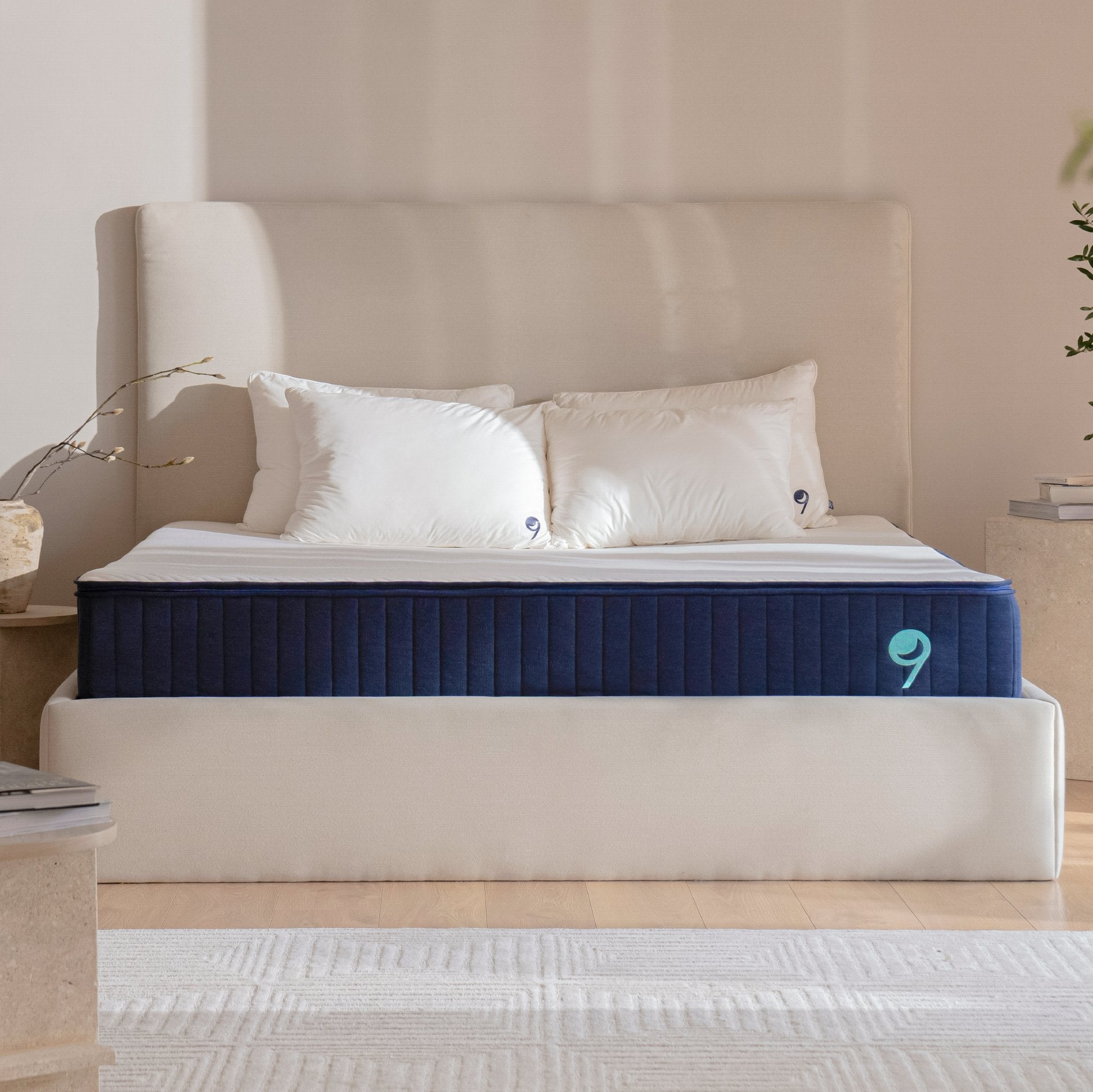
The Nest Mattress at Ru9 is designed with a cover made from breathable, moisture-wicking Tencel material, combined with a fire-resistant layer for safety during use. Additionally, its 15cm thickness and carefully designed two-layer foam structure help support the body. With the Ru9 Contour Foam layer supporting the natural curve of the spine on top, and the Ru9 PU Foam layer helping to isolate motion, you will always have wonderfully comfortable and pleasant nights of sleep.

8.2. Original Mattress
Ru9's Original Memory Foam Mattress is the first foam technology mattress in Vietnam. Still using a Tencel cover with a fire-resistant cotton layer, this mattress is made from 3 layers of foam with Ru9's exclusive formula. With this design, the Original mattress will absorb the impact from your body and distribute the force, helping your body to relax to the maximum.

8.3. Niu 2.0 Pillow
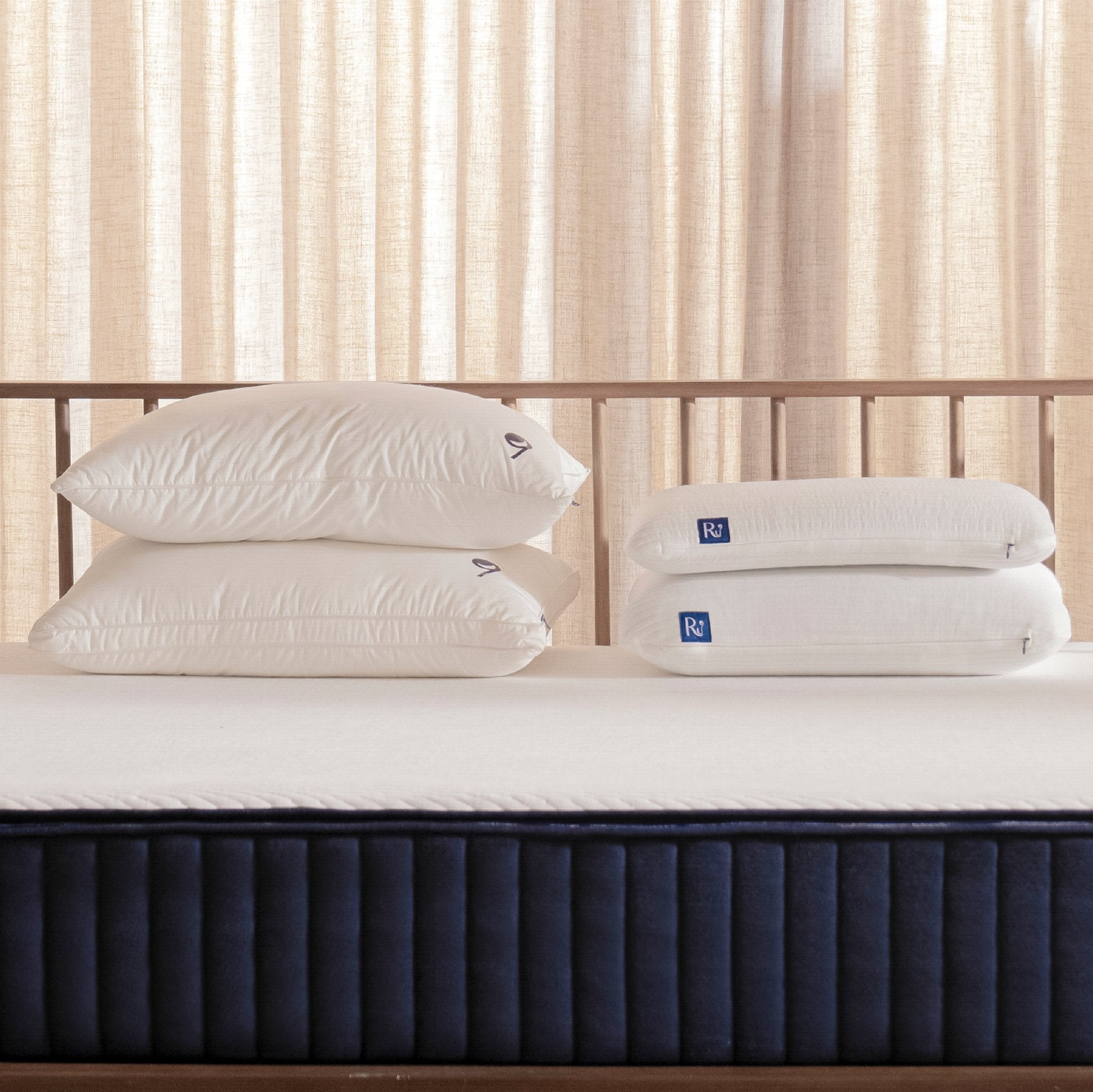
With new-generation foam material and a breathable Tencel cover, along with a foam protective layer to reduce friction, the Niu 2.0 Pillow is designed to provide the plush softness of a down pillow while offering firm support for the neck, shoulders, and head, helping you completely relax and easily drift into deep sleep.

8.4. Tencel Pillowcase Set
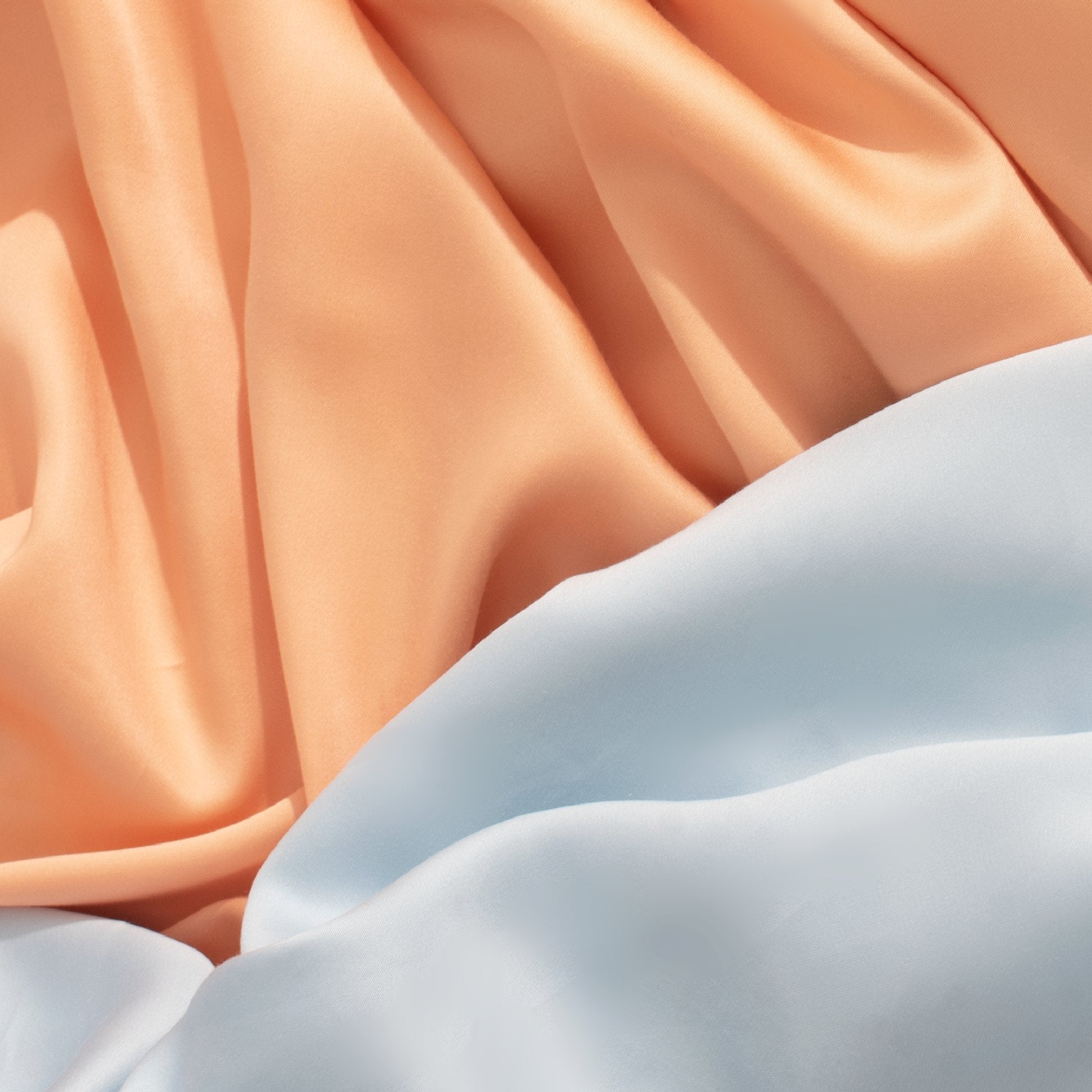
Certified suitable for all skin types, especially sensitive skin, the Tencel pillowcase set can absorb 50% of moisture and maintain a dry feel on the surface, while naturally regulating humidity to balance body temperature and reduce sweat. Additionally, thanks to its soft and smooth properties, the Tencel pillowcase does not cause friction or skin irritation. Furthermore, Tencel fibers have natural antibacterial properties, preventing the growth of bacteria and pathogens, always ensuring safety and nurturing your skin.

Above is the information Ru9 wants to share about what Tencel fabric is. With its durable, soft, and environmentally friendly advantages, Tencel fabric is popular in the production of high-end bedding. Despite its high price, Tencel is a sustainable material, eco-friendly, and can replace artificial materials in the future.
Reference source: https://vi.wikipedia.org/wiki/Tencel


