









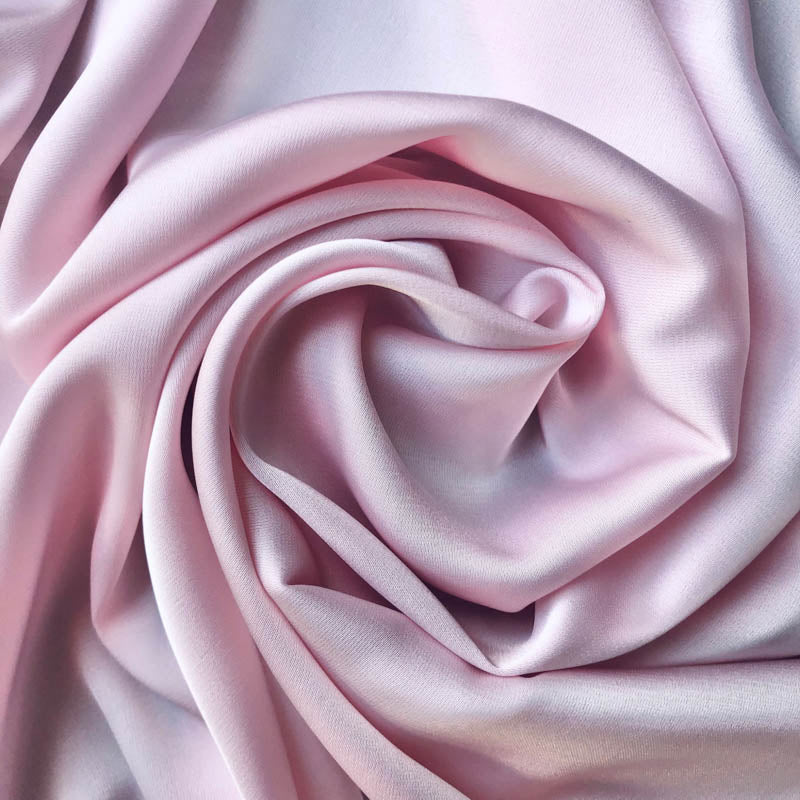
Silk fabric is one of the precious and luxurious materials in the textile industry, widely used in clothing design. While familiar to fashion enthusiasts, if you want to delve deeper into what silk fabric is, Ru9 will help you explore its origin, production process, as well as its advantages and disadvantages in the following article!

1. What is silk fabric?
What kind of fabric is silk? Silk fabric, also known as silk, is a high-grade material woven from silkworm threads. With its soft, smooth fibers and natural sheen, silkworm silk fabric not only brings sophisticated beauty but also exudes luxury.
These outstanding characteristics have made silk one of the most expensive fabrics in the world, favored in high-end fashion.
1.1. Origin of silk fabric
Silk fabric originated in ancient China, where the art of silkworm rearing and silk weaving was invented approximately 5000 years ago. For many millennia, the sophisticated technique of silk production was kept a national secret by the Chinese. It was only later, through adventurous journeys on transcontinental land routes, that this intricate technique gradually spread to the world.
Today, China remains a leading country in the production and export of silk fabric. This fabric's origin is closely linked to the silkworm's silk-making process. For many centuries, China held a monopoly on the production and trade of silkworm silk. It was not until ancient times that silk weaving techniques gradually spread to India, Southeast Asia, Central Asia, and Europe.

Currently, the research and production of silk fabric are no longer limited to China but have spread to many countries worldwide. However, Chinese silk is still highly valued by experts for its superior quality and special cultural significance.
1.2. What are the characteristics of silk fabric?
Silk fabric can be classified based on three main characteristics: mechanical, physical, and chemical.

Regarding mechanical properties, silk fabric has high durability, which increases its lifespan. However, silk's elasticity is quite low compared to many other fabrics, making it less resilient when under tension.
Regarding physical properties, silk fibers have a triangular structure, which allows the fabric surface to reflect light in multiple directions. Thanks to this, silk fabric always has a natural sheen and a characteristic sparkling appearance, creating a sophisticated and attractive look that few other fabrics can match.
Regarding chemical properties, silk fabric has good water absorption, effectively wicking away sweat in hot weather. At the same time, silk also retains heat well, providing a warm feeling on cold days. Thanks to these characteristics, silk fabric is not only beautiful but also provides maximum comfort to the wearer.
2. Silk fabric production process
Stage 1: Silkworm rearing

The ideal silkworm rearing time of the year is in spring and autumn, when the climate is cool, helping silkworms grow well. The process from hatching to spinning cocoons takes about 23 – 25 days, during which silkworms undergo 4 molts and are divided into 5 different age stages.
Silkworms primarily feed on mulberry leaves, and the mulberry must be grown in clean soil, free from pollution or alum effects. Silkworms eat day and night, and when they reach sufficient size after 3 molts, they will move to a suitable place to spin silk and create cocoons.
Stage 2: Spinning silk to create cocoons

Families that grow mulberries and raise silkworms often use a "né" (a device made from jute stalks), which is made of 5 layers with airy rectangular cells for silkworms to begin spinning cocoons. Initially, the silkworms spin silk to create an outer shell, keeping the cocoon fixed. Then, the silkworms will move in a figure-eight pattern about 3000 times, continuously spinning silk, forming a single thread nearly 1000 km long wrapped around the cocoon.
Stage 3: Silk reeling

After the silkworms spin their cocoons for 7 days, the reeling process begins. This stage happens quickly, within 5 days, to prevent the silkworms from hatching into moths and biting through the cocoons, which would break the silk and prevent it from being reeled into thread. To reel the silk, cocoons are soaked in boiling water, which helps dissolve the sericin in the silk, thereby identifying the silk filaments and beginning the reeling process.
This is the step to prepare raw silk threads for the next weaving stage. Depending on the desired purpose and type of product, the amount of silk thread needed will vary.
Stage 4: Silk weaving

Depending on the quality of the silk threads, the weaving method will be adjusted to control the thickness of the silk fabric. It is during the weaving process that the fabric's characteristics such as sheen, softness, and stiffness are determined, creating many different types of silk fabric.
Stage 5: Silk fabric dyeing

This is the final step in creating the aesthetic beauty of silk fabric. Initially, silk fabric has the natural ivory color of silk, so to achieve diverse and attractive colors, the fabric needs to go through a dyeing process. Before dyeing, the silk is soaked in hot water to remove excess gum on the fiber surface. Dyeing villages often use natural materials such as tree bark, leaves, and brown earth to color the fabric.
Depending on customer requirements and color coordination, silk fabric can be dyed into various patterns such as small floral silk, polka dot silk, plain silk, shiny silk, floral silk, or white silk, etc.
3. Popular types of silk fabric on the market
Silk comes in many different types, not only based on its origin as previously mentioned, but also categorized by the specific characteristics of each silk type.
3.1. Sand wash silk fabric

Sand wash silk fabric, or Silk Sand, is a soft, thin, and draping fabric often used for traditional Vietnamese dresses (áo dài). The special feature of sand wash silk fabric is its matte surface, which feels like touching sand grains moving on a desert. Thanks to this characteristic, sand wash silk fabric is very popular in Vietnam.
3.2. Silk satin fabric
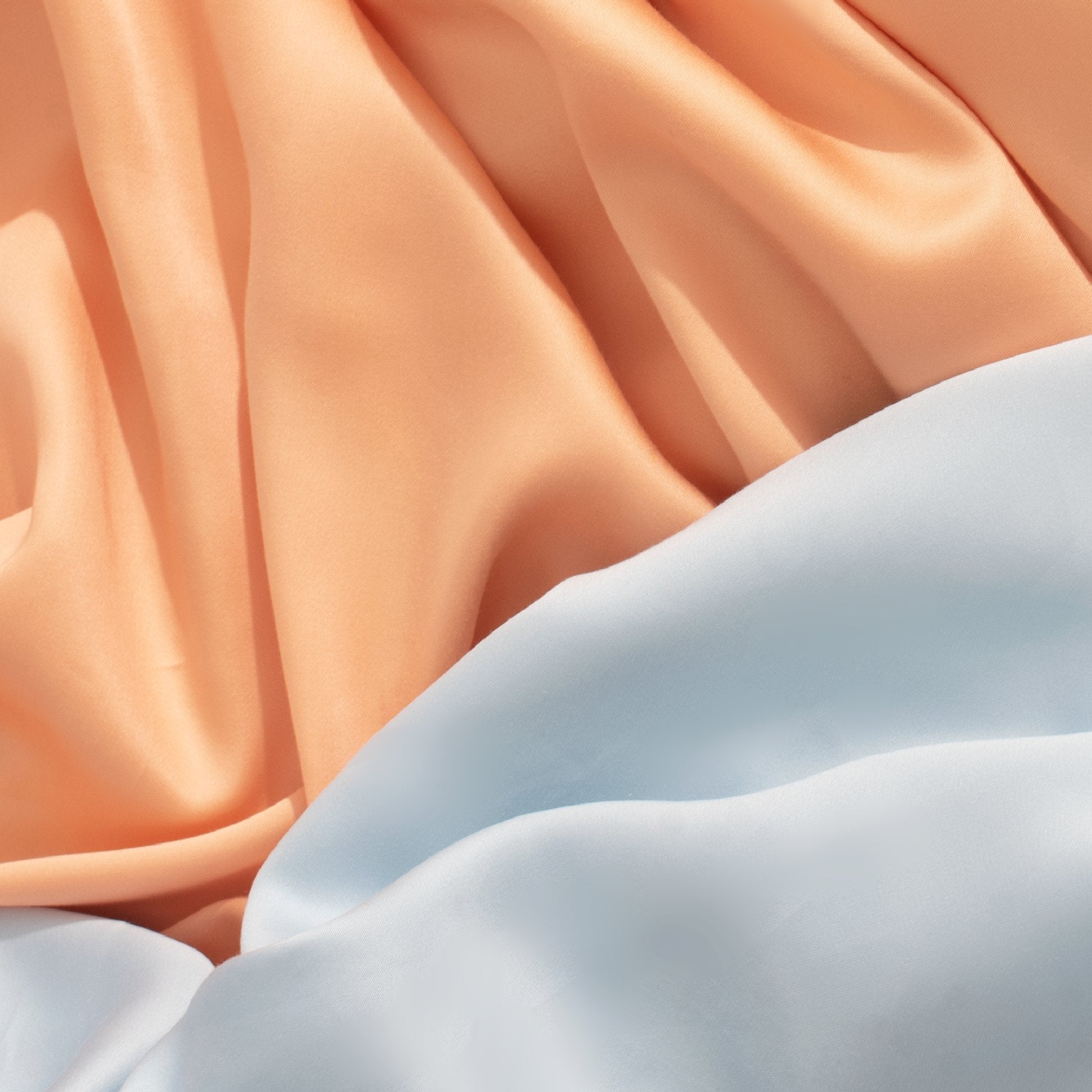
Silk Satin, also known as Satanh, is a type of silk with a shiny, smooth surface, completely different from sand wash silk. The silk threads are woven using a twill weave technique, a method that tightly interlocks the fabric fibers. This technique not only creates a lustrous appearance but also makes the silk durable in use.
This technique may have appeared on television, where the weft thread passes under the warp thread and lies on top of the warp thread. Then, the weft thread shifts two warp threads to the right and continues to move up one warp thread, and this process repeats until completed.
3.3. Shiny silk fabric

Shiny silk, though seemingly different, is actually a thin, smooth, and less elastic fabric. Artisans craft Shiny Silk using a layered weaving technique, where the top surface of the fabric is woven with many parallel weft threads. Thanks to this technique, the fabric has a high sheen and reflects light better.
3.4. What is Kate silk fabric?

This fabric, also known as Kate Silk, is the most common and easily recognizable type. It is often used for everyday clothing, especially uniforms for students and employees in schools, companies, or businesses. The fabric is made from 100% PE, is less prone to wrinkling, and has high colorfastness over time, but its sweat absorption is quite poor.
3.5. Silk cotton fabric

Also known as blended fabric, this type of fabric is a combination of silk and cotton fibers, thereby offering many advantages of both materials. With a glossy surface, antistatic properties, and wrinkle resistance when washed, the fabric is widely used in everyday apparel.
Read more: Why 100% cotton fabric is the best material for your bed sheets, pillowcases? What are the characteristics of the material?
3.6. Pure mulberry silk fabric
This is the highest-grade commercial silk, crafted entirely by hand through every stage. From the silk threads spun by silkworms, artisans meticulously reel and weave them into complete silk sheets, typically featuring a natural ivory color and no patterns.

Because silkworm threads are monochromatic, this type of silk fabric is not elaborate in patterns, but its value lies in its purity and superior quality. In ancient times, pure mulberry silk was even used as a unit of exchange in trade and commerce.
3.7. Brocade silk fabric

Brocade silk is a high-quality fabric created by combining silk and brocade, offering a perfect blend of silk's softness and brocade's thickness and luxury. The fabric often features intricate patterns, a smooth surface, and a sturdy texture. Brocade silk is primarily used for formal wear, evening gowns, or designs with a royal, aristocratic style.
4. Analyzing the pros and cons of silk fabric

4.1. What are the advantages of silk fabric?
Silk fabric has long been favored by royalty for its luxurious and unique beauty. To this day, this material still maintains its strong appeal and is present in most garments. In particular, silk fabric is a favorite choice of many famous designers, frequently appearing in high-end collections. So, what makes silk fabric an indispensable material in the fashion industry?
-
Luxury and class: Silk fabric is one of the most high-end and expensive materials in the world, often associated with sophistication and elegance in every design.
-
Soft and smooth: With a naturally smooth surface, silk provides a gentle, soft feel when in contact with the skin, ensuring maximum comfort for the wearer.
- Breathable, cool: Silk fabric has excellent breathability and moisture-wicking capabilities, helping to keep the body cool, especially on hot days.
- Comfortable to wear, not restrictive: Although not highly elastic, silk fabric does not make the wearer feel uncomfortable when moving.
-
Shiny and sparkling: The natural reflective properties of silk fibers give silk fabric a bright, sparkling, luxurious appearance, standing out in the light and attracting attention.
-
Breathable, cool: Despite its shiny surface, silk fabric is still very breathable, helping to regulate body temperature and providing a comfortable feeling, especially in hot weather.
-
Easy to care for: Silk has good stain resistance, is easy to clean, and retains color for a long time, keeping garments fresh over time.
4.2. Disadvantages of silk fabric
-
Prone to wrinkles: Silk fabric tends to wrinkle quickly, so it needs careful storage and proper ironing to maintain its smooth appearance.
-
Sensitive to water and light: This material is easily damaged or fades when exposed to strong water and light, requiring meticulous washing and storage.
-
High cost: Silk is one of the most expensive fabrics, making it more of a luxury choice than everyday wear.
-
Attracts dust easily: The soft surface of the fabric can attract dust and pet hair, so regular cleaning is needed to keep the fabric clean and beautiful.
5. How to distinguish between Vietnamese silk, Korean silk, and Chinese silk
With outstanding advantages such as softness, luster, and luxury, silk fabric is gradually winning the hearts of modern fashionistas. Originating from China, this fabric has now been widely developed and applied in many other countries such as Korea and Vietnam. Although all are made of silkworm silk, each type has its unique characteristics. So how do you distinguish them?

|
Characteristic |
Vietnamese silk fabric |
Korean silk fabric |
Chinese silk fabric |
|
Fiber origin |
Natural silkworm fibers |
Synthetic fibers, can be blended with elastic fibers |
Synthetic fibers or blended natural and synthetic fibers |
|
Feel to the touch |
Smooth, cool, comfortable, non-irritating to skin |
Soft, smooth, cool to the touch, slightly chilly |
Soft, smooth, but more prone to wrinkles than Vietnamese fabric |
|
Color |
Dyed from natural plants, harmonious tones |
Bright, slightly glossy, mainly solid colors due to minimalist style |
Vibrant, rich due to modern dyeing techniques |
|
Elasticity |
Low elasticity |
Good elasticity thanks to special synthetic fibers |
Medium elasticity depending on the blend ratio |
|
Wrinkle resistance |
Less prone to wrinkles |
Prone to wrinkles and shrinkage when washed |
More prone to wrinkles than both Vietnamese and Korean fabric |
|
Application |
Traditional clothing, high-end natural products |
Modern dresses, blouses, suitable for minimalist style |
Mass production, diverse products, popular in industrial fashion |
6. How to clean and store silk fabric?
To keep silk fabric beautiful and durable, proper care and cleaning are very important. However, silk fabric can be easily damaged if not cared for carefully. Below are some notes you should keep in mind:

-
When washing silk fabric, use cold or lukewarm water to prevent the fabric from shrinking and losing its sheen. Also, choose a mild detergent without strong bleaches to protect the material.
-
Avoid soaking silk fabric for too long; just gently hand wash and rinse thoroughly with water. After washing, gently wring and hang the fabric to dry in a cool, shaded area, away from direct sunlight, to prevent damage to the silk fibers.
-
To prevent burning the fabric, you should not iron silk fabric at high temperatures or directly without a protective layer. Use a low or medium iron setting to ensure the safety of the fabric.
-
When not in use, you should carefully fold silk fabric and store it in a dry, cool place. Avoid exposing the fabric to direct sunlight or humid environments to prevent mildew.
Hopefully, the information above has helped you understand more about silk fabric and how to care for it properly. Silk fabric not only has many applications in daily life but also brings beauty and luxury to the wearer.


