









Nylon fabric is very popular and widely favored due to the convenient characteristics this material offers. But do you truly understand this type of fabric? Let Ru9 help you learn more about this material in the following article.
1. What is nylon fabric?
Nylon fabric, also known as polyamide, is a type of plastic derived from crude oil. Through specific chemical processes, it creates a fiber with excellent elasticity and strength.

Nylon fabric is created entirely through chemical reactions between substances.
Nylon fibers are created from chemical compounds occurring in carbon reactions and possess all the desired properties such as durability and elasticity. Nylon was the first fabric material in the world to be produced entirely in a laboratory. However, the process of creating a complete nylon fiber is very complex.
2. Origin of nylon fabric
Nylon fabric was produced in 1935 by an American company named Du Pont. The initial purpose of creating nylon fiber was to replace rare and expensive silk. But when it appeared on the market, nylon was warmly received and has been applied in many fields such as fashion, decoration, furniture, etc.
The first time nylon fabric was used in the garment industry was to produce stockings, in September 1940. These stockings created a craze among consumers, with sales reaching 64 million pairs after just one year of production.
3. Differentiating nylon fabric

In reality, it is currently very difficult to find pure nylon fabric, because most of it has been blended with other types of fibers. Some signs that can help you easily differentiate nylon fabric include:
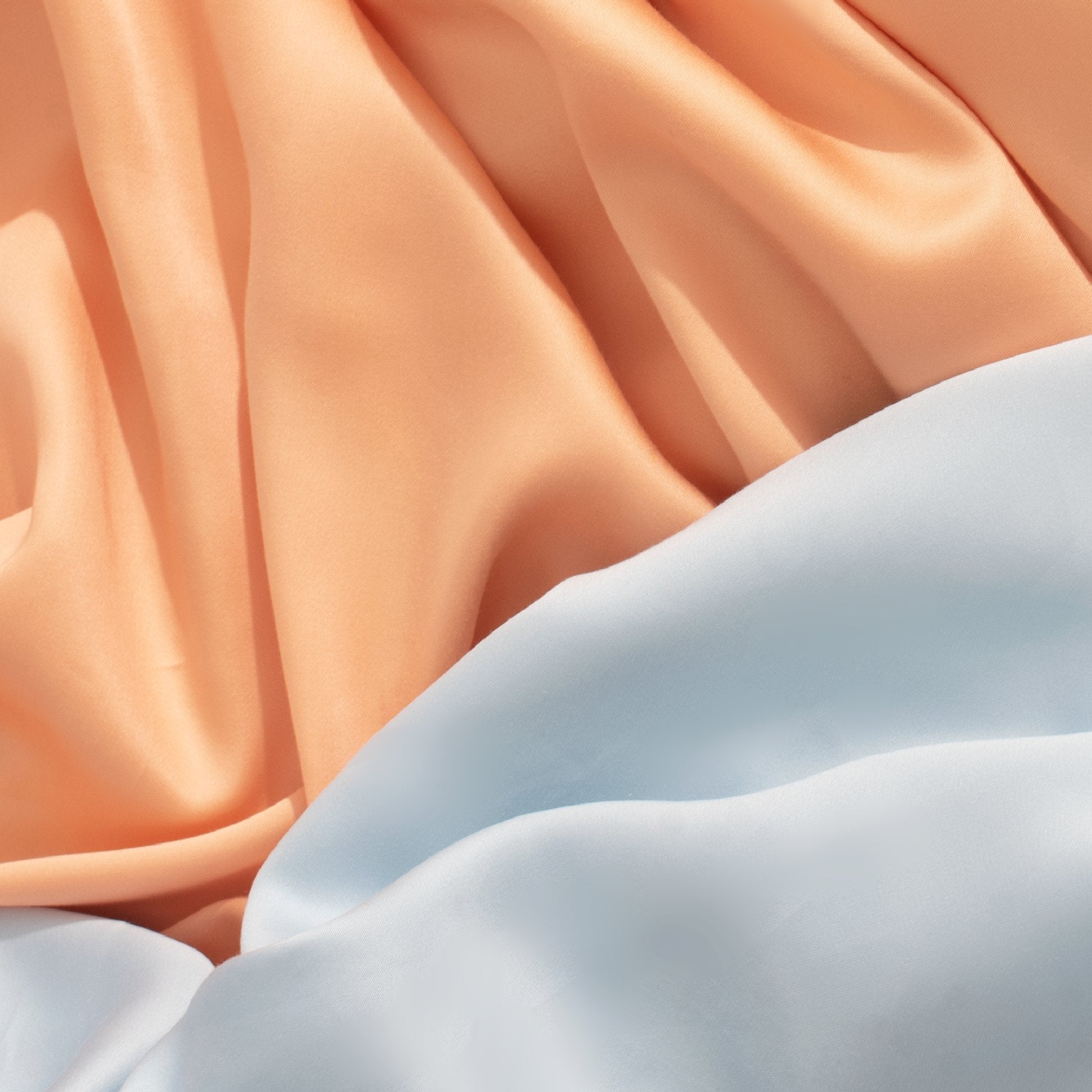
- The surface of nylon fabric has a characteristic sheen and is quite soft.
- The fabric wrinkles less and can quickly return to its original state when folded or crumpled.
- Nylon fabric is less absorbent. It has a slow absorption rate when exposed to liquids.
- Wearing it for a long time can cause a stuffy, hot feeling and will stick to the skin if the wearer sweats a lot.
- When burned, it produces black smoke, a pungent smell, and forms round black clumps.
- Nylon blended with silk or satin will feel slippery to the touch.
4. The process of producing nylon fabric
Nylon fabric is created when compatible monomers combine to form a long chain linked through a condensation polymerization reaction. The monomers for nylon 6-6 are hexamethylene diamine and adipic acid, which combine to form a polymer and a byproduct of water. Then, during the production process, water is removed to avoid affecting the polymerization process. The polymer chain is formed from over 20,000 monomer units, connected through an amide group containing a nitrogen atom.

Nylon molecules are quite flexible to weak forces. Therefore, bonds such as hydrogen bonds, and bonds between polymer chains are enough to make nylon molecules randomly tangled. The polymer must be heated and then drawn to form fibers, which are then woven into nylon fabric.
5. Types of nylon fabric
Nylon fabric is created entirely through chemical reactions. To enhance the properties of the fabric and reduce product costs, manufacturers usually blend in some other fiber materials during the production process, such as brocade, polyester, cotton, etc.

Nylon fabric is currently divided into four main types:
- Nylon 6-6: This is the first 100% synthetic nylon fabric, created from hexamethylenediamine and several dicarboxylic acids. The resulting solid is then melted for spinning or recrystallized for purification.
- Nylon 6: This type of nylon fiber is not as common as nylon 6-6. It is sometimes used to produce fabric.
- Nylon 46: Also known as Stany, this material is produced by the DSM group. This type of nylon is often used in air cooling systems and brake engines. This nylon fiber makes a strong impression due to its excellent resistance in harsh conditions.
- Nylon 510: Developed by Du Pont company with the aim of replacing nylon 6-6. Nylon 510 is currently mainly used in scientific and industrial products. However, the cost is very high, making mass production difficult.
6. Advantages and disadvantages of nylon fabric - Outstanding characteristics
6.1. Advantages of nylon fabric
- High elasticity and durability, easily returning to its original state.
- Products made from nylon fabric are resistant to insects and mold, ensuring the health safety of users.
- The fabric surface is shiny and soft, providing high aesthetic appeal.
- Good moisture resistance.
- Easy to dye, creating diverse colors and patterns without fading.

6.2. Disadvantages of nylon fabric
- It is not biodegradable, making it harmful to the environment.
- During the fabric production process, nitrogen oxides are produced, which are a major cause of the greenhouse effect.
- High moisture resistance means it does not absorb sweat. Wearing it for long periods can cause heat, discomfort, and stickiness.
- It is easily shrunk and deformed if exposed to high heat.
7. Comparing polyester and nylon fabric: which fabric is better?
Both polyester fabric and nylon fabric have their own advantages and disadvantages. As long as you choose the right fabric for the specific use case, it will leave a lasting impression. Therefore, it's impossible to say whether polyester or nylon is better. Here are some notable characteristics of each fabric type that you can refer to:
- Polyester fabric is made from plastic pellets and chemical raw materials. Nylon fabric is made from chemicals that are more elastic and stronger than polyester.
- Nylon fabric is water-resistant but can still experience some water accumulation. Therefore, the dye of this fabric does not last long, and exposure to sunlight will cause the color to fade quickly. In contrast, polyester fabric has very good water resistance and is not affected by sunlight, so the dye binds tightly and lasts longer.
- Nylon fabric is softer and does not feel as rough when worn as polyester fabric. However, thanks to improved production technology, polyester fabric has also become much softer than before.
- Nylon fabric has lower dust adhesion than polyester fabric.
- Nylon has a shiny, light-reflective fabric. Polyester has a traditional style and low light reflection.
- The price of nylon is higher than polyester.
8. Applications of nylon fabric
Nylon fabric has very high applicability in daily life, such as:
8.1. Applications in the fashion industry

Nylon possesses outstanding characteristics such as flexibility and high durability, making it widely used by many major brands like Nike and Adidas to create their apparel, especially sports fashion designs.
In Vietnam, designers also use faux silk nylon to sew "áo bà ba" and "áo dài." Products made from this material not only highlight the traditional beauty of the country but also help save significant costs.
Nylon is also commonly found in designs such as windbreakers, specialized clothing for mountain climbing, etc., thanks to its ability to retain warmth and block wind in harsh weather conditions for the user.
8.2. Applications in furniture
You can easily find nylon fabric in any fabric store or market at a very diverse price. From its early days until now, nylon has become increasingly familiar and is an indispensable material in most everyday products.
Using products made from nylon is not only convenient but also helps you save a lot of money.
Common furniture or decorative items using nylon material include aprons, gloves, placemats, tablecloths, curtains, etc.
8.3. Other applications
In addition to applications in fashion and decoration, and furniture, manufacturers also use nylon to create parachutes, tarpaulins, tents, etc. In Vietnam, nylon is very commonly used in some items such as raincoats, food bags, guitar strings, etc. In sports, nylon fiber is used to create badminton racket nets, tennis nets, or fishing nets in aquaculture, etc.
9. Instructions for cleaning and preserving nylon fabric

Only use mild detergents for nylon fabric
To keep the fabric in good condition and more durable, you should note a few things when cleaning products made from nylon fabric.
- Only hand wash all products. Minimize washing with hot water, as high temperatures can deform the fabric.
- Use neutral, mild detergents to maintain the quality of the fabric.
- When washing, use only light force to rub, as rubbing too hard will wrinkle the item.
- Hang clothes on hangers and let them air dry naturally. Dry in dry, airy places and avoid direct sunlight.
- After washing, store the product in a clean, airy place to increase its lifespan.
Above is the necessary information for you if you want to learn about nylon fabric. We hope this useful information will help you understand more about this special fabric, as well as how to use and preserve items made from nylon fabric.
Related article: Summary of the Differences Between Tencel Fabric and Linen


