









Silk fabric is one of the rare materials from ancient times, still existing and thriving in the 21st century. This article will provide you with an overview of what silk fabric is, from its origin and production methods to its outstanding characteristics and applications in daily life.
1. What is silk fabric?
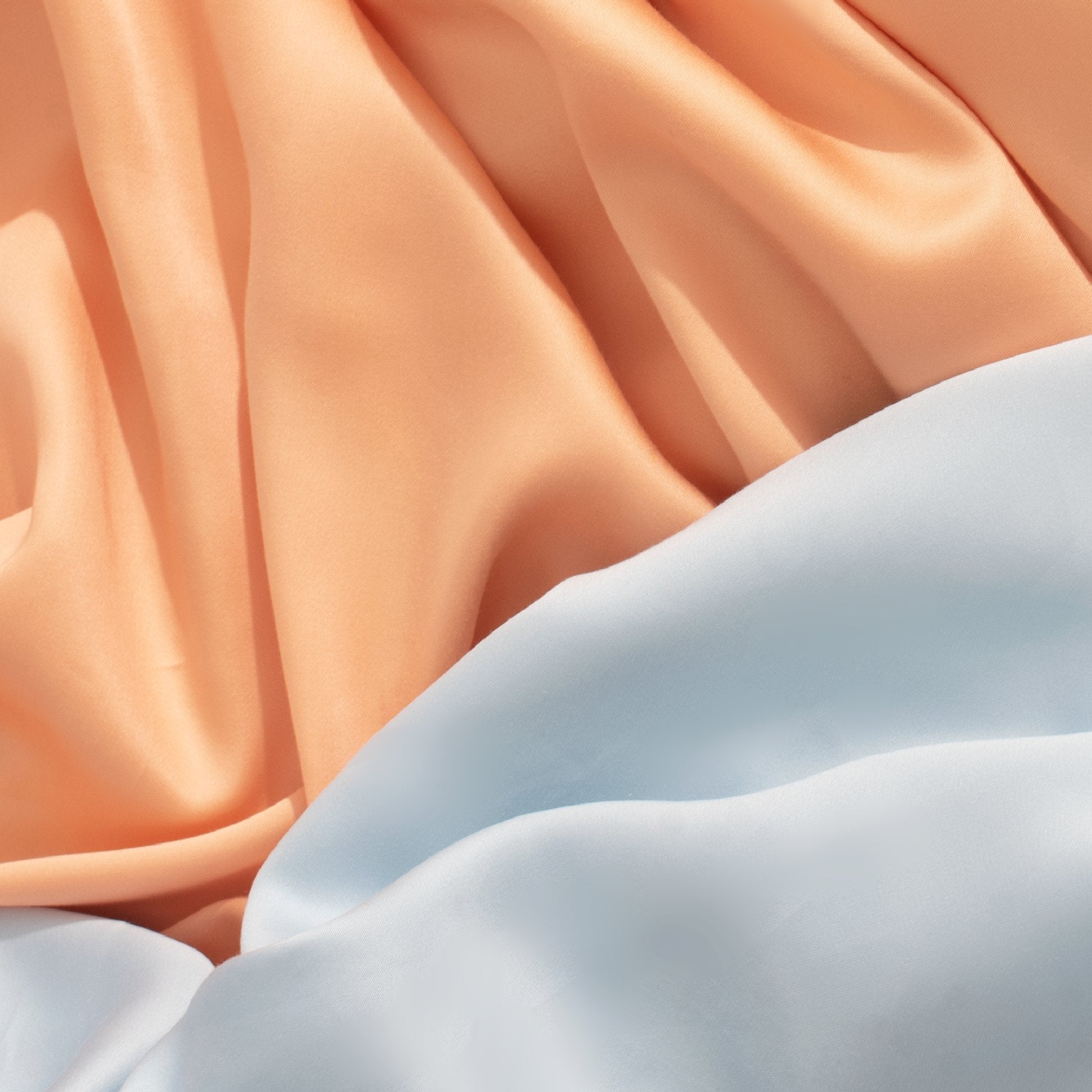
Silk fabric is a thin, cool, smooth, and lustrous fabric, woven from natural silk fibers. Currently, the most beautiful type of silk fabric is mulberry silk, which undergoes an elaborate production process from silkworm rearing, cocoon harvesting, silk reeling, to weaving.


2. Origin of silk fabric
Silk weaving appeared in ancient times, around 6000 BC, originating in China. Initially, silk was a quý tộc fabric and a gift for kings and officials.
However, it quickly became popular in China and then spread throughout Asia, demonstrating remarkable influence and durability. Silk fabric became a high-end commodity, fascinating with its unique beauty.
From China, silk spread to many other countries, marking the development and spread of silk weaving.
In Vietnam, silk fabric has a history dating back to the 6th Hung King dynasty, with traditional silk weaving villages being preserved. Ha Dong silk from Van Phuc village and My A silk in An Giang are famous Vietnamese silk brands.
Buy foam mattresses from Ru9 nationwide with many attractive offers!
3. Properties of silk material
3.1. Physical properties
- More durable than many other materials due to its natural fiber origin.
- Low elasticity.
- Soft, smooth surface, and very cool to wear.
- Has a lustrous surface due to its ability to reflect light from various angles.

3.2. Chemical properties
- Retains water relatively well (up to 11% of its weight).
- Durability decreases by 20% when wet.
- Dissolves in sulfuric acid solution, but not in water or mineral acid solutions.
- Prone to insect attacks when dirty.
- Biodegradable.
4. Evaluation of the pros and cons of silk fabric
4.1. What are the advantages of silk fabric?
Silk fabric is renowned for its many aesthetic and functional advantages, such as:
- Silk fabric is highly absorbent, soft, light, and cool, making it very comfortable to wear.
- Silk fabric is very light and flowy, creating an elegant movement effect when worn, combined with its lustrous surface to create a luxurious and noble beauty.
- Silk fabric is environmentally friendly and safe for users due to its natural origin.
4.2. Disadvantages of silk fabric
Despite its many outstanding advantages, silk fabric also has some drawbacks, such as:
- Easily wrinkles and loses shape if not carefully maintained.
- Prone to insect and moth attacks during silkworm rearing.
- Sensitive to sweat and prone to yellowing.
- Difficult to dye due to the natural origin of silk.
- Poor elasticity, can only stretch 1/7 of its original length.
- Higher cost compared to other types of fabric.
5. Which silk fabric is the best? Top 8 most popular silk fabrics in 2025
5.1. Cotton silk fabric
Cotton silk is a type of silk fabric blended with cotton fibers to increase durability and wrinkle resistance, notable for its high luster, creating a luxurious feel and being very comfortable to wear. Especially, this fabric also has anti-static properties, helping to prevent clothes from clinging to the body on cold and dry days.

See more: What is Tencel fabric? Why are people gradually switching from cotton silk to Tencel silk for blankets, sheets, and pillows?
5.2. Mulberry silk fabric
If you have to choose which silk fabric is the coolest to wear, the answer is probably mulberry silk fabric (silk fabric). This is a high-grade silk material, entirely handmade from fine silkworm fibers, with a smooth, lustrous, and elastic surface.
Mulberry silk fabric has high economic value and is often used to make luxurious designer clothing such as ceremonial gowns, wedding dresses, etc.

5.3. Brocade silk fabric
Unlike other plain silk fabrics, brocade silk is a type of silk fabric with intricate patterns and motifs subtly woven into its surface, primarily composed of two high-quality fibers: silk and brocade, characterized by being thick, soft, and smooth.
This is the most suitable high-end material for making elegant Ao Dai, quý tộc formal wear, or luxurious blankets, sheets, and pillows.

5.4. Satin silk fabric
Satin silk fabric is a twill weave made from interweaving silk, polyester, and viscose fibers. This creates a smooth, lustrous, soft, and extremely drapey silk fabric.
Satin silk fabric possesses a sophisticated beauty, keeps you warm in summer and dissipates heat well in winter, hence its relatively high price.

5.5. Sand silk fabric
Sand silk is a thin, light, soft, and flowing silk fabric, making it very suitable for Ao Dai. The unique feature of sand silk fabric is its slightly rough feel when lightly touched, similar to moving sand grains.

5.6. Twill silk fabric
Twill silk fabric is woven in a diagonal pattern from silk and wool fibers, giving it a thick yet soft and smooth appearance.

5.7. Raw silk fabric
Raw silk fabric is woven from coarse fibers and silk, creating a rather rough but uniquely subtly lustrous texture. This is a rare type of silk fabric that doesn't feel overly delicate, suitable for men's shirts, trousers, and scarves.

5.8. Chiffon silk fabric
Chiffon silk is a type of silk fabric woven entirely from natural materials, thin, lightly lustrous, and translucent. With its elegant and feminine beauty, Chiffon silk is the ideal material for wedding dresses or evening gowns.

6. How to identify 100% mulberry silk fabric
Mulberry silk fabric is considered the most beautiful, high-grade, and expensive silk fabric with entirely natural components. To reduce costs, manufacturers often combine silk with nylon, polyester, or other synthetic fibers. If you want to buy mulberry silk but are afraid of being overcharged, let's learn how to distinguish silk from other materials.
6.1. Based on temperature
To identify mulberry silk, you can burn a small piece of fabric. Natural silk will emit a burning smell and turn into powdery ash because it contains natural organic components. In contrast, synthetic fibers often have a plastic smell and harder ash. Based on the hardness, one can determine the proportion of blended synthetic fibers.
6.2. Based on price
Natural silk is hand-woven entirely from meticulously cultivated silkworm threads, thus it usually costs more than regular blended silk.
100% natural mulberry silk ranges from 130,000 - 160,000 VND/meter, while high-grade types can cost up to 400,000 VND/meter. Silk blended with synthetic fibers is usually cheaper, around 40,000 - 60,000 VND/meter.
6.3. Based on senses
First, based on the fabric's luster. Mulberry silk has a natural sheen and changes color with varying light levels. In contrast, blended silk has an unnatural sheen and cannot change color with light.
Second, based on touch. When continuously touching the fabric's surface, natural silk will warm up, while blended silk will not.

7. Applications of silk fabric in daily life
Common applications of silk fabric include:
- Wedding dresses: Silk fabric creates unique drapes and an elegant look for wedding dresses.
- Ties and scarves: High-quality silk material provides durability, diverse colors, and luxury.
- Blankets, sheets, pillowcases: Silk adds sophistication and softness to the bedroom.
- Interior decoration: Silk fabric is used for upholstery and wall hangings, creating elegant accents.
- Surgical sutures: Safe medical silk, suitable for surgical and medical applications.
- High-end fashion: Many fashion designs use silk for the luxury and comfort it provides.
8. Guide to proper silk fabric care
8.1. How to wash silk fabric
When washing silk fabric, you need to note:
- Use mild detergents such as bath soap or shampoo to wash silk fabric.
- Wash gently by hand, avoid prolonged soaking, and you can hang it to dry immediately without wringing.
- Use a few drops of vinegar in the final rinse water to preserve the color.
8.2. How to store silk fabric
When storing silk fabric products, you need to note:
- Avoid direct sunlight or high-temperature ironing as this will make the silk fibers brittle and break.
- Iron silk fabric with a steam iron or when it is still damp. Only iron the wrong side of the product.
In summary, silk fabric is a premium material, favored for its soft, smooth, lustrous beauty and diverse applications. However, distinguishing between natural and blended silk can be challenging, and buyers also need to follow careful rules for product care and preservation.
Check out Memory Foam Mattresses from Ru9!
You might be interested in:
- What is silk chiffon fabric? Is silk chiffon fabric silk fabric?
- What is fiber? Characteristics and applications


