









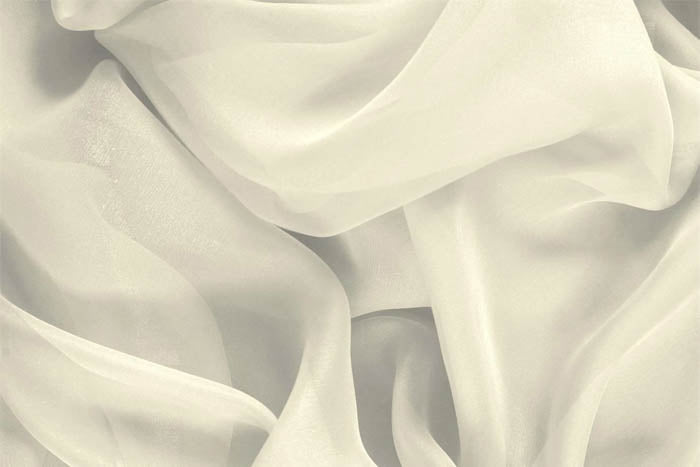
Voile or chiffon fabric is a thin, light material widely used in daily life for decoration, clothing, bedding, and more. However, if not used and cared for properly, the durability of the fabric will be short-lived. Therefore, let Ru9 help you delve deeper into what chiffon fabric is, its advantages and disadvantages, and its applications through the article below.
1. What is chiffon fabric?

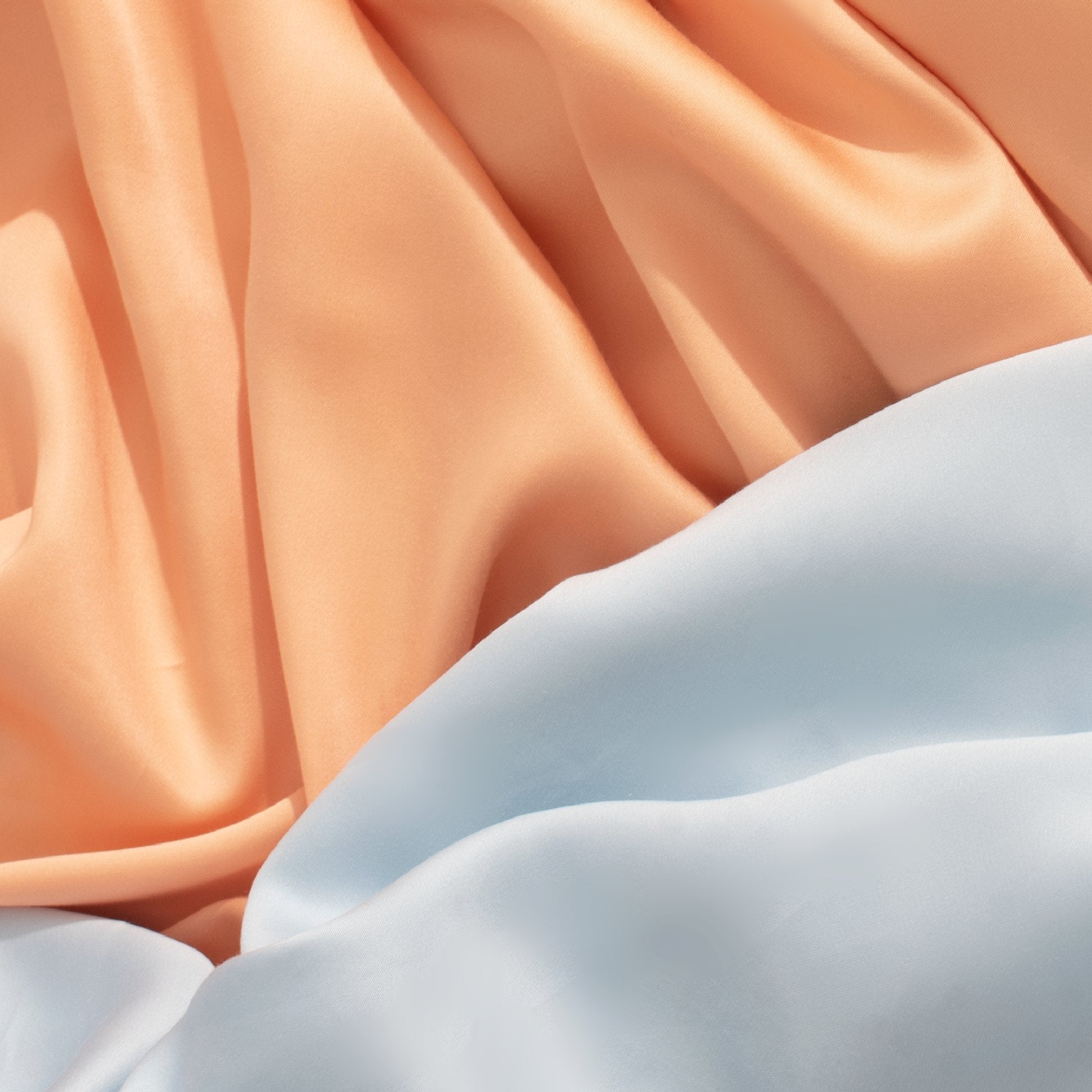
Chiffon fabric, or voile, is a thin, transparent, soft fabric that exudes graceful, elegant, and sophisticated French charm. Chiffon is also known as "Chiffe" in French and has the scientific name "georgette". This material is woven with twisted crepe weft and warp threads, having a slightly glossy surface and a somewhat rough feel.
The rough texture of chiffon fabric is due to the grey silk contracting into wrinkles during refining. Additionally, the twist and density of the weft and warp threads, combined with the number of stitches and thread thickness, determine the characteristics of Chiffon fabric such as its thickness, thinness, transparency, or weight.
Its thinness and high transparency give chiffon fabric a very delicate, elegant appearance, combined with a slightly rough surface to create a graceful and luxurious beauty. Therefore, this material is always favored by women worldwide.
2. Origin of chiffon fabric (voile)
The word chiffon originates from a French word "chiffe" - meaning "voile".
In the 19th century, voile fabric was mainly woven from silk, making it very rare and extremely expensive, only afforded by the nobility and wealthy of that era.

By the 1930s, chiffon fabric was experimentally produced using nylon and immediately achieved numerous outstanding successes, marking a completely new turning point for itself.
About 20 years later, polyester was introduced. From then on, the quality of voile fabric continuously improved, and its price significantly decreased, making it suitable for all users.
3. Classification of chiffon fabrics (voile)
Currently, chiffon fabric comes in a variety of types on the market. Based on the material or fabric structure, we can classify them into different categories.
3.1. Classification by material
- Natural chiffon fabric: uses the two most basic materials: satin and silk. This is considered the oldest form of chiffon. Natural chiffon fabric retains the natural biological characteristics of the fibers, ensuring the excellent smooth, soft, and durable properties of this material. Products made from natural chiffon fabric always provide users with a comfortable, pleasant feeling while still maintaining elegance and luxury.
- Artificial chiffon fabric: often uses synthetic fibers such as nylon, polyester, etc. Compared to natural fabric, artificial chiffon fabric is harder to dye but much more durable than silk chiffon. Not only that, artificial chiffon is also very diverse in designs, weights, and thickness. Chiffon fabrics made from 100% polyester, such as Double Faced Chiffon, have anti-static properties and are less prone to wrinkling. The fabric surface has a reflective layer, creating a beautiful shimmer and sparkle.

3.2. Classification by structure
Each different weaving and printing method produces a type of chiffon fabric with distinct characteristics. Some famous chiffon fabrics today include: pearl chiffon, chiffon with lurex, jacquard chiffon, double-faced chiffon, silk crepe chiffon, etc.
- Pearl chiffon is made from polyester fibers, then further processed with a coating to create an eye-catching light effect on the material.
- Jacquard chiffon: This fabric is thin and quite heavy, with good breathability, and has an opaque color that reduces the characteristic transparency of traditional chiffon. Jacquard chiffon often features small, embossed patterns on the fabric surface to create accents.
- Silk Crepe Chiffon: known for its outstanding breathability, rough surface, and is often used for sewing voluminous skirts. When rubbing two sides of this fabric together, it produces a rustling sound and a slightly rough sensation in the palm of the hand.
- Chiffon with lurex: The characteristic of this fabric is its incredible lightness and softness, making it very popular.
- Imitation silk chiffon: easily recognizable by its soft, smooth, thin, light, and shiny on one side. Imitation silk chiffon fabric always makes the wearer feel comfortable and pleasant.
- Double faced chiffon: made from 100% polyester fibers with two contrasting sides. The fabric has high durability and antistatic properties, often used for designing party and evening wear.
4. Advantages and disadvantages of chiffon (voile) fabric

4.1. Advantages of chiffon fabric
- Chiffon fabric is woven from plant-based and synthetic fibers, making it very safe and non-allergenic to the skin.
- The fabric is thin, light, soft, transparent, and breathable, providing a comfortable feeling for the wearer.
- Compared to fabrics like silk and lace, chiffon has superior durability.
- Thanks to its diverse materials, chiffon fabric offers a wide variety of designs, colors, and patterns for everyone to choose from, suitable for all ages.
4.2. Disadvantages of chiffon fabric
- Because the fabric is thin, it is very difficult to clean when stained. The fabric also tends to fade when exposed directly to sunlight.
- Voile fabric is quite slippery, making it difficult to cut and sew garments, often leading to inaccuracies.
- A protective inner lining must be sewn because the fabric is thin and transparent; otherwise, it can be revealing and unsightly.
5. Applications of chiffon or voile fabric in daily life

Chiffon fabric is widely used in apparel and daily life, such as:
- Everyday wear: Chiffon fabric is very popular in designs such as flared dresses and gowns due to its flowy nature. Besides, it is also used to sew beautiful and elegant office attire and shirts.
- Wedding wear: Chiffon fabric is flowy, soft, yet elegant and graceful, making it widely used in wedding gown designs.
- Fashion accessories: Chiffon fabric is also used in various accessories like scarves, ribbons, gloves, and seductive lingerie designs.
- Interior decoration: Chiffon fabric is often used to make decorative items such as chair covers, tablecloths, etc., for large parties or weddings.
- Chiffon curtains: This product enhances the aesthetic appeal of a room, suitable for homes with large windows or balcony doors.
- Voile fabric is also widely used in bedding products, especially for wedding bedding sets or for those who appreciate gentleness and romance.
6. Important notes about chiffon fabric (voile)
6.1. Price of chiffon fabric
With its diversity in materials, designs, and characteristics, chiffon fabric also comes in a wide range of prices. Typically, polyester or artificial silk voile fabric is much cheaper, almost half the price, compared to silk voile fabric.
6.2. How to identify chiffon fabric
To distinguish chiffon fabric from other types of fabrics, you should:
- Check the thickness of the fabric; if it is moderately thick and feels soft, smooth, and slippery to the touch, it is good chiffon fabric.
- Observe the color and sheen of the fabric to see if it meets requirements.
- Gently tear the surface of the fabric to check its resistance to tearing and fraying. If the fabric does not tear, it is good chiffon fabric.
- Chiffon fabric is characterized by being thin, light, breathable, transparent, and soft.

7. Instructions for cleaning and caring for chiffon fabric
To keep chiffon fabric always maintain its original quality and beauty, and to extend its lifespan, you should:
- Wash the product immediately, without soaking.
- Use a specialized laundry bag and turn the product inside out when machine washing. This action helps reduce excessive friction on the fabric surface, preventing damage.
- Chiffon fabric is very delicate, so absolutely do not use strong detergents as they will degrade the fabric quality and cause it to lose color. Instead, use white vinegar or baking soda to remove stains more easily.
- Wash chiffon fabric with cold water instead of hot water.
- When drying clothes, simply gently squeeze out excess water and hang them to dry in a cool, airy place, away from direct sunlight.
- To protect and maintain the fabric's shape, keep the fabric surface flat, avoiding sharp objects that could snag and tear the fabric.

Above are insights into common questions about chiffon fabric. We hope this information has helped you better understand its characteristics and how to properly care for this type of fabric.
Reference source: https://en.wikipedia.org/wiki/Chiffon_(fabric)


