











Lack of sleep and prolonged insomnia can severely impact a person's health and mental well-being. However, sleeping too much can also signal underlying health issues, especially during adolescence. So, is sleeping too much during puberty good or bad? This article from Ru9 will help you find the most accurate answer.
1. Signs of Oversleeping
Simply put, oversleeping is sleeping for an excessive amount of time, beyond what is needed, during the day or night. People who oversleep often struggle to stay alert, lack focus at work, and experience a significant impact on their work performance and daily quality of life.
Here are some typical signs of oversleeping:
- Feeling tired, sluggish, and generally unwell all day.
- Difficulty waking up each morning.
- Lack of concentration and reduced memory during work.
- Constantly feeling sleepy.

Oversleeping often leaves the body tired and sluggish the next day.
2. Is Sleeping Too Much During Puberty Good or Bad?
Whether sleeping too much during puberty is good or bad is a common concern for many young people today. According to experts, not only in adolescence but at any age, oversleeping can have many negative effects on health. Specifically:
Oversleeping Increases the Risk of Stroke
According to scientific research, people who habitually sleep more than 10 hours a day have a 70% higher risk of stroke compared to those who get enough sleep (7-8 hours/day). Experts say that when you sleep too much, blood circulation is hindered, blood accumulation decreases, thereby increasing the risk of blood clots, leading to stroke.
Increased Obesity Risk Due to Oversleeping
Puberty is a period of rapid growth in height and weight. However, if you sleep too much during the day, the activity of your body's organs will become sluggish, and excess fat will accumulate more and more, thereby increasing the risk of obesity.
Oversleeping Can Lead to Diabetes
According to medical research, whether you sleep too much or too little, you are at a high risk of developing diabetes. This is because inadequate sleep can disrupt the functioning of the nervous system, thereby increasing the risk of type 2 diabetes.
Impaired Cardiovascular Function Due to Oversleeping
During sleep, your body is in a state of rest. At this time, your heart rate also gradually decreases. However, if you sleep too much, your heart will get used to being "idle." Over time, this can lead to impaired heart function, thereby increasing the risk of heart failure, stroke, myocardial infarction, etc.
Impact on Brain Function
Sleeping too much during the day and for prolonged periods will accelerate brain aging. This can lead to memory decline and reduced concentration in adolescents, seriously affecting academic performance and daily work. Additionally, people who habitually sleep more than 9 hours a day are more prone to feeling disoriented, sluggish, and dull, diminishing their quality of life.
Oversleeping Increases the Risk of Depression
Depression is closely linked to prolonged oversleeping or insomnia. Statistics show that about 15% of people with depression are associated with oversleeping. The more you sleep, the more severe and difficult to treat depression and anxiety disorders become.

Oversleeping during puberty can have many negative health effects.
3. How to Overcome Oversleeping in Adolescence
So, from the above section, you probably understand that sleeping too much during puberty is not good. How can this be remedied? Here are some suggestions you can consider:
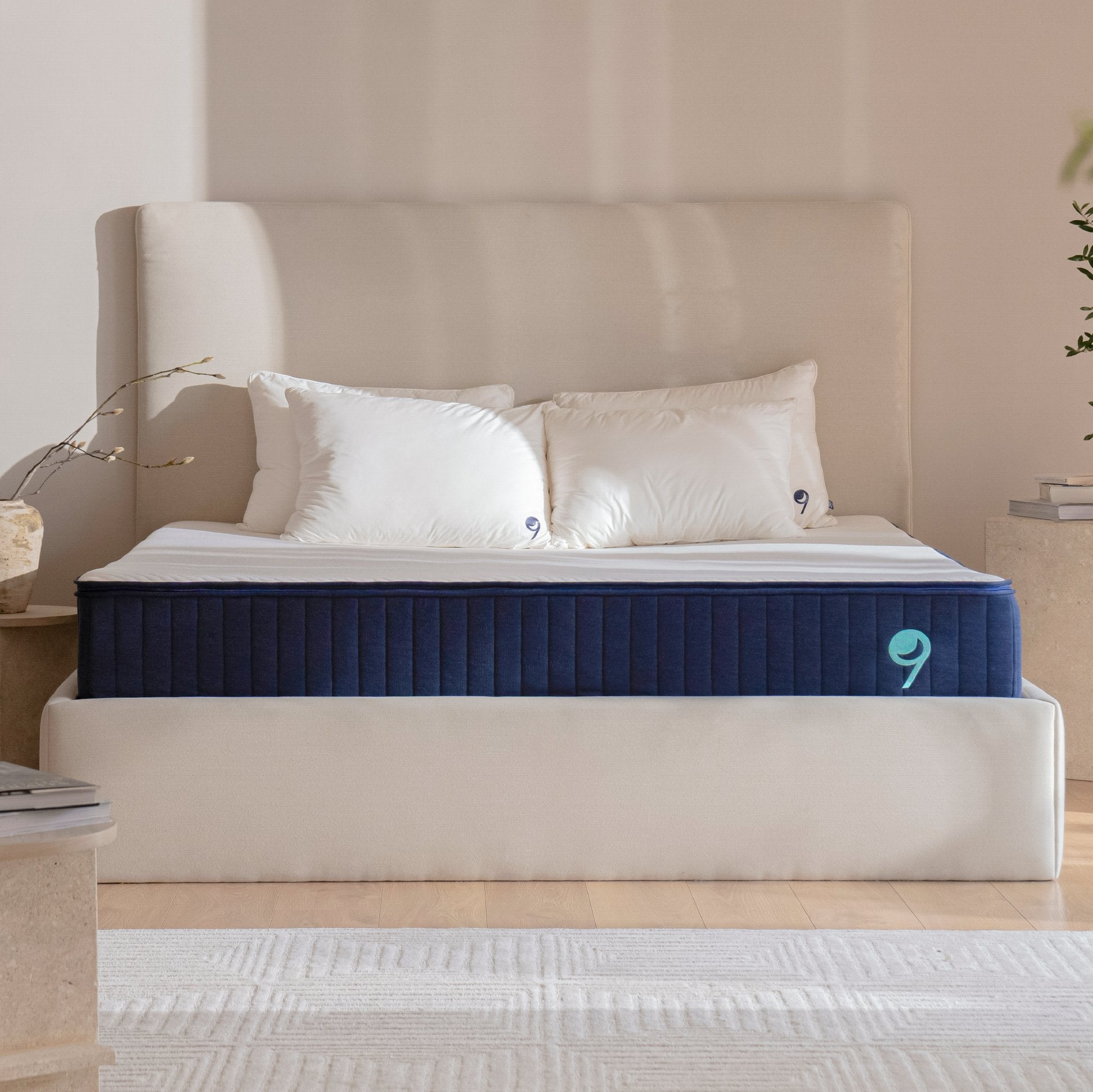
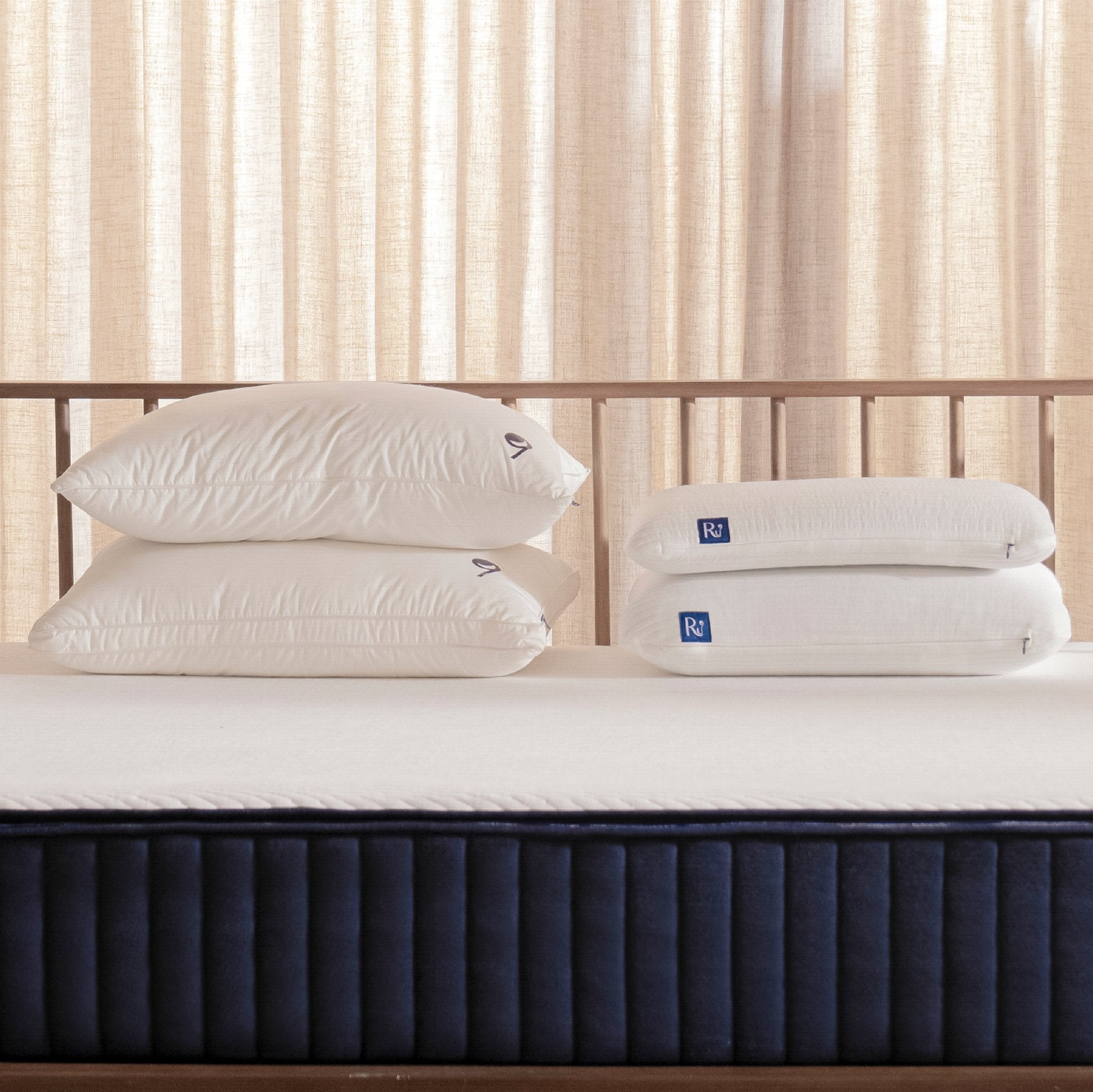
- To improve sleep quality, you should equip your bedroom with quality bedding. You can explore products from the Ru9 brand. Ru9 is known for products made from highly elastic foam materials that provide excellent body support, helping to ensure a complete night's sleep.
- To ensure you sleep the right amount and at the right time, experts advise establishing a scientific sleep-wake schedule for yourself. Repeating this action consistently will help you gradually adapt to a healthy lifestyle, thereby reducing oversleeping.
- Absolutely avoid using electronic devices before bed. The blue light from phones, computers, TVs, etc., is considered a cause of insomnia and difficulty sleeping at night, leading to oversleeping the next day.
- Experts also recommend light exercise for 10-15 minutes before bed. Exercise helps improve blood circulation in the body, which helps you sleep better without feeling tired after waking up the next day.
- Building a scientific diet not only improves health and strengthens resistance but also protects sleep, making it more complete.
- Avoid harmful stimulants such as alcohol, tobacco, alcoholic beverages, carbonated drinks, etc. These are all factors that can disrupt sleep, leading to a lack of alertness the next day.
 Ru9 mattresses accompany and ensure a complete night's sleep.
We hope this article has answered your question about whether sleeping too much during puberty is good or bad. If you're spending too much time sleeping, it's time to break this habit and adopt a scientific routine!
You might be interested in:
- What to do if you have calf cramps?
- How to avoid a hot back when sleeping?


