










1. What is the normal breathing rate for a 3-year-old?
Compared to adults, young children's breathing rates are usually faster, and the sleeping breathing rate may vary depending on the child's age. Specifically:
- Breathing rate for children aged 0-6 months is 30-60 breaths/minute
- Normal breathing rate for children aged 6-12 months is 24-30 breaths/minute
- Breathing rate for children aged 1-5 years is 20-30 breaths/minute
- Breathing rate for children aged 6-12 years is 12-20 breaths/minute
- Breathing rate for children aged 12 years and older is 12-20 breaths/minute.

So, a 3-year-old will have an average breathing rate of 20-30 breaths/minute. Therefore, if a child breathes faster and harder than 30 breaths/minute or experiences prolonged pauses in breathing for more than 10 seconds, it could be a sign of respiratory problems, especially pneumonia.
Signs parents should watch for when a 3-year-old breathes fast and hard while sleeping:
- The child groans and wheezes, with a rattling sound.
- The child often breathes with an open mouth, and the nostrils flare when inhaling and exhaling. This indicates that the child is struggling to breathe.
- The abdomen rises and falls when inhaling and exhaling.
If these unusual signs appear, parents should monitor their child's health and take them to a doctor.
2. What causes a 3-year-old to breathe fast and hard while sleeping, and is it dangerous?
What causes a 3-year-old to breathe fast and hard while sleeping, and is it dangerous? According to pediatric specialists, there are many reasons why a 3-year-old might breathe fast and hard while sleeping, with the most common and prominent ones being:
Fever
When a child has a fever, it means their body is experiencing inflammation, affecting the respiratory tract, especially the ears, nose, and throat, leading to difficulty breathing and heavy breathing during sleep.
Additionally, when a child has a fever, parents may also notice their breath is warmer, which is a sign of the body releasing heat.

Pneumonia
A 3-year-old breathing fast and hard during sleep is a typical sign of pneumonia. When a child's lungs are inflamed due to bacterial or viral invasion, their elasticity decreases, and their ability to expand is reduced. As a result, the body has to compensate by increasing the breathing rate to make up for the lack of oxygen caused by slow lung contractions. At this point, the child will breathe faster, harder, and more rapidly than usual.
Bronchitis
When suffering from bronchitis, a child will exhibit wheezing, fast and hard breathing. The child experiences difficulty breathing due to blocked airways, leading to a lack of oxygen.
Therefore, if a 3-year-old breathes fast and hard during sleep, accompanied by severe coughing and fever, parents should quickly take the child to a doctor to avoid serious complications such as respiratory failure.
Sleep apnea
Sleep apnea is a sleep disorder caused by temporary airway obstruction, leading to shallow breathing, pauses in breathing, or heavy breathing during sleep. Especially when lying on their back, the muscles in the throat relax, and the tongue falls back, obstructing the airway, causing the child to breathe fast and hard during sleep.
Overweight and obesity
Children who are overweight or obese from a young age have a high risk of developing many health conditions. Many obese children experience difficulty breathing when lying on their back, causing them to breathe fast and hard during sleep.
Panic disorder or nightmares during sleep
One of the reasons why a 3-year-old breathes fast and hard during sleep is panic disorder. The child constantly feels anxious and uneasy, with a fast heart rate and heavy, rapid breathing. Panic attacks occur during sleep; in addition to fast and heavy breathing, the child may also experience limb twitching.
See more: Discover these 'magic spells' to help children sleep better and cry less

Improper sleeping posture
Children's sleeping positions are often varied; they enjoy sleeping in many different positions, such as lying on their stomach or with their head turned to one side. Poor sleeping positions can obstruct the baby's breathing, causing difficulty breathing and fast, heavy breathing during sleep.
3. Solutions for a 3-year-old breathing fast and hard while sleeping
A 3-year-old breathing fast and hard during sleep is a symptom of various health issues and can disrupt the child's sleep. To determine if the child's breathing is truly abnormal, parents need to monitor the child's normal breathing rate to take timely and effective corrective action.
Additionally, if parents are unsure why their 3-year-old is breathing fast and hard during sleep, they can first try some of the following methods to help the child feel comfortable, relaxed, and sleep better.
Change the child's sleeping position
When a child breathes fast and hard during sleep, parents can change the child's sleeping position to help them lie in the most comfortable posture. After that, parents should monitor and observe whether the child is still breathing rapidly and heavily. If the child continues to breathe fast and hard after changing their sleeping position, it indicates a medical condition that needs treatment.
Clean the child's nose and throat
Parents should regularly clean the child's nose and throat with physiological saline to remove mucus and dirt, making it easier for the child to breathe.
Parents should clean the child's nose and throat 3-4 times a week to prevent respiratory illnesses.

Maintain a clean bedroom
Regularly wash and sun-dry pillowcases, sheets, and mattress covers to eliminate bacteria and mold that can affect the child's respiratory tract.
Replace old bedding
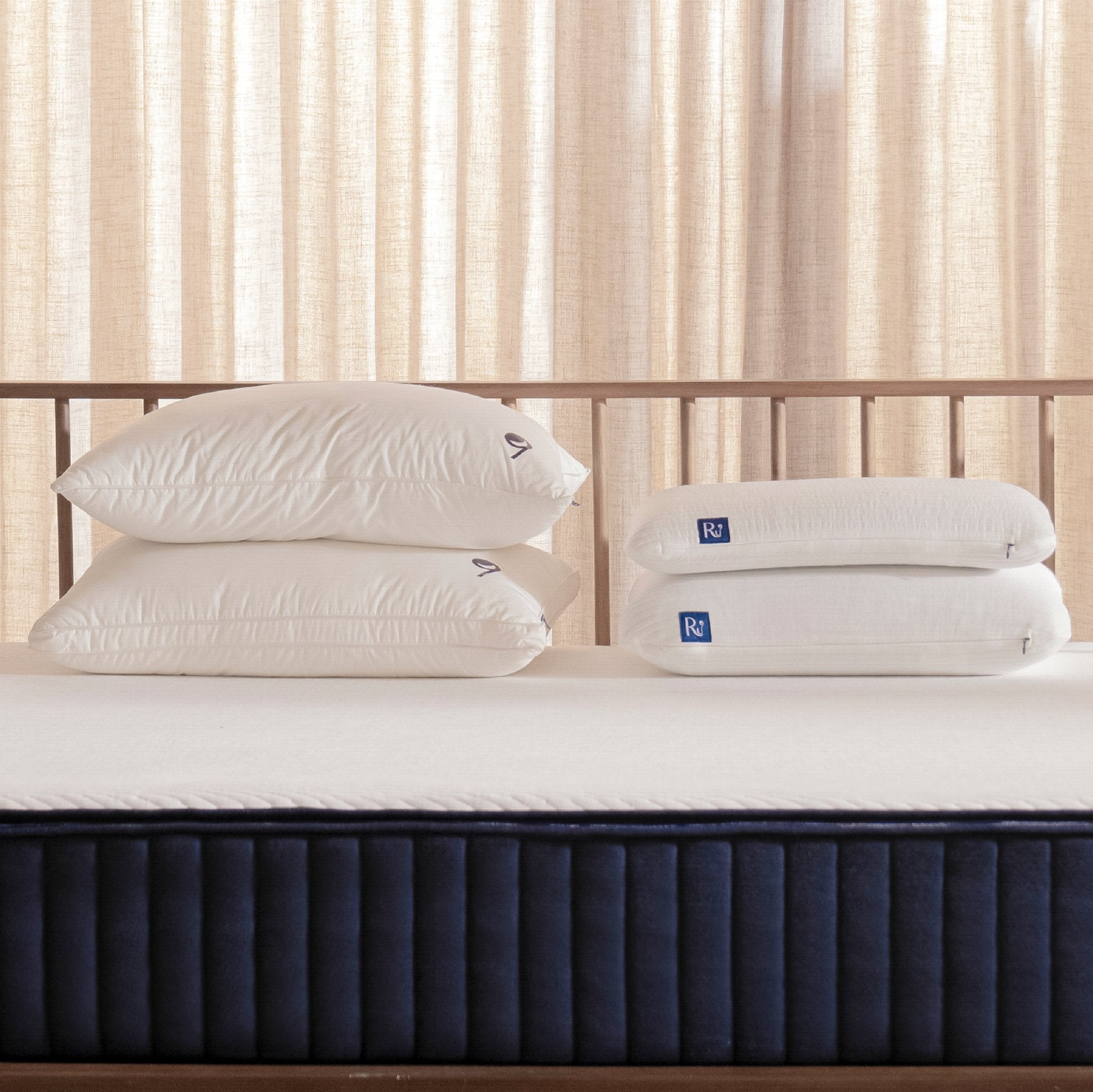
If your child's bedding is too old, it's time for parents to upgrade their child's bed by replacing old sheets, pillows, and mattresses.
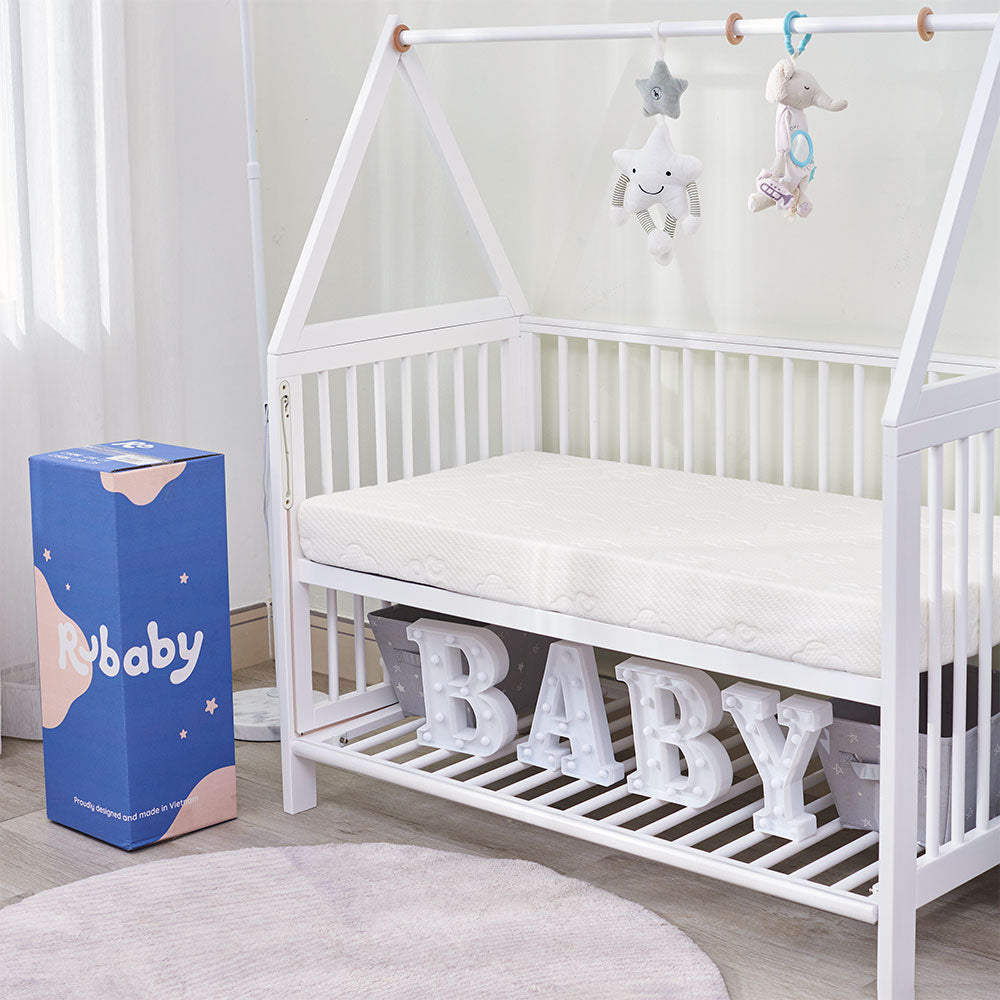
Children under 5 years old often have low immunity because their bodies are not yet fully developed, making them susceptible to environmental influences. Therefore, parents should protect their child's immunity and health by using safe products to ensure their child gets a complete night's sleep.
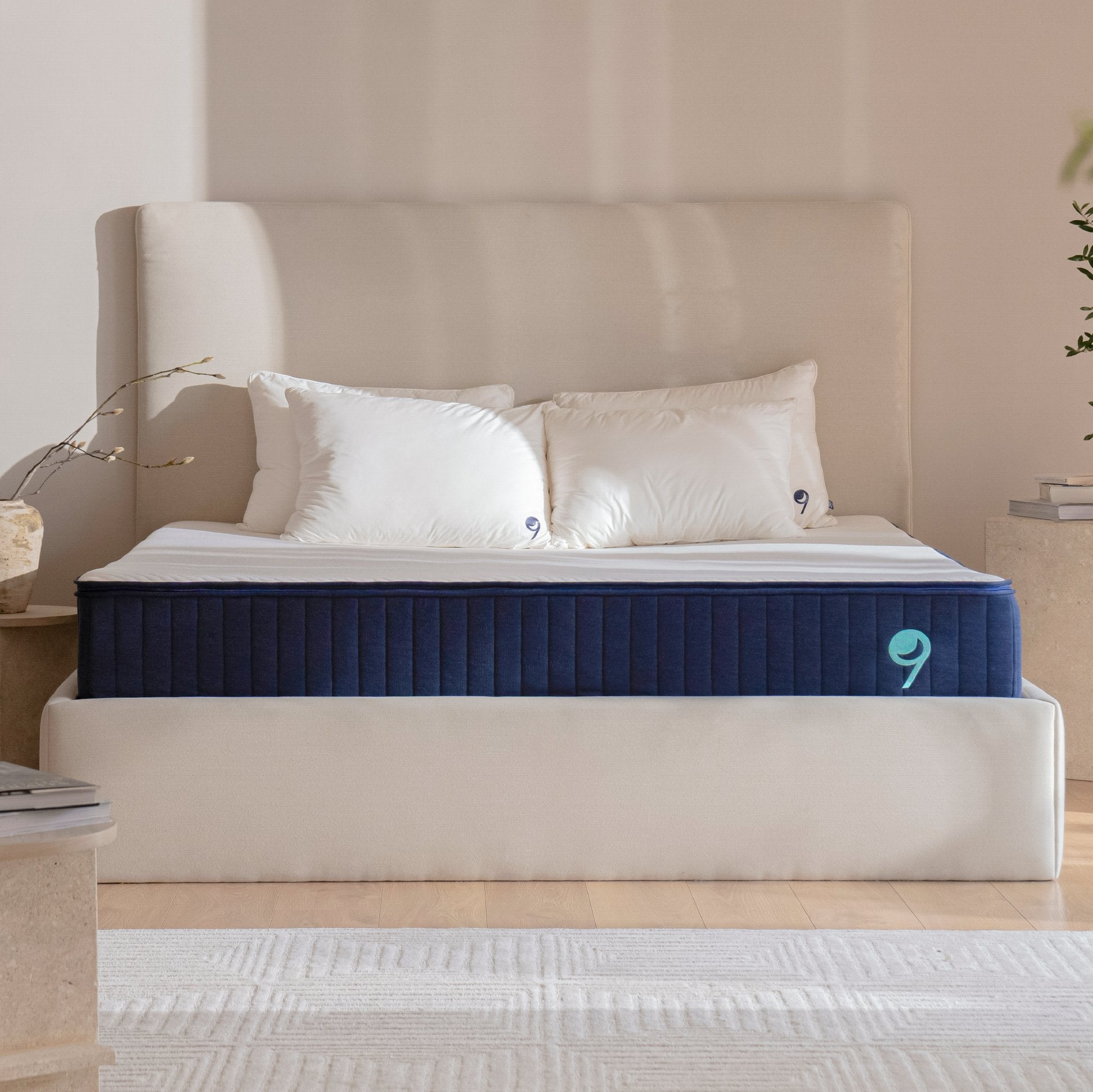
Currently, Ru9's bedding products are highly regarded for their quality and safety for users.
Ru9 mattresses are made with the most advanced technology, providing a soft, comfortable, and breathable feel for a deep and restful sleep.
Ru9's duvet covers and sheets are made from eucalyptus pulp, which has good absorbency, antibacterial properties, and resistance to dust, making them easy to clean. They are especially safe for children's skin and health.
Take the child to a doctor
If, after applying the above measures, the child still breathes fast and hard with no improvement, parents should take the child to a pediatrician for timely assistance and treatment.
The information above explains why a 3-year-old might breathe fast and hard during sleep, which parents should be aware of. Parents should pay attention to caring for and observing their child daily to detect health issues early and take the best corrective measures. We hope these shared insights will be helpful for parents in accompanying their child's development!
See also:


