









When it comes to buying a blanket, you might think there's not much to consider—just pick your favorite color and a size that fits your mattress. Of course, choosing the right blanket is quite simple, but there's actually more to consider. Below, Ru9 will analyze important factors that can influence your decision and suggest some of the best high-quality blankets for you!
1. High-Quality Blanket Sizes
Just like most mattresses, high-quality blankets also have their own size charts. So, before buying, you need to outline your intended use and then determine the appropriate blanket size. Do you want the blanket folded at the foot of the bed? Or spread on the sofa? Do you need a blanket large enough to wrap around your shoulders or cover your whole body?
Knowing common sizes can help you avoid mistakes when buying high-quality blankets.
If you plan to buy a blanket for your bedroom, first check the size of your bed. This is because you might want to choose a slightly smaller size so it doesn't take up the entire bed.
2. High-Quality Blanket Materials
Each blanket material has its own benefits, depending on whether you want to focus on style, function, or both. So choose the one that best suits your needs. There are several common types of blanket materials, specifically:
Cotton Blankets
Cotton is a natural material used to create a soft, comfortable surface. Depending on the weave, cotton can be light enough for summer use or heavy enough to keep warm in winter. There are even organic cotton blankets for those who prefer an eco-friendly lifestyle.
 Cotton blankets are durable, comfortable, and a great choice for sensitive skin.
This hypoallergenic fabric also has good moisture control and mild insulation properties. With natural absorbency, cotton blankets don't cause as much sweating as synthetic fabrics, helping to keep the body naturally dry. However, it should be noted that cotton fabric may not be warm enough for those in extremely cold climates.
Wool Blankets
Wool blankets are relatively heavy and can feel bulky, but they are actually a breathable material, allowing moisture to evaporate. This makes wool blankets hypoallergenic and gives them excellent moisture-wicking properties, helping you avoid sweating.
Although a great choice for winter, most wool products cannot be machine washed, so this should be considered when choosing this material. Also, be aware if you have allergies or sensitivities to wool.
Down Blankets
Similar to cotton blankets, but thinner and lighter, down blankets have a layer of down feathers sandwiched between the outer shell layers. These blankets are incredibly lightweight yet very warm and soft.
 Down is a light, durable, and soft material, perfect for keeping you warm.
This is also a great choice to add a luxurious feel to your bedroom decor. But if you are allergic to down, remember to choose a different material as a substitute.
Synthetic Fiber Blankets
Many synthetic fabrics are used as blanket materials, with acrylic, polyester, and microfiber being common types. This is an alternative for those allergic to the aforementioned down.
Synthetic fiber blankets have good elasticity and don't wrinkle easily like organic fabrics. These fibers tend to resist stains because they don't absorb water easily. Synthetic fiber blankets are very warm, but often attract a lot of static electricity and tend to collect hair, dust, and other lint. Cheap synthetic materials can also pill and wear out quickly. On the positive side, these blankets are usually inexpensive.
Fleece Blankets
One of the softest options in the high-quality blanket list, fleece is known for being luxurious and comfortable. Made from polyester or acrylic fibers, it's very popular among those allergic to wool.
Fleece blankets have a soft texture and insulating properties that make them loved, especially by children. Effective at retaining body heat, fleece blankets are much warmer and lighter than wool.
Eucalyptus Blankets
Many people are still unfamiliar with this blanket material, but this is truly one of the high-quality blanket types that deserves to be trusted. Eucalyptus trees grow easily and quickly, using less water to produce than many other fabrics, and don't require pesticides or many other harsh chemicals. But most importantly, it's the feeling when you sleep on them. An incredibly comfortable feeling right from the first day of use.

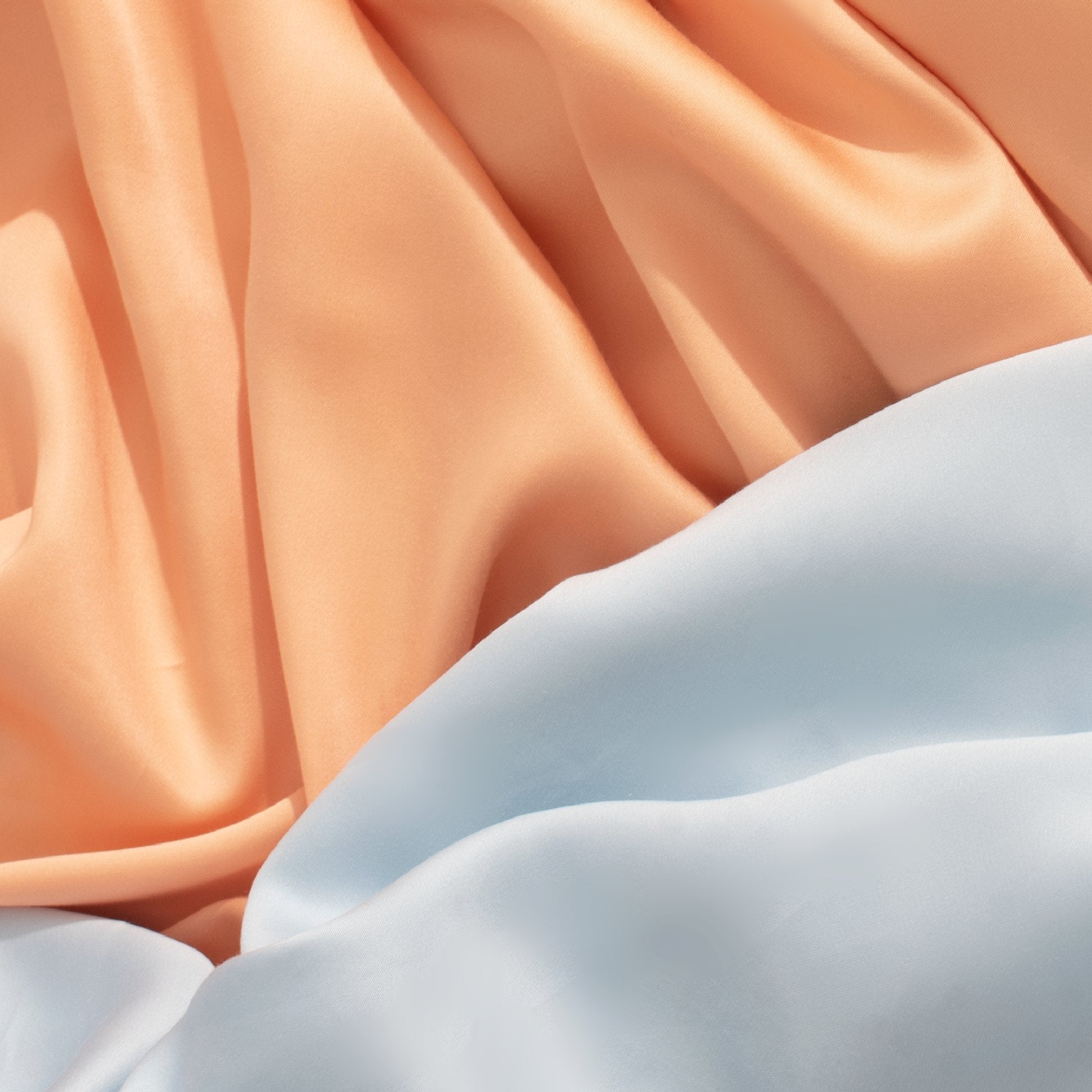
The eucalyptus blanket from cotton to outer shell provides a soft, smooth, and comfortable experience.
Ru9 Eucalyptus Blanket is the first blanket in Vietnam made from cotton to its outer shell entirely from 100% eucalyptus fibers. The blanket surface is super soft, just like what you would feel sleeping on silk. The cooling effect of eucalyptus also makes them the best blanket for a comfortable night.
3. Weave Type
Along with different fabrics, high-quality blankets come in various weave types that offer different levels of warmth and weight. Specifically:
Thermal Blankets
Often found in duvets, thermal weaves are loose, allowing air to circulate easily. These lightweight blankets are great for summer months, as well as for people who sweat a lot in their sleep.
Knitted Blankets
Knitted blankets are usually relatively heavy and warm. You'll often find these weaves in wool or synthetic blankets.
Quilted Blankets
Down blankets are often quilted to keep the filling from shifting.
 Quilting makes the blanket heavy and warm in winter.
Conventional Weave Blankets
This type of blanket is woven using a conventional spinning process that is very tight and dense, providing absolute insulation for the body.
In summary, we hope this guide helps you find the best combination of fabric and weave to keep you warm and comfortable all night long. Good luck.
>> See more:
- Revealing the best summer blanket models you should have
- The type of blanket that's warm in winter and cool in summer - Review of blankets suitable for year-round weather
- Beautiful and most worthwhile bed linen sets currently available
- Instructions on how to quickly and easily insert a duvet cover


