









Natural rubber is one of the most widely used materials in daily life due to its outstanding properties and high applicability. It is also a popular material for its durability, elasticity, and environmental friendliness. So, what is natural rubber? What are its advantages and disadvantages? How is it applied in practice? Let's find out in detail through the article below!

1. What is natural rubber?
1.1. Concept
Natural rubber is an elastic material produced entirely from the latex of rubber trees (Hevea brasiliensis), with the molecular formula (C5H8)n - which is a polymer mixture of isoprene.
Initially, natural rubber was in a liquid state. After the vulcanization process in 1839, it became more durable and elastic and was widely used in industry.
Besides the rubber tree, some other plant species can also produce latex, but they do not play a significant role in commercial production. During World War II, Germany attempted to exploit alternative sources, but this stopped when synthetic rubber was invented.
1.2. History of development
-
16th century: Natural rubber was discovered and used by the people of South America.
-
Centuries later: South America remained the main supplier but with limited production.
-
1876: Henry Wickham smuggled 70,000 rubber tree seeds from Brazil to England, then distributed seedlings to countries such as India, Sri Lanka, Indonesia, Singapore, and Malaya (now Malaysia).
-
1873: India experimented with rubber cultivation at the Calcutta Botanical Garden.
-
1902: India began commercial rubber cultivation in Thattekadu, Kerala.
-
1888–1911: Sir Henry Nicholas Ridley promoted rubber production in Singapore and Malaysia by developing efficient tapping techniques.
-
20th century: Natural rubber expanded to Africa, with major production centers in the Congo Free State, Liberia, and Nigeria.
Currently, natural rubber remains important in the global economy but is gradually being replaced by synthetic rubber.

1.3. Structure and chemical formula of natural rubber
Chemically, natural rubber is polyisoprene – a polymer of isoprene.

The structure of natural rubber consists of cis-1,4 isoprene monomer units linked together, forming a macromolecular chain. In addition, about 2% of the monomer units in natural rubber are linked in a 3,4 configuration.

Similarly, the plant resin Gutta-percha is also a polymer of isoprene but has a trans-1,4 structure, unlike natural rubber.
1.4. Physical properties
-
At low temperatures, natural rubber crystallizes, fastest at -25 °C and melts at 40 °C.
-
Density 913 kg/m³, glass transition temperature -70 °C.
-
Volume expansion coefficient 656 × 10⁻⁴ dm³/°C, thermal conductivity 0.14 W/m·K, specific heat capacity 1.88 kJ/kg·K.
-
Dielectric permittivity 2.4–2.7 (@1000 Hz/s), loss tangent 1.6 × 10⁻³.
-
Dissolves well in straight-chain, cyclic organic solvents, CCl₄, but insoluble in alcohol and ketones.
2. Natural rubber production process
2.1. Latex collection
The most common method is tapping: harvesters cut a spiral groove around the trunks of mature trees, which severs the latex vessels, allowing the white milky substance to flow out.
The cut is usually at an angle of about 30 degrees. To collect the exuding latex, a cup, bowl made of glazed clay, or a plastic bucket is often used.
2.2. Raw material quality control
After harvesting, the latex is inspected for quality using a photosensitive latex method. Next, the latex is transferred to specialized storage facilities with airy, clean, and hygienic cement floors. Here, workers sort and mix different types of latex according to technical standards and begin mechanical processing steps.
2.3. Mechanical processing
Natural rubber latex is separated into smaller blocks of 5-15kg via conveyor belts, making it easier to remove impurities and fit into the kneading machine. These blocks of latex are then put into a mixing tank for washing and then flattened. Finally, the latex is transferred to a combined shredding machine to break it down into a loose crumb form.
2.4. Thermomechanical processing
Tough latex needs to be converted into soft rubber through four processing steps including thermal oxidation, heat, chemical, and mechanical treatment by mixing with several other compounds. After being stacked into drying containers in specific quantities, the latex is hot-dried at approximately 150-200 degrees Celsius for 24 hours.
2.5. Weighing and pressing
Once the hot drying process is complete, the rubber is transferred to a sorting table to cool naturally before being weighed. The semi-liquid latex needs to be heated and measured using specialized equipment. Then, all the latex is fed into the press chamber, where it undergoes shaping and packaging in PE bags.
2.6. Packaging and preservation
PE bags containing natural rubber are lined with two layers of nylon mats, an inner translucent layer and an outer opaque layer.
3. Analysis of the advantages and disadvantages of natural rubber
3.1. What are the advantages of natural rubber?
-
High elasticity: Thanks to its flexible molecular structure, natural rubber can stretch and quickly return to its original state when pulled.
-
Safe for health: Completely natural, contains no harmful chemicals, friendly to skin and user health.
-
Environmentally friendly: Easily biodegradable, contributing to ecosystem protection.
-
Antibacterial: Prevents the growth of bacteria and pathogens, ensuring hygiene.
-
High durability: Products made from natural rubber have a long lifespan and are durable over time.

3.2. What are the disadvantages of natural rubber?
-
High cost: The complex production process, limited output, and dependence on natural conditions make the price of natural rubber higher than other materials.
-
Easily oxidized: Containing no preservatives, natural rubber is easily oxidized when exposed to the environment.
-
Waste treatment: The production process remains controversial due to the inability to thoroughly treat the generated waste.
3.3. Which is better, natural rubber or synthetic rubber?
Unlike natural rubber, which is 100% natural, synthetic rubber is produced by humans through the polymerization of monomers into polymers. Each type of monomer will create synthetic rubber with different characteristics.
So why, when natural rubber already exists, was synthetic rubber researched and created? Is synthetic rubber better than natural rubber? In reality, the two types of rubber have different advantages, and therefore they are also prioritized for different applications.
Overall, natural rubber possesses excellent elasticity, flexibility, antibacterial properties, and long-lasting durability. Therefore, it is best suited for making rubber mattresses – products that promote health and can be used for a long time.
On the other hand, synthetic rubber has better heat resistance, abrasion resistance, anti-aging properties, and weather resistance, so it is often applied in the marine industry, general industry, and the production of outdoor products, etc.
Therefore, to conclude whether natural rubber or synthetic rubber is better, it must be based on the needs and application area.
4. What are the applications of natural rubber?

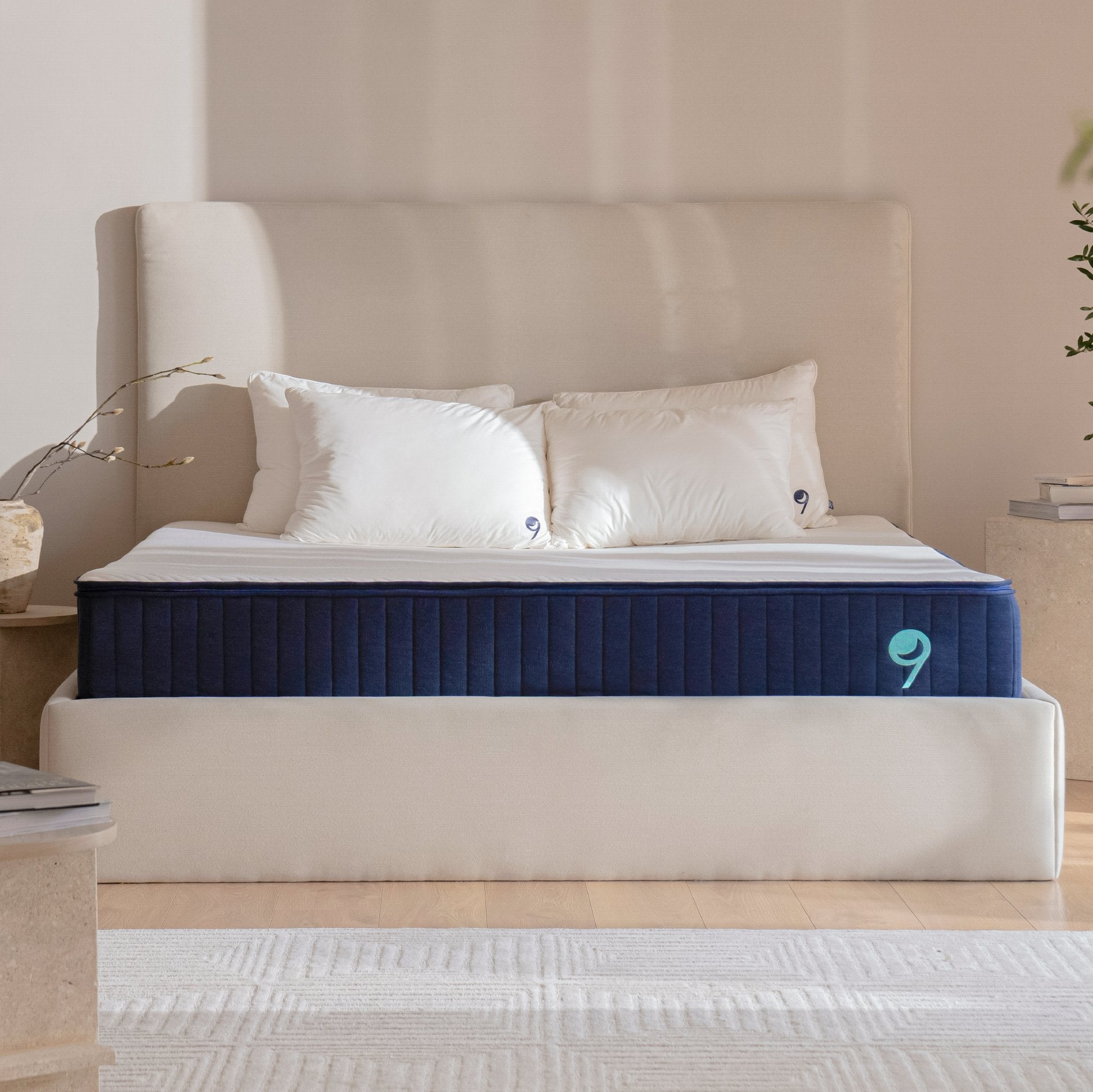
4.1. Natural rubber mattresses
Advantages of natural rubber mattresses
Natural rubber stands out for its optimal durability and elasticity. Thanks to its flexible molecular structure, this material can stretch more than 9 times and still return to its original state, ensuring high durability without becoming stiff.
Additionally, natural rubber is safe for health due to its natural antibacterial properties, which helps reduce the risk of skin diseases and respiratory illnesses. Being entirely natural, it contains no harmful chemicals, providing peace of mind for users.
Not only beneficial for health, natural rubber is also environmentally friendly. Its high biodegradability and recyclability help reduce waste, contributing to ecosystem protection and minimizing negative impacts on the living environment.
If you are not satisfied with these advantages, consider other mattress materials, such as high-quality Foam mattresses or Topper mattresses. These product lines use the highest quality memory foam, providing an excellent sleep experience.
Dunlopillo natural rubber mattresses

Dunlopillo rubber mattresses are renowned for their high quality and sophisticated design. Using Dura Aire rubber with a dense structure and antibacterial properties, the mattress helps keep the spine naturally aligned. The two-sided ventilation system helps control humidity, keeping the mattress dry and fresh.
Dunlopillo also integrates many modern technologies such as nano-bionic and Protex, supporting blood circulation and body temperature balance. The two-sided partition design enhances usability, providing comfort in all sleeping positions. The product comes with a 10-year warranty, with prices ranging from 15,000,000 to 38,000,000 VND.
Lien A natural rubber mattresses

Lien A rubber mattresses are made from 100% natural rubber, safe for health and environmentally friendly. Thanks to advanced deodorizing technology and antibacterial properties, the mattress is always clean and fresh. With a firm surface, high elasticity, and good weight-bearing capacity, the mattress does not sag over time. The smart design optimally distributes pressure, supports blood circulation, and regenerates energy.
A system of millions of ventilation holes effectively dissipates heat, providing a comfortable feeling in all weather conditions. In particular, the mattress also has good water drainage capabilities, making it an ideal choice for families with small children. The product's price ranges from 10,000,000 to 35,000,000 VND.
Kim Cuong natural rubber mattresses

Kim Cuong rubber mattresses are known for their high elasticity, providing a soft feeling and excellent body support, helping to maintain a comfortable sleeping posture. The natural rubber material meets inspection standards, combined with advanced production technology, ensuring durability and a long lifespan.
The product is manufactured on a modern 4.0 production line, optimizing quality and limiting sagging over time. However, the mattress has a moderate firmness, not too soft, so it may not be suitable for those who prefer a soft mattress. Additionally, this product line is not truly diverse in specialized designs for different health needs.
With outstanding advantages, Kim Cuong rubber mattresses range in price from 6,090,000 to 20,990,000 VND, suitable for those looking for a high-quality and durable product.
See more: Which rubber mattress is good? Top 5 best rubber mattresses to buy today
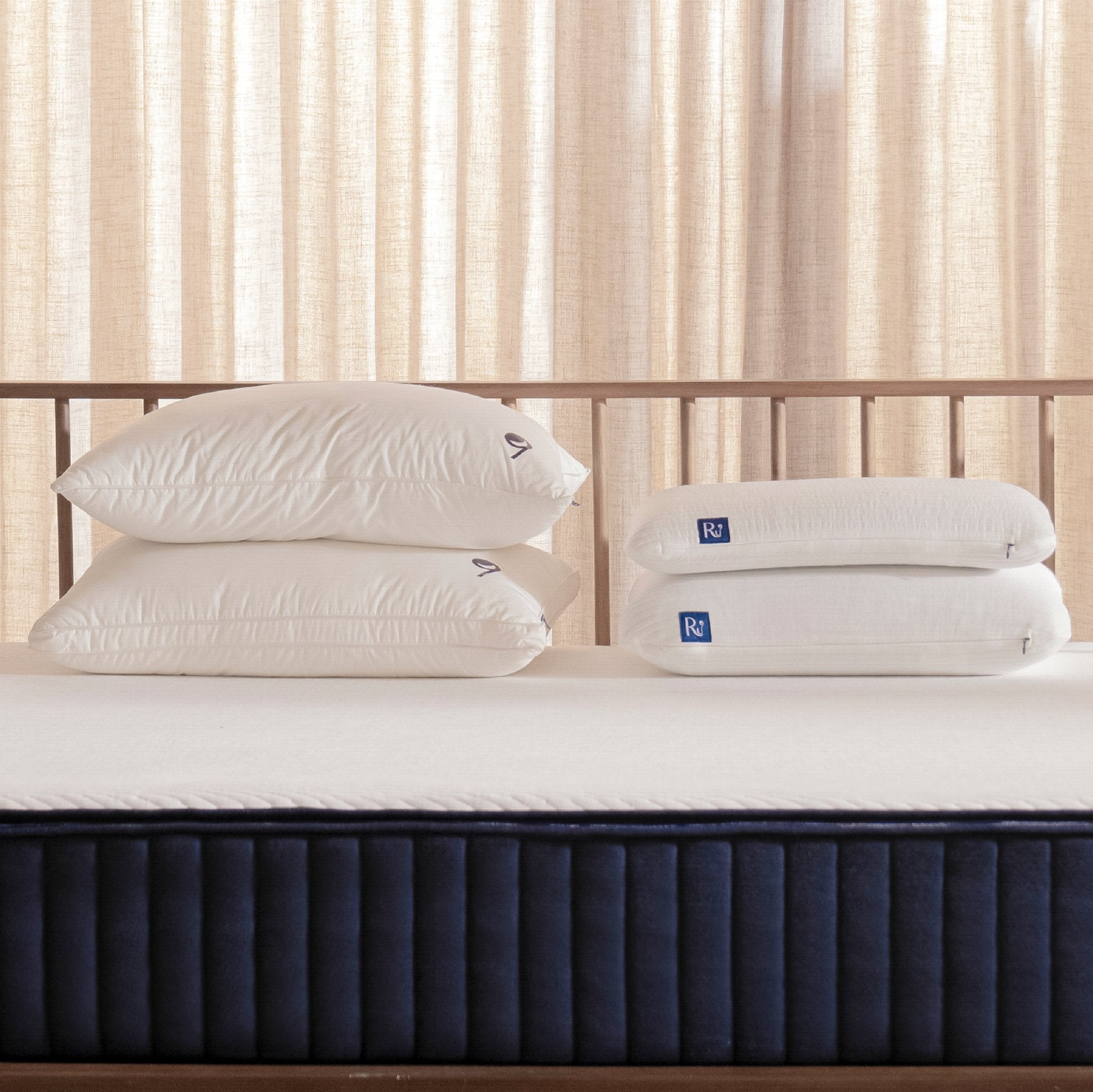
4.2. Natural rubber pillows

Natural rubber pillow cores are made from 100% natural rubber, with a milky white color and excellent elasticity. Thanks to its uniform rubber density, the pillow effectively disperses pressure, keeping the neck aligned with the spine, reducing pain when lying in one position for a long time. The high elasticity allows the pillow to quickly return to its original shape within 3-5 seconds, providing a soft feeling and good support for sleep.
The cotton fabric cover has good moisture absorption, ensuring breathability and safety for the skin. Currently, there are many quality natural rubber pillow brands on the market such as Dunlopillo, Van Thanh, Diamond, Dong Phu, Lien A, etc., suitable for various usage needs.
4.3. Other applications

Natural rubber is widely used in many industries due to its elasticity, durability, and good load-bearing capacity.
In the construction industry, rubber is used for damping, floor lining, manufacturing heat-resistant rubber pipes, steel-reinforced rubber sheets, and sand-pumping rubber pipes. The food industry utilizes specialized rubber to produce food-grade hoses, fish pressing rollers, and oil pump screw pipes.
In industry, rubber is used for window gaskets, molded rubber, and damping mats. The irrigation and hydropower industries apply rubber in waterproofing equipment, waterstops, and coal gate seals. Additionally, natural rubber plays an important role in healthcare, with products such as gloves and rubber stoppers, helping to ensure hygiene and protect users' health.
5. Guide to identifying real natural rubber mattresses

- Color: Real rubber mattresses usually have a cream, light pink, or natural white color, while fake mattresses have darker colors, tend to yellow easily, or appear in many strange shades.
- Scent: Real rubber has no smell or a slight smell like chocolate. In contrast, fake mattresses often have a pungent odor or an artificial fruity fragrance.
- Feel when used: Real rubber mattresses provide softness, do not transfer motion when turning over, and have good elasticity, quickly returning to their original state. Meanwhile, fake mattresses are often hard, causing pain at the contact surface, easily sinking deeply, and flattening quickly after a short period of use.
- Certificates: Real mattresses come with full certificates of elasticity, flatness, load-bearing capacity, anti-counterfeit stamps, and clear warranty policies. In contrast, fake mattresses often lack documents or use fake certificates and labels.
We hope this information helps you better understand natural rubber and choose the most suitable mattress.
See more:
- What is artificial rubber mattress? Comparing natural rubber and artificial rubber mattresses
- What is young rubber? Analysis of the advantages, disadvantages, and applications of young rubber
Reference source: https://en.wikipedia.org/wiki/Natural_rubber


