









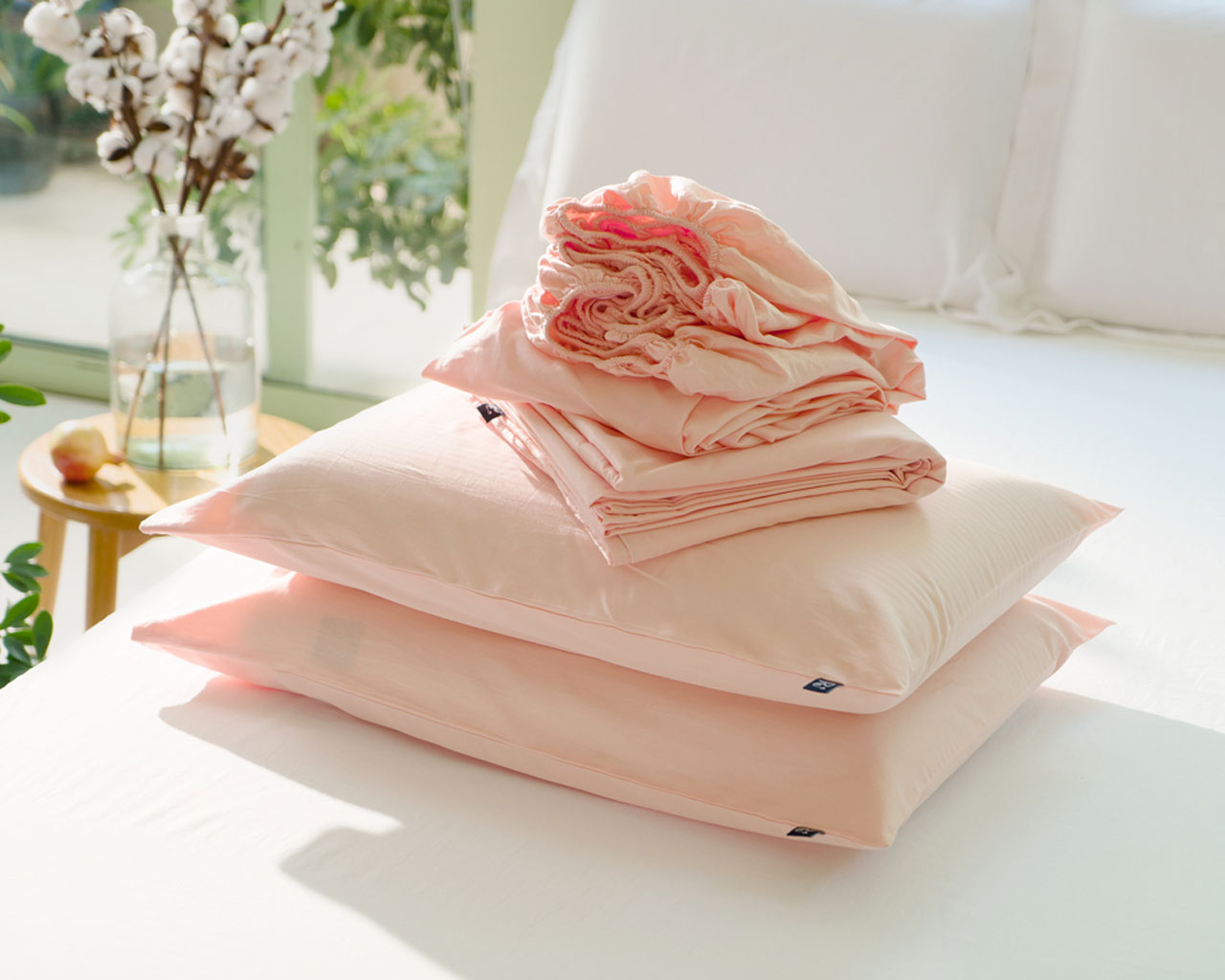
Both cotton sateen and Tencel are renowned for their softness and breathability. However, which material is better depends solely on your personal preference. The article below will help you clearly compare the differences between cotton sateen and Tencel fabrics, making it easier for you to choose.
Cotton sateen and Tencel are two of the most popular materials for bedding and other sleep accessories. Cotton sateen and Tencel are known for being soft, light, and durable. While both can provide a good night's sleep, there are certain differences to determine which material is better for you. Let's explore the details with Ru9 in the article below!
1. What is Cotton Sateen?
Made from 100% cotton, but due to a weaving technique relatively different from traditional cotton, it is known by the new name cotton sateen.
When there is less interweaving between the weft and warp threads, the density of cotton fibers is less than traditional fabric. Thanks to this, cotton sateen has a short transverse surface structure, a smooth and shiny top surface, and a rough and dull bottom surface.
Advantages of cotton sateen material
- Soft, pleasant feel to the touch
The weaving method of cotton fibers greatly affects the feel of cotton sateen. In a cotton sateen weave, you will notice more warp threads than weft threads, which gives the fabric optimal smoothness.

Cotton sateen is often used in sleep products.
- Excellent breathability
Not only does it provide a smooth feel, but cotton sateen also has breathable properties, keeping you cool in the summer. But at the same time, it retains heat easily, keeping you warm in the winter. As a result, most people often prioritize using cotton sateen year-round for their sleep.
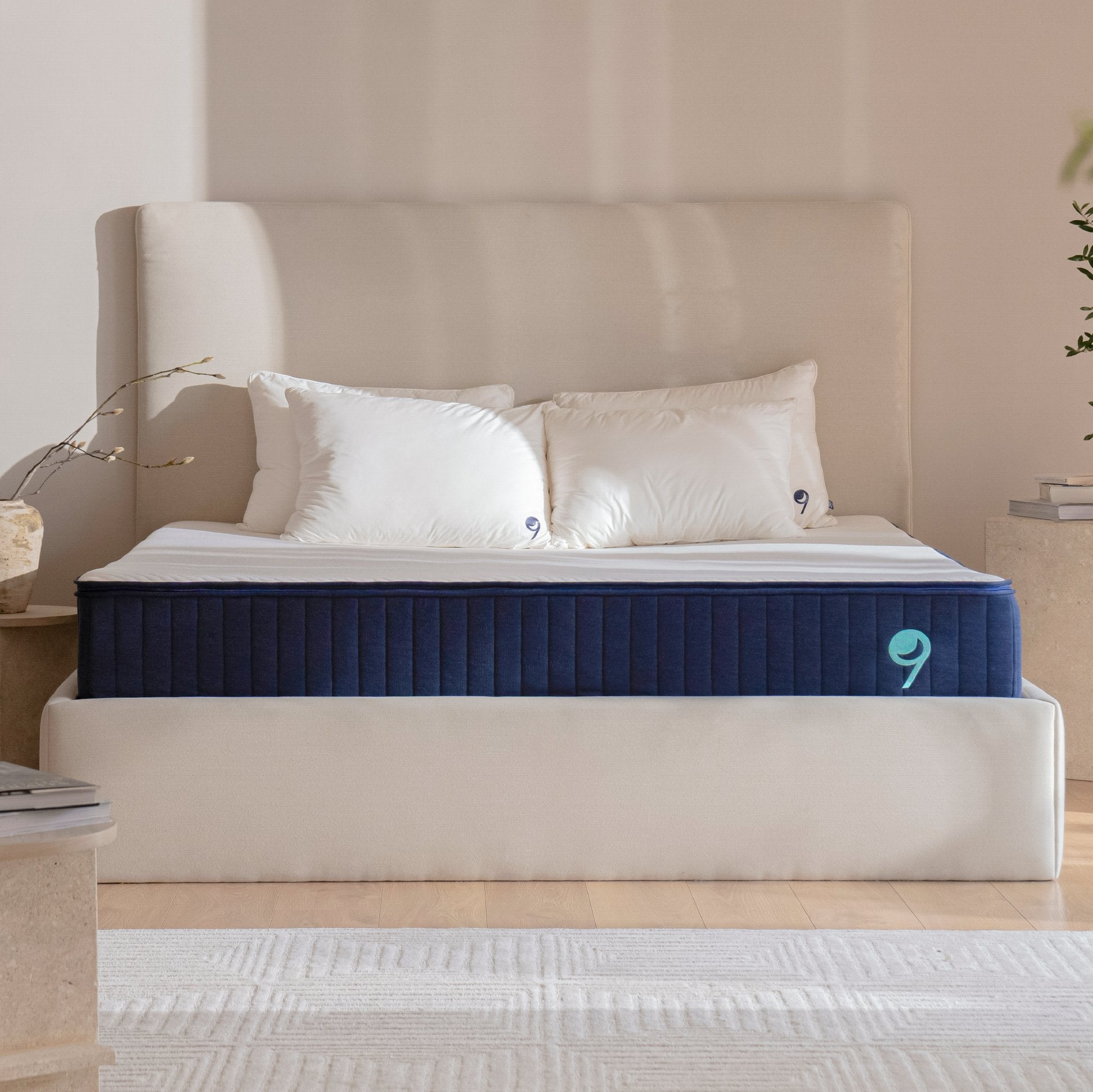
For example, when applied to the Ru9 Sateen Bedding Set, the cotton sateen material with a 400 thread count fully exhibits its soft and cool effect from the very first touch.
-
Good wrinkle resistance
With a subtle sheen, cotton sateen still has natural wrinkle resistance. Therefore, it has a smooth appearance without needing to be ironed.

Cotton sateen has excellent wrinkle resistance without ironing.
-
Water resistance
Thanks to its excellent water resistance, cotton sateen is easy to clean without leaving unwanted moisture stains. Additionally, cotton sateen also helps resist mold and dampness.
-
Skin-friendly
Cotton sateen does not cause itching, scratching, or skin irritation when used. Because the weaving density creates a smooth texture, lint that negatively affects the skin is avoided.
Disadvantages of cotton sateen material
- Regarding cleaning
Cotton sateen should only be hand-washed or, if machine-washed, follow a gentle cycle. This is because harsh machine washing will affect the quality of the fabric and the product.
- Price
Thanks to its outstanding advantages for users, cotton sateen has a relatively high price compared to some other fabrics on the market.
2. What is Tencel?
Tencel is a fabric made from 100% natural materials, friendly to humans and nature. Currently, Tencel is considered a "shining star" in the sustainable fashion and sleep industry.
Advantages of Tencel material
- Environmentally friendly
One of the reasons more and more people choose to use Tencel is to minimize environmental impact.
In production, Tencel requires less energy and water than conventional cotton. As a plant-based fiber, Tencel is also biodegradable and can be composted for soil.
- Comfortable to use
Tencel fabric is extremely versatile. Depending on the length of the woven fibers, each type of Tencel has a different thickness and texture, providing a soft and comfortable feel when used.
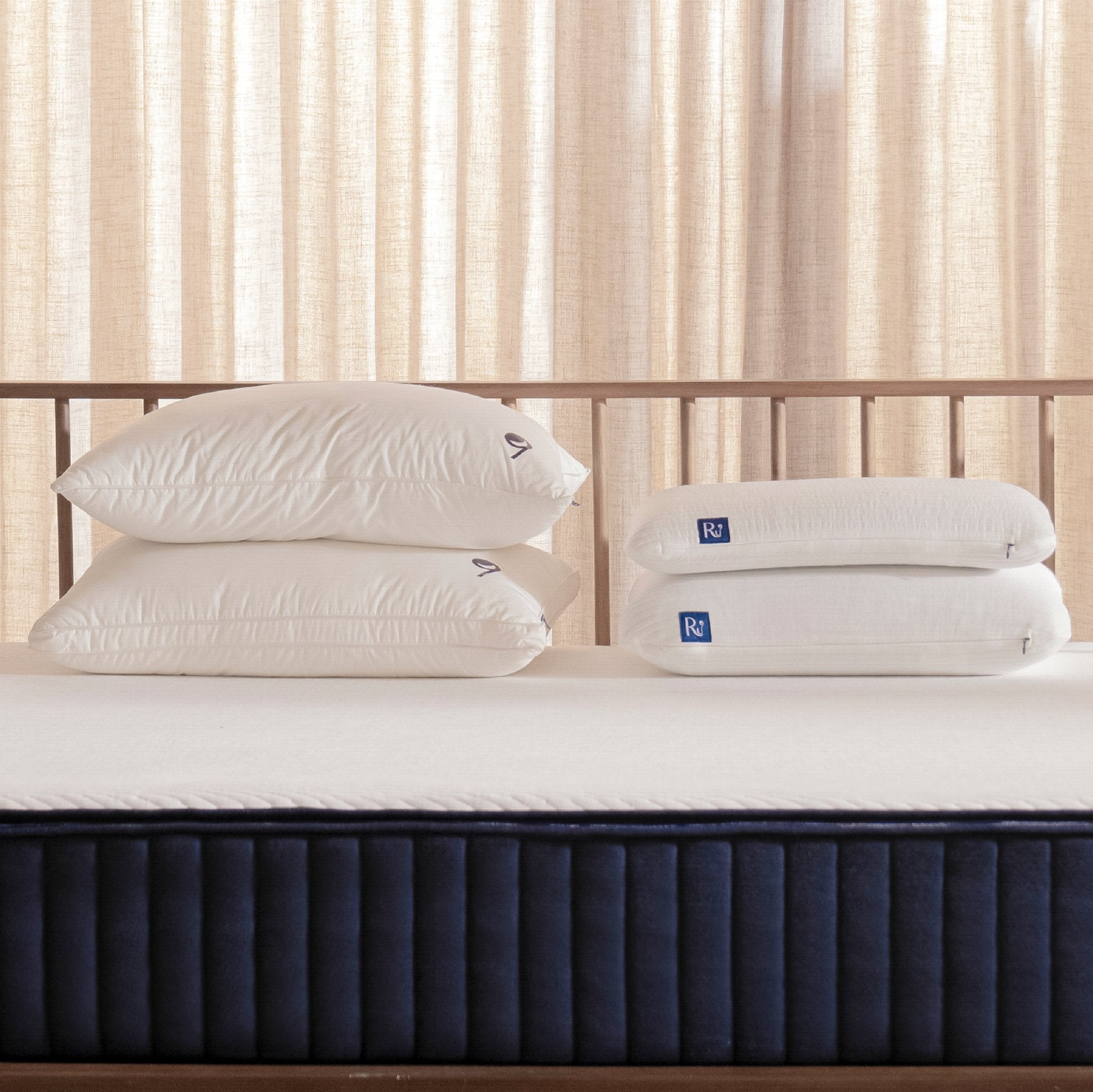
When used in the Ru9 Original mattress cover, Tencel material absorbs moisture well and is breathable, making your sleep more complete than ever.

Tencel covers provide a soft and comfortable feel when used.
- Moisture absorption and breathability
Tencel has an astonishing moisture absorption capacity, more than 50% greater than cotton. Therefore, this material allows air to circulate easily, preventing heat retention and providing breathability.
Tencel easily regulates body temperature, as well as effectively wicks away any moisture (i.e., sweat).
- Hypoallergenic
Tencel is not only soft but also hypoallergenic for sensitive skin. In addition, Tencel's moisture-wicking properties also ensure that bacteria do not have many conditions to grow and cause odors in the fabric.
- Diverse and rich colors
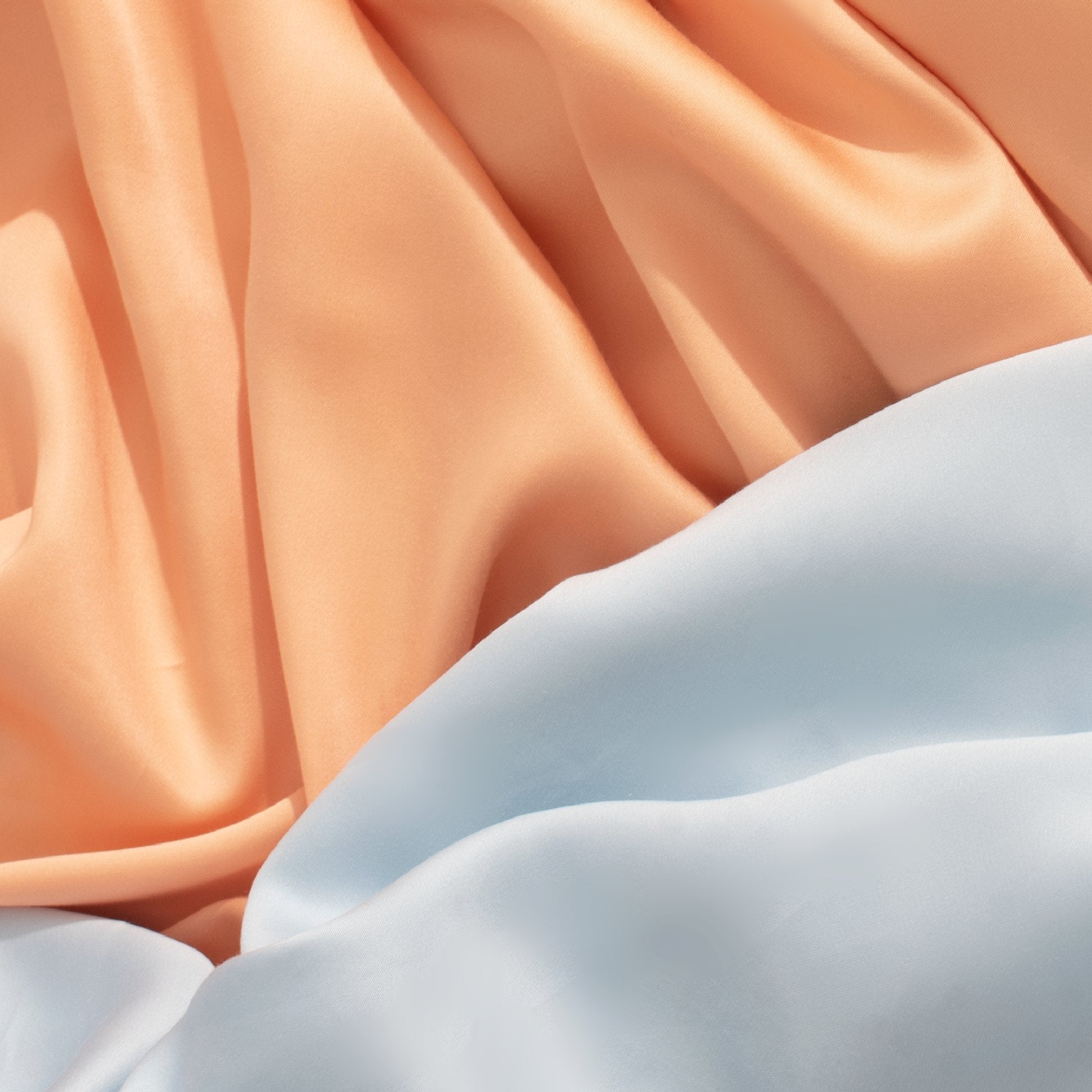
Thanks to the high absorbency of its fibers, Tencel is easy to dye. This creates many eye-catching colored products while maintaining high quality and a low risk of fading.

Products made from Tencel come in many different colors to choose from.
Disadvantages of Tencel material
- Price
Tencel is produced with strict technological requirements and high costs, so its price is relatively high compared to other fabrics on the market. But this is completely worth it because of the durability and advantages that Tencel brings.
3. Some Differences Between Cotton Sateen and Tencel
As mentioned above, cotton sateen and Tencel are both natural materials highly valued for their breathability, durability, and softness. While Tencel is derived from wood pulp, cotton sateen uses plant fibers. Since both have surprisingly similar characteristics, deciding which to choose can be difficult. Here are some of the biggest differences to help you choose.
Regarding durability
Cotton sateen is very durable, even becoming softer when washed and more comfortable after use.
Meanwhile, if properly cared for, Tencel material is usually very durable and resistant to signs of wear and thinning.

Both cotton sateen and Tencel are highly durable after use.
Regarding feel
Cotton sateen and Tencel both offer a soft, smooth feel, but Tencel feels cooler to the touch.
Their surfaces both produce a certain sheen, but if compared, Tencel is less likely to wrinkle than cotton sateen.
Regarding price
Products made with Tencel material inherently always have a higher price than many other options. Meanwhile, cotton sateen has many different price points to choose from, largely depending on the type of cotton used.
Regarding breathability
Cotton sateen fabric is generally moisture-wicking and breathable, however, it also has heat-retaining properties, which can be somewhat uncomfortable for those who sweat a lot at night.
Because Tencel both absorbs heat and is breathable, it has superior temperature regulation capabilities.

Cotton sateen material has high moisture-wicking and breathability.
Regarding cleaning and maintenance
Cotton sateen can be hand-washed, gently machine-washed, and tumble-dried according to the instructions on the packaging. Additionally, most cotton sateen products can withstand heat, so they can also be ironed if necessary, but be sure to choose a low heat setting to ensure quality.
Despite its high durability, Tencel's lifespan is significantly reduced if not cleaned properly. Therefore, cleaning Tencel is much more "difficult" than cotton sateen. Products made from Tencel can be machine-washed in cold water on a gentle cycle. Avoid high temperatures such as washing in hot water, tumble drying, or ironing.
In summary: Both Tencel and cotton sateen have distinct advantages, so choosing is not easy. However, understand your needs to consider and decide on the most suitable material. Hopefully, through this article, you will easily choose a material worthy of your investment!


