











A good night's sleep is the foundation for good health and a refreshed spirit. But not everyone knows how to fall asleep quickly in today's busy life. Fortunately, there are many simple methods to help you fall asleep more easily, from taking a warm bath and massage to using essential oils. Depending on the cause of your sleep difficulties, you can apply suitable quick sleep methods to improve your sleep quality every night.

1. Average time to fall asleep
According to the American Sleep Foundation, it takes an average of only 15 to 20 minutes for a normal person to fall asleep after lying down. However, some people may fall asleep faster, while others may take longer to fully enter deep sleep.
If a person takes more than 30 minutes to fall asleep, they may be suffering from insomnia or difficulty sleeping. Conversely, if it only takes 5 minutes to fall asleep, this person is experiencing severe sleep deprivation and needs to rebalance their work and rest schedule.

2. Effective ways to fall asleep quickly and soundly in 1 minute

Simple ways to fall asleep in 1 minute: Lower room temperature or take a warm bath, 4-7-8 breathing method, establish a fixed sleep schedule, avoid looking at the clock, limit napping, absorb appropriate light, avoid blue light, avoid caffeine, light exercise, aromatherapy, etc.
2.1. Lower room temperature or take a warm bath
When sleeping, body temperature often drops. Therefore, if the bedroom is too hot or too cold, you will have difficulty sleeping deeply. The ideal temperature should be kept between 16–19°C, depending on personal preference. In addition, taking a warm bath before bed helps dilate blood vessels, gently lower body temperature, and signal the brain that it's time to rest.
2.2. How to fall asleep quickly in 2 minutes: The 4-7-8 breathing method
One of the most scientific and effective ways for people with difficulty sleeping to fall asleep quickly is to apply the 4-7-8 breathing method. This yoga breathing technique helps calm the nervous system, allowing you to relax quickly and fall asleep more easily.
How to do it: Inhale through the nose for 4 seconds, hold your breath for 7 seconds, exhale through the mouth for 8 seconds. Repeat 4 cycles.
2.3. Establish a fixed sleep schedule
Going to bed and waking up at the same time every day helps stabilize the body's biological clock. Adults should sleep 7–9 hours each night. Before going to bed for 30–45 minutes, relax by reading a book or listening to soft music.
2.4. Don't look at the clock
The simplest way to fall asleep quickly is to not look at the clock. Waking up in the middle of the night is normal, but if you look at the clock and worry about not being able to fall back asleep, it will make you even more awake. Placing the clock out of sight will help you maintain a relaxed mindset and fall back asleep more easily.

2.5. Limit napping
Sleeping too much during the day can make it difficult to sleep at night. If you need a nap, only nap for about 15–30 minutes and avoid napping after 3 PM to avoid affecting your night's sleep.
2.6. Absorb appropriate light
A surprising way to fall asleep in 2 minutes is to be exposed to appropriate light.
Light is an important factor directly affecting the body's biological clock, thereby impacting sleep and alertness levels. When sufficiently exposed to light – especially natural light during the day – the body maintains a state of alertness and stable energy.
Conversely, if you are less exposed to light during the day, especially when working in a dark or enclosed space, your circadian rhythm can be disrupted. This makes it difficult to feel sleepy in the evening and easy to feel tired and unfocused during the day.
At night, darkness stimulates the body to produce melatonin – a hormone that promotes sleepiness. Meanwhile, strong light at night (especially blue light from phones, TVs, computers) can suppress melatonin, making it harder to sleep.
Therefore, to improve sleep, take advantage of natural light during the day and limit strong light in the evening, especially before bedtime.
2.7. How to fall asleep quickly for people with difficulty sleeping: Avoid blue light
Most young people who have trouble sleeping at night are phone addicts. The most effective way to fall asleep in 10 seconds for this group is to limit the use of electronic devices near bedtime.
Blue light emitted from phone, computer, or TV screens can suppress melatonin – the hormone that helps the body recognize when it's time to rest and fall asleep.
When exposed to too much blue light in the evening, the brain can become confused, slowing down or preventing the natural sleep process. This makes it take longer to fall asleep or causes sleep to be interrupted and not deep.
To support better sleep, you should limit using electronic devices at least one hour before bed. Turning off or putting away your phone and computer helps the body produce enough melatonin, making it easier for you to fall asleep quickly and deeply.
2.8. Avoid caffeine
Caffeine is a stimulant that helps you stay awake and reduces fatigue, commonly found in coffee, chocolate, soft drinks, and energy drinks. However, consuming caffeine too close to bedtime can negatively affect the quality and duration of your sleep. For those addicted to coffee or tea, the simplest way to fall asleep quickly is to limit caffeine before bed.
Everyone has a different tolerance for caffeine, but to protect your sleep, you should avoid caffeinated beverages or foods at least 6 hours before bedtime. Instead of coffee or soft drinks, you can choose gentle herbal teas like chamomile tea – which helps relax the mind and supports deeper sleep.
Controlling caffeine intake is a simple but effective step to help you fall asleep quickly and maintain sound sleep throughout the night.
2.9. Light exercise
Regular exercise brings many health benefits and also helps improve sleep quality. Moderate physical activity promotes the brain's production of serotonin – a neurotransmitter that helps regulate mood and sleep, while also reducing cortisol levels – the hormone that causes stress.
However, over-exercising or exercising intensely late in the day can make it difficult to fall asleep. Therefore, you should prioritize light exercises and perform them in the morning or early afternoon to allow your body to relax before sleeping.

Some suitable light exercise forms include walking, light jogging, cycling, or playing tennis. This habit not only helps you maintain your health but also creates favorable conditions for you to fall asleep faster and deeper at night.
2.10. Relax before bed
Stress and anxiety are often the reasons why many people have difficulty sleeping. Therefore, taking time to relax before bed is a quick way to fall asleep that helps you easily drift into deeper, higher-quality sleep.
Yoga and meditation are effective methods to calm the mind and relax the body. Yoga movements not only improve breath control and body flexibility but also help reduce mental stress, thereby enhancing sleep quality. Similarly, meditation helps soothe chaotic thoughts, creates a sense of peace, and helps you sleep better.
Soft music can also be a sleep aid, promoting deep sleep and improving chronic insomnia. In addition, journaling or focusing on positive thoughts can also help you relieve stress and fall asleep more easily.
The habit of reading before bed, especially traditional paper books, also helps you relax effectively. Avoid reading e-books because the blue light from screens can reduce the production of melatonin, a hormone that aids sleep, making it difficult to sleep and causing fatigue the next day.
2.11. Adjust your diet
Your diet before bed significantly impacts your sleep quality. Meals rich in carbohydrates can help you fall asleep more easily, but often don't provide deep and truly comfortable sleep. Conversely, foods high in healthy fats tend to support deeper and longer sleep.
If you like to eat carb-heavy dishes in the evening, try to finish your meal at least 4 hours before bedtime to allow your body enough time to digest, avoiding discomfort and sleep interruptions.
Adjusting your diet appropriately, especially at dinner, will not only help you fall asleep easily but also improve the quality of your sleep, leaving you feeling refreshed when you wake up the next morning.
2.12. Diffuse essential oils
Using aromatic essential oils is a completely natural way for people with difficulty sleeping to relax, reduce stress, and improve sleep quality. The pleasant scents from essential oils not only help you fall asleep more easily but also extend the duration of deep sleep.
Popular essential oils favored by many for their good relaxing effects include lavender, rosewood, peppermint, along with a combination of lemon and orange essences that create a gentle, pleasant aroma.
You can use an essential oil diffuser or drop a few drops of essential oil on your pillow and bed sheets to enjoy the relaxing benefits before bed, helping your mind relax and making it easier to fall into deep and sounder sleep.
2.13. Changing sleeping position is a 10-second way to fall asleep quickly
The quality of sleep depends not only on the amount of sleep but also on your sleeping position. The three most common sleeping positions are on your stomach, on your side, and on your back.
Although many people believe that sleeping on your back leads to better sleep, studies show that this position can obstruct the airway, leading to sleep apnea or snoring – factors that reduce sleep quality.
A quick way to fall asleep in 1 minute is to try changing your sleeping position, especially sleeping on your side, which is considered the best position to keep the airway clear, reduce snoring, and help you sleep deeper more easily.
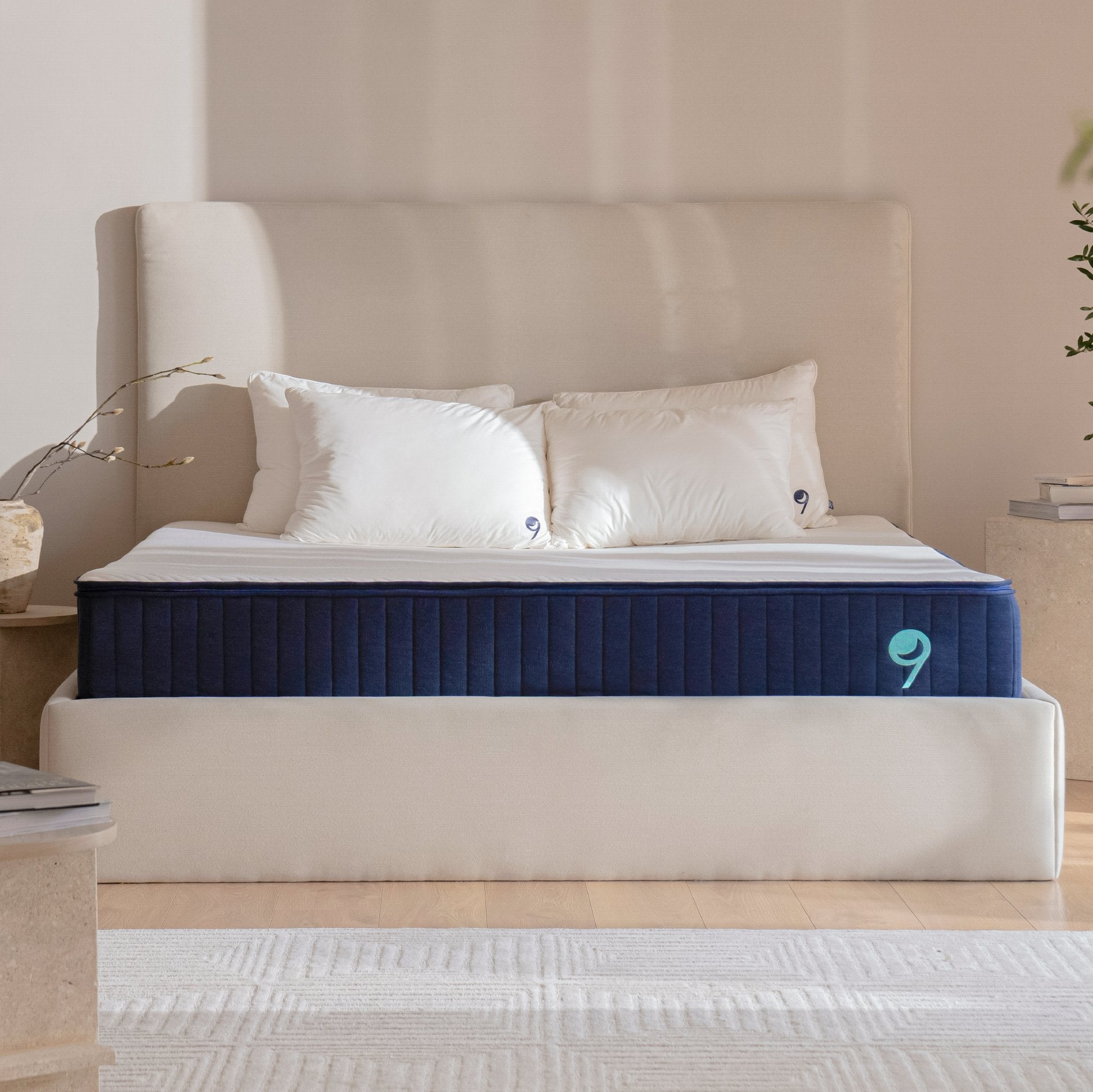
2.14. Choosing appropriate blankets, sheets, pillows, and mattresses is a sustainable way to fall asleep quickly
The comfort of your bed plays an important role in enhancing sleep quality. Choosing a mattress with medium firmness not only helps you sleep deeper but also helps reduce the risk of sleep problems.
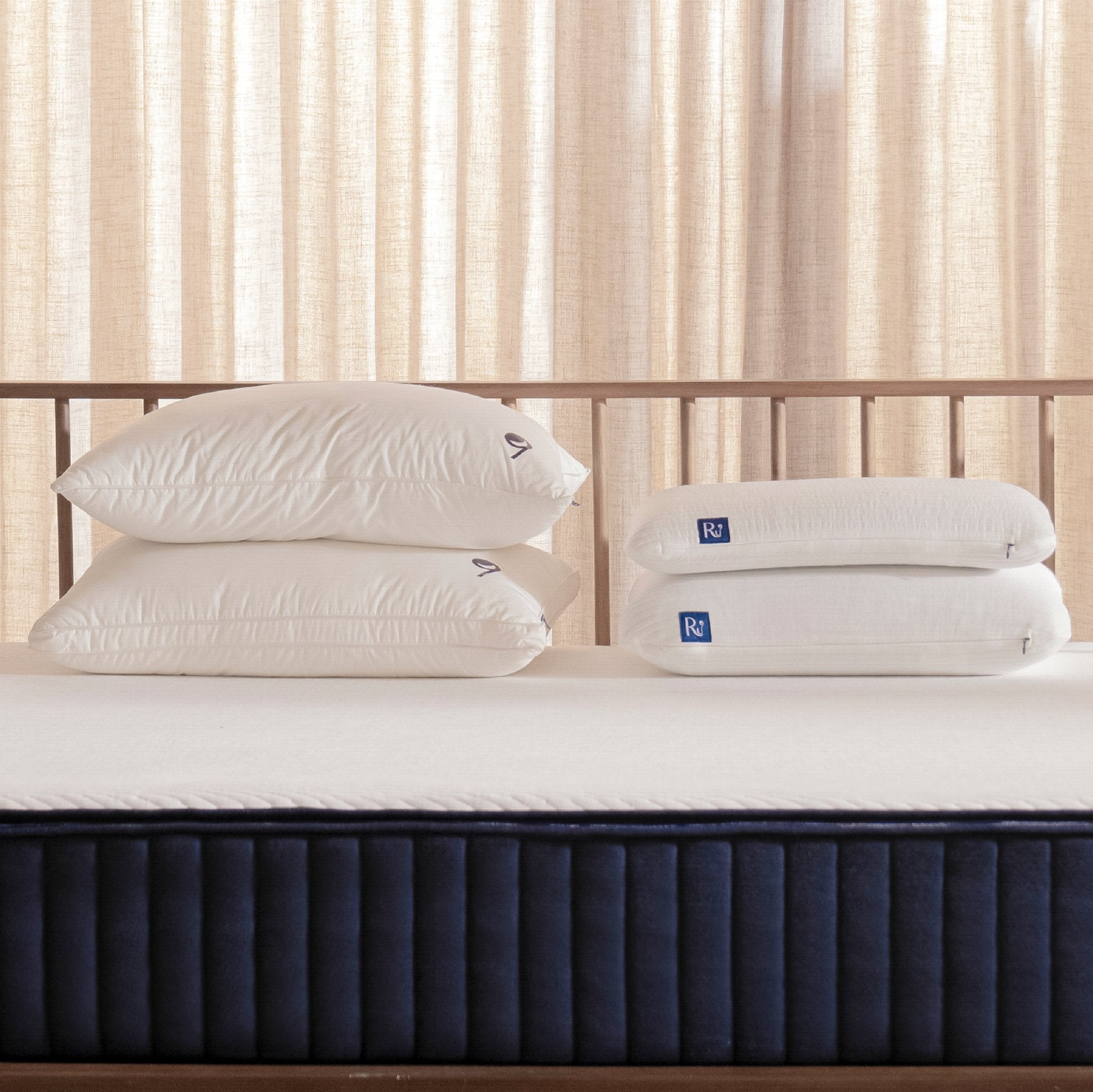
In addition, pillows are also an indispensable factor. A suitable pillow will keep your neck and spine in a natural position, increasing comfort and helping you avoid aches and pains. Research shows that orthopedic pillows often support sleep better than traditional pillows such as down pillows or foam mattresses.

Finally, the material of your sleepwear also affects your sleep. You should choose soft, stretchy, and sweat-wicking clothing to keep your body comfortable, thereby helping you quickly fall into deep and sounder sleep.
2.15. Think about things that make you happy
Instead of letting your mind be dominated by worries and stressful thoughts while in bed, try to focus on positive images and memories. A study on insomnia showed that people who practiced distraction techniques by imagining joyful things helped them fall asleep more quickly.
This quick way to fall asleep helps you divert your thoughts from anxieties, creating a sense of relaxation and peace before bed. Focusing on positive things not only helps reduce stress but also improves sleep quality, helping you wake up refreshed and full of energy.
2.16. Use supplements to fall asleep faster
If the quick sleep methods above aren't working for you, your body might need some natural supplements to help improve sleep and make it easier for you to fall into deeper sleep.
- Magnesium is an important mineral that helps activate neurotransmitters related to sleep, with doses up to 500mg per day proven effective.
- 5-HTP, an amino acid, helps boost serotonin production – a hormone that regulates sleep. A dose of about 600mg per day can help reduce insomnia.
- Melatonin is a natural hormone that regulates the circadian rhythm; it can also be supplemented in pill form with doses from 0.5 to 5mg, taken about 2 hours before bedtime to enhance sleep quality.
- L-theanine, another amino acid, helps relax and safely improve sleep, often used at a dose of 400mg per day. GABA (gamma-aminobutyric acid) also helps calm the central nervous system, helping you relax more easily and sleep better.
2.17. Regular bedroom hygiene
A clean, airy bedroom will be one of the best ways for anyone to fall asleep quickly and deeply. Because when you live and rest in a messy, damp room, your body will automatically produce a large amount of cortisol – a hormone that causes stress, fatigue, and anxiety.
Try to clean your bedroom once a week, just by simple actions like changing bed sheets, pillowcases, or tidying up items in the bedroom. A tidy, clean room will help your body relax and fall asleep more easily.
2.18. Limit the use of electronic devices
Simply put, the screens of current technology devices such as phones, laptops, and tablets all emit blue light. This type of light disrupts the production of melatonin, seriously affecting sleep. Therefore, the correct way to fall asleep quickly and soundly is to stop using these devices about 2 hours before bed.
2.19. Write before bed
A major reason why people find it difficult to sleep is having too many thoughts in their head. Therefore, a suggested quick way to fall asleep is for people to try writing down their thoughts in a journal or any notebook to calm their mind. In addition, writing in the evening is also believed to be a method to help improve your memory.
2.20. Take a warm bath
Another worthwhile quick sleep method is to take a warm bath one to two hours before bed, which can help you relax and fall asleep easily. When you take a warm bath, your body will relax both physically and mentally. Additionally, a warm bath also helps lower your body temperature, signaling that it's time to prepare for sleep. As a result, you will sleep better and deeper.
However, if you go to bed too late, after 10 PM, try applying other methods first as late-night bathing is not recommended.
Summary
In summary, when insomnia negatively affects health and well-being, using these supplements can be a helpful way to fall asleep quickly and treat insomnia, helping you feel more alert and healthy the next day.

If insomnia persists for more than 4 weeks, occurs at least 3 nights per week, and reduces your quality of life, you should proactively seek examination at relevant specialized departments. Waking up multiple times during the night or having symptoms like snoring, sleep apnea also needs thorough examination.
Early detection and treatment of sleep disorders help avoid serious impacts on mental and physical health, while also improving daily quality of life. Do not be complacent about prolonged sleep problems.
In summary, insomnia, difficulty falling asleep, or frequent awakenings during the night all seriously affect health and quality of life. To improve this situation, you can apply appropriate quick sleep methods such as relaxing before bed, changing positions, or adjusting your daily routine. If insomnia persists, you should proactively seek medical attention for timely support.


