










Sleep apnea is a sleep disorder characterized by repeated episodes of breathing cessation (10 seconds/episode) that awaken the body, disrupt sleep, and affect many people's health and well-being, leading to fatigue and an inability to focus on work the next day. So, how can sleep apnea be improved? What is the simplest way to treat sleep apnea? Let's find out with Ru9 in the content of this article!
1. What is sleep apnea and is it dangerous?
What is sleep apnea? Sleep experts say: Sleep apnea is a common sleep disorder. This phenomenon is characterized by episodes of breathing cessation during sleep, no airflow for 10 seconds or more, or a decrease in breathing by more than 50% for 10 seconds, occurring continuously during your sleep and causing a lack of oxygen supply to the body. Common symptoms of the disease include:
- Loud snoring during sleep
- Waking up feeling breathless or suffocated
- Waking up with headaches
- Poor memory and concentration
- Frequent fatigue and daytime sleepiness

Sleep apnea is a fairly dangerous sleep disorder.
Sleep apnea is identified as a dangerous medical condition that causes body fatigue, daytime sleepiness, inability to concentrate at work, uncontrolled blood sugar and blood pressure, an increased risk of traffic accidents, and an increased risk of other medical conditions, and even sudden death during sleep.
Sleep apnea is a very common condition in many people but is often overlooked because the symptoms exist for a long time but only occur for a short period, leading to a sense of familiarity with this symptom and considering it normal.
2. Causes of sleep apnea/rapid breathing during sleep
Sleep experts classify sleep apnea into two forms, namely:
Obstructive sleep apnea: This is the most common type of sleep apnea, occurring when the airway narrows or becomes blocked. People who are obese, alcoholics, have small jaws, or enlarged tonsils are at a higher risk of obstructive sleep apnea than normal individuals.
Central sleep apnea: This phenomenon occurs due to instability in the respiratory center, causing the brain to fail to send signals to the organs controlling respiratory activity. Causes may include encephalitis, neck injury, congestive heart failure, brainstem damage, stroke, use of opioids, morphine, codeine, oxycodone, etc.

Sleep apnea is caused by an obstructed airway.
In some cases, patients may experience both types of sleep apnea, obstructive and central.
In addition, many people also experience sleep apnea after COVID. After contracting COVID-19, health and resistance decline, the lungs are damaged, and the respiratory system of the patient is also affected and needs time to recover.
3. Can sleep apnea be cured?
According to respiratory specialists, various measures need to be applied to overcome sleep apnea. Patients with sleep apnea need to monitor their health regularly and undergo periodic health check-ups.
Identifying the cause of sleep apnea will help people find a safe and effective way to treat sleep apnea.
If you have obstructive sleep apnea, it can be treated by using certain medications that help dilate the bronchi to clear the airway, facilitating smooth respiratory activity.
If you have central sleep apnea, you will need to use specific medications or undergo invasive surgery.
In addition, besides applying treatments for sleep apnea, people need to change their daily habits in a positive way. Limiting alcohol, not smoking, scientific weight loss, and regular exercise every day help maintain good physical health.
4. Simple and effective ways to treat sleep apnea
Here are some simple ways to treat sleep apnea at home or with professional intervention that you can apply to minimize the effects of the disease: Change sleeping position, lose fat, clean nose and throat, limit alcohol, tobacco, and caffeine before bed, train throat muscles, use dental appliances to support the jaw, use suitable pillows, and medical intervention.
4.1. Change sleeping position
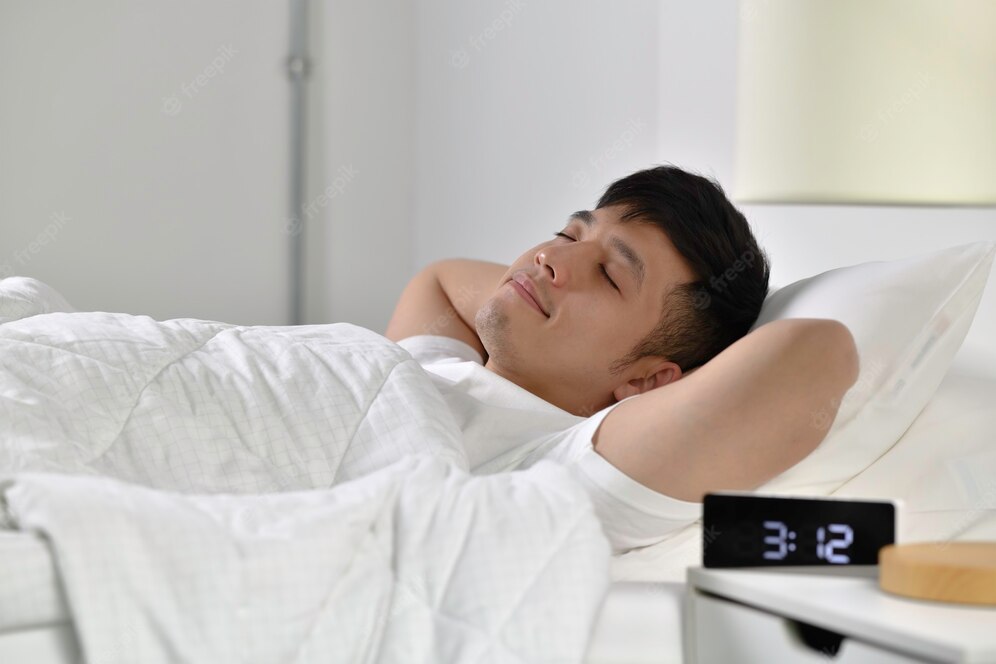
If you are experiencing sleep apnea, a simple way to treat it is to change your sleeping position, sleeping on your side instead of on your back. Sleeping on your back is particularly bad for people with sleep apnea syndrome, as it causes the jaw and tongue to close, blocking the airway and making snoring and sleep apnea worse.
4.2. Reduce fat
Overweight and obese people are very susceptible to sleep apnea. Losing weight helps reduce the amount of fat around your neck, widens the airway, facilitates air circulation, and improves respiratory function.
To lose weight safely, you should change your diet: Reduce oil, sugar, and starch, and increase vegetables, fruits, protein, healthy fats, and minerals. At the same time, combine moderate exercise with fast fat-burning exercises such as incline walking, yoga, etc.
4.3. Clean nose and throat
Another simple way to treat sleep apnea is for the patient to regularly clean their nose and throat thoroughly with saline solution. Dilate the nose, use a saline spray to open the nasal passages for easier breathing. This solution is suitable and effective for people with mild to moderate sleep apnea.
4.4. Limit alcohol, tobacco, and caffeine before bed
One of the causes of sleep apnea in many people is the habit of consuming alcohol, tobacco, and addictive substances. Specifically, the effects of these stimulants are:
- Tobacco: Inflamed and irritated airways
- Alcohol: Relaxes throat muscles, easily causing airway narrowing
- Caffeine (Tea, coffee, energy drinks): Stimulates the nervous system, causing difficulty sleeping, restless sleep, and easily leading to sleep apnea
Therefore, the simplest way to treat sleep apnea is to avoid these stimulants before bed. In addition, stopping the use of these nervous system stimulants is also an effective way to fall asleep early, significantly improving sleep quality.
4.5. Train throat muscles
A simple yet fundamental way to treat sleep apnea is to exercise to increase the strength and flexibility of the throat muscles, making the soft tissues around the throat firmer, thereby reducing airway obstruction. You can apply the following exercises:
- Push your tongue up to the roof of your mouth and hold for 5 seconds. Perform 10 times/day.
- Train your lower jaw: Move your lower jaw forward, hold for 5 seconds. Perform 10 times/day.
-
Vowel pronunciation: Practice reading vowels U, E, O, A, I aloud for 5 minutes. Perform 2-3 times/day.
4.6. Use dental appliances to support the jaw
Currently, medical experts have researched and created a dental appliance that is used by being attached inside the mouth during sleep. This device will help bring the jaw forward and widen the airway, making the breathing process during sleep smoother and more convenient. This is also an intervention approach for how to sleep without an open mouth that you can refer to.
Dentists will measure the size of your mouth and create a device that fits your mouth. This is also a simple way to treat sleep apnea for everyone.
4.7. Use a suitable sleeping pillow
Sleep experts recommend that people with sleep apnea should not use pillows that are too high or too low.
If you go to bed with a pillow that is too high, you will easily suffer from cervical spine curvature, wake up with neck pain, and be prone to cervical spine diseases such as cervical spondylosis, herniated discs. Most importantly, using a pillow that is too high causes insufficient blood flow to the brain, and your neck is bent, obstructing and blocking the airway, thus making you prone to sleep apnea. 
Using a suitable sleeping pillow is an effective way to improve sleep apnea.
If you use a pillow that is too low, too much blood flow to the brain can easily lead to a risk of blood vessel congestion, causing central sleep apnea.
Therefore, according to sleep experts, choosing a suitable sleeping pillow is an effective and long-term way to treat sleep apnea. To improve sleep apnea, people should choose a pillow with a moderate thickness (8-15cm) and width (30-60cm). Avoid using pillows that are too soft or too hard to prevent nerve compression in the nape of the neck, causing pain, numbness, and fatigue in the neck and shoulders, affecting blood circulation to the brain and respiratory process during sleep.
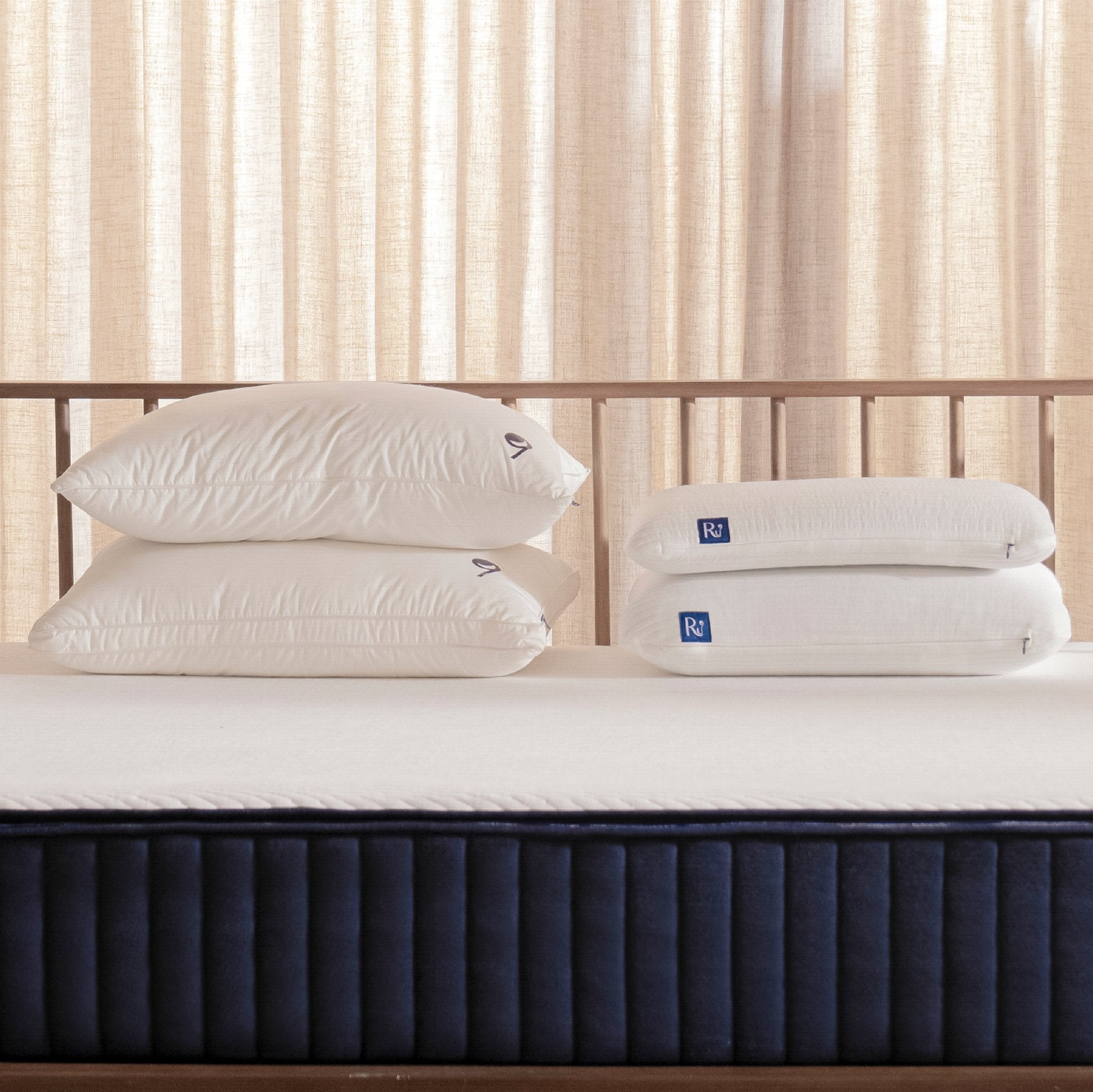
Niu sleeping pillow from the Ru9 brand is considered the best product for sleep today, chosen by many smart consumers. The pillow core is made of durable Graphene Memory Foam, which does not collapse when lying down, helping to perfectly support the head, neck, and shoulders and providing optimal heat dissipation, creating a comfortable and cool feeling throughout the night. 
Using a Niu sleeping pillow is a solution to help improve and enhance sleep quality.
The pillow has a standard thickness of 12cm, which has been thoroughly researched and surveyed, suitable for the physique and condition of Asians, neither too high nor too low, bringing you a feeling of relaxation and sound sleep every night.
In addition, the Niu sleeping pillow is also a product that meets the inspection standards of the comprehensive and rigorous OEKO-TEX® measurement system, and Ru9's fabric material has been certified safe for users' health.
4.8. Medical intervention
When your sleep apnea becomes severe and cannot be treated with home remedies, consult a doctor for specialized examination and timely medical intervention.
Signs of severe sleep apnea:
- Persistent loud snoring
- Extreme body fatigue despite sufficient sleep
- Signs of hypertension and cardiovascular diseases
Common medical interventions for treating sleep apnea:
- Using a CPAP machine (continuous positive airway pressure machine)
- Using a jaw or tongue retaining device to keep the jaw and tongue in the correct position, preventing upper airway obstruction that causes sleep apnea.
- Implanting a stimulating device on a branch of the hypoglossal nerve to activate the tongue muscles to reduce airway obstruction.
- Using medication to treat sleep apnea such as nasal sprays or patches to help air circulate. Avoid using opioid pain relievers, sedatives, muscle relaxants as they can worsen the condition.
- Treating allergies: Some conditions including allergies that cause sleep apnea need to be treated promptly and thoroughly.
- Surgery for cases with abnormal airway structures: Uvulopalatopharyngoplasty; jaw surgery; nasal septum surgery; tonsillectomy; tumor removal, etc.
The above is information shared about simple ways to treat sleep apnea, hoping to help everyone overcome the situation of difficulty breathing while sleeping. Helps maintain good and deep sleep, protecting health safely and effectively.
Related articles:
- Guide to treating snoring with honey effectively at home
- Effective ways to treat snoring in women and the causes of the condition


