












1. What is the polyphasic sleep method?
The polyphasic sleep method, also known as Polyphasic Sleep, is a popular sleep method that helps you ensure sleep quality and restore energy after a very short rest period.
With the polyphasic sleep method, instead of sleeping 7-8 hours a day, you only need to spend about 2-4 hours sleeping, with each nap lasting an average of 30-45 minutes and repeating multiple times throughout the day.
Suggested article: Revealing how to sleep 8 hours in 30 minutes

Instead of sleeping 7-8 hours a day, you only need to spend about 2-4 hours sleeping.
2. Origin of the polyphasic sleep method
According to Ru9's research, the polyphasic sleep method has a long history and was discovered and applied more than 700 years ago. The first person in the world to discover this method was the genius Leonardo Da Vinci.
According to records, his sleep schedule was completely different from ordinary people. Specifically, he would take a quick nap every 4 hours, each nap lasting about 15 minutes on average. Thus, he only slept 90 minutes a day and dedicated the rest of his time entirely to his great research works.
So the question is, does sleeping so "little" and so briefly affect health?
The answer is no! The clearest evidence is that during the Renaissance 700 years ago, the average life expectancy of a person was about 50 years old, while Leonardo Da Vinci lived to be 57.

The polyphasic sleep method has a long history and has been discovered and applied many years ago.
3. The most effective polyphasic sleep methods today
Many famous people have successfully applied the polyphasic sleep method, such as Leonardo Da Vinci, Thomas Edison, Nikola Tesla, Winston Churchill, etc.
Below are some popular suggestions you can consider:
Everyman: Everyman is a common polyphasic sleep method, with a total sleep time of 2.5 hours per day, divided into 2 to 4 naps. This is the simplest and easiest method to implement today.
Dymaxion: The Dymaxion polyphasic sleep method has a total sleep time of 2 hours per day, divided into 4 naps, with each nap lasting only about 30 minutes.
Uberman: The Uberman polyphasic sleep method has a total sleep time of 2 hours per day, divided into 6 naps, with each nap lasting only about 20 minutes. Additionally, naps are spaced 4 hours apart.
Siesta: The Siesta polyphasic sleep method consists of 2 main sleep periods per day, about 5 hours at night and about 1.5 hours during the day. This method is quite suitable for office workers.
Tesla: The Tesla polyphasic sleep method has a total sleep time of 2 hours and 20 minutes per day, divided into 2 naps: 2 hours at night and about 20 minutes during the day.

Everyman is a common polyphasic sleep method, with a total sleep time of 2.5 hours per day.
4. Advantages and disadvantages of the polyphasic sleep method
Similar to other methods, polyphasic sleep also has its advantages and disadvantages.
4.1. Advantages
Below are the outstanding advantages of the polyphasic sleep method:
The most prominent advantage of the polyphasic sleep method is time-saving. By sleeping only about 2 to 4 hours each day while still ensuring sleep quality, you will have more time for daily tasks and enjoying life.
Applying the polyphasic sleep method regularly and consistently will help the brain adapt and quickly transition to the REM stage, ensuring maximum health safety.

The most prominent advantage of the polyphasic sleep method is time-saving.
4.2. Disadvantages
In addition to the aforementioned advantages, the polyphasic sleep method also has some disadvantages. Forcing yourself to sleep quickly and briefly for a long time requires the body to adapt to the schedule you set for polyphasic sleep.
At this point, the wake-sleep cycle can become disrupted, potentially affecting your circadian rhythm if not applied correctly, leading to fatigue, weakness, and lack of spirit.
Furthermore, the polyphasic sleep method is only recommended for those with extremely busy work schedules and requires a high level of determination. Therefore, not everyone can successfully apply this method.

The polyphasic sleep method is only recommended for those with extremely busy work schedules.
5. Who is the polyphasic sleep method not suitable for?
Although polyphasic sleep offers many positive benefits, it is not suitable for everyone. Specifically:
- People who have difficulty falling asleep or frequently suffer from insomnia.
- People with a history of or suffering from serious illnesses such as cardiovascular disease, low blood pressure, diabetes, and neurological disorders.
- People who are in the growth phase for height, weight, etc.
- People who engage in intense physical activity such as athletes or bodybuilders.
Short sleep offers many benefits, especially giving you more time for work and daily activities. However, this method requires persistence and must be applied correctly and scientifically to avoid affecting your health.
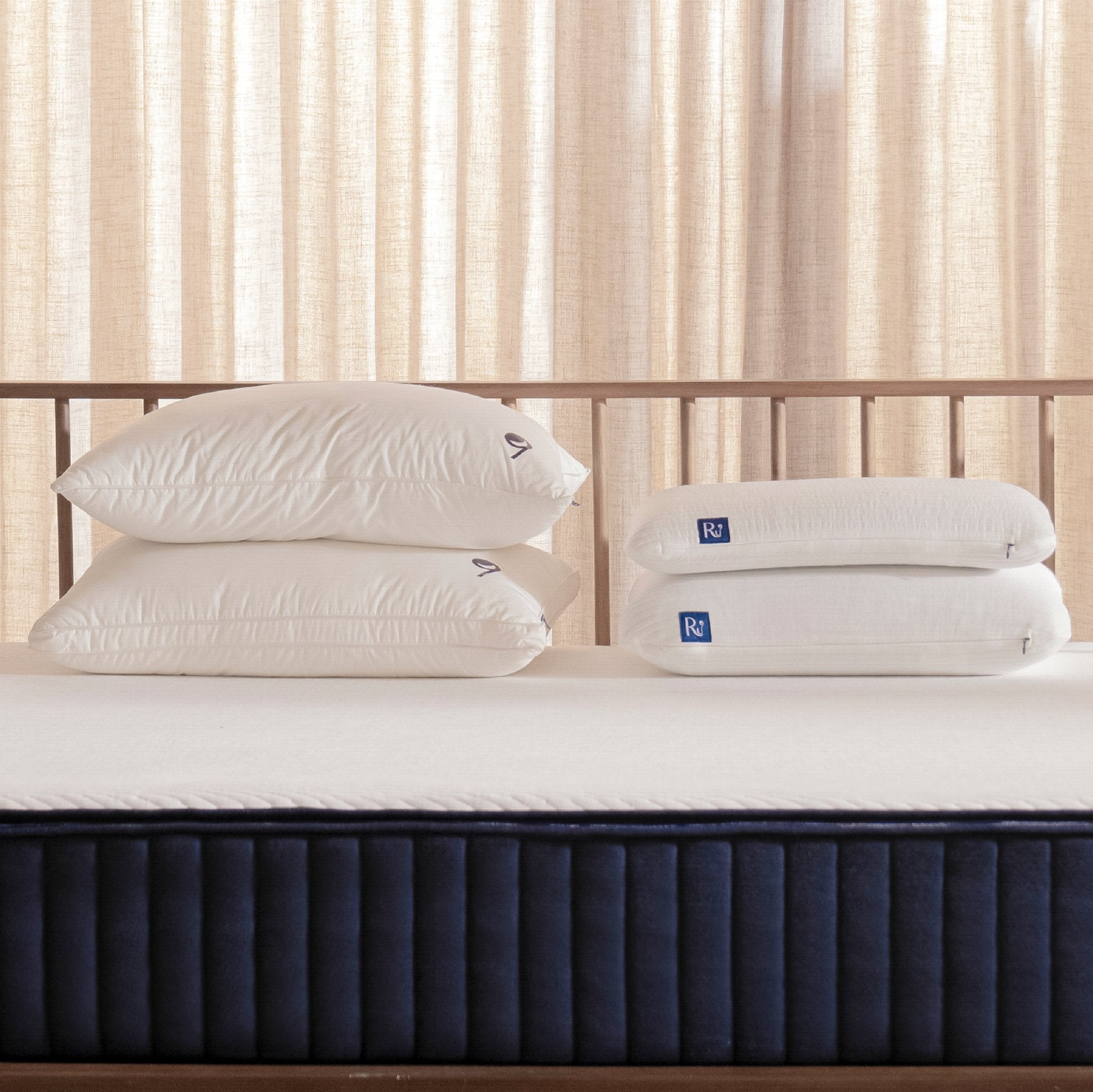
Experts recommend that it is best to maintain at least 6-8 hours of proper and sufficient sleep. To ensure even better sleep quality, you should invest in bedding sets made from high-quality, safe materials. Some products you can consider at the high-end bedding system Ru9 are Original mattress, Nest mattress, Niu pillow, Ru9 body pillow, eucalyptus duvet, etc.
In particular, two most invested product lines are: Topper mattress and Foam mattress. These are two mattress lines researched and produced with high-quality Memory Foam material. They help reduce direct pressure on the spine, neck, shoulders, and back, providing body support while still feeling breathable. These two mattress lines will surely be a smart and excellent solution for your sleep.

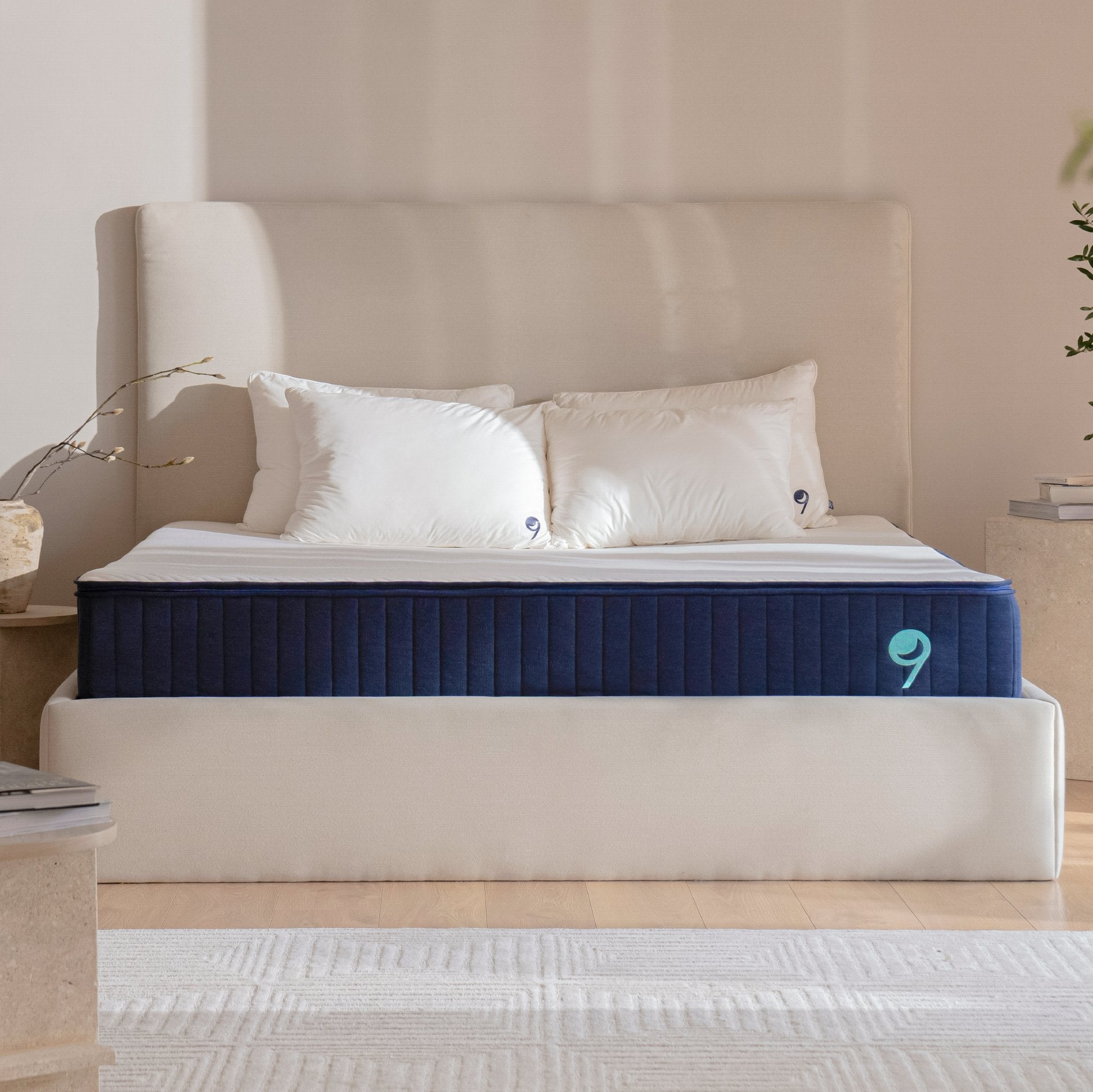
Ru9 Original Mattress - Quality mattress for a full night's sleep.
Hopefully, through this article from Ru9, you have understood and learned more about effective polyphasic sleep methods today. Wishing you always good sleep, abundant health, and ensuring work performance and quality of life!
Related article: Why do you still feel sleepy even after getting enough sleep?


