











1. Why is your newborn staying up late and not sleeping?
Raising a newborn is a difficult challenge for new parents, especially those who lack experience. Below are some reasons why infants have trouble sleeping.
Physiological Causes of Sleep
According to experts, sleep is typically divided into two stages: Rapid Eye Movement (REM) and Non-Rapid Eye Movement (Non-REM). In newborns, these two stages are almost equal in duration.
During the REM sleep stage, respiratory organs increase activity, causing the baby to breathe faster and their heart rate to increase. At this time, even a slight movement can wake the baby. Compared to adults, the REM stage occupies more time in a baby's sleep. Therefore, newborns are often startled or awakened by external stimuli.
Pathological Causes

If a newborn frequently stays up late and refuses to sleep, they might be experiencing some of the following conditions:
Micronutrient Deficiency
Children may suffer from rickets due to deficiencies in nutrients such as zinc, magnesium, iron, etc. Additionally, constant fatigue can lead to restless sleep and daytime drowsiness. As a result, children often wake up and have difficulty sleeping at night.
Respiratory Tract Infections
Newborns have weak immune systems and cannot easily fight off bacterial invasion. Therefore, they are susceptible to respiratory tract infections and may develop conditions such as rhinitis, pneumonia, bronchitis, etc. When suffering from one of these conditions, babies may exhibit wheezing, difficulty breathing, or mouth breathing. If this situation persists, it can make newborns restless and cry at night.
Obesity
Overweight and obesity cause the airway to enlarge, making it difficult for children to breathe. Children often have to breathe through their mouths due to respiratory distress. This is why children often have trouble sleeping, wake up easily, and cry a lot at night.
Other Reasons Why Newborns Have Trouble Sleeping

Newborns having trouble sleeping and crying make parents exhausted
In addition to the two types of causes mentioned above, there are also other reasons why children have difficulty falling asleep:
- Children frequently experience night terrors, causing them to be startled and wake up in the middle of the night. This makes it difficult for them to fall asleep or get deep sleep.
- Children cry and refuse to sleep because their diapers are wet, or their bedding and clothes are not clean, causing them discomfort and itchiness.
- The lighting in the bedroom is too bright or unsuitable for the child. The room temperature being too hot or too cold can also make it difficult for the child to sleep.
- A noisy environment, music played too loudly, etc., can easily startle the child awake.
- Children sleep too much during the day, making it very difficult to sleep at night.
- Children breastfeed infrequently, not getting enough milk, so they get hungry quickly. Therefore, they often don't sleep deeply and frequently wake up to feed.
- Children have become accustomed to being held or rocked to sleep. Therefore, if they are not held or placed in a cradle, they will have difficulty falling asleep and cry.
2. What should parents do when a newborn stays up late and doesn't sleep?

To improve their child's sleep, parents need a lot of patience
According to experts, parents can implement some of the following solutions to improve newborn sleep:
Establish a sleep routine for your child
Sleep is very important for children; newborns typically sleep 18-20 hours a day. If you notice signs of drowsiness in your baby, such as yawning, tugging at ears, sleepy eyes, blinking continuously, etc., place your child in the bassinet or sing them to sleep. Parents can refer to some sleep incantations to help their child fall asleep more easily.
Teach your baby to distinguish between day and night
A child's habit of staying up at night forms while still in the womb. To remedy this situation, mothers should not let their baby sleep too much during the day. When the child is awake, mothers should play with them as much as possible. When feeding, mothers should also talk and sing to their baby. At night, mothers should feed their child sufficiently before sleep so the child doesn't wake up. At the same time, keep the environment quiet and adjust the lighting appropriately to help the baby sleep better.
Let your baby self-soothe to sleep
When your baby is sleepy, you can hold them and sing a lullaby or play soft music. When the baby starts to doze off, gently place them in bed. You will create a bad habit if you let the baby fall asleep in your arms before putting them down, or rock them in a hammock or cradle. These actions can become habits over time, making the baby dependent, and they won't sleep unless these actions are performed.
Create a comfortable sleep environment for newborns
Before bed, mothers should ensure the baby is clean and dressed in loose, cool clothing. Letting the child hold their favorite object will help them fall asleep more easily. A cool environment with soft music can help children sleep better and deeper.

Standard blankets and mattresses help resolve the issue of newborns refusing to sleep
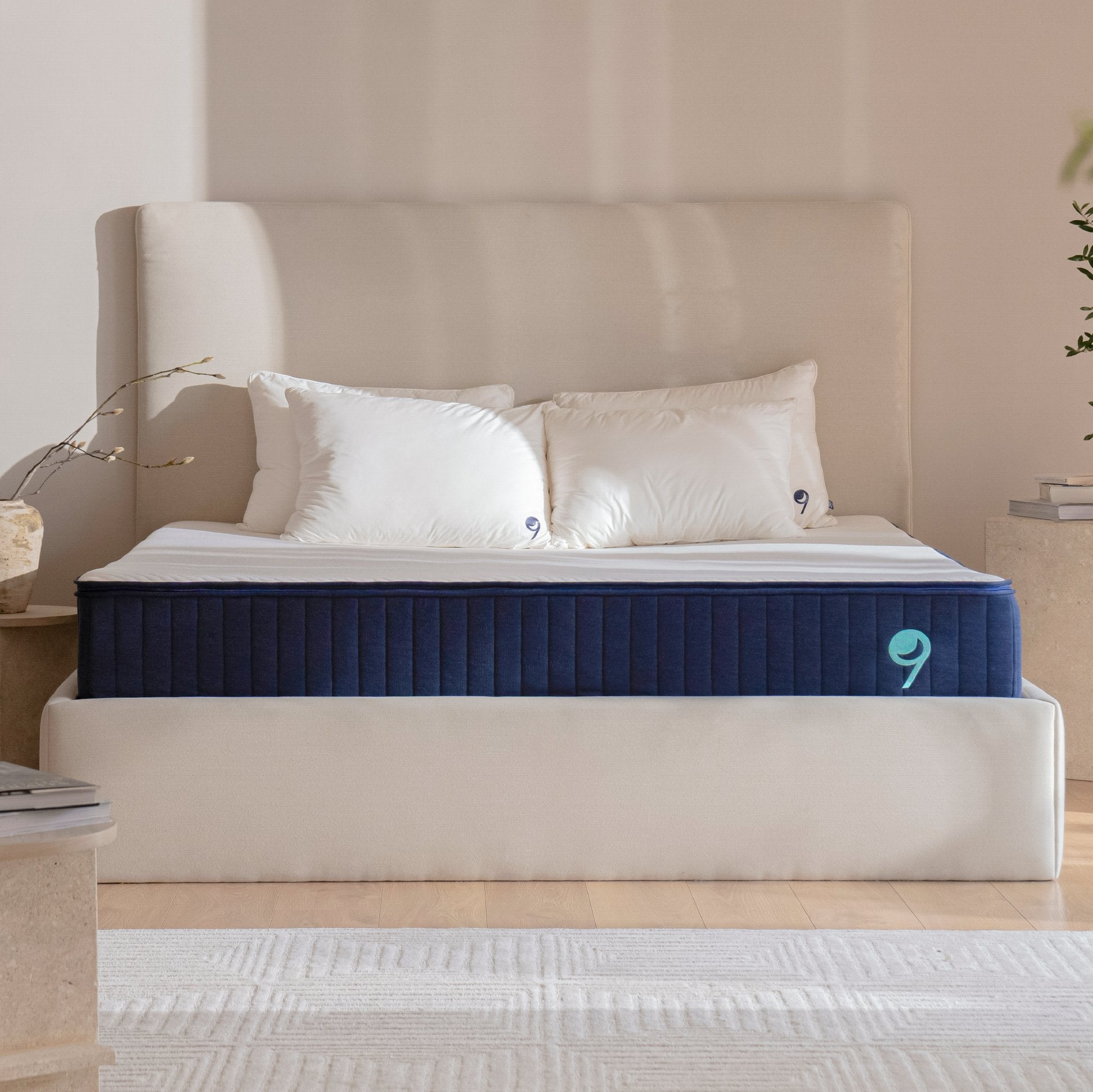
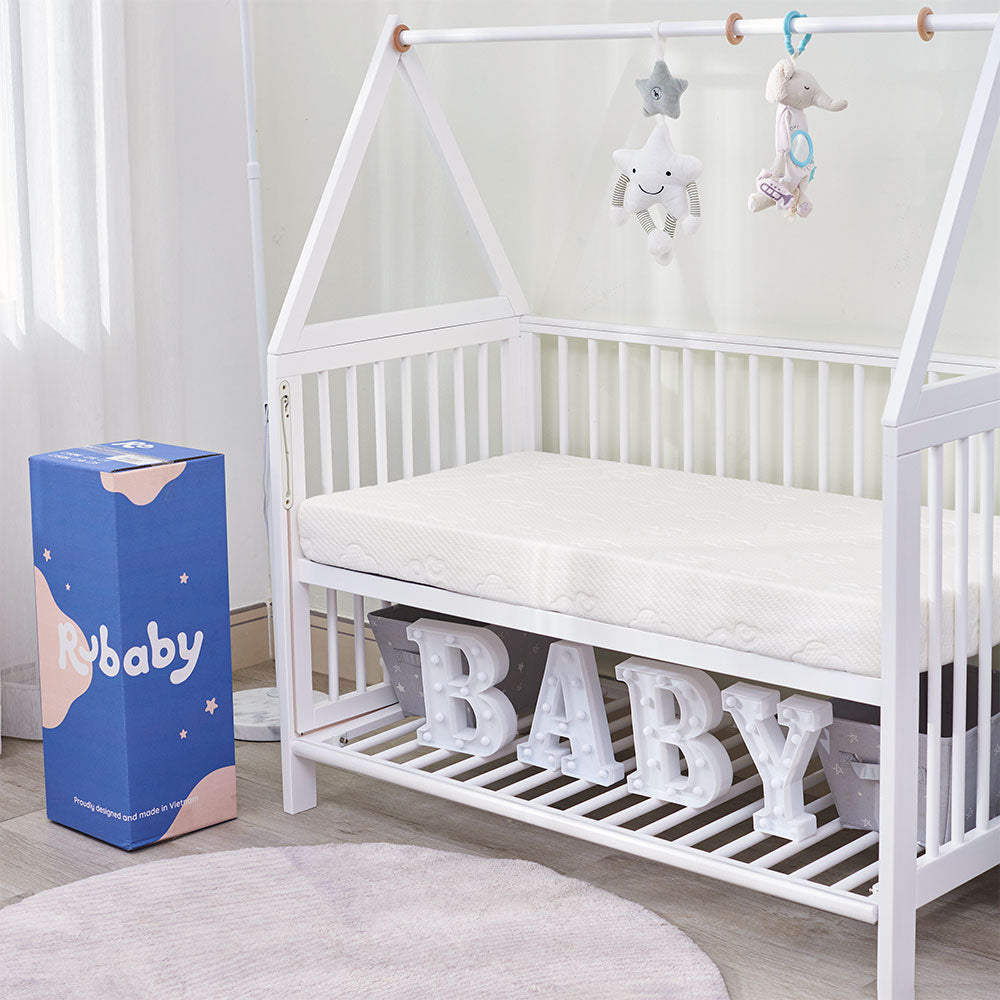
Additionally, suitable blankets, sheets, pillows, and mattresses also ensure better sleep for children. Products from the brand Ru9 are all made from friendly materials that do not irritate a child's delicate skin, and have just enough elasticity to be soft and support sleep. The Memory Foam mattress material is breathable, allowing children to comfortably fall asleep without sweating.
Once the baby has fallen asleep, parents can apply traditional folk remedies to help children sleep deeply passed down by grandparents to prevent the child from being startled or waking up midway. This will help the child have quality sleep, allowing their body and mind to develop comprehensively.
Above, Ru9 has provided parents with the causes and methods to resolve children's sleep difficulties. We hope that with this information, parents can change their child's sleep habits to make the parenting journey "easier."
Related articles:


