









A blanket is an essential item for a good and complete night's sleep. However, if not used, cleaned, and stored correctly, your blanket can become lumpy and lose its aesthetic appeal. So, why do blankets tend to clump? Find out the detailed reasons and how to fix them in the article below!
1. Understanding why blankets tend to clump easily
According to sleep experts, there are many reasons why blankets clump. Specifically, as follows:
- Blankets are made from various materials such as compressed cotton, down, etc. These are all common materials that can easily be mixed with impurities during use. This also leads to a proliferation of low-quality blankets sold on the market. This not only affects the lifespan of the blanket, making it prone to clumping, but also poses a threat to the user's health. Especially for low-quality down blankets, when the down gets wet, it will stick together and form uneven clumps, making the blanket look "ugly" and difficult to use.
- Cleaning a blanket is also an "art" that helps it last longer and maintain its quality. Therefore, if you clean your blanket incorrectly, such as drying it directly in strong sunlight, scrubbing it too vigorously, or not drying it thoroughly, the blanket can easily clump and not return to its original state.
- Another reason why blankets tend to clump easily is improper storage. Specifically, during hot summers or humid rainy seasons, dust, bacteria, and mold will grow vigorously and stick to the surface of the blanket, eventually leading to clumping.

Blanket clumping can be due to incorrect cleaning and storage habits.
2. Tips for storing blankets to reduce clumping
Properly storing your bedding not only helps reduce clumping but also ensures user health. Here are some tips you should keep in mind:
Based on fabric material: Blankets, sheets, pillows, and mattresses are items that directly contact our bodies, especially the duvet cover. Therefore, you should clean your blanket regularly and with the correct method, depending on the fabric material.
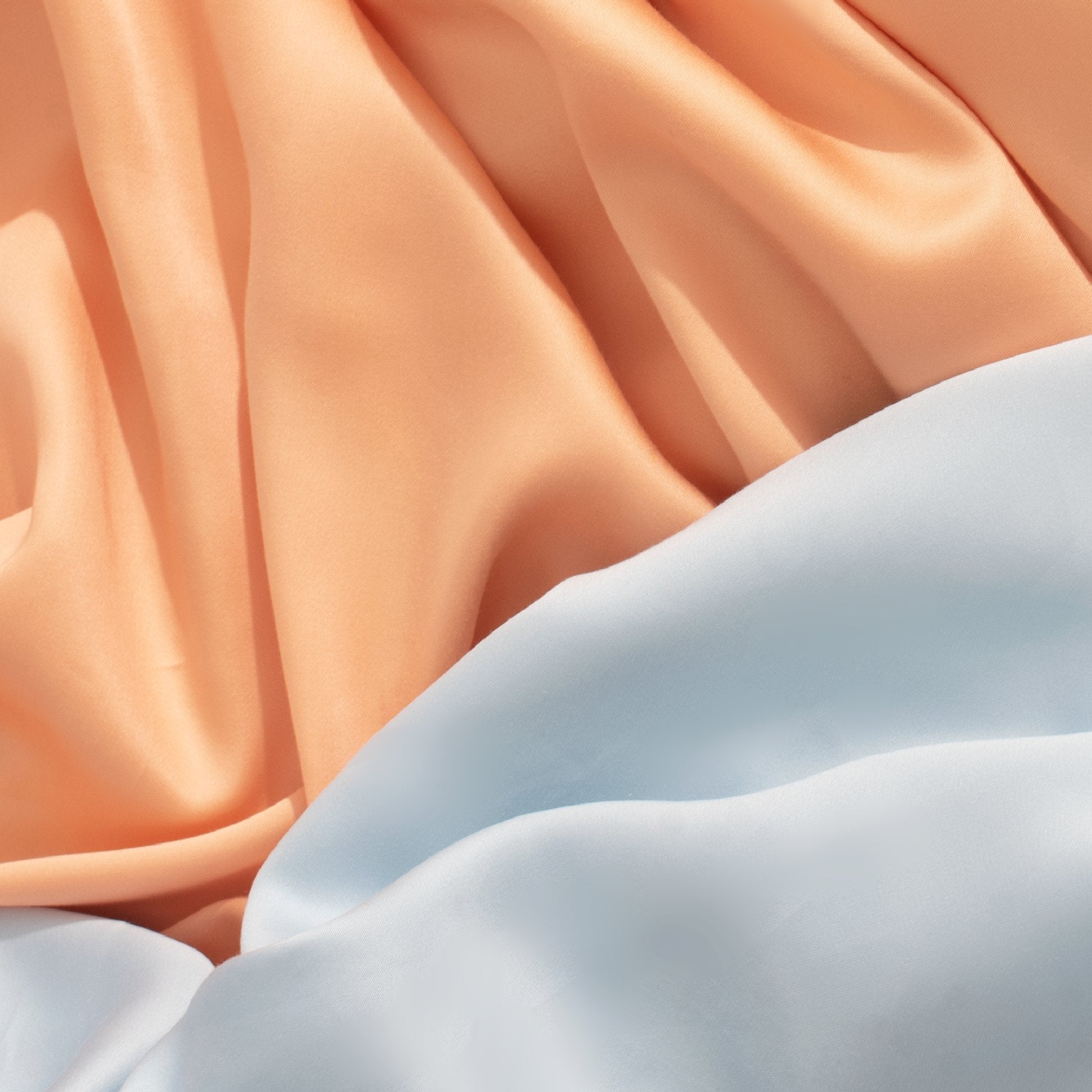
- Tencel, Modal fabric: These two types of fabric originate from wood pulp such as eucalyptus, spruce, oak. Blankets made of Tencel, Modal fabric should be hand-washed or machine-washed on a gentle cycle. You should dry the blanket under a sheltered area, allowing it to air dry naturally to preserve its color and durability.
- Silk fabric: Duvet covers made of silk fabric are often used in colder seasons due to their good heat retention properties and resistance to dust. However, to prevent the blanket from clumping or being damaged, you should absolutely not wash it with hot water, only with cold water.
Storing the blanket insert: Many people have a habit of soaking the blanket insert directly in water when washing and cleaning. This action causes the blanket to absorb water, significantly increasing its weight, and the cotton fibers inside are prone to clumping. Therefore, if the blanket insert has stains or discoloration, you can try the following solutions:
- Using baking soda: Mix a cup of baking soda with diluted laundry detergent and warm water. Soak the blanket insert in this mixture, then put it in a specialized washing machine to remove stains.
- Using vinegar: Vinegar can remove stubborn stains on bedding. So, if you don't have baking soda at home, you can substitute it with vinegar.
- If you don't have time to clean and store your bedding, you can consider using a specialized cleaning service. This is a professional service that saves you considerable time and effort, while also ensuring maximum quality and durability for your blanket.
 You should clean your blanket appropriately based on the fabric material.
3. Ru9 Eucalyptus blanket with pure natural materials
A lumpy blanket can make you feel uncomfortable and frustrated during use. To thoroughly solve this problem, you can consider the Ru9 Eucalyptus blanket. This is the first blanket in Vietnam to apply modern production technology using natural materials. As a result, the blanket has high breathability and does not clump, even in humid climates like Vietnam.
Notably, the Ru9 Eucalyptus blanket is made entirely from 100% pure eucalyptus fibers, from the filling to the blanket cover. This helps the blanket be warm in winter and cool in summer, allowing it to be used all four seasons, significantly saving costs for users.
The Ru9 blanket insert is made from silky eucalyptus cotton fibers. The blanket cover is woven from soft eucalyptus wood. This perfect combination makes the Ru9 eucalyptus blanket breathable, soft, and safe for users' health. This is also the blanket with the best temperature regulation ability currently available, helping you easily have a wonderful experience for a good, complete night's sleep.
Furthermore, the Ru9 Eucalyptus blanket is delicately designed with 3 separating layers, preventing the cotton fibers from spilling out and ensuring skin safety when the body comes into contact with the blanket's surface for an extended period. It can be said that the Ru9 Eucalyptus blanket is the optimal choice for Vietnamese sleep, highly appreciated by many experts today.

Ru9 Eucalyptus blanket - a quality blanket trusted by Vietnamese people.
The content of the above article has helped answer your question about why blankets tend to clump easily. Ru9 hopes that, through this information, you will gain more knowledge to clean and store your blanket correctly, thereby helping to limit clumping.
>> See more:
- Guide on how to choose blanket and sheet colors that suit a couple's age best
- Guide on how to choose blanket, sheet, pillow, and mattress colors according to feng shui
- Review of top 8 high-end blankets on the market today
- Detailed review of Ru9 Microfiber blanket: is it good, is it cool to sleep on


