









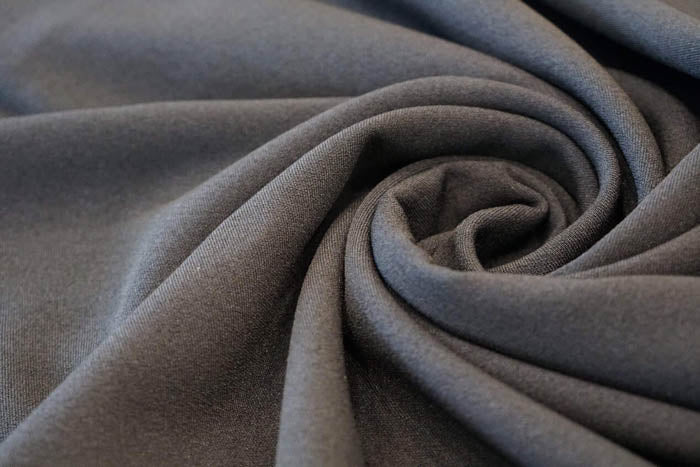
Knit fabric is a material that is no stranger to daily life. Thanks to its outstanding characteristics such as good elasticity and stretch, and superior sweat absorption, knit fabric is very popular. However, not everyone knows how knit fabric is constructed, how many types of knit fabric there are today, how to clean knit fabric correctly, etc. Let's find out useful information and answers to these questions in the article below.
1. What is knit fabric?
Knit fabric, whose English name is Spandex Fabric, is a type of fabric with superior stretchability. Knit is made of highly elastic, absorbent synthetic fibers created from chains of synthetic cotton, nylon, or poly, etc.

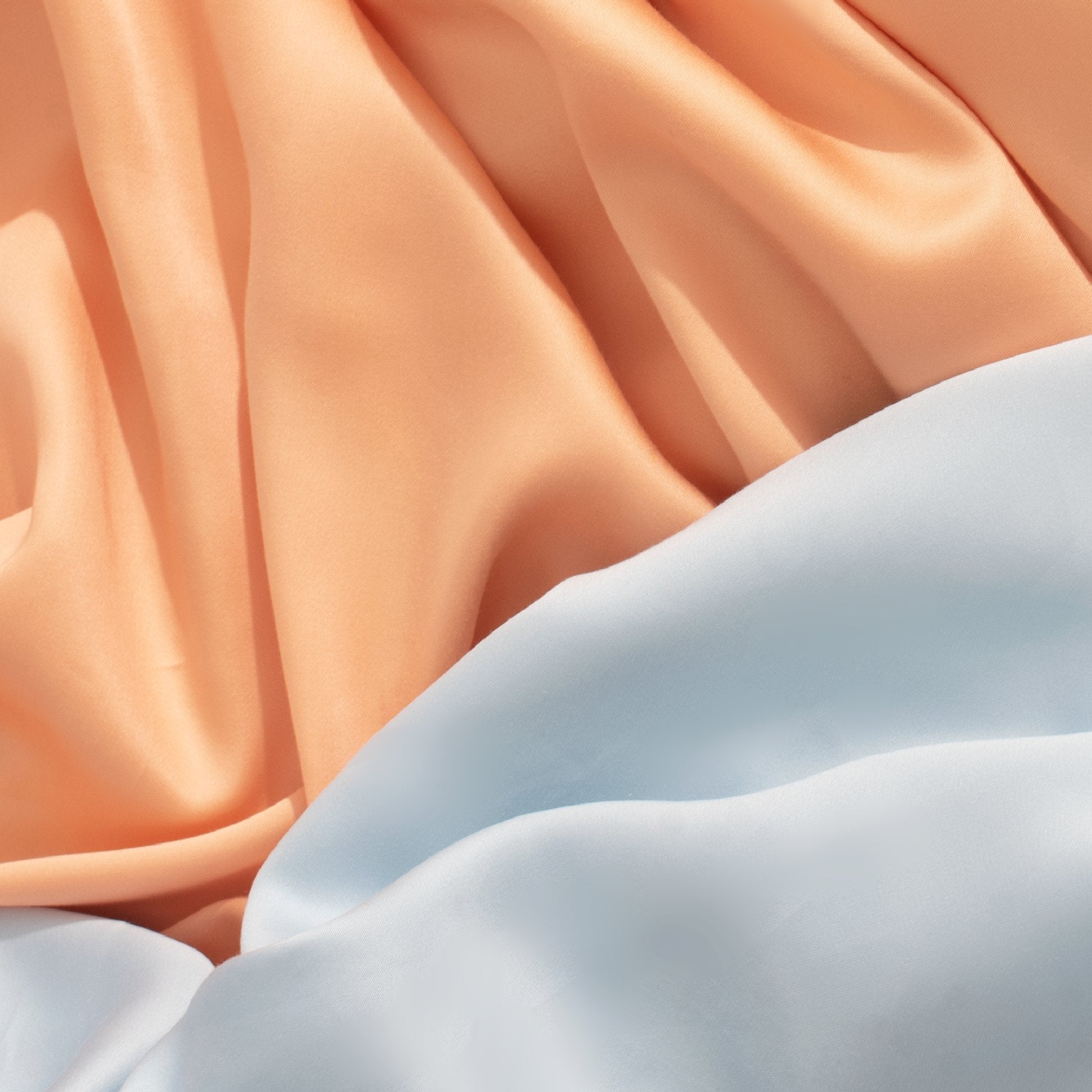
Knit fabric is a very common material in garment manufacturing
Knit fabric can stretch 5 to 8 times its original size, so it is very popular for making tight-fitting clothes. Most garments do not use pure knit fabric, but instead use knit fibers combined with other fabrics to form semi-synthetic, synthetic, or other organic fibers.
2. Origin of knit fabric
Knit fabric was researched, developed, and launched during World War II, with the aim of creating a soft, light, breathable, and highly elastic fabric at a lower cost than the existing materials at that time.
Scientists at the time spent 10 years focusing entirely on research to create fibers and choose the most suitable weaving method to ensure the fabric's properties were preserved. It wasn't until 1952 that the first patent for knit fabric was granted in Germany.
But it wasn't until 1962 that knit fabric was exclusively produced and distributed globally on a large scale by the chemical company Dupont. It was only then that the market began to understand what knit fabric was.
Thanks to the special properties of the fabric, the sales and production of knit fabric rapidly increased, leading the sales of existing materials at that time.
3. Characteristics of knit fabric
Thanks to its outstanding characteristics, knit fabric is increasingly asserting its position in today's fabric market.

3.1. Advantages of knit fabric
- Good sweat absorption
In terms of sweat absorption and breathability, knit fabric is not inferior to cotton fabric and is somewhat superior to chiffon and lace fabrics. Clothes made from knit fabric always bring comfort, ease, and lightness to the wearer, making it a perfect choice for those who work outdoors or sweat frequently. This is the savior for hot summer days.
- Excellent stretch and elasticity
Knit fabric is also known for its excellent elasticity and stretch. Therefore, even if you have to move or be active a lot, clothes made from knit fabric still provide comfort and ease, without causing any hindrance or difficulty.
- High durability
Knit fabric when combined with poly fabric will create much higher durability and flexibility than ordinary knit fabric. Poly fibers also help knit fabric fade less, wrinkle less, and have a lower shrinkage rate than cotton fabric, only 3-5%.
- Easy to wash
Knit fabric products can be washed by hand or by machine, and both washing methods will not affect the fabric quality too much.
- Easy to pattern and design
Knit fabric is one of the most favored and used materials by designers and garment factories. Knit fabric allows everyone's creativity to be fully unleashed, transforming into various designs without fear of affecting the material or quality of the final product.
3.2. Disadvantages of knit fabric
Although knit fabric is highly rated for its properties, it still has some minor disadvantages such as being quite thick and slightly more expensive than some other types of fabric. Some types of knit fabric containing polyester fibers can make the wearer feel stuffy and hot.
4. Classification of common knit fabrics
There are many types of knit fabric on the market today with a variety of colors and patterns. Based on different criteria, we will have different types of fabric.
4.1. Classified by fabric material

Knit fabric when woven will be combined with many different types of fibers, resulting in different materials:
- Cotton knit
100% cotton knit fabric is woven entirely from pure cotton fibers, without any other impurities. This type of fabric has good absorbency, regulates body temperature flexibly, and brings a soft, comfortable feeling to the wearer. This type of fabric is often used to make clothes for toddlers and infants because it does not cause skin irritation.
- CVC knit
CVC knit fabric consists of 35% polyester fibers and 65% cotton. This special combination helps the fabric overcome the wrinkling disadvantage of pure cotton fibers. In addition, it ensures good elasticity, high absorbency, and is more reasonably priced than cotton knit.
- TC knit
TC knit fabric consists of 65% polyester fibers and 35% cotton fibers. Due to the proportion of polyester, the fabric is less prone to wrinkling, hardly wrinkles when washed, and has high durability. The absorbency of this type of fabric is also highly rated, with average quality and a cheaper price than the two types of fabric above.
- PE knit
PE knit is woven entirely from polyester fibers, so it has high durability, does not wrinkle, the fabric always retains its stiff form, is easy to care for and wash. Although PE knit has quite limited two-way stretch, its price is very cheap, so this type of fabric is still very popular in many fields.
- Cold knit
Cold knit uses 100% polyethylene fibers mixed with 2-5% cotton fibers to make the fabric smoother and softer. The characteristic of this type of knit is its smooth surface, low elasticity, water resistance, less tendency to sag when exposed to heat, and no wrinkling or pilling during use.
- Melange knit
Melange knit is actually the same type as cold knit fabric, but the fabric surface is woven with raised dots like sesame seeds. This fabric is very beautiful, has a sheen, and is inexpensive, so it is often used to make uniforms for restaurants.
4.2. Classified by stretch

- Two-way stretch
This is a type of knit fabric that can be stretched in two directions, either vertically or horizontally. This material is widely used, has high durability, and diverse colors. However, the fabric is very prone to wrinkling when washed by machine or wrung forcefully.
- Four-way stretch
This type of knit fabric can stretch in all four directions: horizontally, vertically, left, and right. The price of four-way stretch knit fabric is higher than two-way stretch, it wrinkles less, and is often used for sportswear uniforms due to its good stretch and elasticity. Four-way stretch knit fabric is a high-grade fabric, with the highest price among all types of knit fabric.
4.3. Classified by weave type
In addition to the fiber, the weave type also greatly affects the stretch, surface, and properties of the fabric. Common basic fabric weave types today, such as shark weave, basic weave, crocodile weave, etc., create different types of knit fabric.
- Plain knit
Plain knit uses a basic weave. The two sides of the fabric are clearly distinguished, the fibers lie close together in one direction, the stitches are small, the surface is smooth, and the weight is light. Plain knit is the most commonly used knit fabric today, with many types of shirts using it, such as V-neck, polo, and crew neck t-shirts.
- Crocodile knit
The characteristic of crocodile knit is that the fabric mesh is woven larger than plain knit, so this type of fabric has a certain roughness when touched.
- Shark knit
Shark knit is knitted with a larger mesh than crocodile knit, and the fabric surface will also be rougher and coarser to the touch. However, the fabric has poor elasticity, so the price is also cheaper than the two types above.
5. How much does knit fabric cost?

Knit fabric has a very diverse price range, depending on the material and special color of the fabric.
Currently on the market, the price of knit fabric usually fluctuates around 80,000 VND/kg for plain, unpatterned fabric. And 180,000 VND/kg for higher-grade fabrics.
As for colors, white fabric will be the cheapest, followed by lighter colors. More expensive will be dark-colored knit fabrics. And the most expensive are fabrics with special colors such as Ya, salt and pepper, Bích, and Két.
6. Where to buy knit fabric?
Most fabric markets and fabric stores will have a full range of the most popular and favored knit fabrics, so you don't have to worry too much about finding them.
If you are in Ho Chi Minh City, you can buy good quality knit fabric at reasonable prices at wholesale fabric markets such as Dai Quang Minh Market, Tan Binh Market, Tan Dinh Wholesale Market, Soai Kinh Lam Fabric Market. Or well-known stores such as Huong Fabric Store, Thien Minh Fabric Store, Thai Tuan Fabric Store, etc.
7. How to identify knit fabric

Knit fabric is widely used in daily life, so there are many fake and poor-quality goods on the market today. Therefore, when choosing to buy, you need to be very alert, thoroughly research the fabric material, and firmly grasp how to distinguish different types of knit fabric to avoid losing money and getting bad products. Here are some useful tips to help you choose good knit fabric:
- Direct touch: To distinguish different types of knit fabric more clearly, feel the fabric surface directly. If it feels cool, soft, and smooth, wrinkles slightly when gently crumpled, and has good elasticity and stretch, then it is quality knit.
- Visual inspection: Most knit fabric threads will contain cotton fibers, so the fabric surface will be slightly fuzzy and have a certain grip. As for knit fabrics containing Poly fibers, they do not pill, and the fabric surface has a certain sheen.
- Test absorbency: Knit fabric usually contains a small amount of cotton fibers, so it has good absorbency. Therefore, when choosing fabric, try pouring water directly onto the surface and assess the fabric's absorbency.
8. Applications of knit fabric
Thanks to the advantages mentioned above, knit fabric is widely used in daily life to create clothing, decorate interior items, or familiar household items. Products made from knit fabric are generally quite inexpensive, easy to buy, and last a very long time.

8.1. Applications of knit fabric in interior design
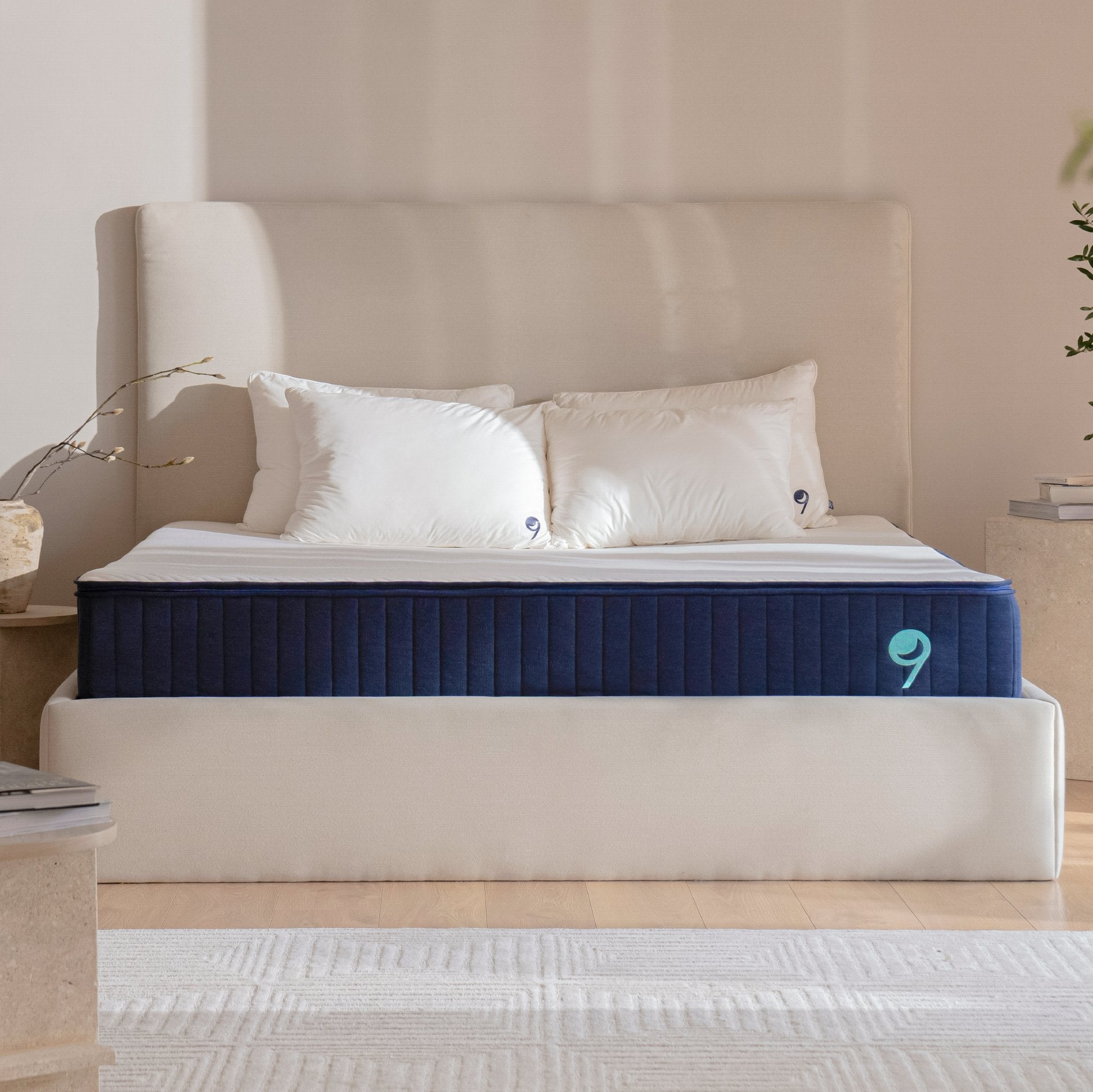
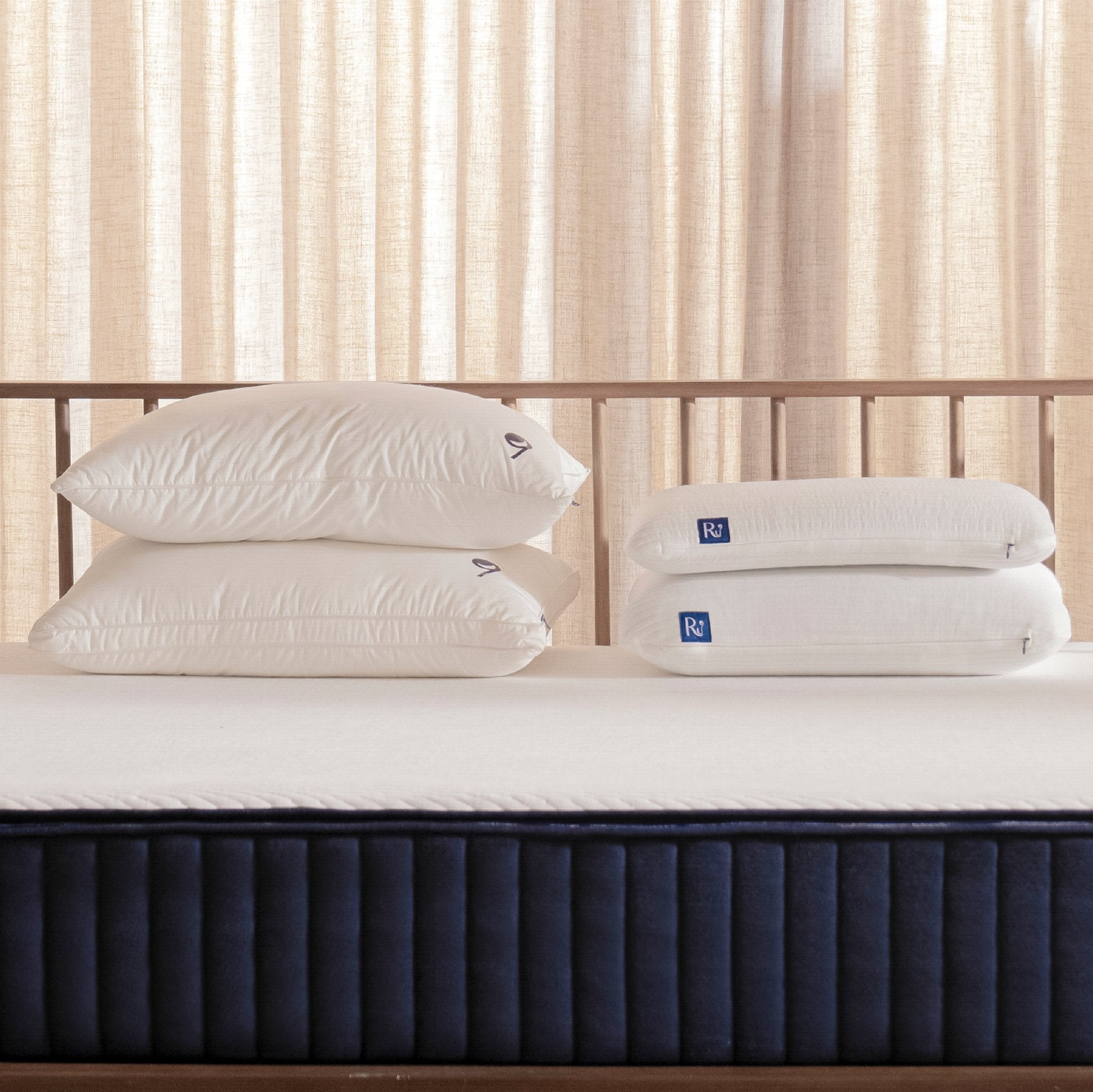
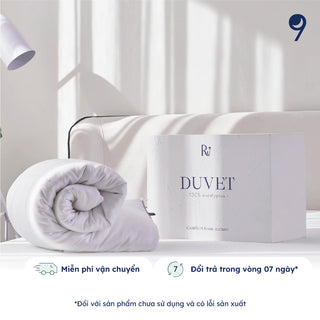
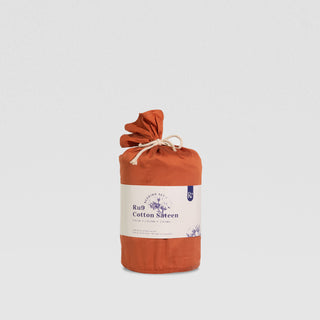
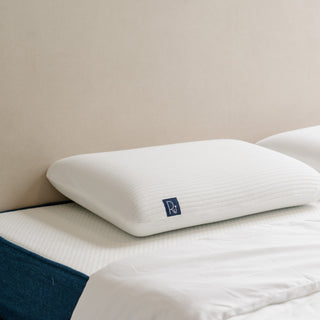
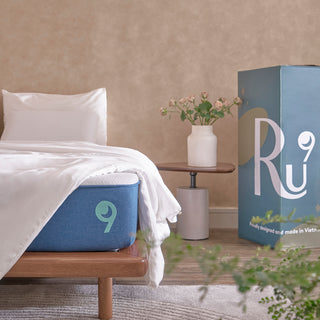
In interior design, knit fabric is often used to make curtains or tablecloths, etc. Products made from knit fabric are highly valued for their aesthetics. In addition, famous brands specializing in manufacturing bedding often use knit fabric to make blankets, mattress covers, and pillowcases. Blankets, pillows, and mattress covers made from knit fabric have excellent absorbency, providing a cool feeling when lying down and not irritating the skin.
8.2. Applications of knit fabric in household items
In your home, you can easily find items made from knit fabric such as scarves, face towels, bath towels, etc. With excellent absorbency and a comfortable feel, household items made from knit fabric are always highly popular and sought after by consumers.
8.3. Applications of knit fabric in fashion
In the fashion industry, knit fabric is no longer a new material. From winter to summer designs, from simple sleepwear to elaborate evening wear and sportswear, knit fabric is present. Knit fabric provides the wearer with a comfortable and pleasant feeling, allowing for easy movement and activity. In addition, the color palette of the fabric is very diverse, with many different patterns and motifs, making clothing more vibrant and eye-catching.
9. How to care for and clean products made from knit fabric
To keep products made from knit fabric durable, beautiful, and clean, proper cleaning and care are very necessary and important.
Correct cleaning methods:
- Clean knit clothes with water at 40°C. Using water that is too hot will cause the fabric to stretch and damage easily.
- Do not wash colored knit products together to avoid color bleeding. Sort clothes carefully before washing.
- Prioritize using gentle, natural detergents. Avoid strong bleaches and absolutely do not apply bleach directly to knit fabric garments.
- It is best to hand wash instead of machine wash and turn the product inside out when washing, this will help the fabric last longer.
- After washing, avoid wringing forcefully to maintain elasticity and prevent the fabric from becoming loose.

Care methods:
- If clothes are stained, remove them immediately to prevent the stains from setting deep into the fabric, making them difficult to wash, and prone to mold and unpleasant odors.
- Hang clothes to dry in a cool, well-ventilated area. Do not hang them in damp places or directly in the sun.
- When ironing knitwear, use a medium temperature; do not use high temperatures, as this can cause the fabric fibers to shrink.
Above is useful information related to the common knit fabrics currently on the market. We hope this information helps you better understand different types of knit fabrics, how to identify them, and how to clean and care for them to keep your products durable and beautiful.


