










1. What do sleeping positions reveal about a couple's relationship?
During a long night's sleep, people can change their sleeping positions many times. Repeated sleeping positions can reflect certain aspects of your emotions and personality. While not entirely accurate, they are part of the hidden aspects of our personality that we sometimes try to conceal.

Sleeping positions can improve a couple's relationship
For couples, sleeping positions also partly express their affection for each other. This can be easily observed in couples' daily lives: when deeply in love, there is a desire for closeness, while during arguments, there is a desire for distance.
2. Favorite sleeping positions of happy couples
Couples with joyful and happy emotional lives often prefer the following sleeping positions.
Spooning (back embrace)
This position demonstrates intimacy between two people. The husband embraces his wife from behind, playing the role of protector and always yielding, while the wife leans on her husband. This sleeping position is also good for health as it doesn't put pressure on the back.
Disadvantage: Can cause arm fatigue.
Embracing, facing each other
This position often appears in newlyweds. Couples who have been married for a long time and still maintain this position show that their love is always fresh and passionate, just like the beginning.
Disadvantage: Can cause stiff joints the next day.
Back to back

Each person can enjoy their own space but still remain connected
Couples can enjoy their own space but still maintain a connection. Intimacy and independence in a relationship can coexist. This position shows that two people love each other but don't want to control or restrain each other, instead giving their partner freedom and trust. This position also helps keep the back, arms, and legs comfortable.
Disadvantage: Sleeping too much on the left side can put pressure on the heart.
Facing each other but not touching
This position indicates that one of the two desires attention and intimacy from the other but hasn't received it yet. The two should listen to and confide in each other to restore the connection. This position is suitable for both to have a pre-sleep conversation, to be closer and more open about their feelings and needs.
Head on chest

The husband is a solid support for his wife
The couple shares trust, affection, compromise, and romance.
Disadvantage: Uncomfortable, unscientific sleeping position, can cause numbness in the partner.
One person takes up more bed space
One person comfortably "spreads out" all over the bed while the other is pushed to the edge. This position can indicate the husband's deference to his wife, as well as the wife's innocent and playful nature.
Feet touching
Both want to connect with each other, showing that your married life is happy and good. Both cherish this relationship.
Head on shoulder
This position shows that the person providing the arm acts as a protector, always there to support, while the other is ready to receive. The couple knows how to compromise and pamper each other to maintain a happy life.
Disadvantage: The husband's arm can easily become numb and tired.
3. How to choose a mattress for a happy married life
Besides sleeping positions, mattresses can also contribute to enhancing a couple's life. Newlyweds or long-married couples looking to rekindle their affection can refer to some mattress selection tips below for a good night's sleep.
Motion isolation mattress
A mattress's motion isolation capability is reflected in its stability when you change position. If the mattress shakes and makes unpleasant noises when the person next to you turns over, the other person cannot sleep well. Especially during intimacy, you certainly wouldn't want a shaky mattress to affect your emotions.
Elasticity
A mattress that is not elastic enough or too firm will cause aches and pains for the sleeper. A mattress with good elasticity will help couples easily enhance their emotions. But elasticity does not mean being too soft; the mattress should be able to return to its original position after being compressed. An overly soft mattress will cause both to sink too deeply, preventing them from truly enjoying themselves.
Material
The mattress material affects the user's health. A soft mattress surface will make the sleeper more comfortable.
Heat dissipation capability
Currently, high-quality mattresses often incorporate heat dissipation technology, ensuring the mattress surface remains airy and prevents stuffiness while sleeping. In addition to making users feel cool, this feature also extends the mattress's lifespan and reduces mold growth.

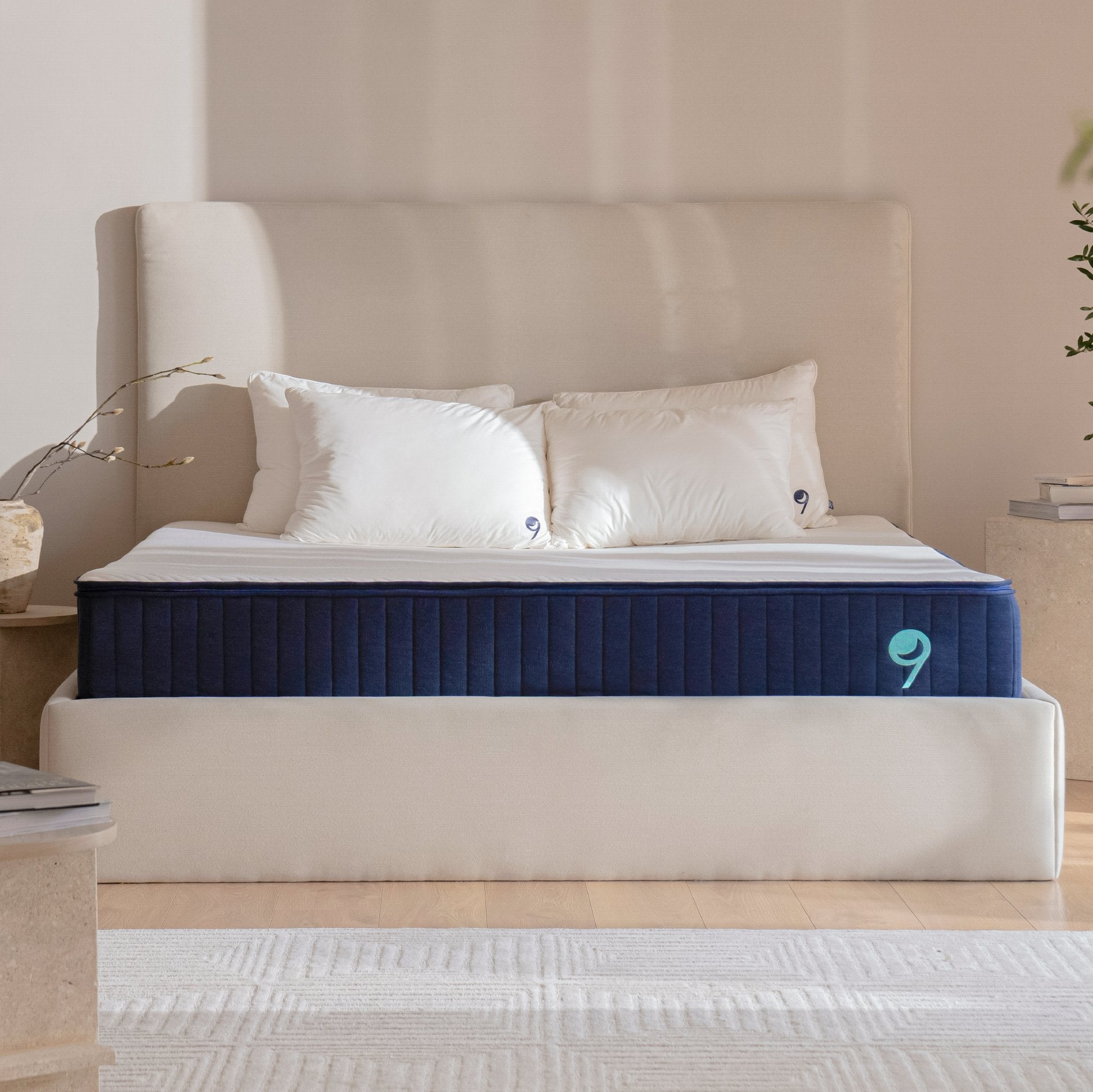
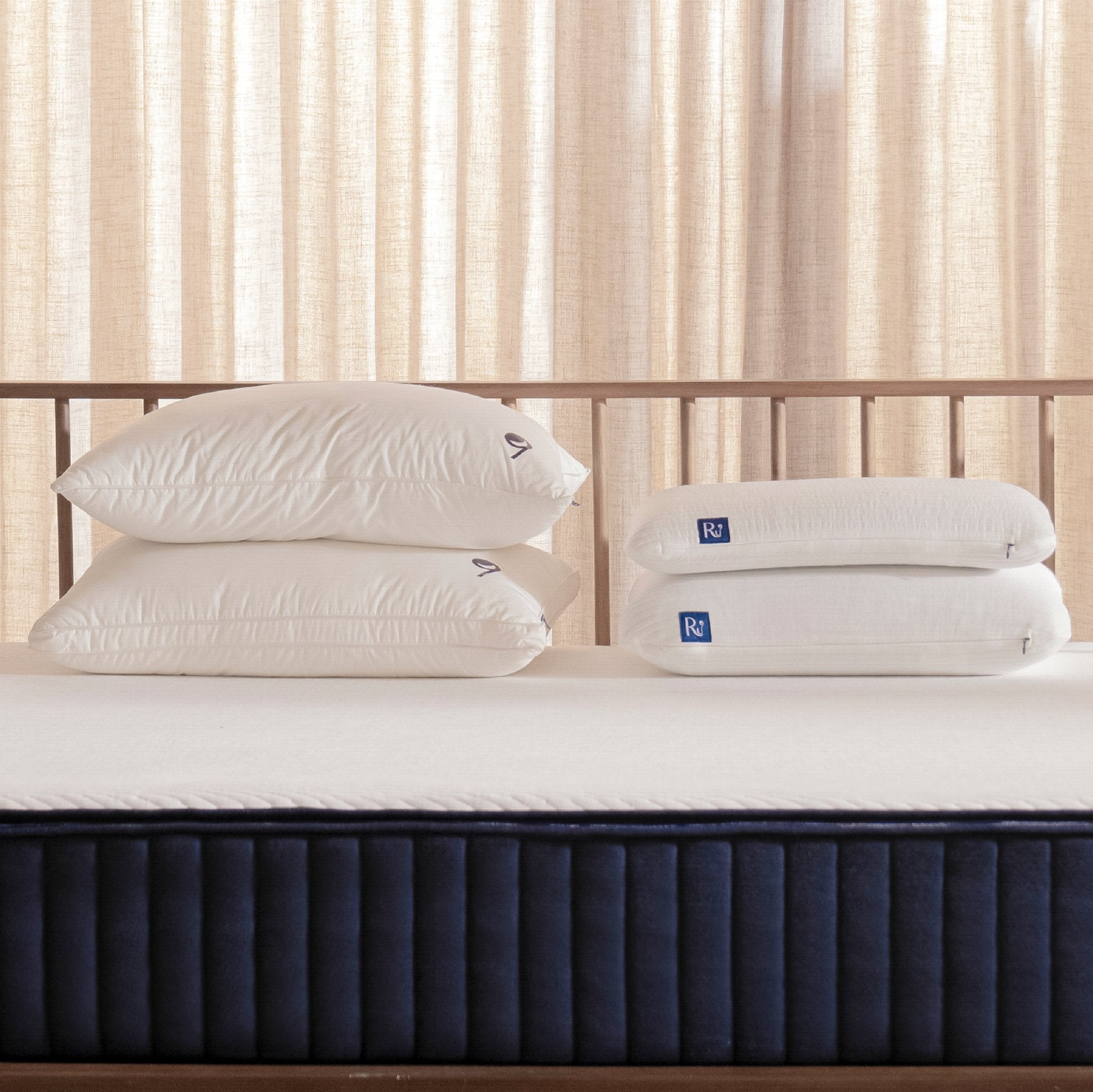
Ru9 foam mattress brings happy couples a good night's sleep
All the criteria mentioned above are present in the memory foam mattress. With different layers of high-quality foam containing millions of air bubbles linked in a strong structure, it will provide a buoyant yet stable feeling. Even if you turn over, the mattress can still isolate motion well, avoiding unnecessary noise. Especially, the heat dissipation and pressure relief technology ensures you don't experience any reactive force; the pressure is evenly distributed, not concentrated at one point, helping your body feel comfortable and refreshed after waking up.
In this article, we've revealed some sleeping positions of happy couples and also shared tips on choosing a mattress to enhance emotional life. Couples' sleep will be cherished by high-end bedroom products from Ru9.
Related article: 6 sleeping positions that reveal how much a husband loves his wife?


