

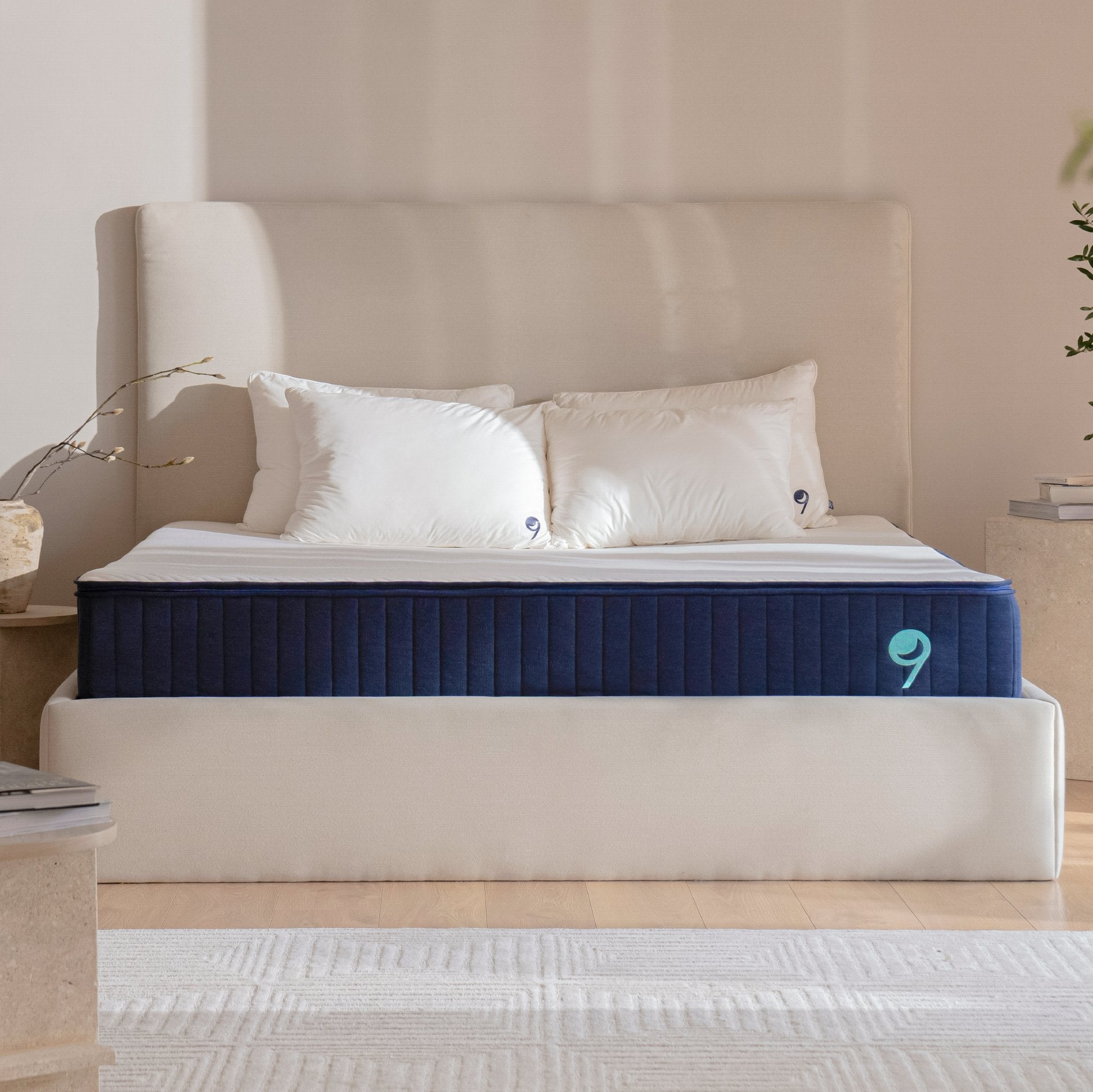


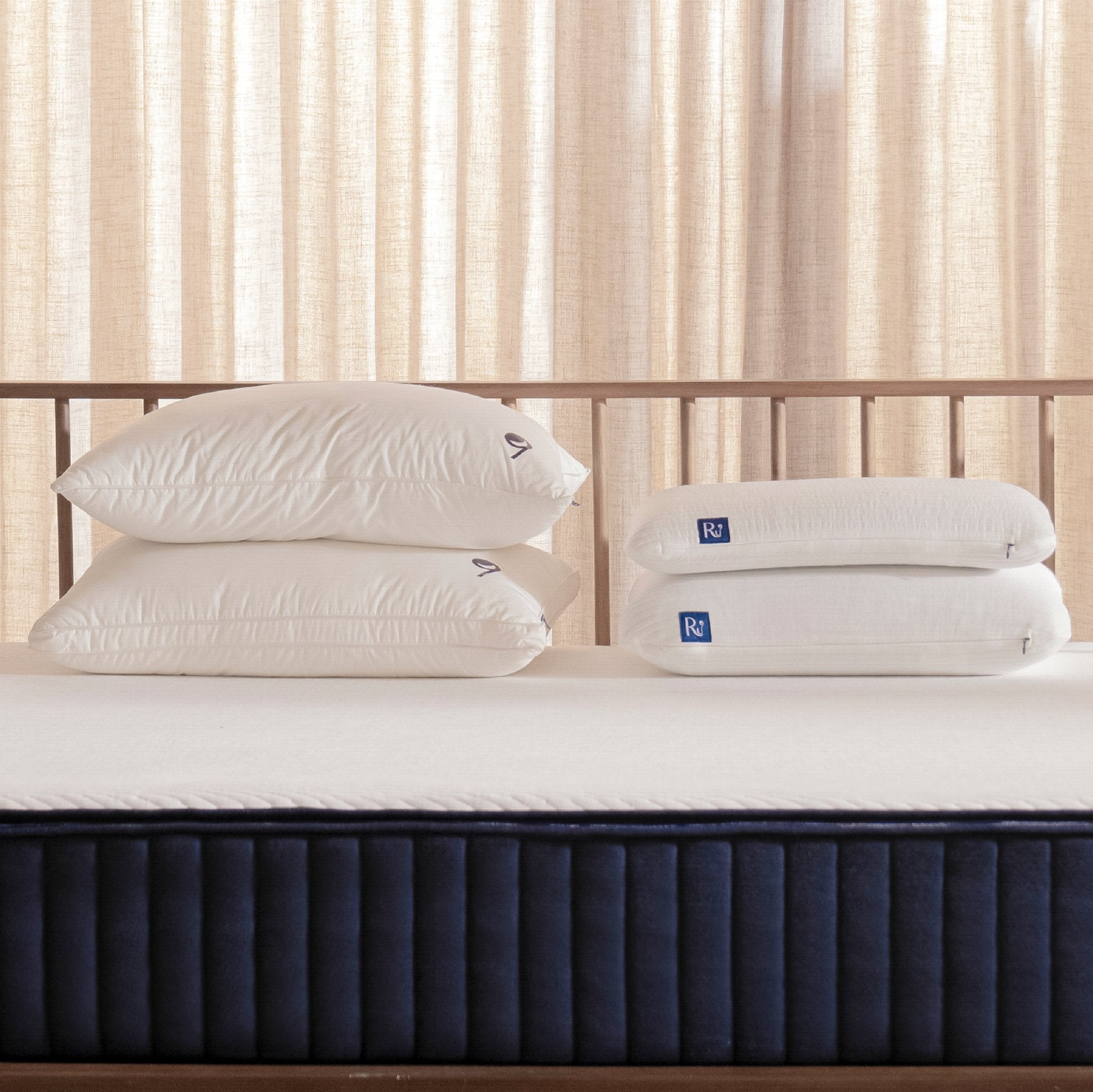






Pillows are inextricably linked to sleep and are crucial for the body's comfort during sleep. They are close to us and seem to be an "intimate" part of our daily lives. Using pillowcases to cover and protect pillows is essential. Furthermore, pillowcases with diverse designs will make your bedroom less monotonous and more aesthetically pleasing.
It's clear that what works for one person may not work for another, which is why there are many types of pillowcases available for various budgets and requirements to increase choices. Pillowcases are always classified in many ways, among which classification by material is considered the most common, and it is also an easy method for people to use as a basis when buying pillowcases. Let's follow Ru9 to explore the pros and cons of each type of pillowcase based on their material classification!
1. Why do we need to use pillowcases?
We need a pillowcase for two main reasons:
- First, most pillowcases have quite beautiful designs and offer a wider variety of patterns, types, and styles compared to a plain pillow. More importantly, these pillowcases are also easier to clean.
- Second, pillowcases are very important because they are the essential shield that protects our pillows. When sleeping, everyone tends to sweat, salivate, produce oil, shed dead skin cells, and other things that can get trapped in the pillow, making it dirty. This will affect the pillow's lifespan, making it unusable for long. Additionally, these trapped substances from the pillow can also be absorbed into our bodies if we don't use a pillowcase.

If you want to emphasize hygiene, using a pillowcase is a must.
You can use a pillow without a pillowcase, but we still recommend using one due to the useful benefits they provide. And if you want to emphasize hygiene, using a pillowcase is a must.
2. Classification of pillowcases by material - pros and cons of each type
2.1 Cotton pillowcases
Cotton is one of the most common materials for producing bed sheets and pillowcases. Cotton is a fairly soft natural fabric that is easy to dye in any color.

Cotton is one of the most common materials for producing bed sheets and pillowcases.
Advantages
- Environmentally friendly cotton production: The production process requires no complex chemical reactions or hazardous waste, making cotton one of the "greenest" fabrics.
- Breathable, soft, and smooth: One of the main advantages of cotton bedding is its breathability. As a natural fiber, cotton is a cool fabric with incredible softness.
- High durability, easy to wash, and quick-drying: One of the main characteristics of this natural fabric is its easy care and high durability. Cotton textiles can be washed many times and in various ways without requiring any special treatment. You can use hot temperatures, dry cleaning, and even hand washing, and it will still retain its excellent color. However, some more expensive cotton sheets may require special and more careful care; make sure to check and follow the instructions on the label. Besides, cotton doesn't dry as quickly as polyester, but its breathability still allows it to dry quickly and efficiently in a short amount of time.
- Inhibits fungal growth, hypoallergenic: Cotton fibers have a great advantage over most other synthetic and animal fibers in their hypoallergenic properties. Cotton fabric is also known to be a very clean material because it is a naturally derived fabric, inherently antibacterial and antifungal. This means cotton can help you maintain a clean environment and reduce mold.
- Mostly affordable: Contrary to popular belief, cotton is very affordable. When it comes to 100% organic cotton products, the price might be higher, but regular cotton pillowcases are indeed very budget-friendly. At that price, anyone can enjoy the comfortable benefits of cotton.
Disadvantages
- Not very stretchy: Cotton fabric is known to be prone to tearing and pilling. These fibers are not as long as some other synthetic or semi-synthetic fabrics, so they can sometimes create pilling.
- Prone to shrinking: Cotton tends to shrink when not cared for properly. The properties of individual fibers can degrade over time, and if not cared for properly, the material will tend to shrink. Cotton pillowcases should be ironed immediately after washing; this way, you can maintain their features for longer.
- High-end cotton pillowcases are quite expensive: While most cotton bedding sets are quite affordable, high-end cotton is an entirely different story.
>> See more:
- Which pillow insert should you buy for good quality? Tips for buying pillow inserts to sleep better
- Detailed review and evaluation of various best sleeping pillows
- Where to buy cheap, durable, beautiful, and quality sleeping pillows in Ho Chi Minh City
2.2 Linen pillowcases
Linen was an icon of the early 90s because it was affordable, warm, and super comfortable. This fuzzy fabric is made from specially processed thick cotton and is one of the most popular materials for duvets.
Advantages
- Soft, breathable, less prone to wrinkles: Linen pillowcases are much more breathable and absorbent than many other fabrics.
- High durability: The fact that linen pillowcases often combine cotton with a blend of synthetic fibers makes them extremely strong and durable. Therefore, these pillowcases are more durable than cotton pillowcases or most other fabrics.
- Great choice for winter: Linen fabric, often made from wool, usually provides comfort, pleasantness, and warmth for the user. In fact, linen pillowcases are often considered the best type of pillowcase for cold weather.
- Aesthetics: A linen pillowcase is one of the best when it comes to the aesthetic appeal they bring to your bedroom interior.
- Not ideal for summer: Linen is soft and cozy. However, that warmth can be too much for some people, making their heads hot at night.
- Not an optimal choice for your hair: If you have long hair, linen can make your hair frizzy and rough.
- If you are prone to acne, linen can directly clog your pores, especially leading to breakouts. Its warmth can cause sweat and excess oil on your face, creating opportunities for skin problems to arise.
- Caring for linen pillowcases is often a bit more difficult than caring for cotton bedding, but much easier than caring for silk bedding. However, repeated washing can damage the fabric, making it less smooth and creating small knots or hairballs on the fabric, so you need to carefully follow the care instructions if you don't want to damage them.
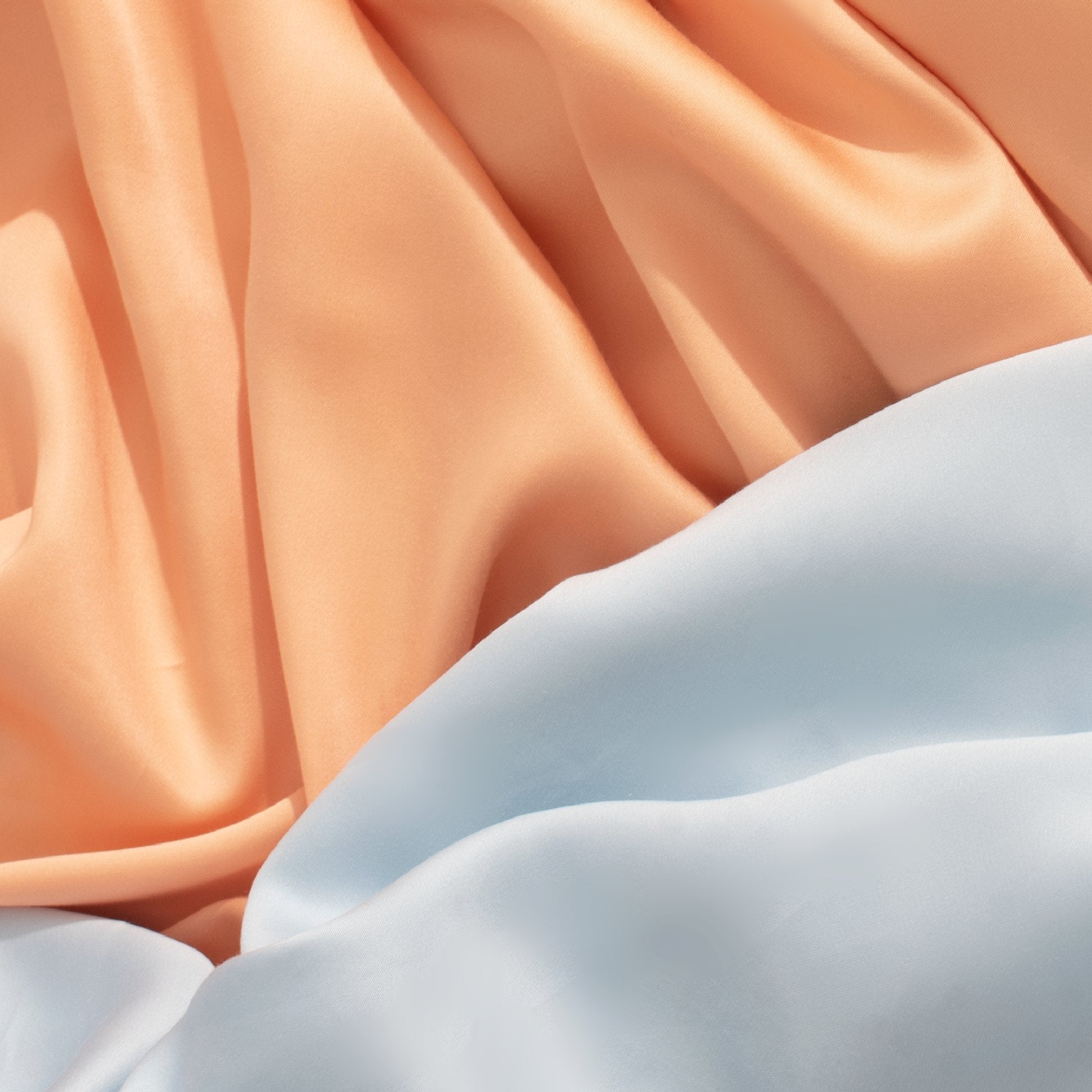
2.3 Silk pillowcases
Silk is a natural fiber obtained from the cocoons and webs of certain insects. Silk is much more difficult to produce as one strand of silk requires thousands of silkworm cocoons.
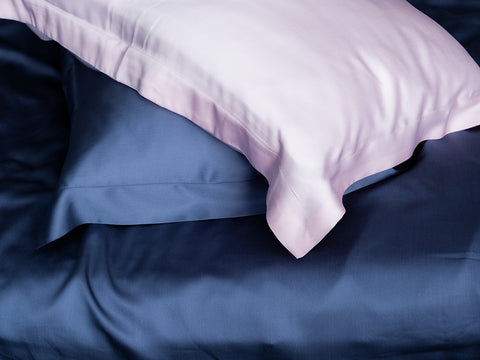
Silk pillowcases - bringing softness and luxury.
Advantages
- Breathable, soft, and luxurious: Real silk is also a completely natural fiber that some people highly prefer. Both silk and satin are breathable materials, but silk is considered superior in terms of breathability compared to satin.
- Smooth, less wrinkled: Silk pillowcases are generally less prone to "bunching up" and won't show the pillowcase creases that many people experience when waking up in the morning with other types of pillowcases.
- Hypoallergenic: Silk is hypoallergenic, meaning it does not attract dust mites or other skin irritants. It is also a natural antifungal. This means silk can be better for people with skin problems.
- Better for hair and skin: Sleeping on silk is better for hair because it doesn't rub against the pillowcase, reducing hair tangles. This can help prevent frizzy hair or greasy scalp. Some sources say that silk pillowcases contain natural amino acids, which are beneficial when they come into direct contact with the skin, although many others who use silk pillowcases claim there is no difference. People with dermatitis sometimes find that sleeping on silk covers helps improve their condition, preventing nighttime skincare products from rubbing off and allowing them to absorb better into the skin.
- Naturally temperature regulating: This means silk will retain heat in winter and provide a cooling effect in summer.
Disadvantages
- More expensive than other materials: Because it is much harder to produce, silk is very expensive compared to other materials.
- More demanding pillowcase cleaning requirements: As mentioned above, silk is natural and requires a lot of cocoons and effort to produce. Therefore, silk pillowcases also require more care in washing and drying. Silk is very susceptible to damage when using harsh detergents, heat, and aggressive washing machine cycles. The luster and color of silk can fade if washed incorrectly. It is recommended to hand wash and air dry silk items. If you must put silk in the washing machine, you should follow the instructions to protect your pillowcase.
- Prone to shrinking at high temperatures: As a natural fiber, it can shrink when exposed to high temperatures. There is a possibility that silk will shrink and be damaged in the washing machine and dryer.
- Silk fades in sunlight: Silk is a natural, protein-based fiber and is prone to fading when exposed directly to sunlight; even the best quality silk pillowcases will fade if left in direct sunlight. The good news is that silk sheets dry very quickly, even indoors, so you may not need to dry them in the sun.
2.4 Satin pillowcases
Satin itself is not a raw fiber, but it is actually a complex weave that can include various types of fibers from cotton, polyester, to silk.
Advantages
- Like silk, satin is soft, breathable, attracts less dirt and oil, and absorbs less moisture. Due to cheaper materials and production costs, satin pillowcases are often significantly cheaper than silk ones.
- Caring for linen pillowcases is often a bit more difficult than caring for cotton pillowcases, but much easier than caring for silk pillowcases. If satin is made from durable fibers like polyester, you can often throw it in the washing machine instead of hand washing.
- Satin provides a cool and comfortable sleeping environment, and it is also beneficial for hair and skin, though less so than silk.
Disadvantages
- Satin is a synthetic material, and you often have to be more careful to find out what kind of fibers are in the satin item you are buying. If satin is made of too much cotton, it can significantly reduce the benefits for your hair and skin.
- Satin also has a significantly higher likelihood of staining when exposed to sweat because it will absorb moisture.
2.5 Polyester pillowcases
Polyester is known as a synthetic material, created to feel and look like cotton. This synthetic fabric is an affordable option for pillowcases. However, polyester is not recommended for people with sensitive skin or allergy conditions.
Advantages
- Lightweight, quick-drying, high durability: Polyester pillowcases are very lightweight. Polyester fibers are strong and not easily frayed, so polyester pillowcases are durable, fade-resistant, and can often last through many years of washing and use. Additionally, polyester fibers do not absorb much water, so they dry quickly after washing and can maintain brighter colors afterward.
- Wrinkle-resistant, less prone to shrinkage: Polyester pillowcases are very wrinkle-resistant, making them easy to use. They do not shrink like other materials and can maintain their shape due to their synthetic composition.
- Can be used in winter, quick-drying: Polyester pillowcases are ideal for cold weather as they are very warm and provide good insulation.
- Affordable, stable price: Since polyester is made from synthetic fibers, its price does not fluctuate as much as pillowcases made from cotton and other fibers.
Disadvantages
- Not breathable
- Not suitable for summer: Polyester is a good insulator, tends to get hot, retains moist gases, and can make you sweat a lot.
- Polyester is a fiber that is very sensitive to temperature; heat can damage polyester bed sheets relatively quickly, so care must be taken to avoid damage.
- Polyester pillowcases are relatively coarse, so they are not suitable for some skin types.
- Slippery, easily comes off, more prone to pilling and static cling: Bedding experts say that polyester is more likely to experience pilling and static cling. Polyester pillowcases also tend to be more static and often stick to our skin, which can be uncomfortable. Additionally, they are relatively slippery, making them prone to slipping off, so measures need to be taken to prevent the pillowcase from coming off during sleep.
The article above has provided all the pros and cons of each material used for pillowcases. We hope that this information will be helpful to you in finding the right pillowcases for your sleep!
>> See more:
- Tips for choosing airplane sleeping pillows
- Discover what kind of pillows hotels use? Are they expensive?
- What is a Memory Foam Pillow: Memory Foam Pillows and Latex Pillows - which one is better to buy?


