

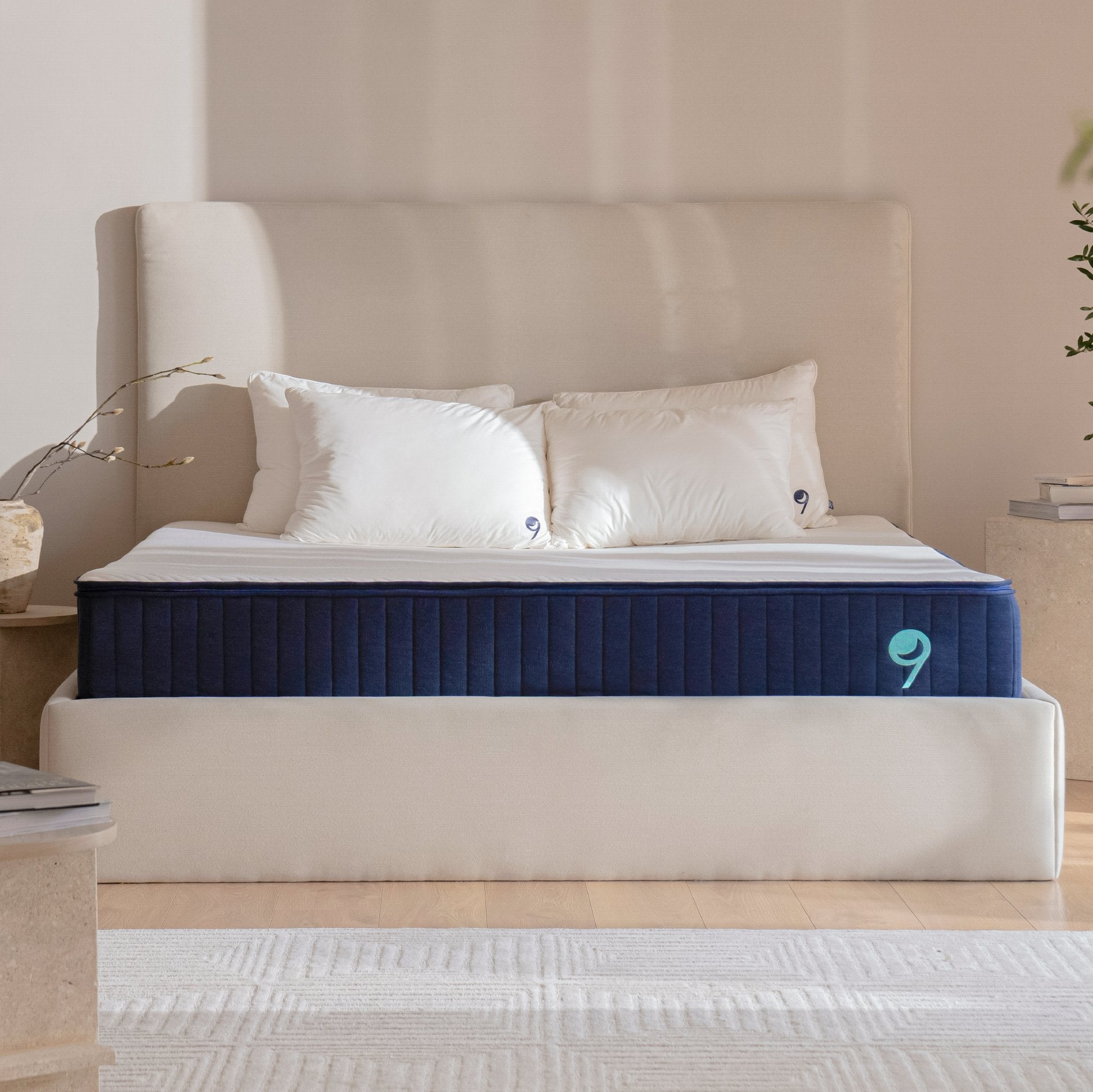


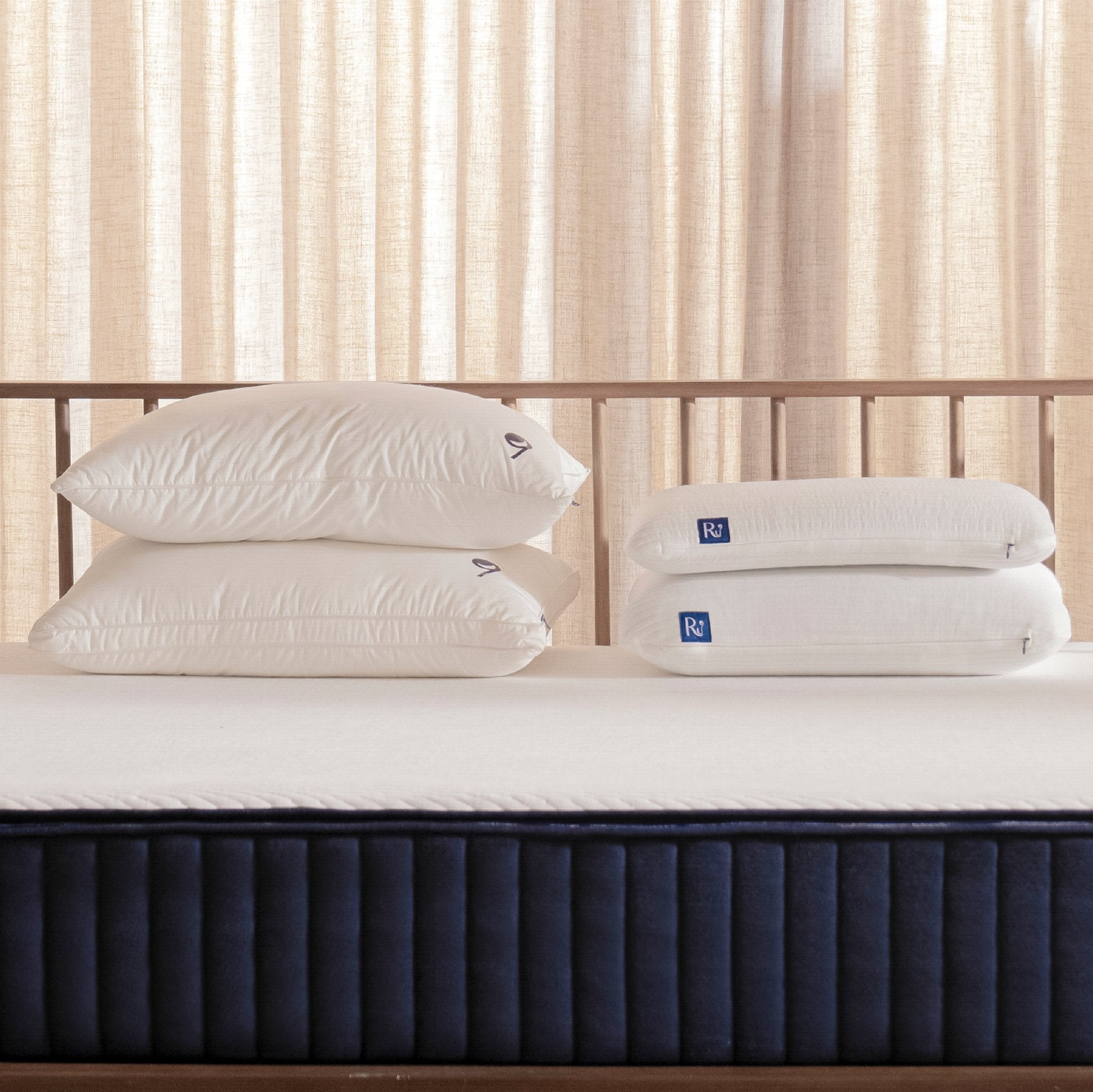







Although it has been on the market for a long time, mousse mattresses are still not as popular as traditional mattresses like latex or spring mattresses. However, they are becoming increasingly favored due to their outstanding advantages. So, what makes mousse mattresses special? Let's find out below.

1. What is a mousse mattress?

A mousse mattress, also known as a foam mattress or sponge mattress, is made from mousse material – a type of material with a structure of small interconnected air bubbles.
This type of mattress comes in various designs with diverse thicknesses, elasticity, and price points, suitable for different needs. Thanks to its softness and comfort, mousse mattresses are widely used in the furniture industry, suitable for sleeping, sitting, or as a cushioning layer in many other products.
2. Analyzing the pros and cons of mousse mattresses

2.1. What are the advantages of a mousse mattress?
-
High elasticity, conforms to the body: Thanks to its good elasticity, a mousse mattress provides a soft, comfortable feeling and optimal support for the body when sleeping.
-
Good ventilation: Its structure with tiny ventilation holes keeps the mattress cool and airy, preventing stuffiness even with prolonged use.
-
Optimal spinal support: Mousse mattresses distribute body weight evenly, reducing pressure on the spine and preventing back pain and neck stiffness when lying down for extended periods.
-
High durability: With a lifespan of 10–12 years, a mousse mattress is an economical choice, helping you save on frequent mattress replacement costs.
-
Water-resistant, maintains elasticity: Mousse mattresses do not easily absorb or get affected by water, thereby maintaining their elasticity and stable structure after a period of use.
-
Lightweight: Lighter design compared to traditional mattresses, convenient for moving, cleaning, and storage.
2.2. Disadvantages of mousse mattresses
-
High price: Compared to traditional mattresses like compressed cotton or spring mattresses, mousse mattresses are slightly more expensive due to their specific materials and manufacturing technology.
-
Elasticity not as good as natural latex mattresses: Although it has good elasticity, a mousse mattress still cannot compare to the support and resilience of a natural latex mattress. Therefore, people with bone and joint problems should consider carefully before choosing.
-
Prone to dust and bacteria accumulation: With its structure containing many small air holes, a mousse mattress is prone to absorbing dust and bacteria if not cleaned properly. Cleaning this type of mattress is also not simple and needs to be done regularly to ensure hygiene.
-
Prone to discoloration over time: After a period of use, a mousse mattress may become yellowed, reducing its aesthetic appeal. To protect the mattress and maintain its clean appearance, a suitable mattress cover should be used.
3. Classification of popular mousse mattresses
3.1. Artificial Mousse Mattress
Artificial mousse mattresses are made from synthetic materials such as polyurethane (PU) foam and memory foam – two popular materials known for their superior elasticity and softness. When lying on it, users can feel the comfort and gentle support the mattress provides. With an affordable price, this is a suitable choice for many user segments.
Furthermore, cleaning the mattress is quite simple. However, artificial mousse mattresses have some limitations, such as lower durability, typically only lasting 5 to 7 years. Additionally, due to material properties, the mattress can cause allergies for people with sensitive skin and is prone to mold growth if not regularly cleaned and stored in a dry, airy environment.

3.2. Compressed Mousse Mattress
Compressed mousse mattresses are made from small ground rubber scraps, which are then bonded together with adhesive to form a solid block. Thanks to this process, the mattress is cheaper than traditional latex or spring mattresses, and it is also lightweight, making it very convenient for transportation and moving around the living space. Another advantage of compressed mousse mattresses is their good breathability, which helps users feel comfortable when lying down.
In terms of durability, this type of mattress can be used stably for about 7 to 10 years. However, if not cleaned and maintained properly, the mattress still risks developing mold due to the moisture-absorbing properties of its constituent materials.
4. Differentiating mousse mattresses from other types of mattresses
|
Mattress Type |
Composition |
Advantages |
Disadvantages |
Price |
|
Latex mattress |
100% natural latex |
Soft, cool, durable, does not deform or sag after prolonged use |
Prone to sweat absorption, prone to mold if not thoroughly cleaned |
High |
|
Compressed cotton mattress |
Polyester fibers compressed into a block, various thicknesses |
Breathable, less deformable, lightweight, easy to move |
Less soft, not as cool as mousse mattresses, prone to sagging after a period of use |
Low |
|
Spring mattress |
Spring system + mattress layer + protective cover |
Good support, high elasticity, good air circulation, creates a cool feeling |
Prone to noise when turning over, less durable than mousse mattresses |
High |
|
Mousse mattress |
Foam block (PU foam, memory foam...) |
Soft, breathable, good body support, 7–10 year lifespan, reasonable price |
Not as supportive as latex, prone to dust and dirt if not cleaned and maintained properly |
Medium |
5. Criteria for evaluating mousse mattress quality
5.1. Based on mattress material
The quality of a mousse mattress depends on the foam density, the type of mousse used, and the origin of the product. A good mattress usually has a high density (above 30kg/m³), providing good support, durability, and resistance to sagging. Conversely, low-density mattresses (below 25kg/m³) are prone to sagging and wear out quickly.

Regarding materials, high-quality mousse such as HR, gel mousse, or activated charcoal mousse enhances elasticity, cooling, and antibacterial properties effectively. In contrast, low-quality mousse often has an unpleasant odor, develops mold, and is unsafe for health.
Another point to note is the product's origin. High-quality mousse mattresses usually come from reputable brands, with clear labels, quality certifications, and information. Conversely, products with unclear origins or missing labels often pose many risks during use.
5.2. Based on the mattress's structure
In terms of structure, a good quality mousse mattress typically has a core made of multiple layers of mousse with varying degrees of elasticity and firmness, which optimizes support and provides a soft feel for the sleeper. The mousse layer that directly contacts the body is designed to effectively distribute pressure, ensuring comfort throughout sleep. In contrast, a poor quality mousse mattress often consists of only a single mousse layer, has low density, provides poor support, and is very prone to sagging over time. Some products even use recycled materials, posing potential health risks.

The mattress cover is also an important distinguishing factor. Good mattresses are typically covered with high-quality fabric or felt, which is absorbent, breathable, and comfortable against the skin. The mattress cover can be removed, making it convenient for cleaning and keeping the mattress fresh. Meanwhile, poor quality mattresses often use cheap, non-breathable, and poorly absorbent fabrics, which can cause stuffiness when lying down. The mattress cover is usually sewn on and cannot be removed, making cleaning inconvenient and prone to mold growth.
5.3. Based on absorbency

A good quality mousse mattress has effective sweat absorption, keeping the mattress surface dry and providing a cool and comfortable feeling when lying down. As a result, the mattress limits moisture accumulation – a cause of mold and bacteria. In contrast, a poor quality mousse mattress often has poor absorbency, making the user feel hot, stuffy, and uncomfortable, especially in hot weather. Prolonged moisture accumulation also creates conditions for bacteria and mold to grow rapidly, affecting the health and durability of the mattress.
5.4. Based on elasticity

A good quality mousse mattress has high elasticity; when pressed, it quickly returns to its original shape. Thanks to its ability to conform to the body's curves and effectively support the spine, the mattress provides a soft and comfortable feeling throughout its use. In contrast, a poor quality mousse mattress often has poor elasticity; when pressed down, it sinks deeply and takes a long time to regain its shape. This not only causes the mattress to sag quickly but also affects its durability and the sleeping experience.
6. Applications of mousse mattresses in daily life
The combination of softness, high elasticity, and reasonable cost has led to mousse mattresses being increasingly used in various fields.
6.1. Bed mattress production

Thanks to their flexibility and ease of shaping, mousse bed mattresses can be designed in various shapes such as round, square, or rectangular, suiting diverse bed sizes and styles. The mattress provides a soft, relaxing, and comfortable feeling when lying down, helping users achieve deep and comfortable sleep. At the same time, its good support effectively aids the back and spine. Therefore, mousse mattresses are increasingly becoming a popular choice for many people.
6.2. Sofa cushion production

Before becoming a popular material for bed mattresses, foam was widely used in sofa cushions and wooden chairs. Thanks to its high durability and reasonable price, this type of mattress is highly regarded for its softness and support. Modern cushion designs are often upholstered in leather or felt to enhance comfort and aesthetics.
6.3. As motorcycle and bicycle seat padding

Not only found in furniture products, mousse mattresses are also integrated into motorcycle and bicycle seats, providing a soft, comfortable feeling every time you travel. The elastic mousse layer helps reduce shocks, protects the user's health, and enhances the experience on every journey.
6.4. Medical field

In addition to applications in furniture and transportation, mousse mattresses are also used in the medical field. Thanks to their good support and ability to provide a soft feeling, this type of mattress is often integrated into wheelchairs and hospital beds to provide maximum comfort and effective support for patients during treatment or rest.
7. How to properly care for and clean a mousse mattress
Tips for maintaining a mousse mattress to increase its durability:
-
Follow cleaning instructions from the manufacturer
-
Wash bed linens regularly to remove sweat, dust, dead skin
-
Vacuum the mattress periodically, at least once a month
-
Avoid spilling water on the mattress
-
Do not sun-dry the mattress directly
-
Deodorize with baking soda if needed
-
Place the mattress in a dry, well-ventilated area
The above is basic information about what a mousse mattress is and its practical applications. We hope this article has helped you better understand this type of mattress. If you have any further questions, please contact RU9 at 1900 636 321 for more detailed advice!


