











“Which pillow is good for insomniacs and sleepless people?” This is a question that many people wonder about today. Because if you choose the wrong pillow, it will adversely affect sleep and lead to many other consequences. So choose choose a good and suitable pillow? Let's find out with Ru9 through the article below.
What are the benefits of sleeping pillows for insomniacs?
Sleep is considered as one of the living needs for each person's body. It can be said that a pillow is the key to getting a good night's sleep every day. Pillows help you have a deep sleep, relax your body after a long working day, and improve your health. The main function of the sleeping pillow is to support the head and neck when lying down, creating a feeling of softness and comfort, helping you to fall asleep more easily. Moreover, a good pillow can automatically adjust the support level to suit the sleeping position, minimizing the pain when waking up.

How to choose a good pillow for insomnia
1. Choose a pillow based on your sleeping position

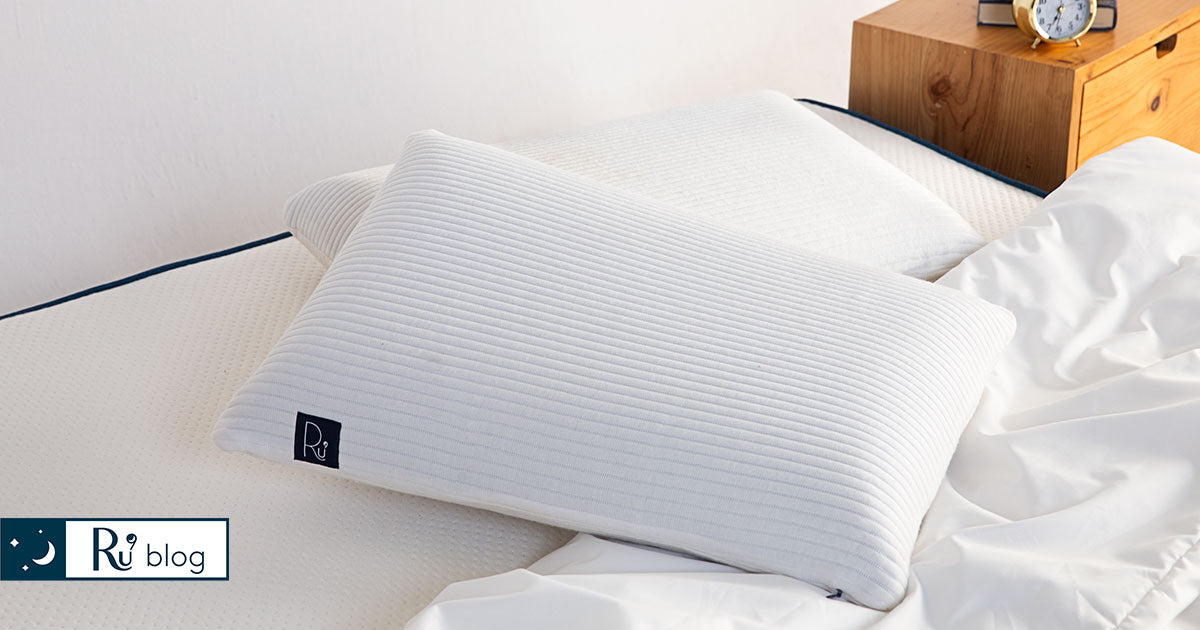
Sleeping position and sleeping pillow are closely related. A suitable pillow will help you sleep better, avoiding neck pain when waking up. If you have a habit of sleeping on your back, choose a pillow that is not too high. This will help the neck and back not be tired, helping you to have a deep sleep. If you have a habit of lying on your side, use a slightly thicker pillow. Better yet, you should choose a pillow with good elasticity, high flexibility such as memory foam pillow. Because this pillow will help support the neck area effectively and automatically adjust to any sleeping position.
2. Choose a pillow by thickness
Use these pillows too Low blood will not be circulated, leading to frequent insomnia. On the contrary, using too high a pillow is also not a good choice because this will make the cervical vertebrae numb. The most suitable height for sleeping pillows is about 10-15cm. Depending on the characteristics of the body as well as the sleeping position of each person, you should choose the thickness of the pillow accordingly.
3. Choose a pillow by material
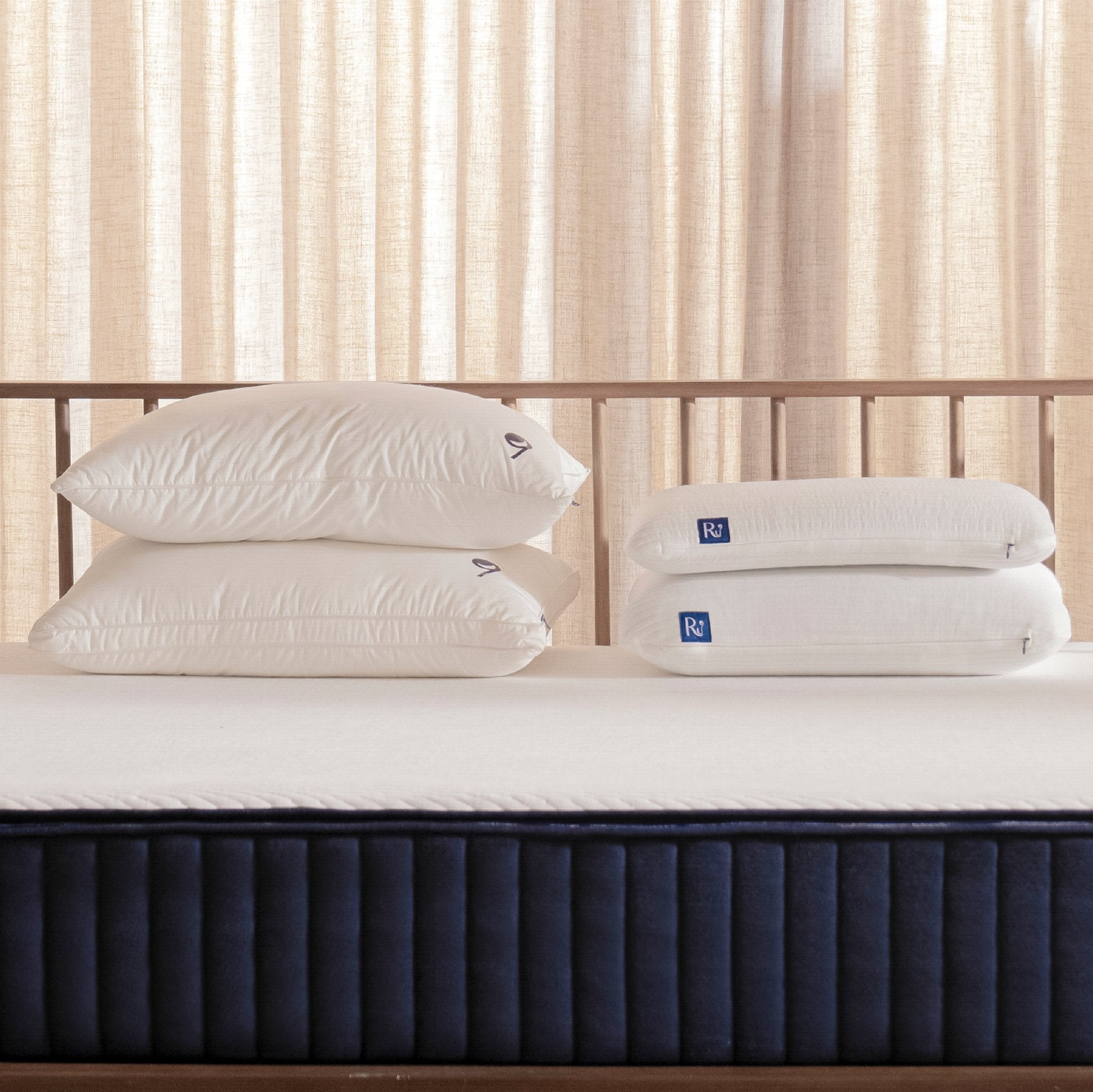
Currently, on the market, there are many types pillow liner with different materials such as: foam pillow, natural latex pillow, cotton pillow, feather pillows,… Foam material is the current trend of choice. Because the product has good elasticity, the outstanding support ability is not inferior to natural rubber. Foam pillow also offers feeling soft, comfortable lying down but not easily flattened like cotton pillows, feather pillows. In terms of durability, foam material also has a much longer use time than other common pillows.
 < /div>
Come to Ru9 now!
To be able to choose which pillow is good for insomniacs is not easy. Hope the ways Ru9 revealed above can help you choose to buy a pillow satisfied for yourself. Thanks to that, you can get a good night's sleep to protect the health of you and your family. Come to Ru9 to own the best products to accompany your sleep every day.


